Artwork
The adoration of the Christ-child and Saints John the Baptist and Donatius
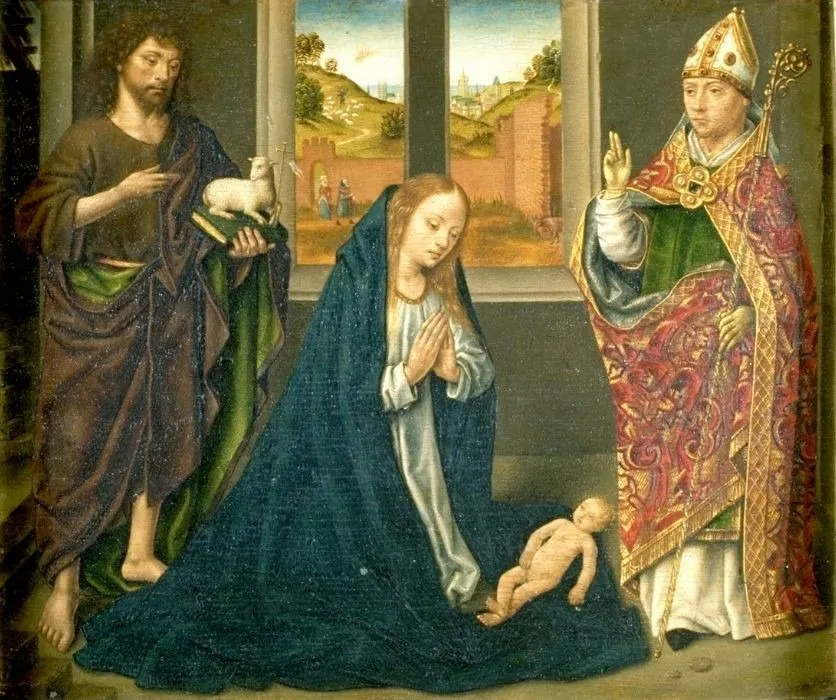
The adoration of the Christ-child and Saints John the Baptist and Donatius is an oil painting by the Northern Renaissance artist Master of the Bruges Legend of St. Ursula. It dates from 1494 and is held in the collection of the Gemäldegalerie Berlin. Executed in 1494, this oil painting presents a quiet devotional tableau centered on the infant Christ.
About this work
Overview
A modest interior, illuminated by a distant landscape visible through a window, frames the scene with restrained elegance.
Executed in 1494, this oil painting presents a quiet devotional tableau centered on the infant Christ. The Virgin Mary kneels before her child, while two saints—John the Baptist on the left, holding a lamb, and Donatus on the right in richly patterned attire—stand as witnesses. A modest interior, illuminated by a distant landscape visible through a window, frames the scene with restrained elegance.
Subject & Meaning
The composition illustrates the adoration of the Christ child, a theme that underscores the humanity of the infant and the reverence of his mother. Saint John the Baptist, identified by his lamb, anticipates Christ’s sacrificial role, whereas Saint Donatus, a lesser‑known martyr, adds a layer of intercessory prayer, reinforcing the work’s emphasis on piety and contemplation.
Technique & Style
Rendered in oil, the painting achieves a subtle modeling of flesh and fabric, allowing the vibrant hues of Donatus’s robes to contrast with the softer tones of Mary’s veil. Fine brushwork delineates the delicate folds of clothing and the tender gestures of the figures, while the muted background recedes, creating depth characteristic of Northern Renaissance visual strategies.
History & Provenance
Attributed to the Master of the Bruges Legend of St. Ursula, the work bears the signature style of this anonymous fifteenth‑century Flemish artist, whose name derives from a celebrated polyptych of Saint Ursula. The painter frequently incorporated the belfry and tower of Bruges’s Church of Notre‑Dame into his settings, situating this piece within his broader oeuvre.
Context
Created during the Northern Renaissance, the painting reflects the period’s focus on detailed observation and devotional intimacy. Its modest interior and inclusion of recognizable Bruges landmarks align it with contemporary Flemish practices that blended local architecture with biblical narratives, catering to both private contemplation and the visual expectations of a devout audience.
Artist & collection
Artist
Master of the Bruges Legend of St. Ursula
The Master of the Legend of St. Ursula (1436–1505) was a Flemish painter active in the fifteenth century. His name is derived from a polyptych depicting scenes from the life of Saint Ursula painted for the convent of…

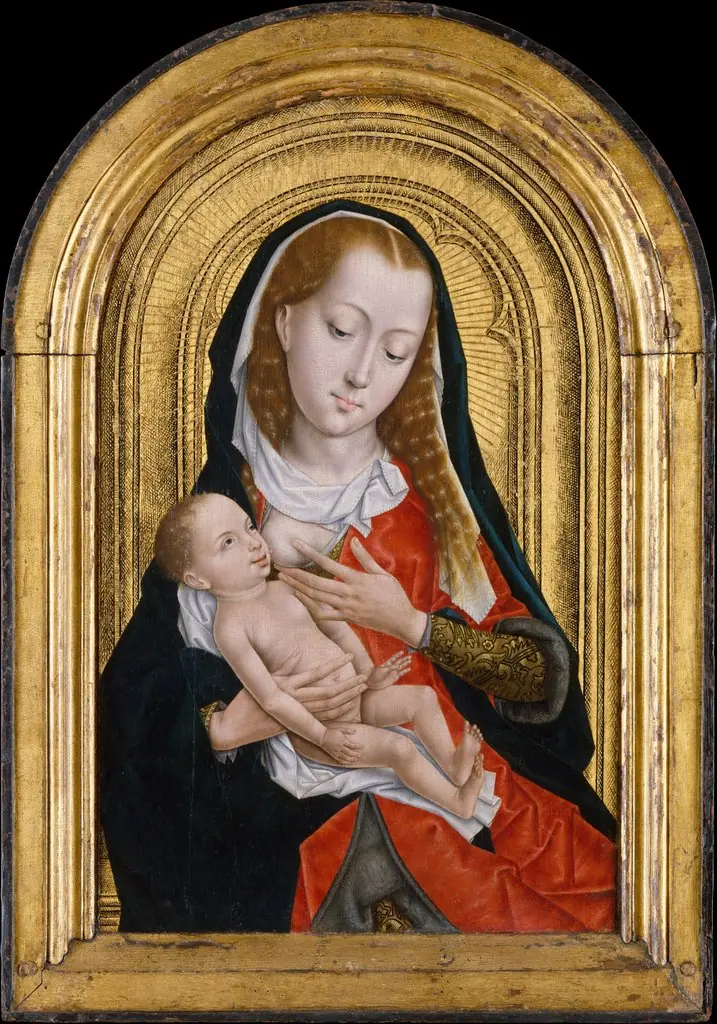 Virgin and Child
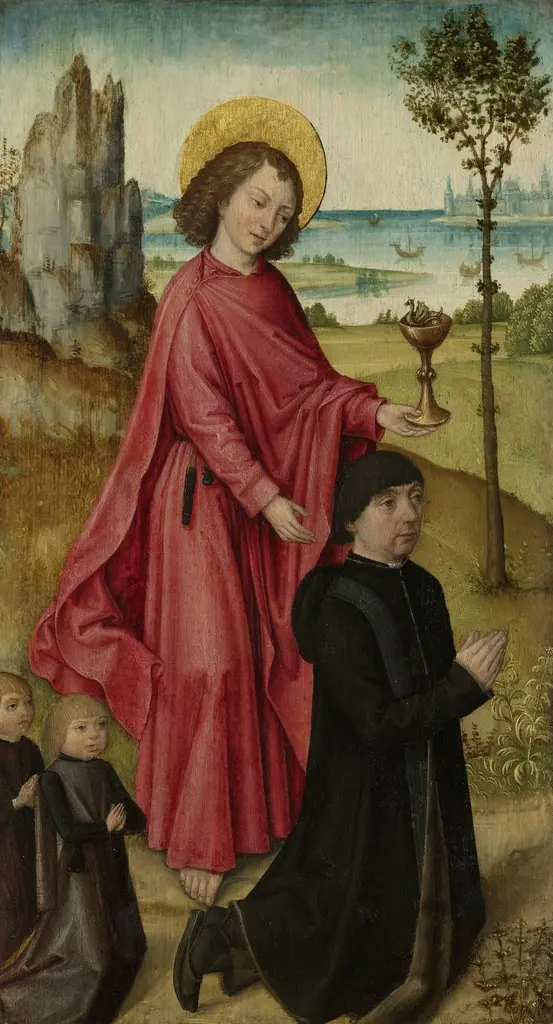 Inner left wing of a triptych with the donor, his two sons and St John the Evangelist
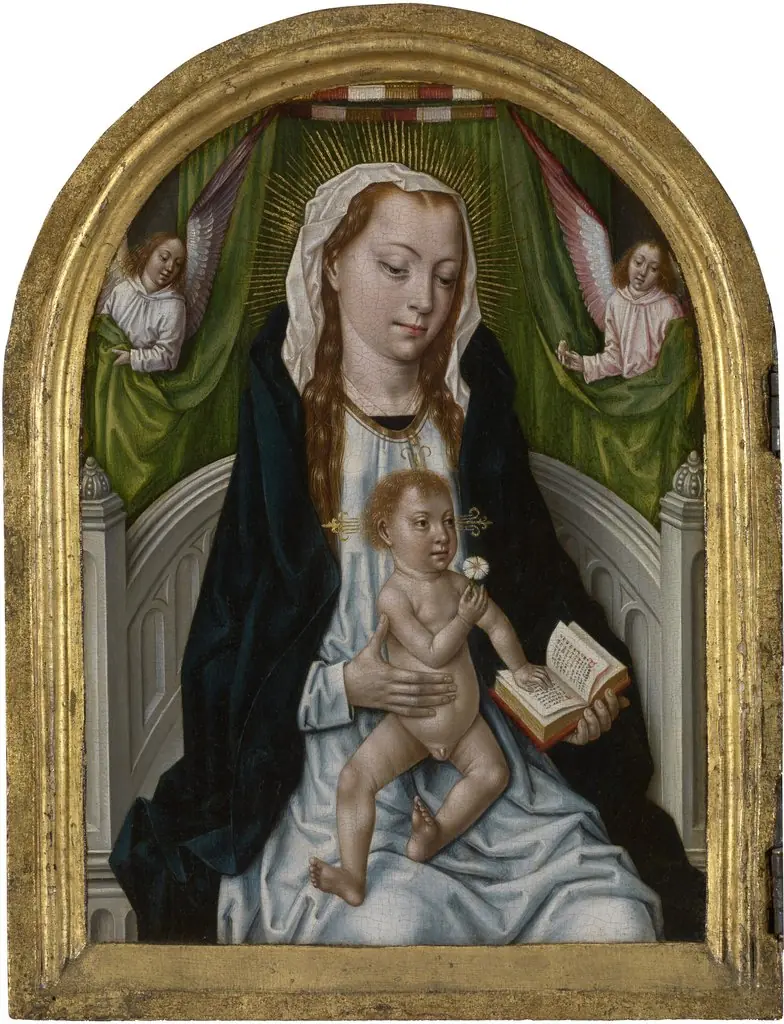 Virgin and Child with Angels
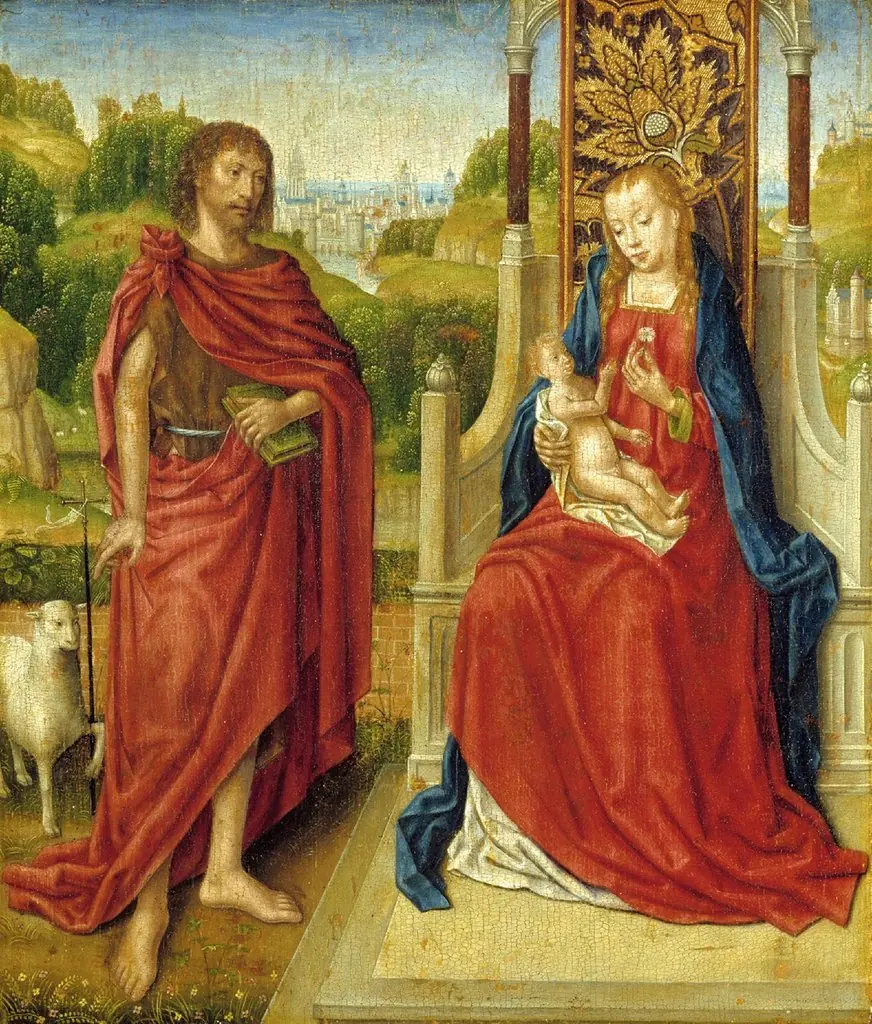 Virgin and Child and Saint John the Baptist
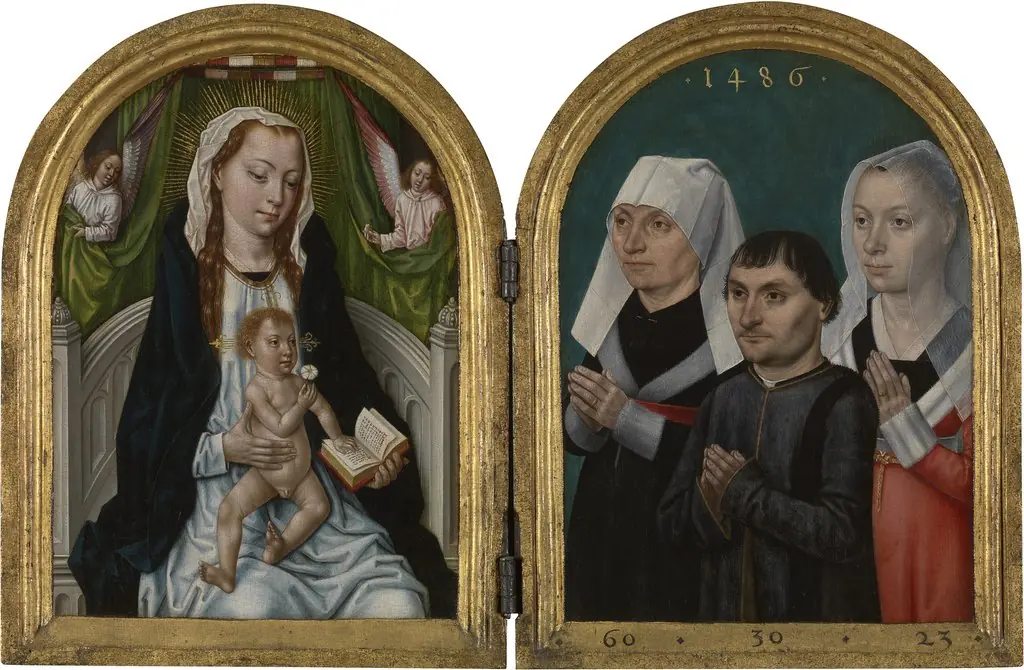 Diptych with the Virgin and Child and Three Donors
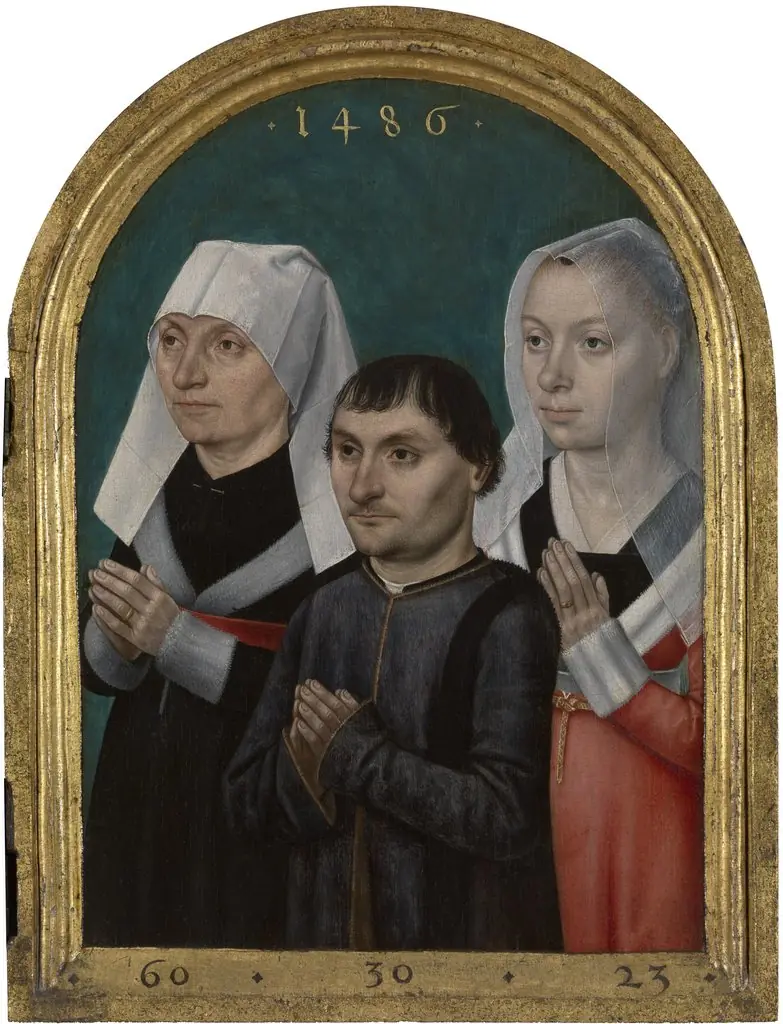 Three Donors
 Portrait of a young man
 Saint Anne with the Virgin and Child and four saints (John the Baptist, Louis IX, Catherine and Barbara)