Artwork
Triptych with Scenes from the Life of Christ
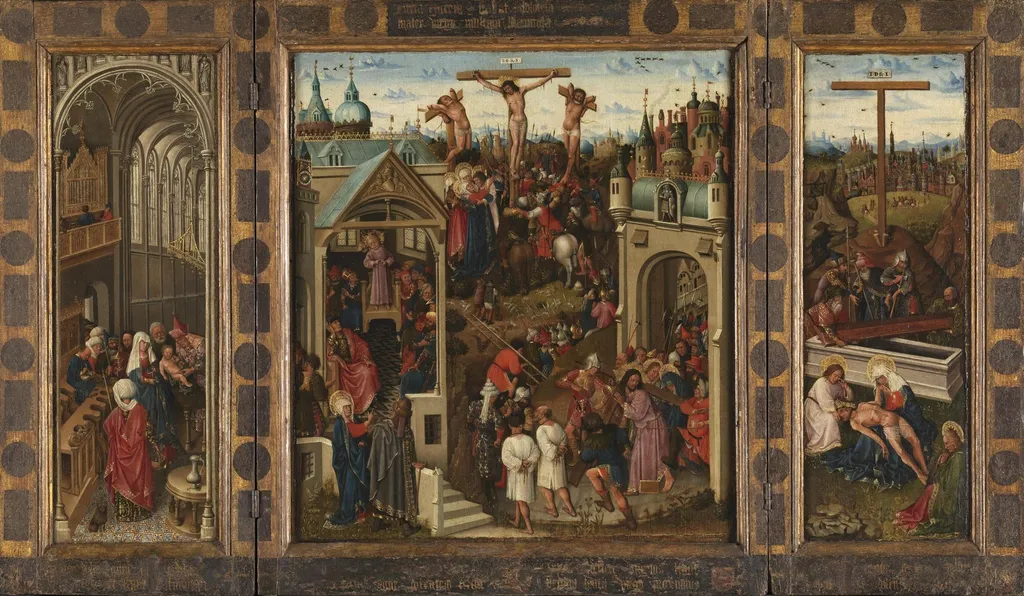
Triptych with Scenes from the Life of Christ is an oil painting by the Northern Renaissance artist Master of the Collins Hours. It dates from 1440 and is held in the collection of the Museo del Prado.
About this work
Overview
Triptych with Scenes from the Life of Christ is a 15th-century religious oil painting attributed to the Master of the Collins Hours, dated to 1440, and currently housed at the Museo del Prado.
Subject & Meaning
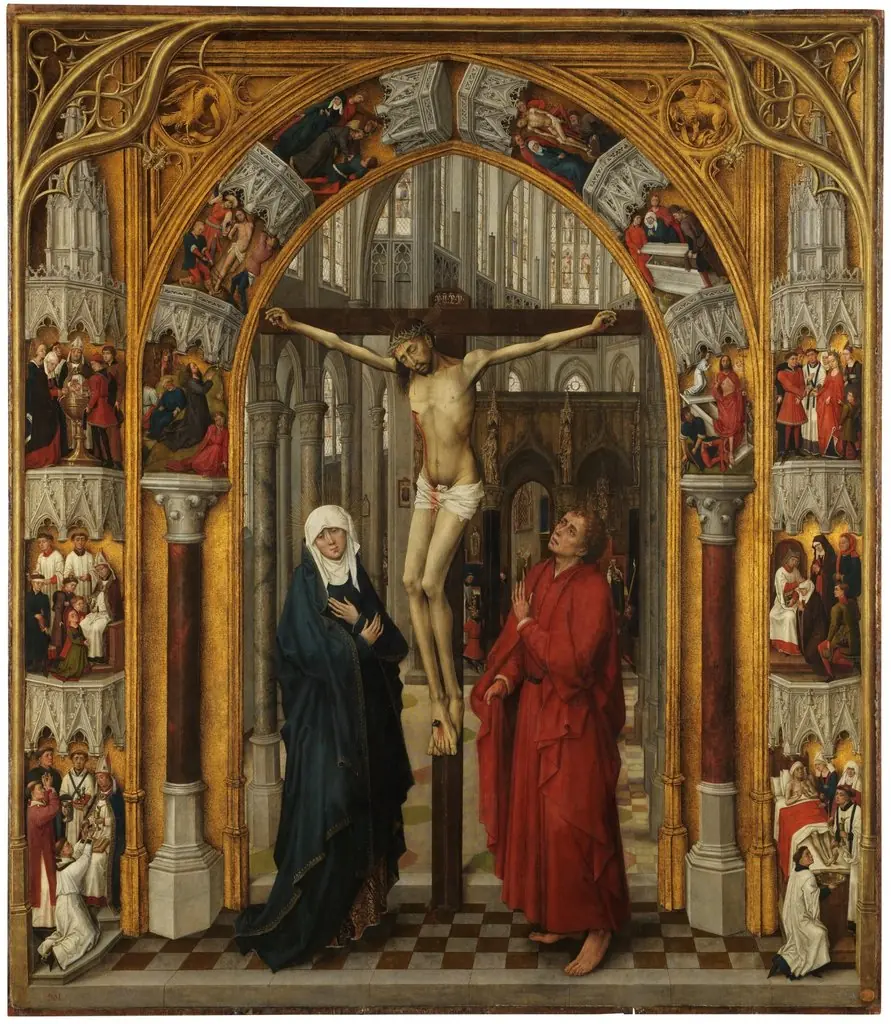
The triptych depicts three pivotal moments from the life of Christ across its panels: the left panel likely shows the Nativity or a related scene with figures holding a baby; the central panel portrays the Crucifixion amidst a chaotic crowd and a distant cityscape; and the right panel illustrates the Lamentation over Christ’s body, with mourners beside it.
Technique & Style
Characterized by dense composition, the painting features intricate, tiny details such as individualized faces in the crowd and architectural spires. The color palette is predominantly earthy, punctuated by vivid reds and blues, suggesting the use of glazing techniques to achieve depth through layered paint.
History & Provenance
Created in 1440 by the Master of the Collins Hours, the triptych’s historical ownership trail is not detailed here, but it is known to be part of the collection at the Museo del Prado.
Context
This work reflects the religious art traditions of its time, with the triptych format common for devotional pieces. The detailed, busy scenes align with the artistic tendencies of the early Northern Renaissance.
Legacy
While specific influences or direct artistic legacies of 'Triptych with Scenes from the Life of Christ' are not highlighted, it contributes to the broader understanding of 15th-century religious art and the Master of the Collins Hours’ oeuvre.
Artist & collection
Artist
This anonymous painter made tiny, jewel-like scenes you can’t see all at once. In the Triptych with Scenes from the Life of Christ, they squeezed gold backgrounds and tiny figures into three hinged panels, like a…

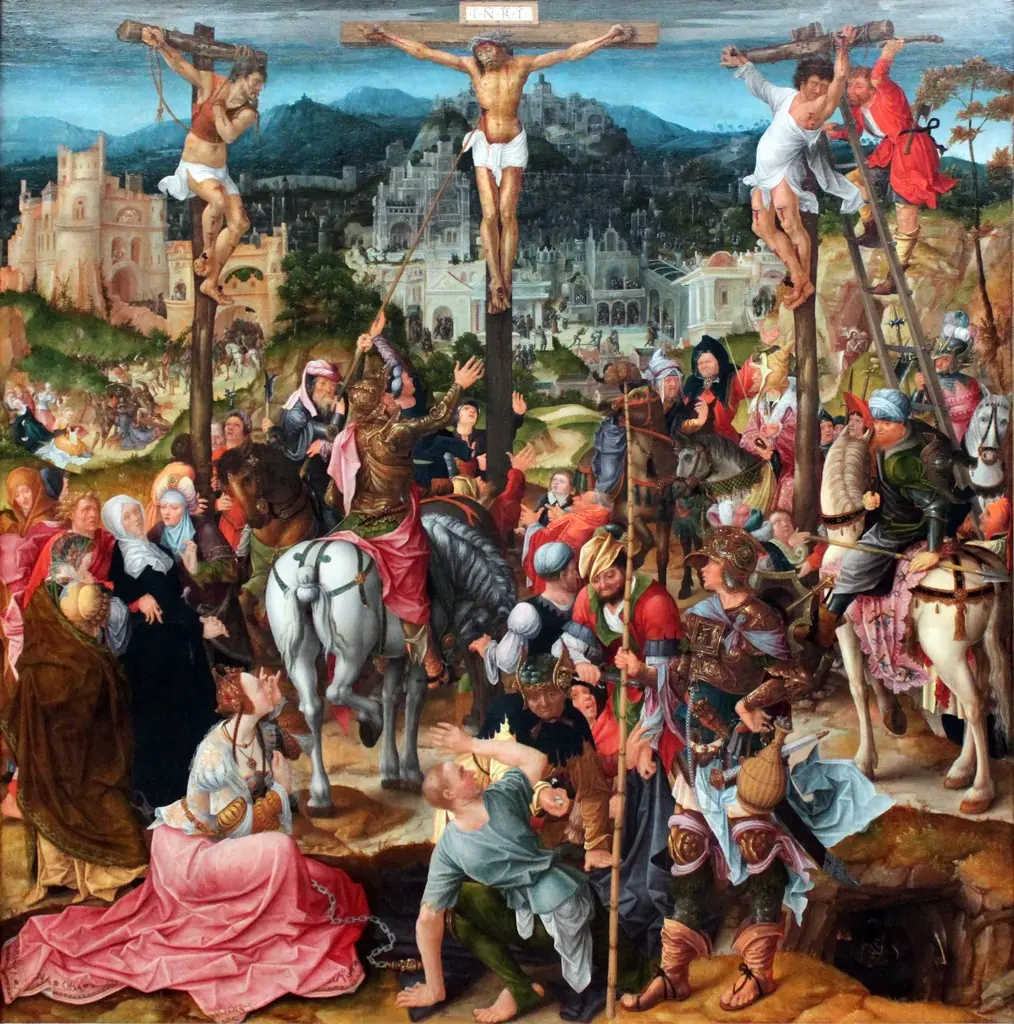 The Crucifixion
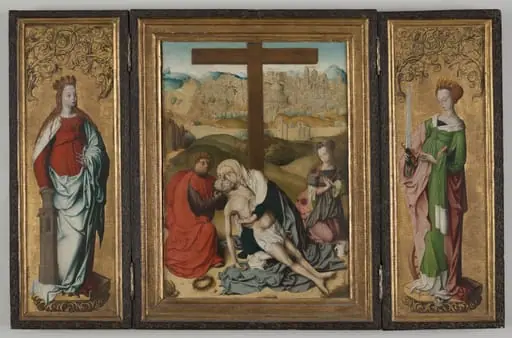 Triptych with The Lamentation of Christ (center), St. Barbara (left wing), St. Catherine of Alexandria (right wing), The Annunciation (reverse wings)
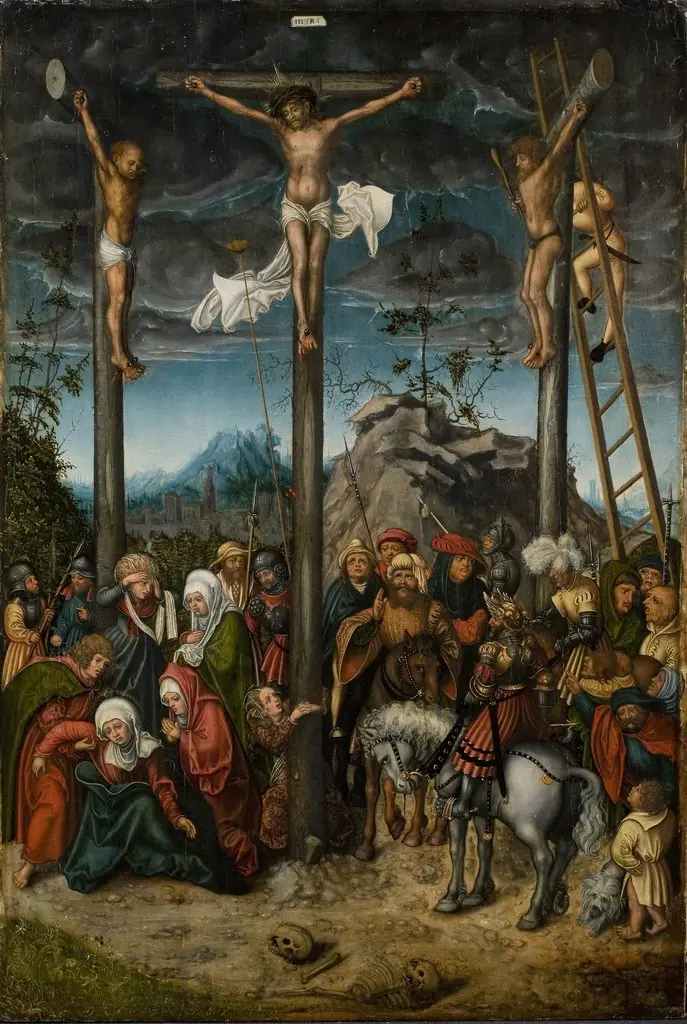 The Crucifixion
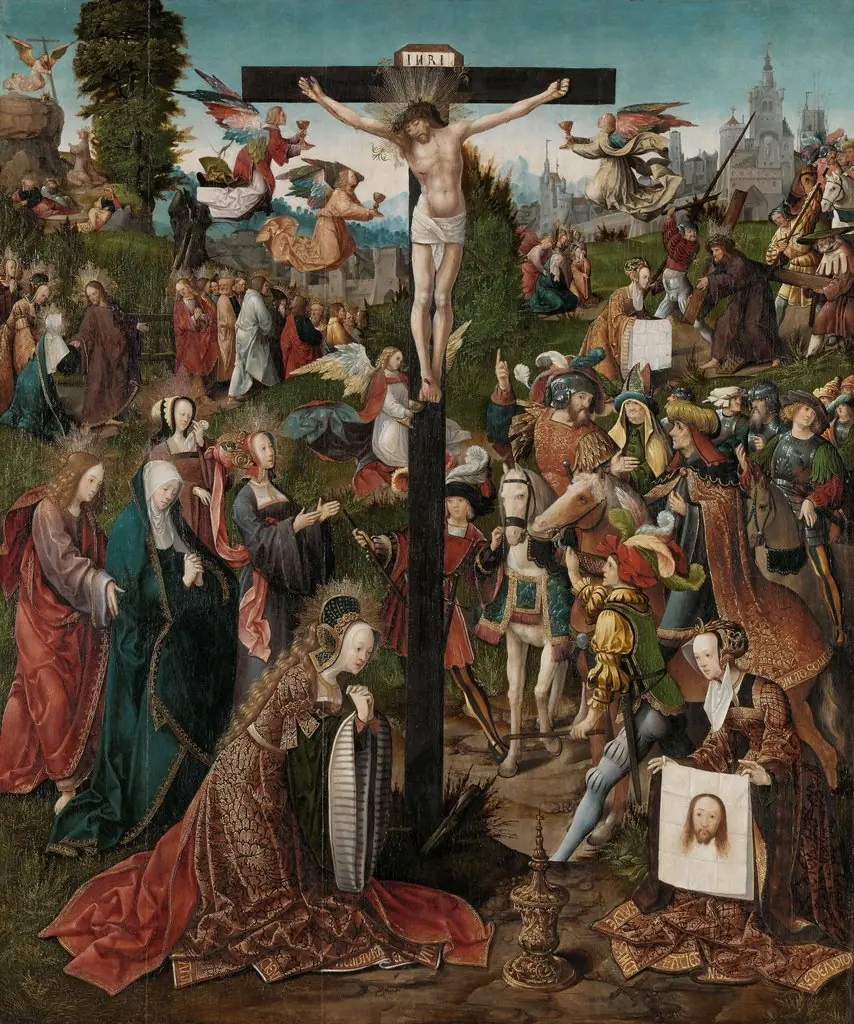 The Crucifixion
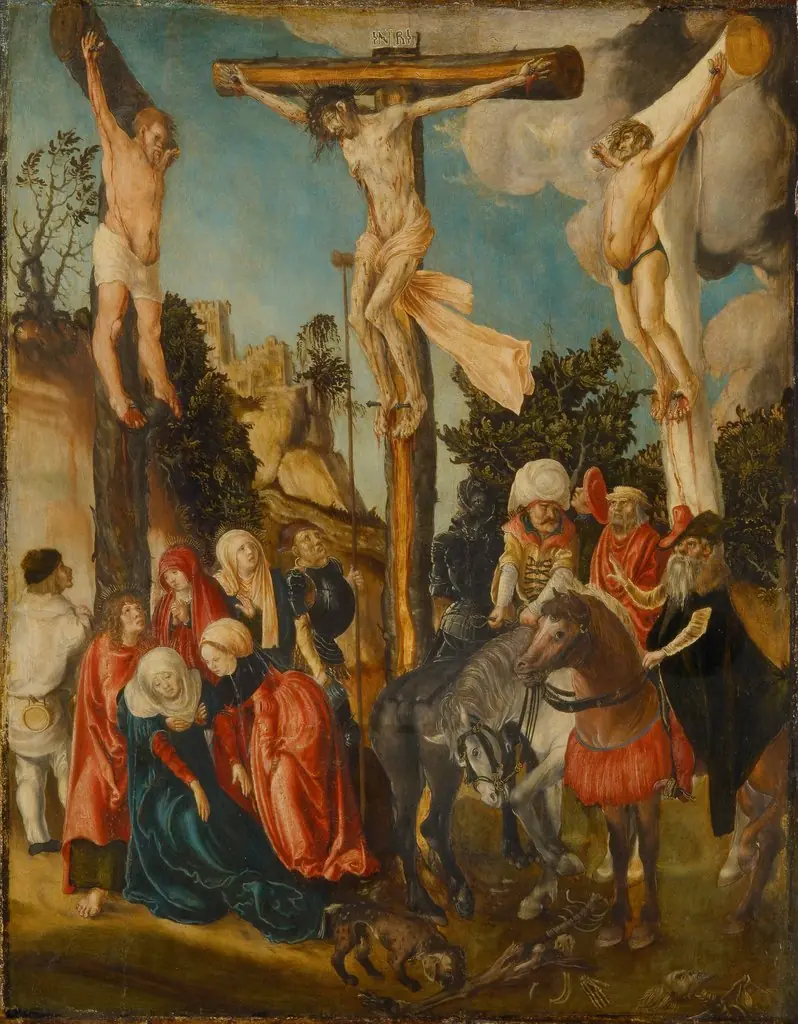 Crucifixion
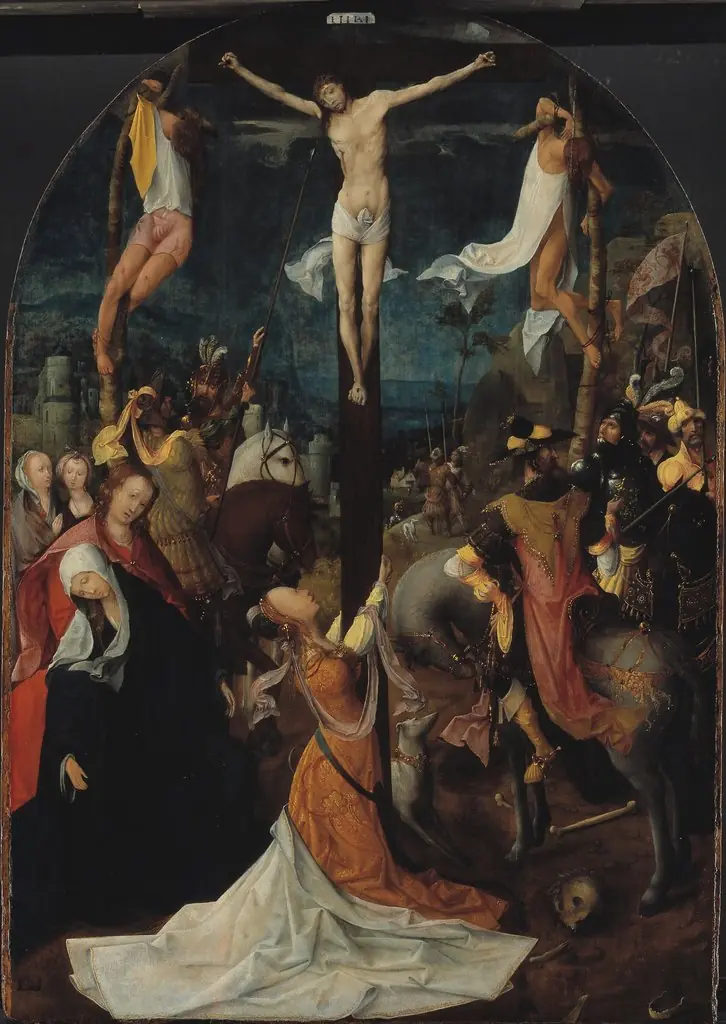 Calvary
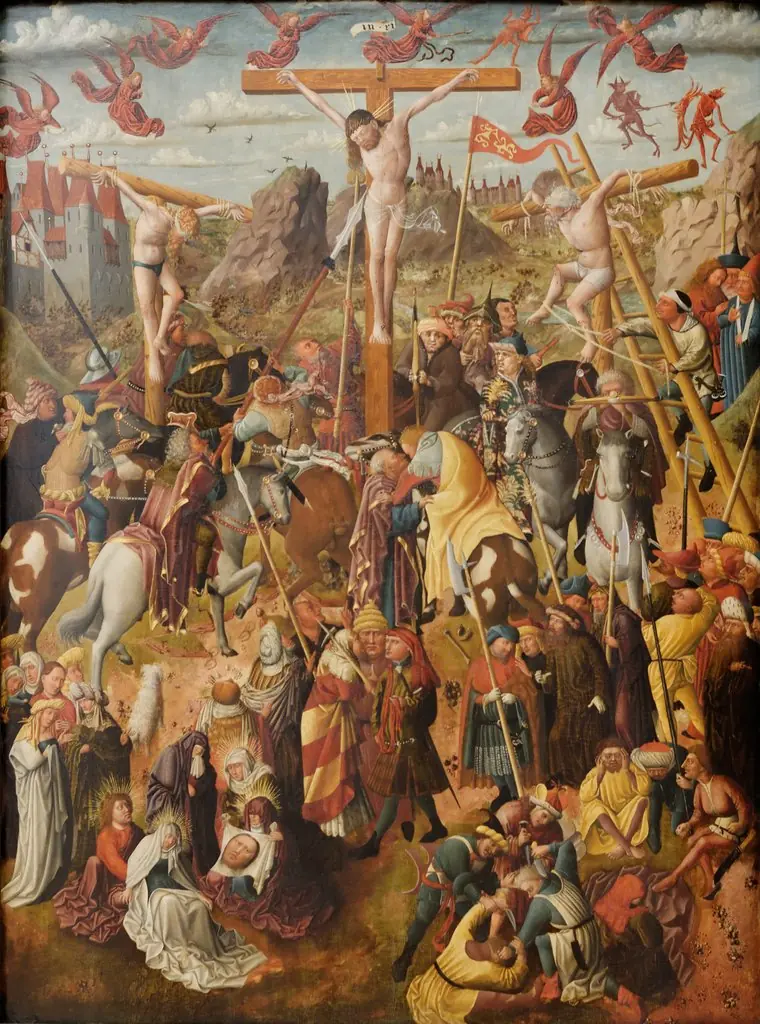 Crucifixion
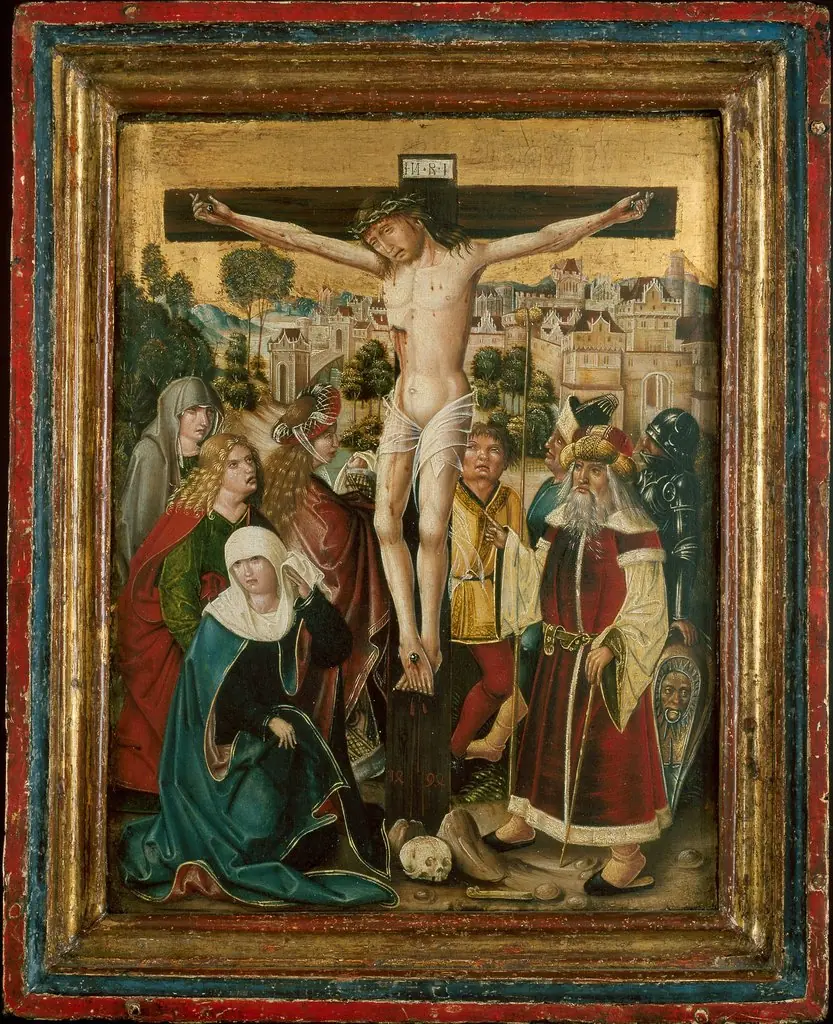 The Crucifixion
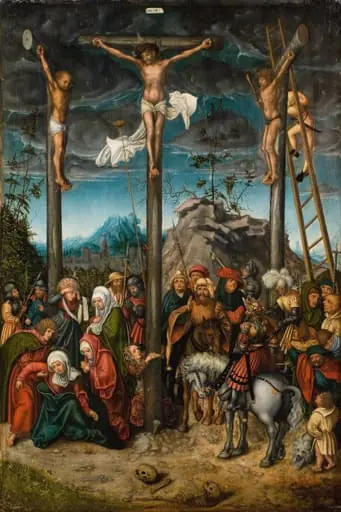 The Crucifixion
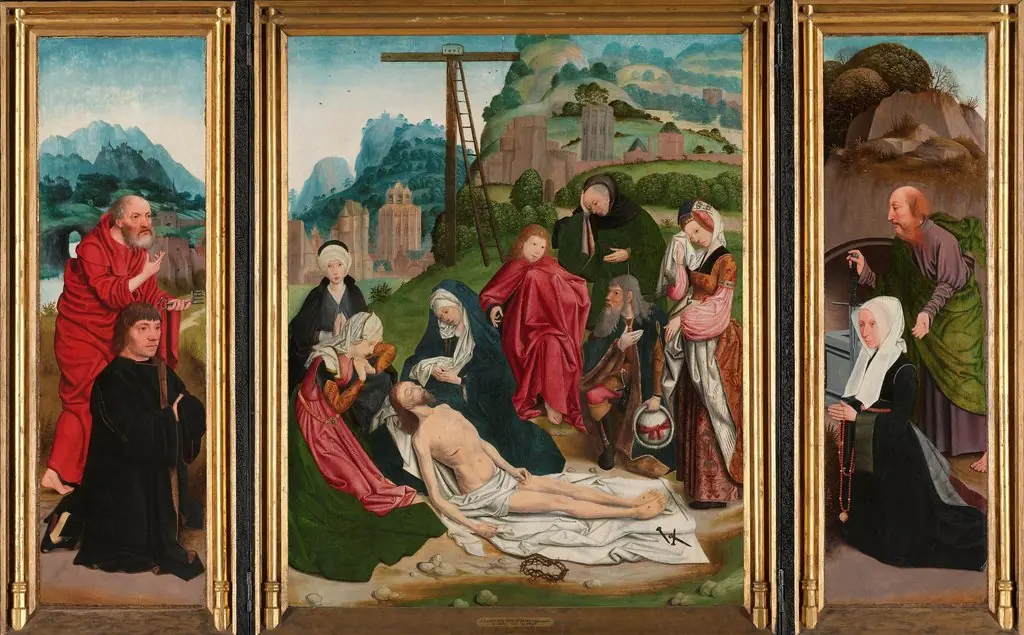 Triptych with the Lamentation (centre panel), the donor with St Peter (inner left wing), the donor’s wife with St Paul (inner right wing) and the donors’ coats of arms (outer wings)
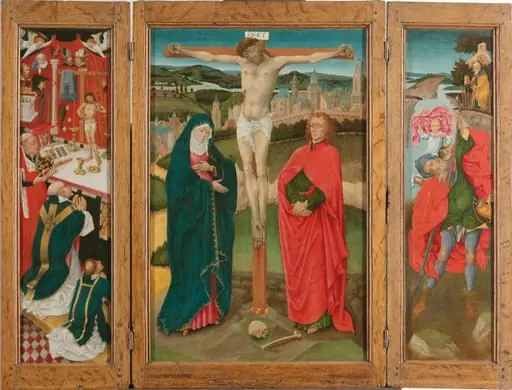 Drieluik met de kruisiging
 Redemption Triptych: The Crucifixion