Artwork
Der Heilige Onophrius
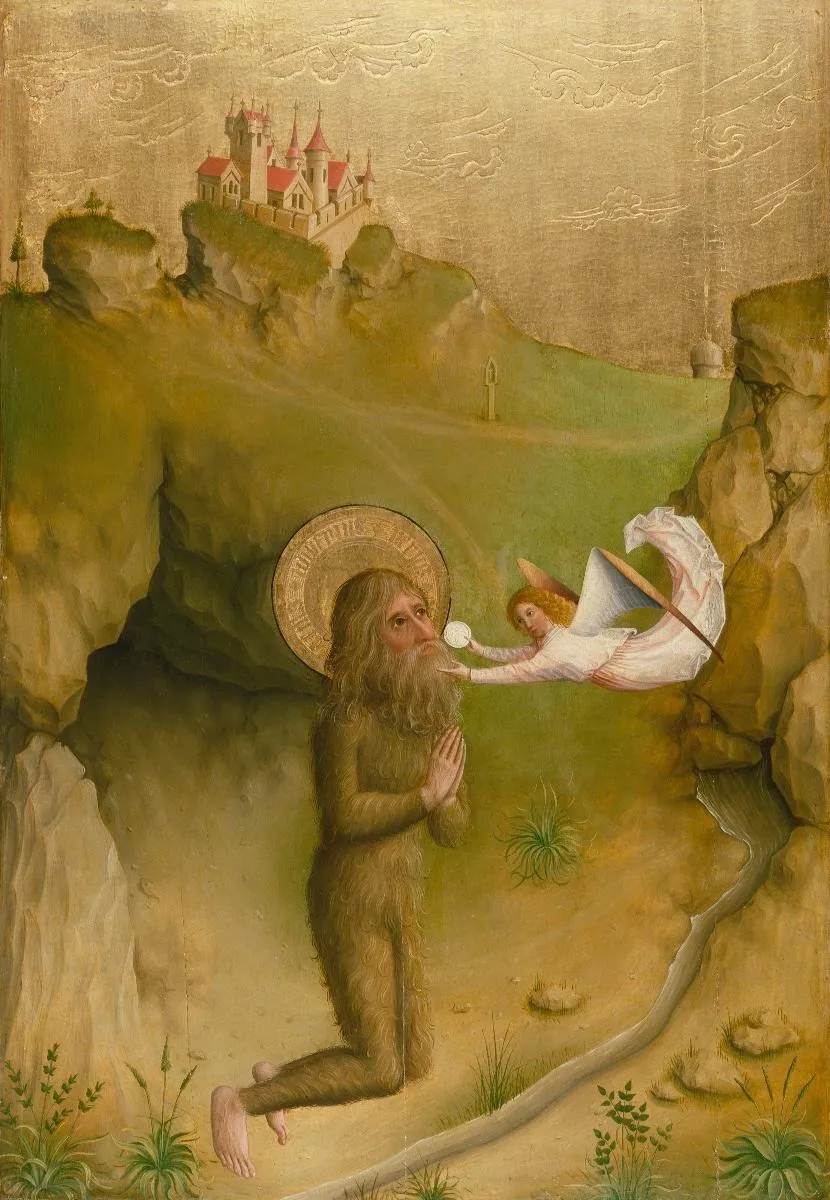
Der Heilige Onophrius is an unspecified painting by the Northern Renaissance artist Master of the Darmstadt Passion. It dates from 1460 and is held in the collection of the Kunsthaus Zürich.
About this work
Overview
The work is part of a small corpus of Northern Renaissance religious paintings attributed to an anonymous artist active in the Rhineland or Lower Rhine region.
Painted around 1460 by the Master of the Darmstadt Passion, this devotional panel depicts Saint Onophrius in prayer within a rocky cave. The work is part of a small corpus of Northern Renaissance religious paintings attributed to an anonymous artist active in the Rhineland or Lower Rhine region. It is currently held in the collection of the Kunsthaus Zürich, where it has been since the early 20th century.
Subject & Meaning
The figure is Saint Onophrius, a 4th-century Egyptian hermit known for ascetic solitude. His kneeling posture and clasped hands convey deep contemplation. The angel above offers a white orb, likely symbolizing divine grace or the Eucharist, reinforcing the theme of spiritual sustenance received in isolation. The scene reflects medieval ideals of monastic devotion and the belief in angelic aid to the devout.
Technique & Style
The artist employs tempera on wood, with fine brushwork defining the saint’s textured beard and the delicate folds of his tunic. Warm ochres and earth tones dominate, creating a quiet, intimate atmosphere. The background landscape, though simplified, includes a distant castle and rolling hills, suggesting a sacred geography. The angel’s form is rendered with subtle luminosity, distinguishing it from the earthly realm.
History & Provenance
The painting’s early history is undocumented, but it likely originated in a private chapel or monastic setting. It entered the Kunsthaus Zürich’s collection in the 1920s, acquired from a private European collection. Its attribution to the Master of the Darmstadt Passion was established through stylistic comparison with other works linked to that anonymous hand, known for expressive figures and restrained color palettes.
Context
Created during a period of growing interest in individual piety, the painting reflects the rise of lay devotion and the veneration of hermit saints in late medieval Europe. Similar images of Onophrius appear in illuminated manuscripts and altarpieces across Germany and the Low Countries, often commissioned for personal meditation. The composition’s intimacy aligns with devotional practices emphasizing direct spiritual encounter.
Legacy
Though not widely known outside specialist circles, the painting exemplifies the quiet intensity of anonymous Northern Renaissance art. It contributes to scholarly understanding of how religious narratives were personalized for private worship. Its preservation in Zürich ensures continued access for study and reflection, preserving a voice from a largely unrecorded artistic tradition.
Artist & collection
Artist
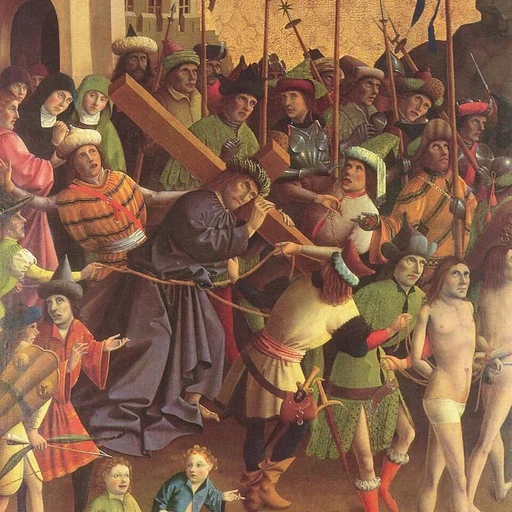
Master of the Darmstadt Passion
This anonymous German painter around 1460 made altarpieces full of bright reds and blues, stiff figures, and tiny gold highlights.

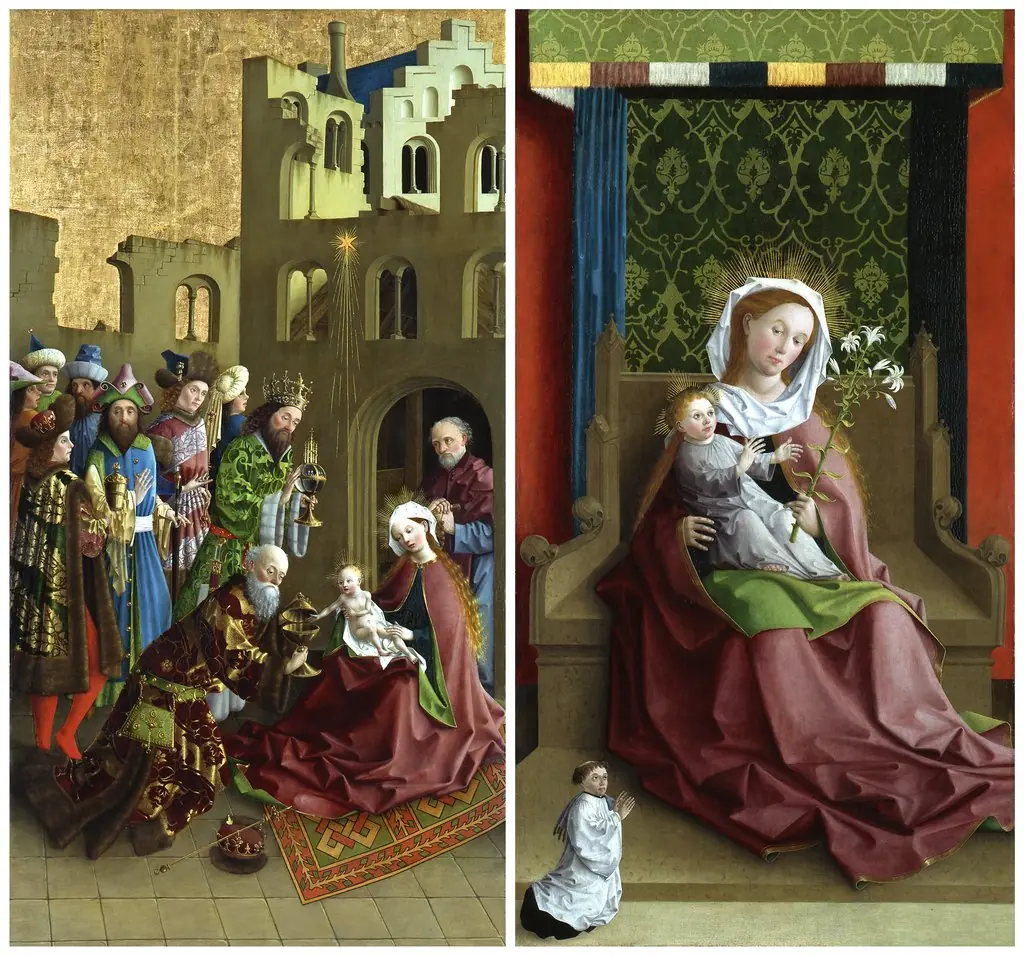 Left Wing of a cross altar, The Adoration of the Magi, Madonna and Child
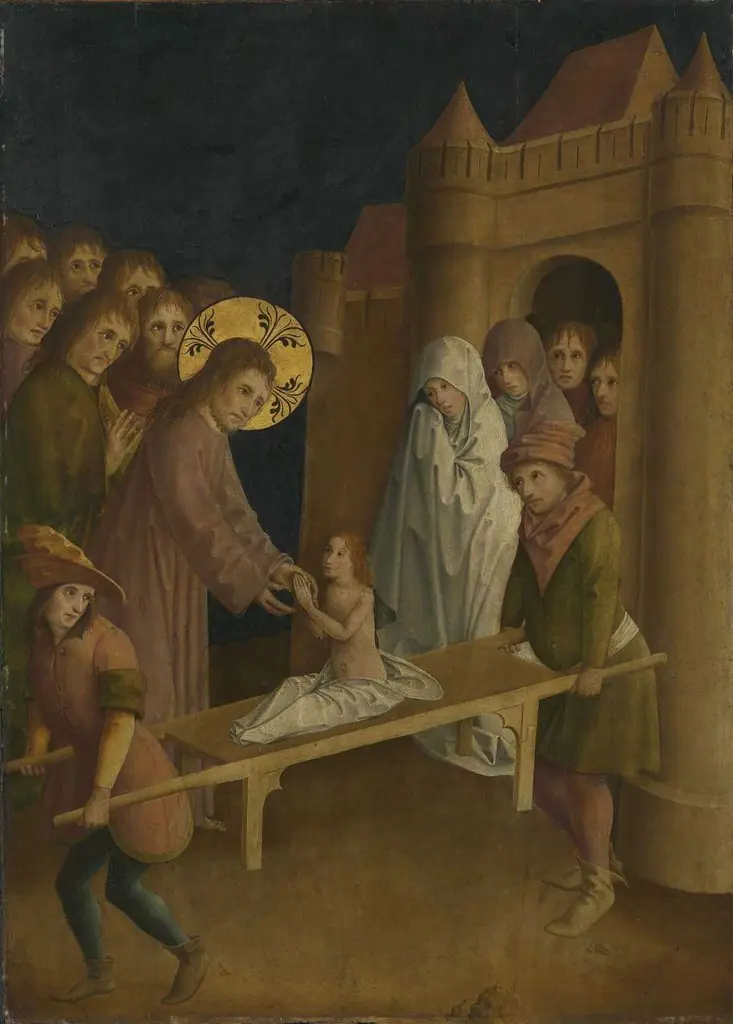 Die Erweckung des Jünglings von Nain
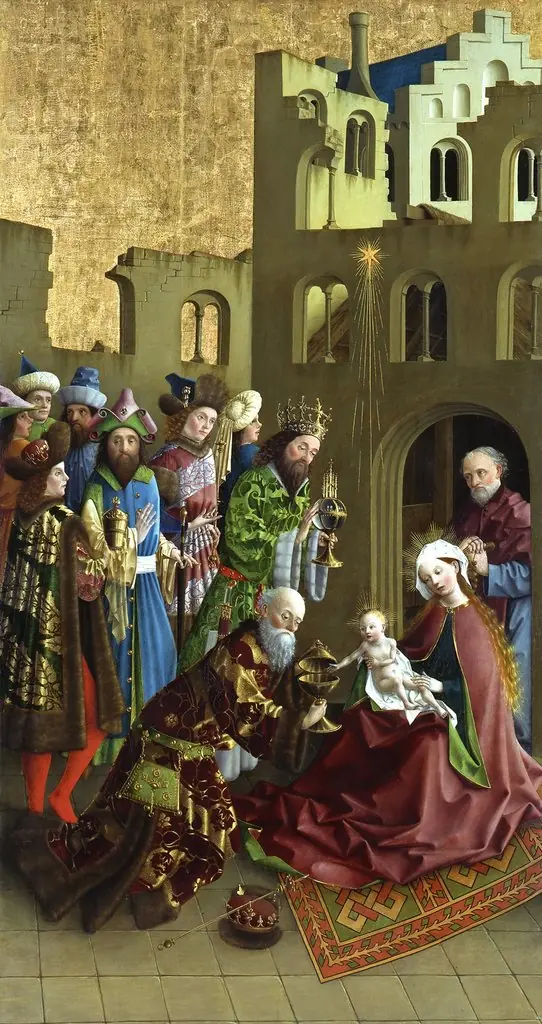 Darmstadt Altarpiece: The Epiphany
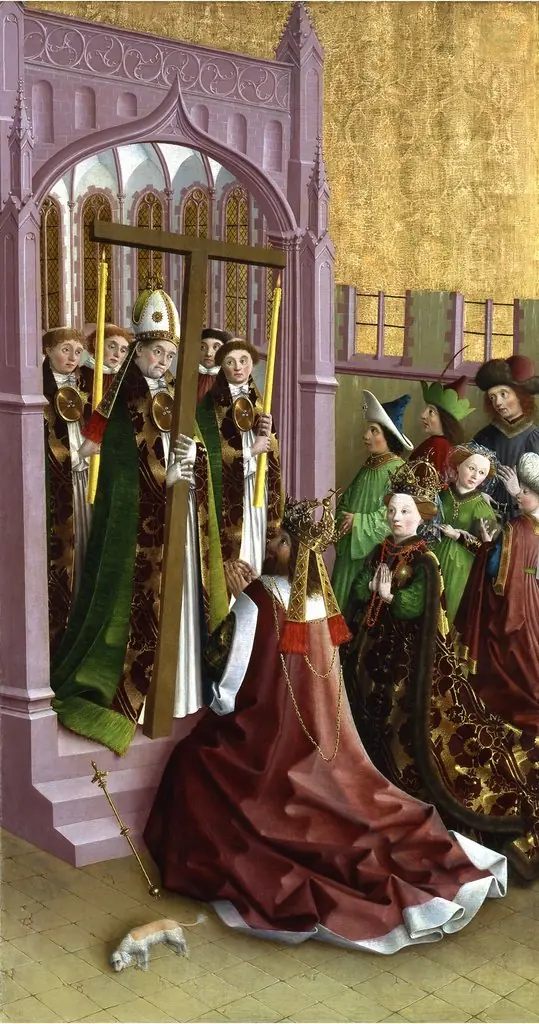 Darmstadt Altarpiece: Constantine and His Mother Helena Venerating the True Cross
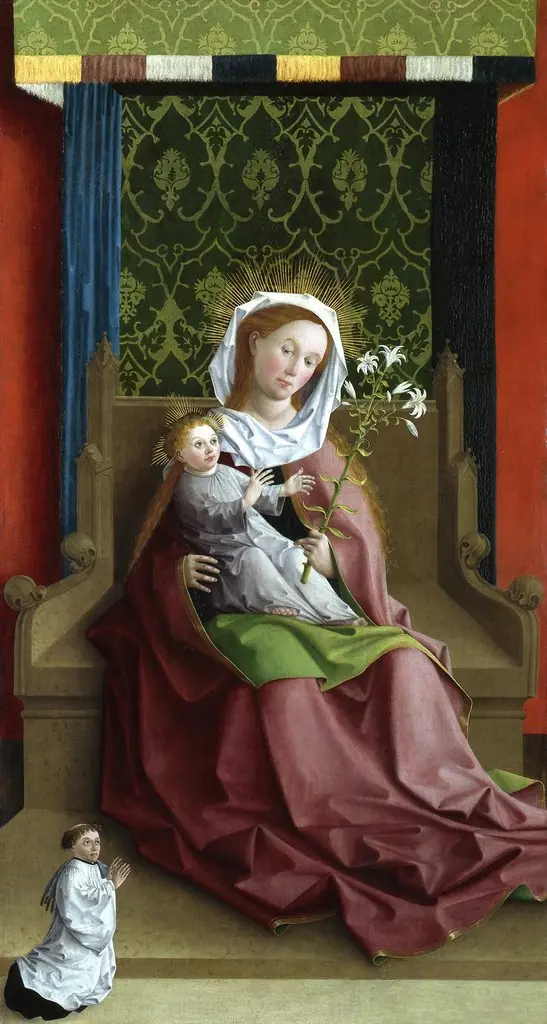 Darmstadt Altarpiece: Virgin and Child Enthroned
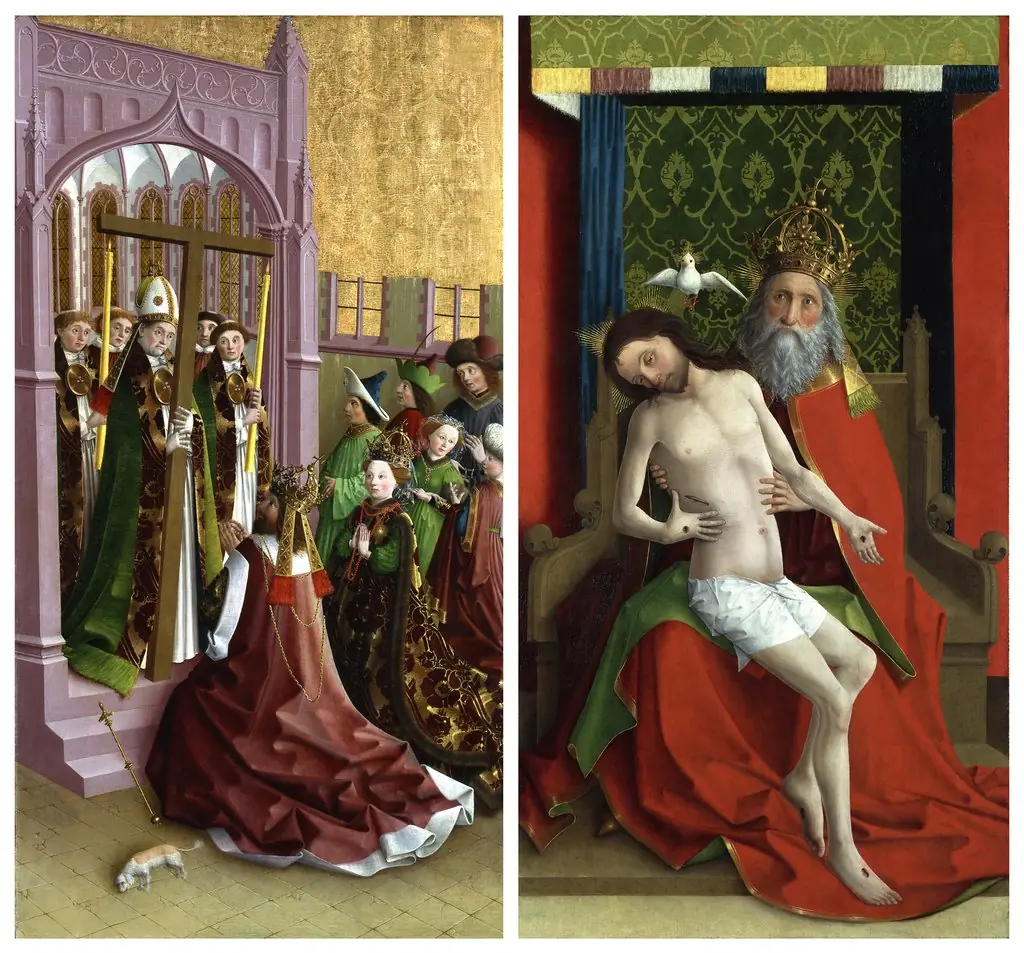 The veneration and dedication of the Holy Cross to the church by Emperor Constantine and his mother Helena
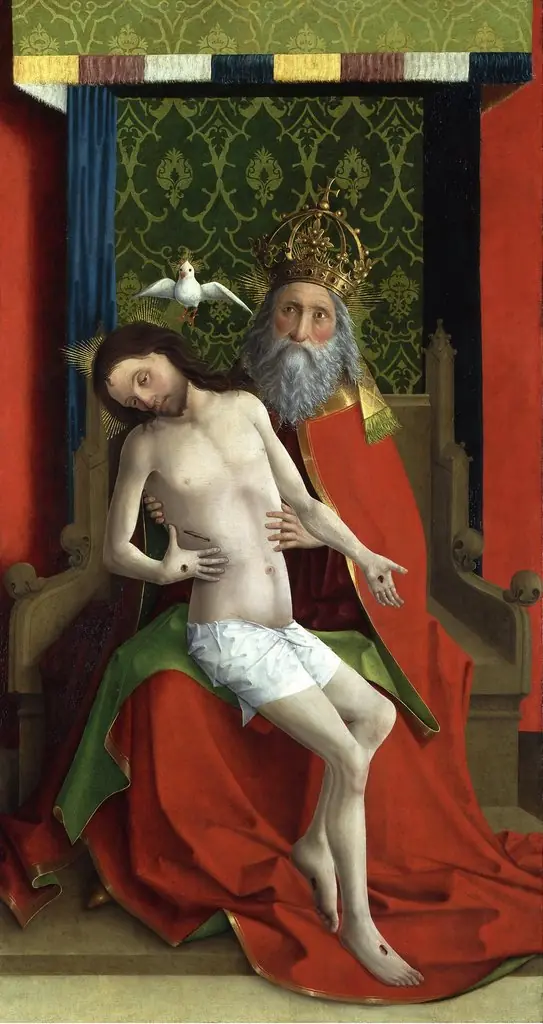 Darmstadt Altarpiece: The Throne of Grace
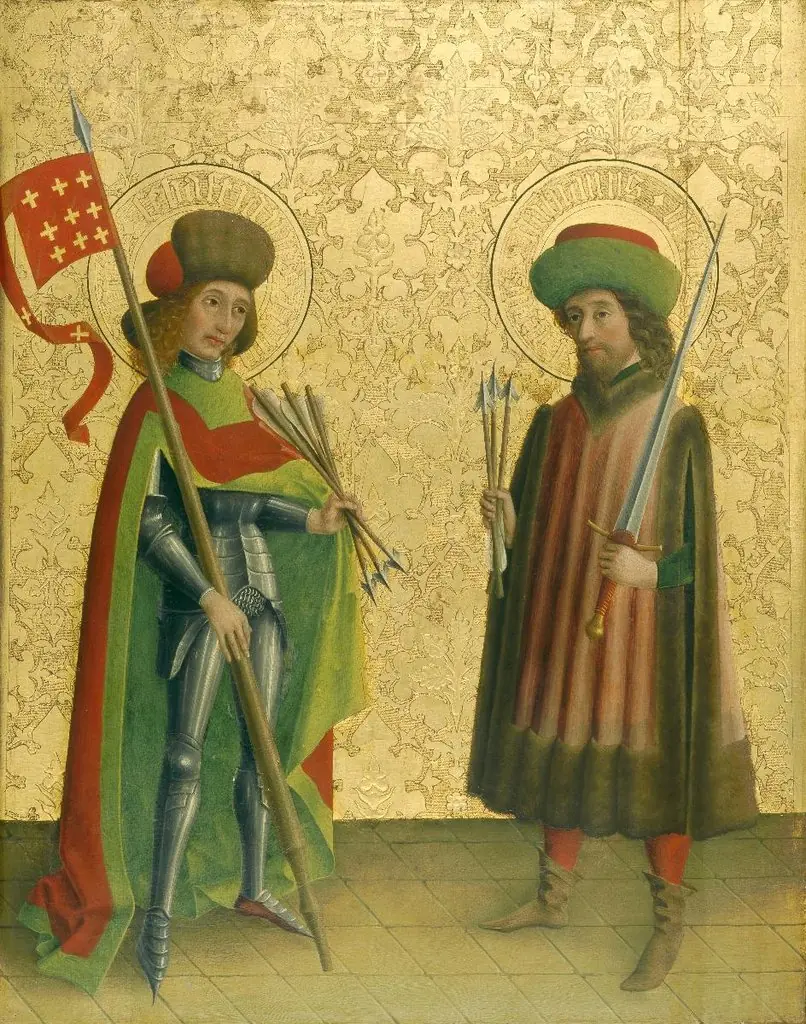 Die Heiligen Sebastian und Fabian
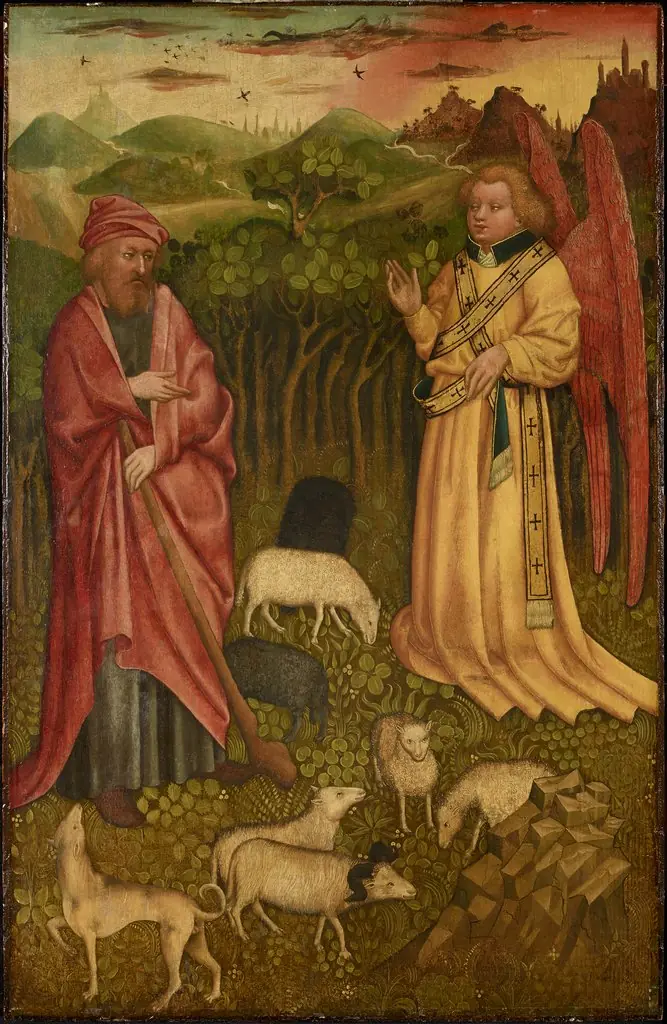 Botschaft des Engels an Joachim
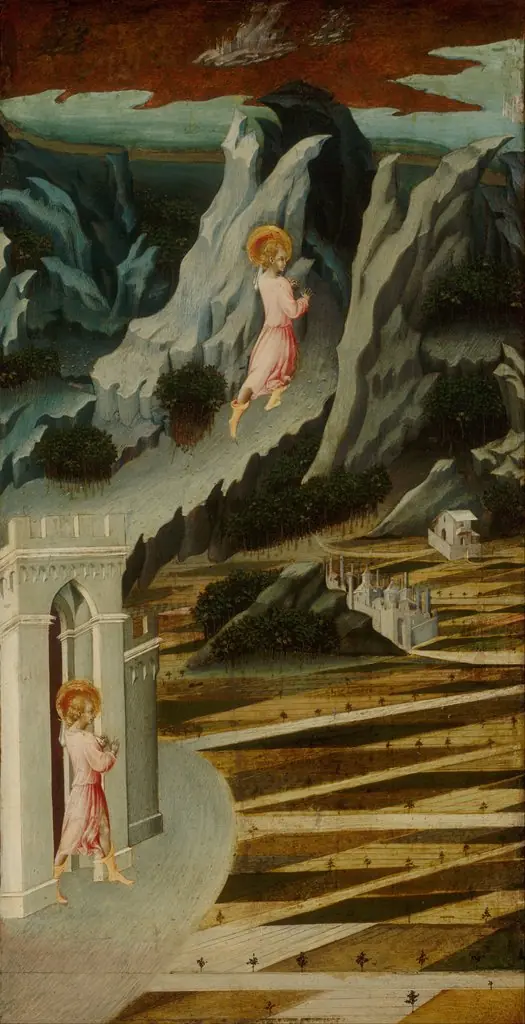 Saint John the Baptist Entering the Wilderness
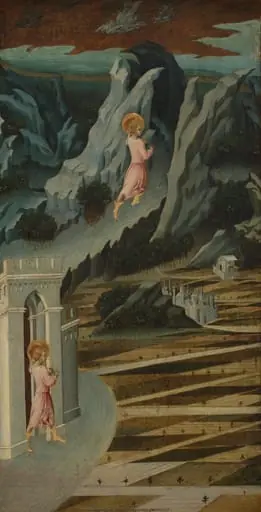 Saint John the Baptist Entering the Wilderness
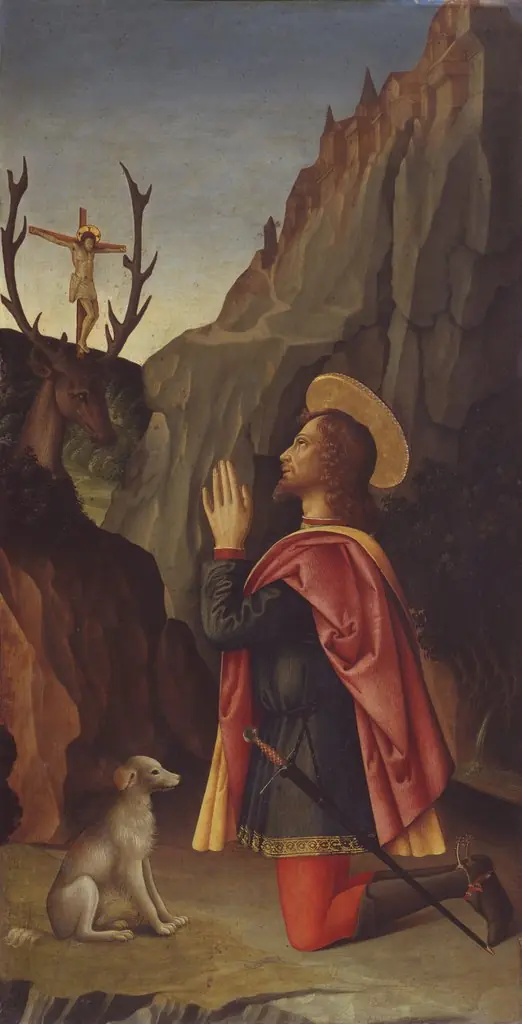 St. Eustace
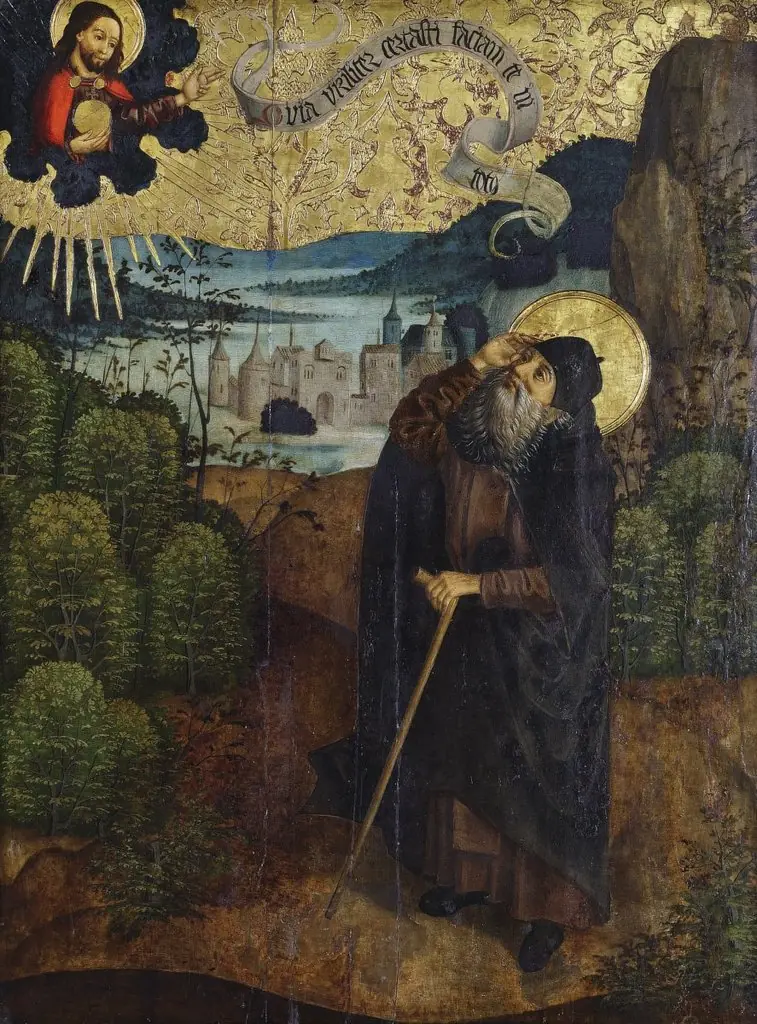 Vision of St. Anthony the Hermit, detail of an altar wing from the Church of Saint Anthony in Szepesbéla (today Spišská Belá, Slovakia)
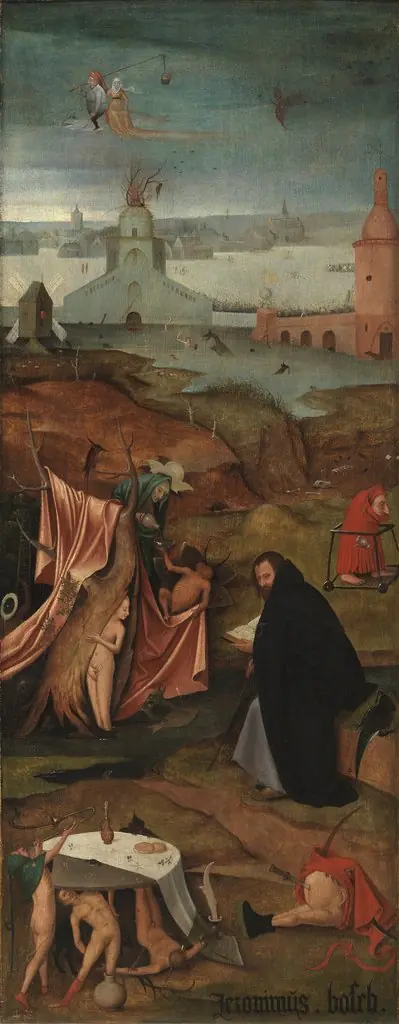 The Temptations of Saint Anthony
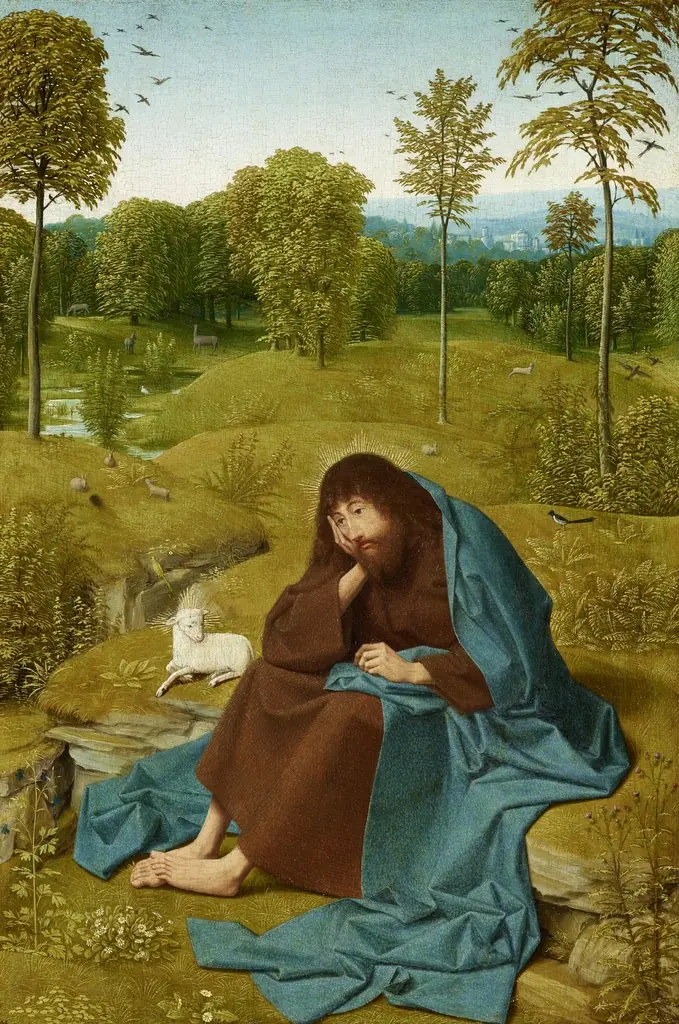 John the Baptist in the Wilderness
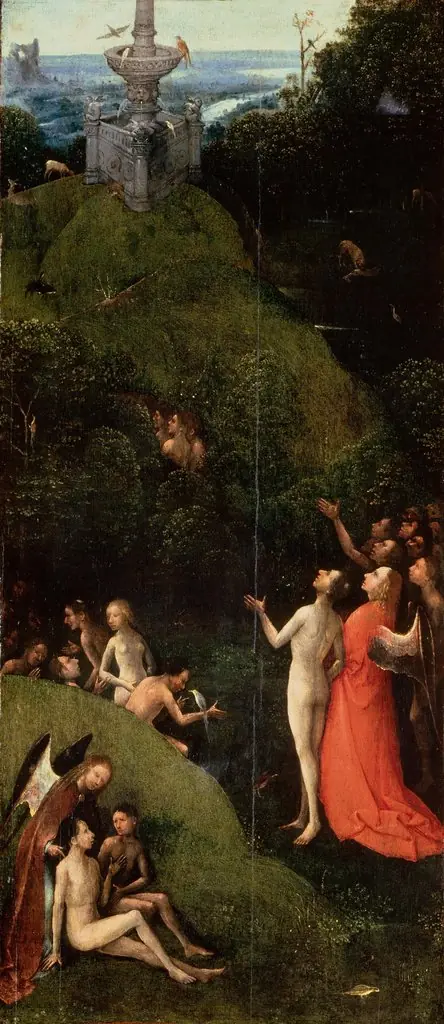 Visions of the Hereafter: Terrestrial Paradise
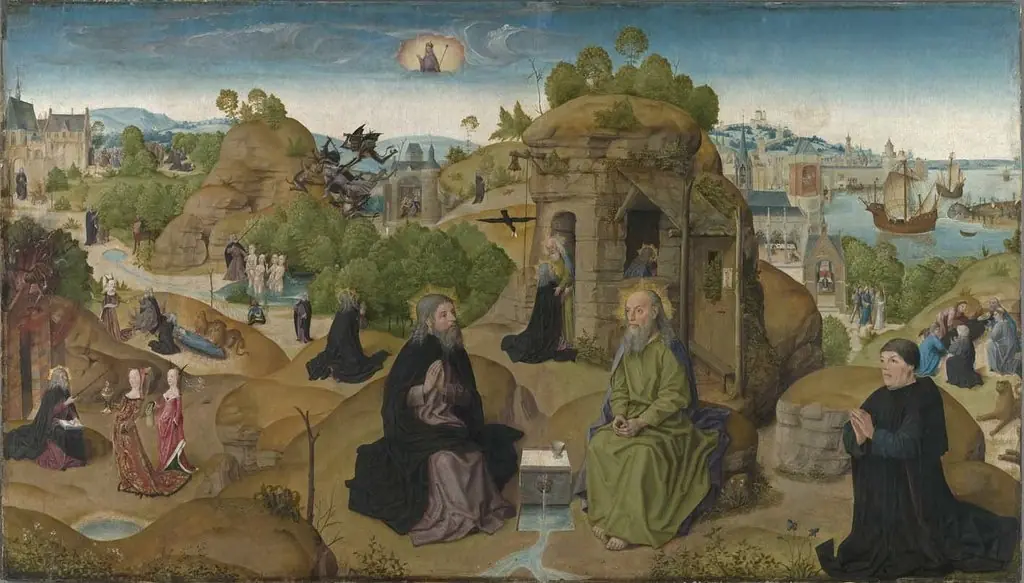 Legend of the Holy Ermite Anthony
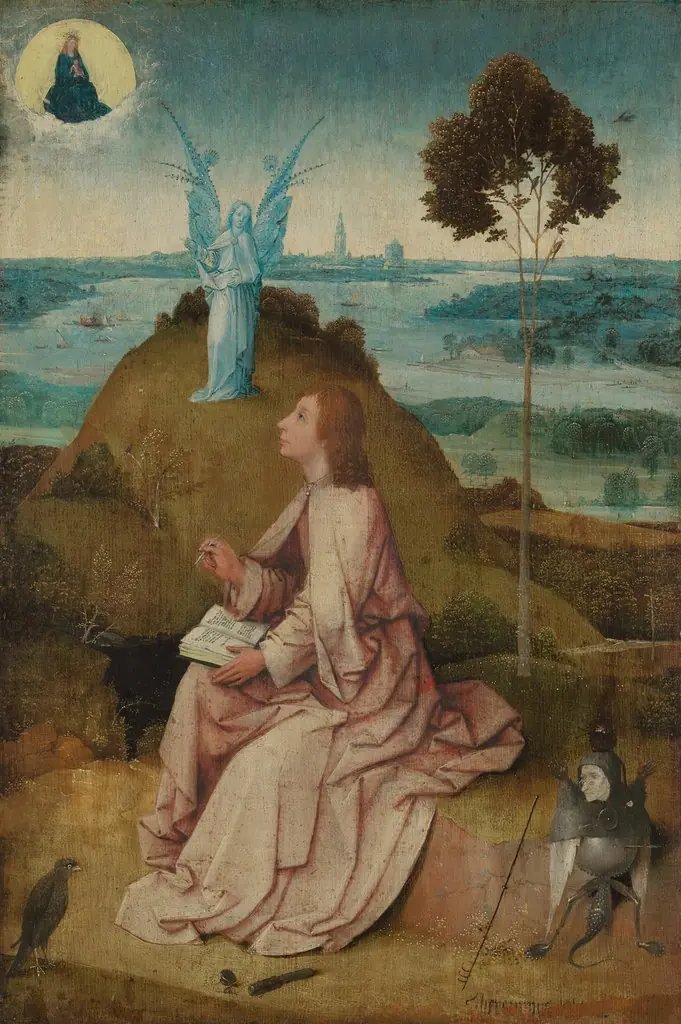 St. John on Patmos
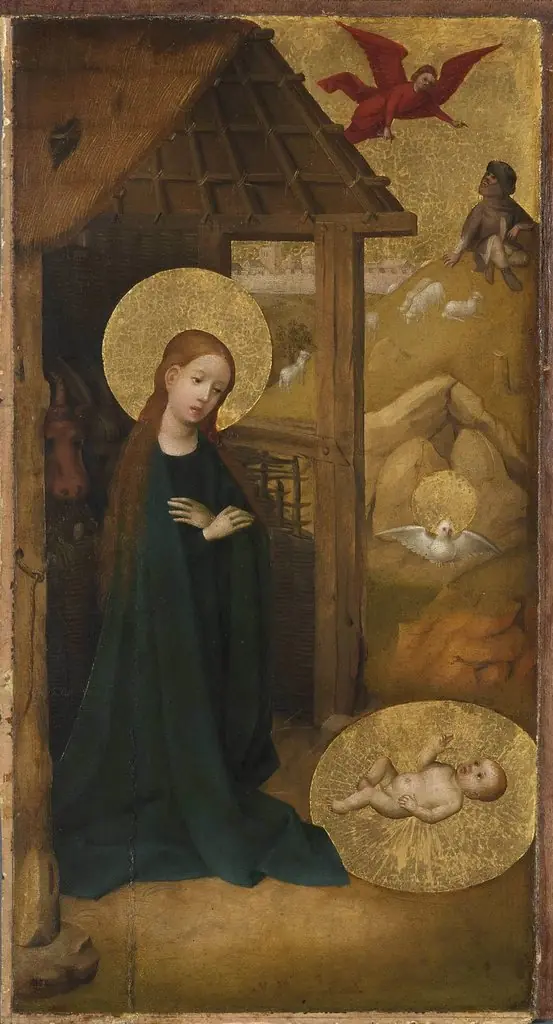 Nativiti (altar piece, with the Cucifixion op Saint Peter and a martyr as outer parts)
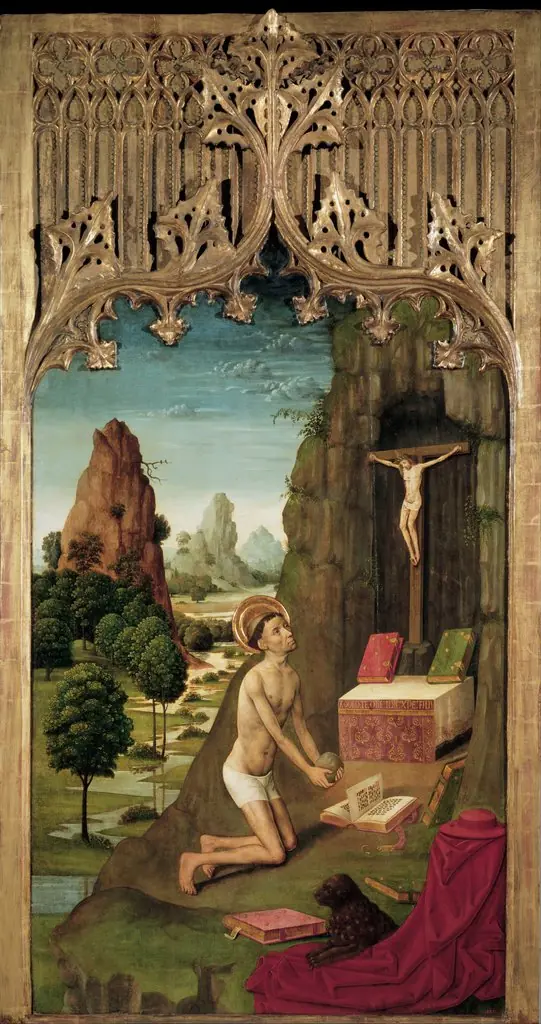 Saint Jerome Penitent