Artwork
The veneration and dedication of the Holy Cross to the church by Emperor Constantine and his mother Helena
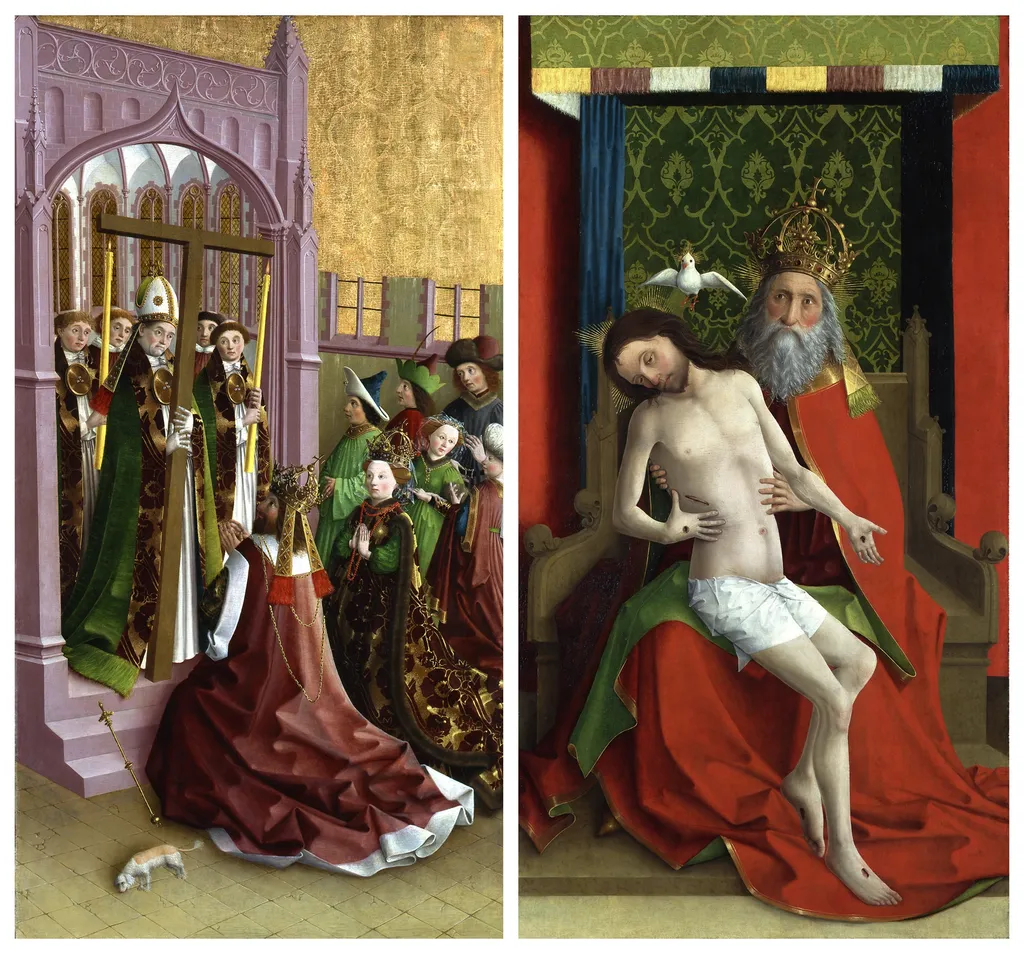
The veneration and dedication of the Holy Cross to the church by Emperor Constantine and his mother Helena is a paint painting by the Northern Renaissance artist Master of the Darmstadt Passion. It dates from 1460 and is held in the collection of the Gemäldegalerie Berlin.
About this work
Overview
Created around 1460, this painted panel by the anonymous Master of the Darmstadt Passion depicts a dual narrative of devotion. The work is part of the collection of the Gemäldegalerie in Berlin and measures in a format typical of late medieval devotional panels, employing vivid pigments and intricate detailing.
Subject & Meaning
The left side presents a ceremonial gathering where a woman in a red dress kneels before a large golden cross, supported by a figure in a green robe, suggesting the dedication of the Holy Cross. The right side shows a crowned ruler on a throne holding a naked, long‑haired figure crowned with thorns, evoking the suffering of Christ and the imperial patronage of the relic.
Technique & Style
Executed in oil or tempera on panel, the painting displays the rich coloration and ornamental gold patterns characteristic of mid‑15th‑century Northern European art. The figures are rendered in elaborate costume, with careful attention to folds and textures, while the background’s red and green fields create a striking contrast that highlights the central icons.
History & Provenance
Attributed to the Master of the Darmstadt Passion, an anonymous workshop active in the Germanic regions, the panel entered the Gemäldegalerie Berlin’s holdings through 19th‑century acquisitions. Its provenance prior to museum ownership remains undocumented, typical of many works from this period.
Context
The composition reflects the theological emphasis on the veneration of the True Cross promoted by Emperor Constantine and his mother Helena, whose legendary discovery of the relic was a popular subject in late medieval devotional imagery. The dual scenes combine imperial authority with Christ’s Passion, linking earthly power to sacred sacrifice.
Artist & collection
Artist
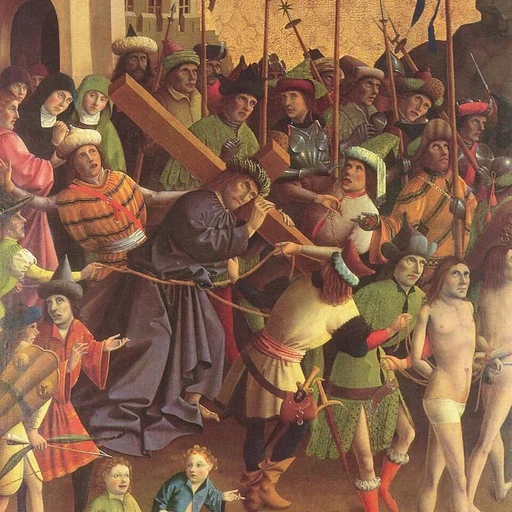
Master of the Darmstadt Passion
This anonymous German painter around 1460 made altarpieces full of bright reds and blues, stiff figures, and tiny gold highlights.

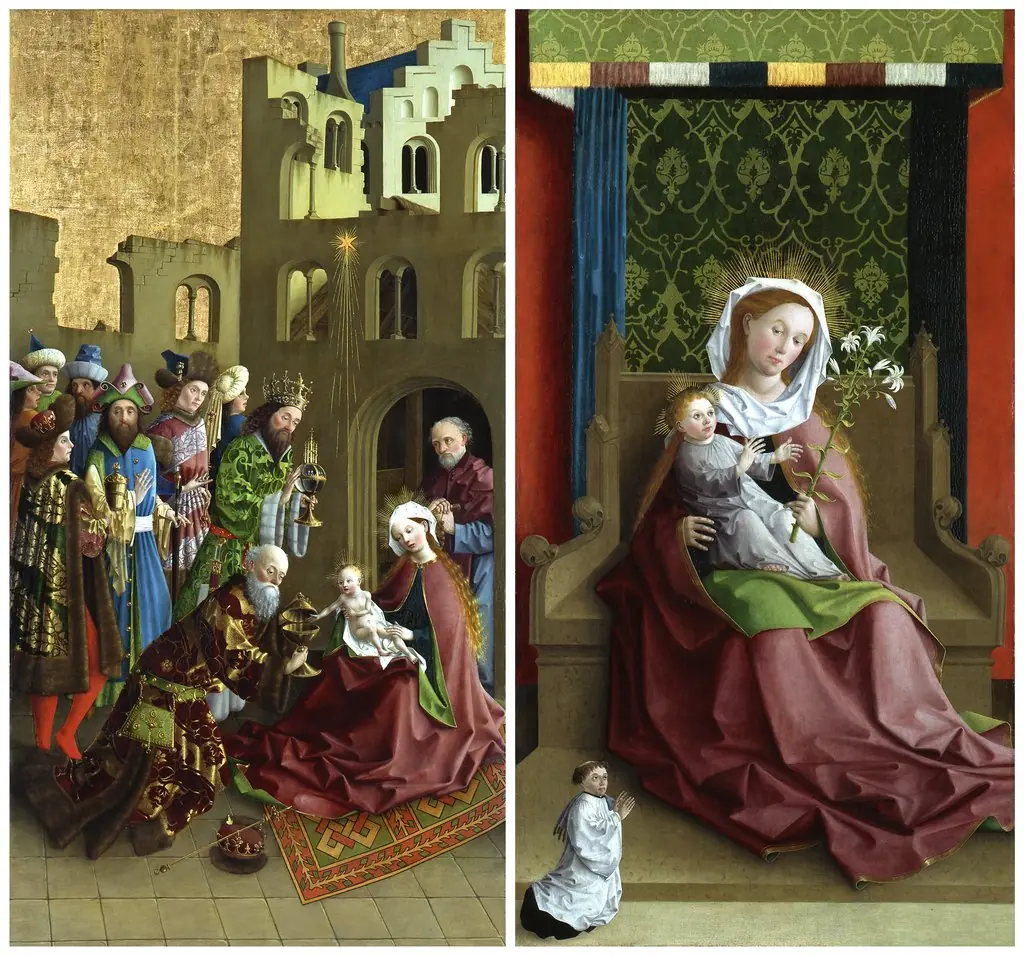 Left Wing of a cross altar, The Adoration of the Magi, Madonna and Child
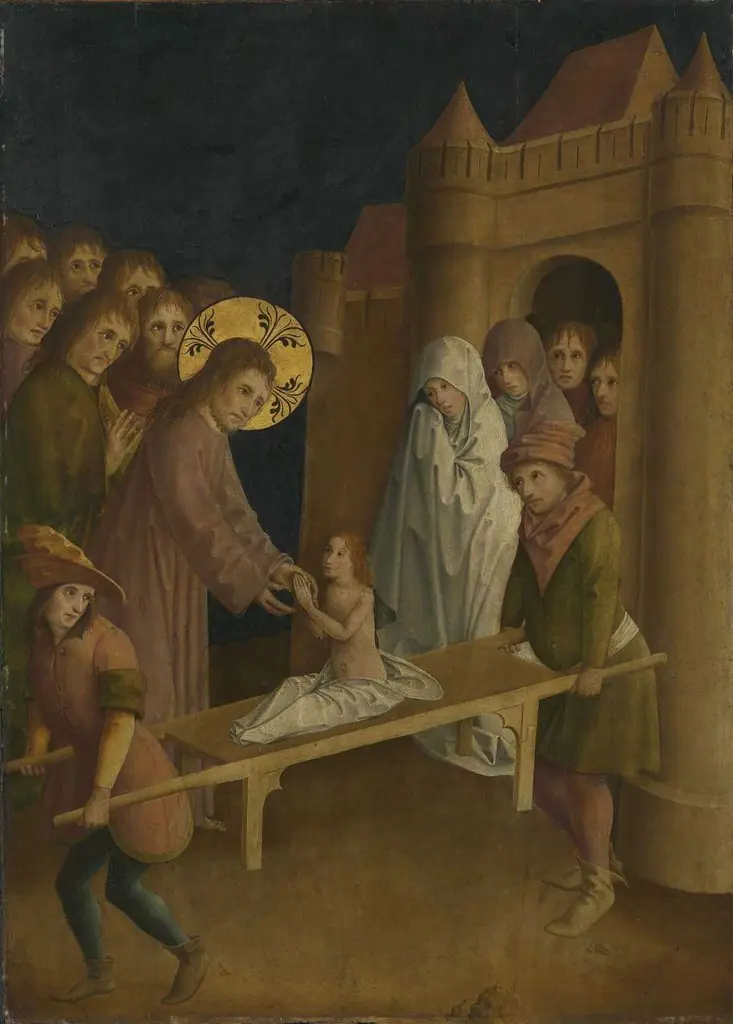 Die Erweckung des Jünglings von Nain
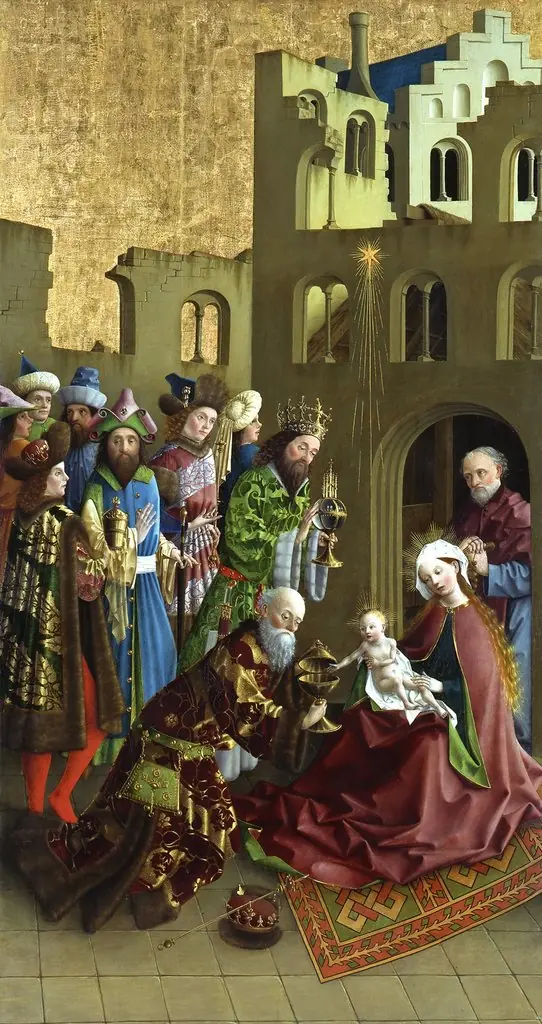 Darmstadt Altarpiece: The Epiphany
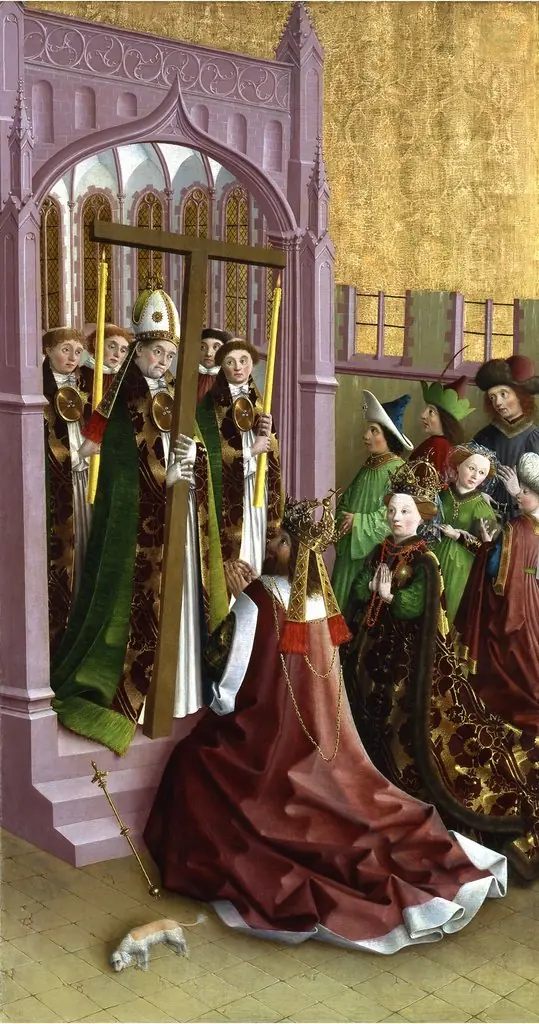 Darmstadt Altarpiece: Constantine and His Mother Helena Venerating the True Cross
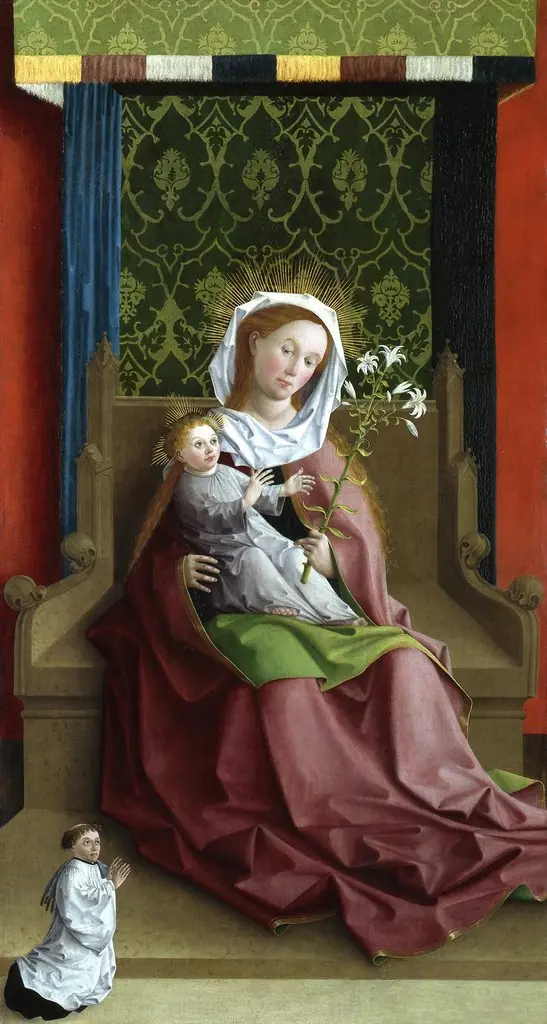 Darmstadt Altarpiece: Virgin and Child Enthroned
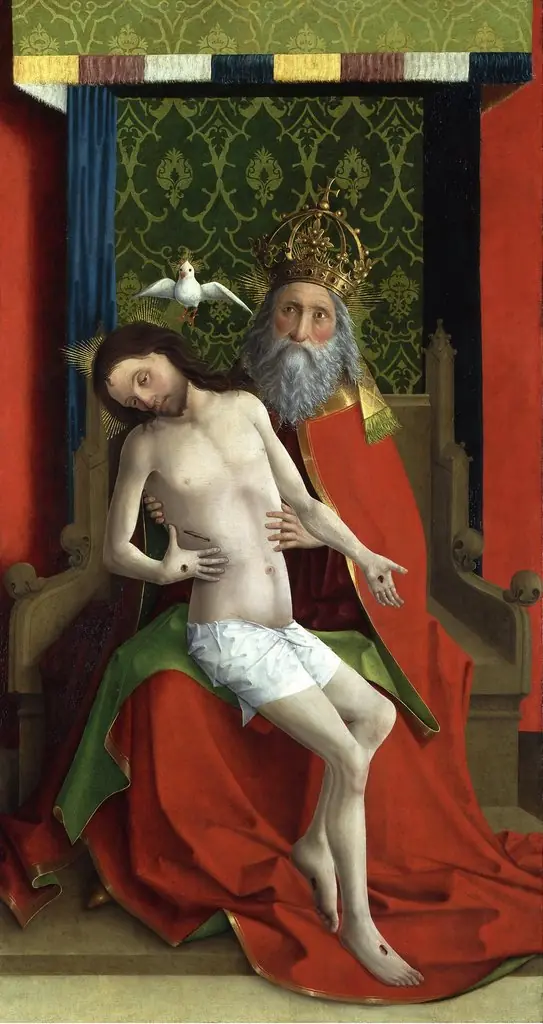 Darmstadt Altarpiece: The Throne of Grace
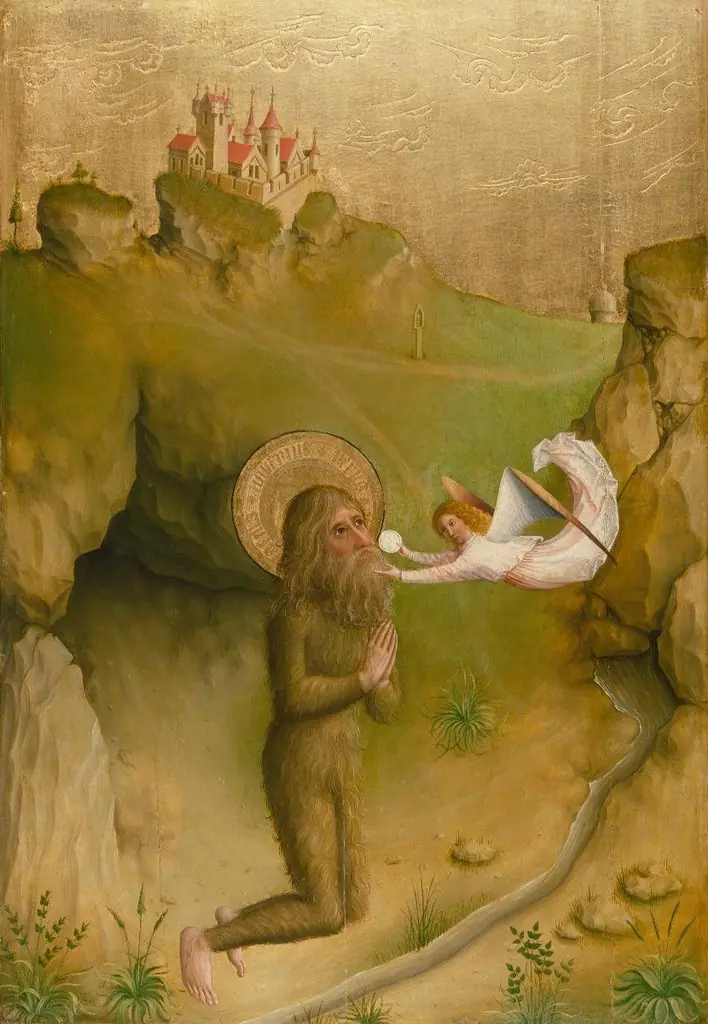 Der Heilige Onophrius
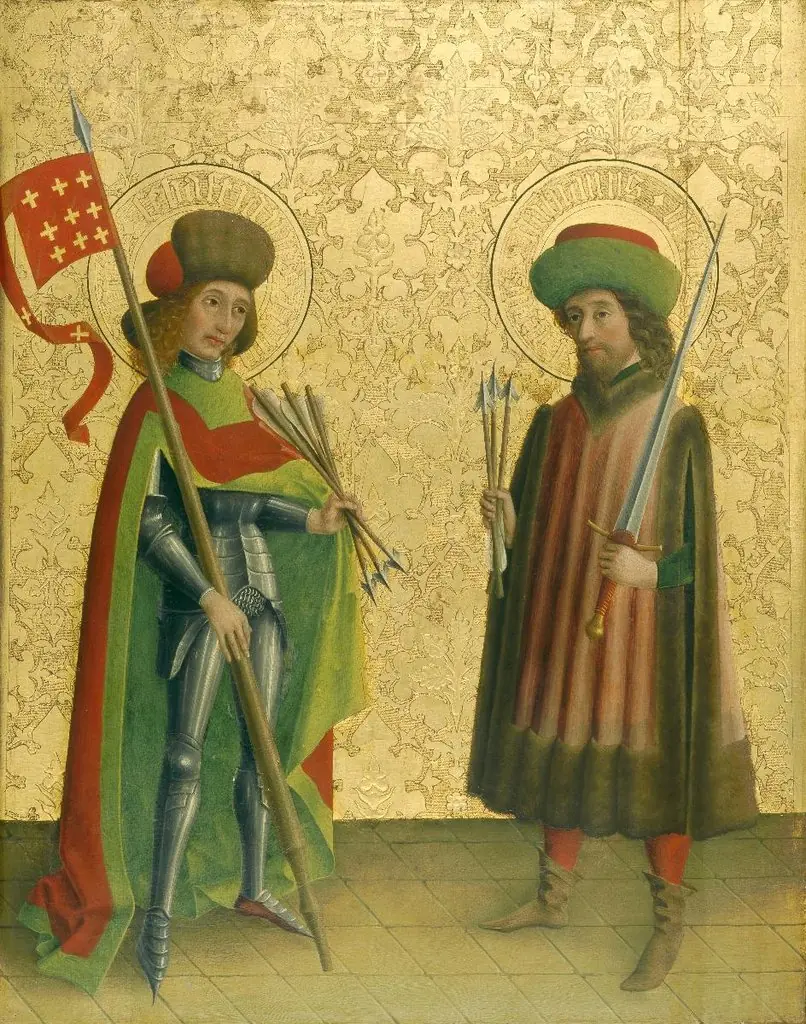 Die Heiligen Sebastian und Fabian
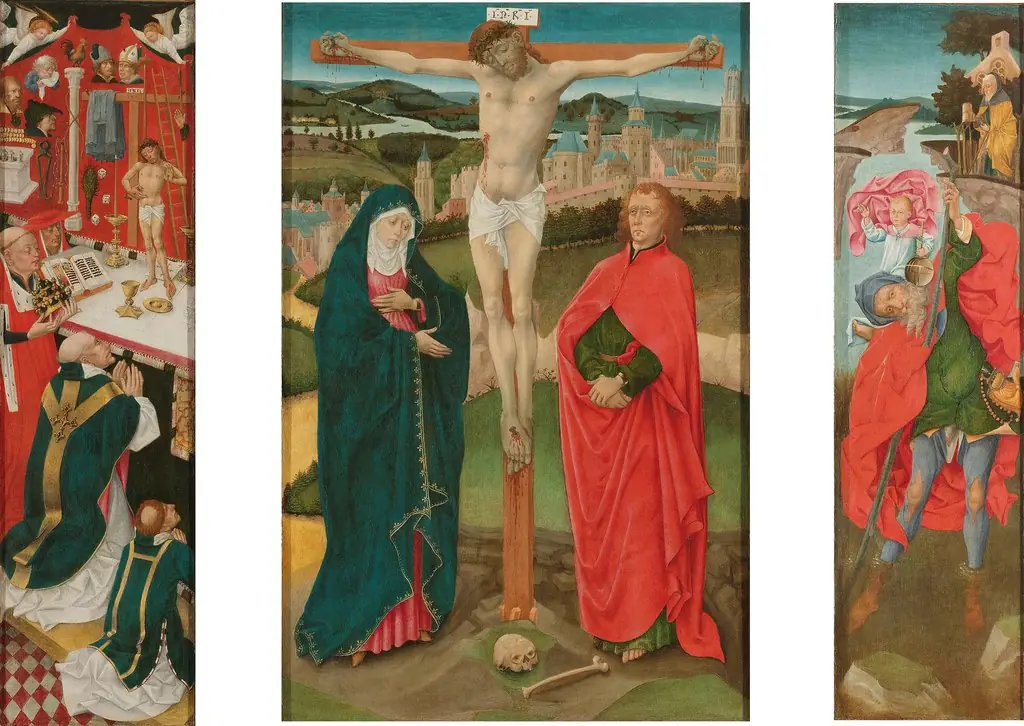 Triptych with the Crucifixion
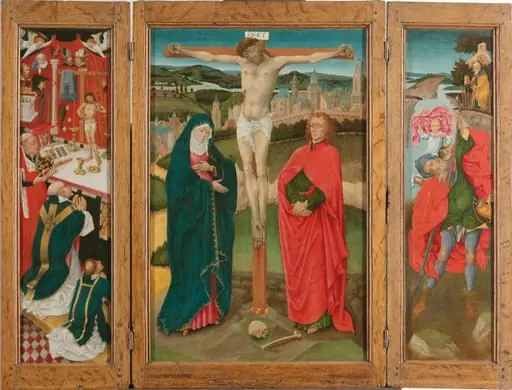 Drieluik met de kruisiging
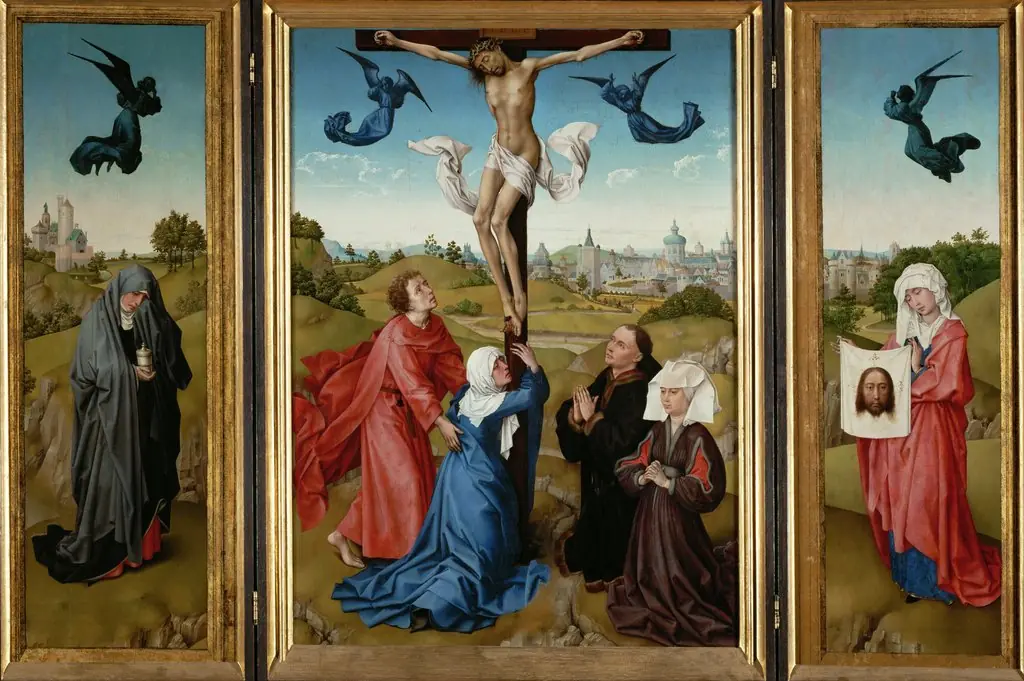 Crucifixion Triptych
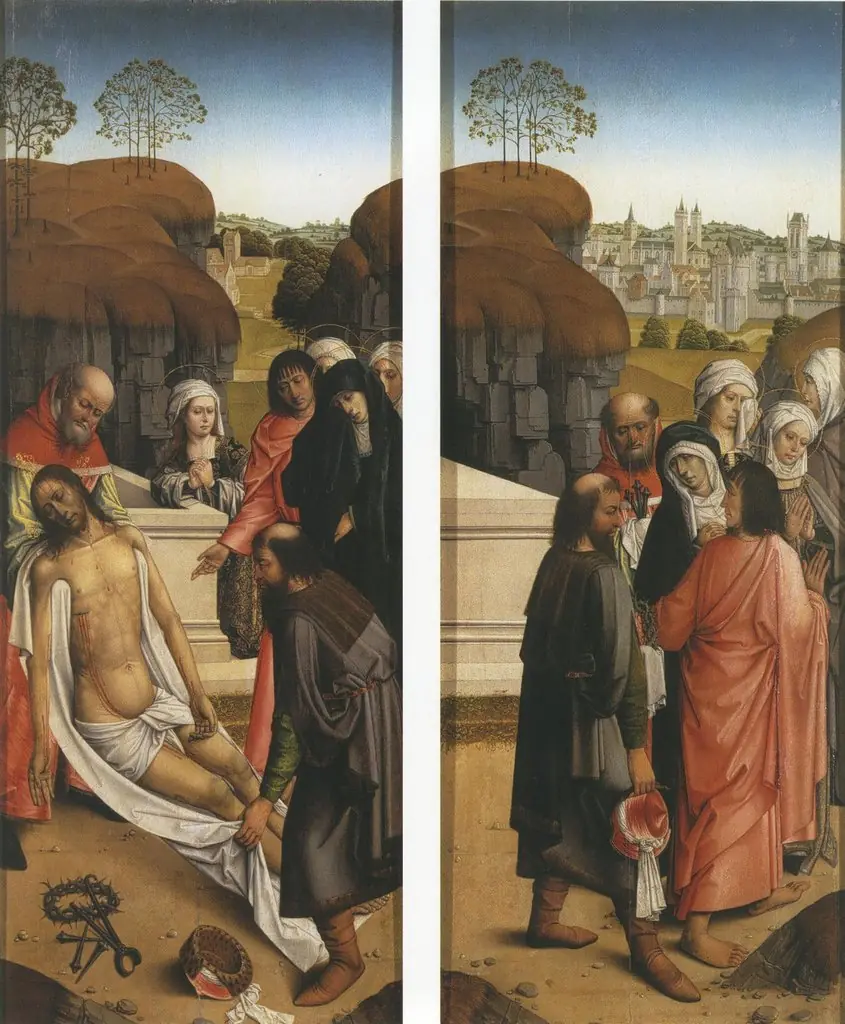 De graflegging (links), Maria, Johannes de Evangelist, Jozef van Arimatea, Nicodemus en de drie Maria's verlaten het graf (rechts)
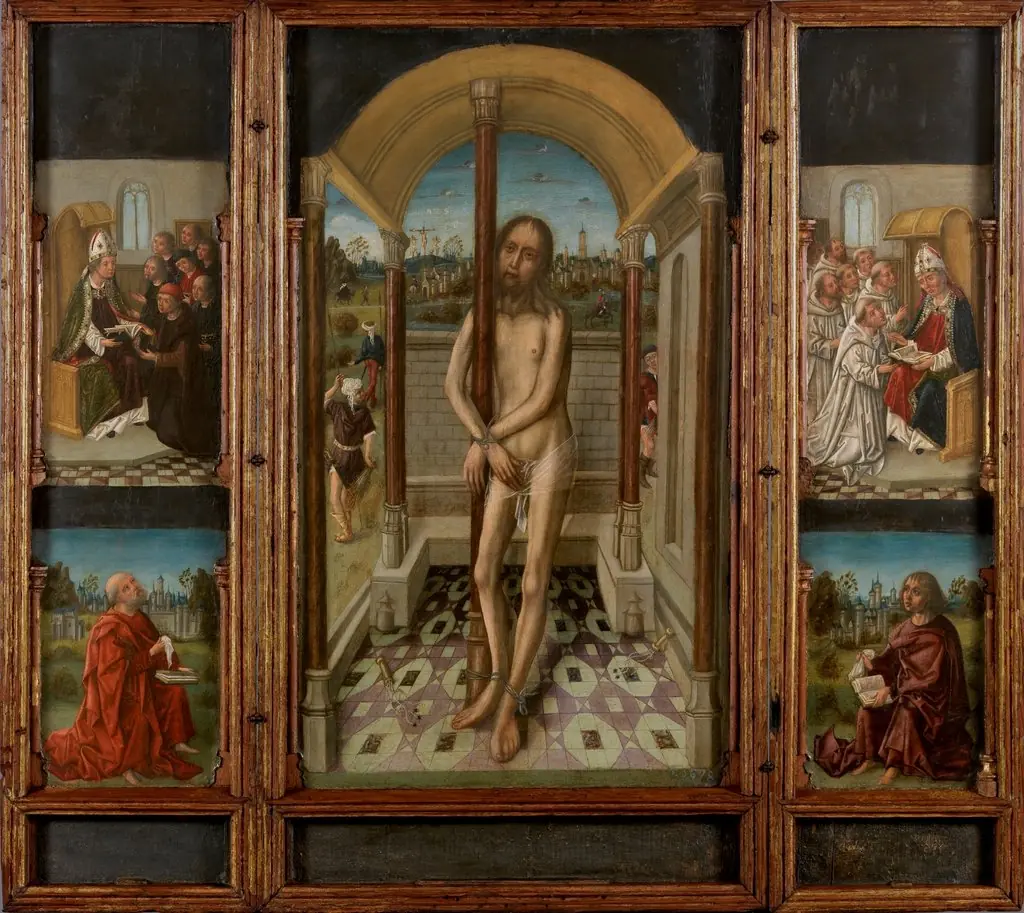 Tríptico de la Flagelación
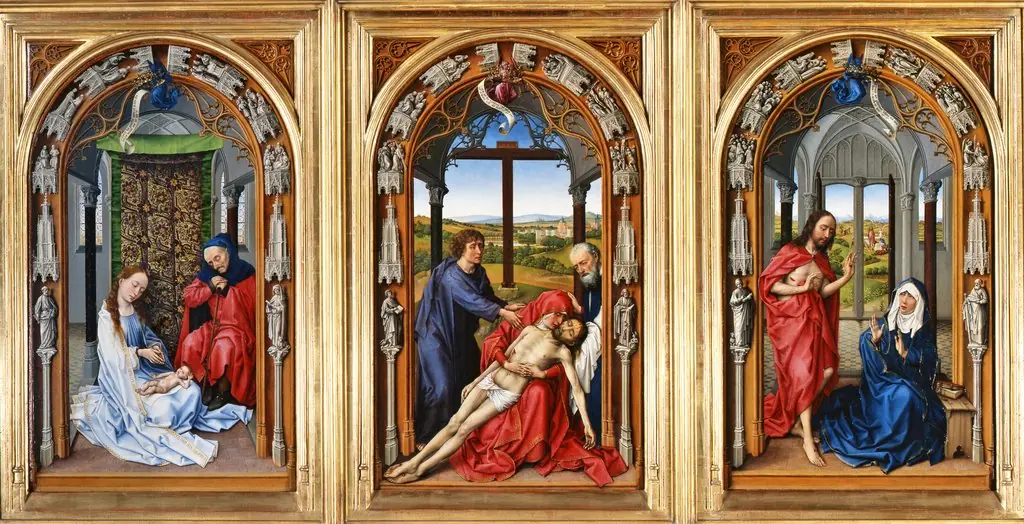 Miraflores Altarpiece
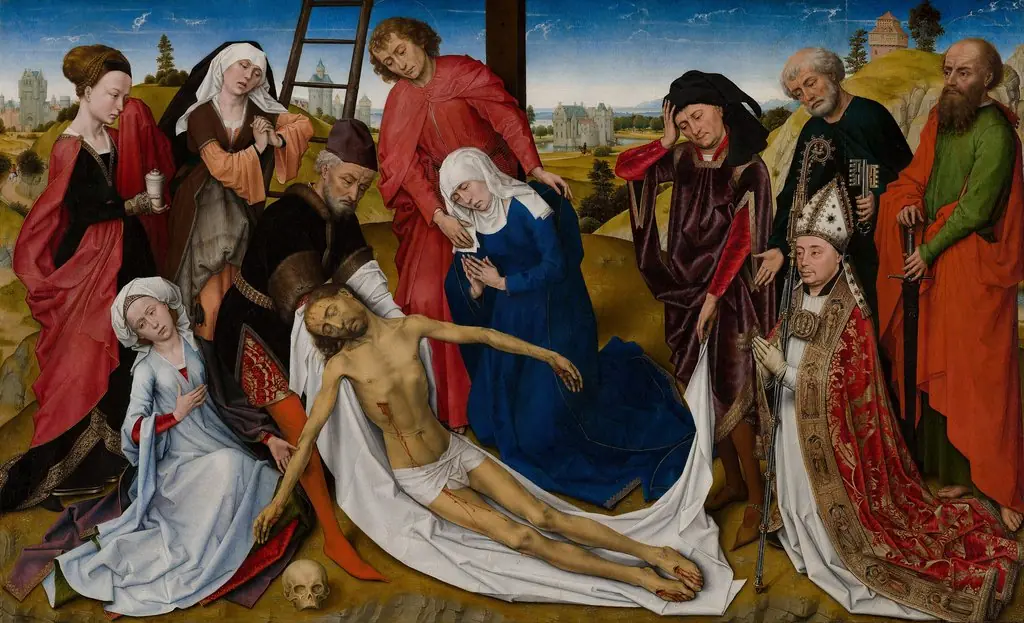 Lamentation of Christ
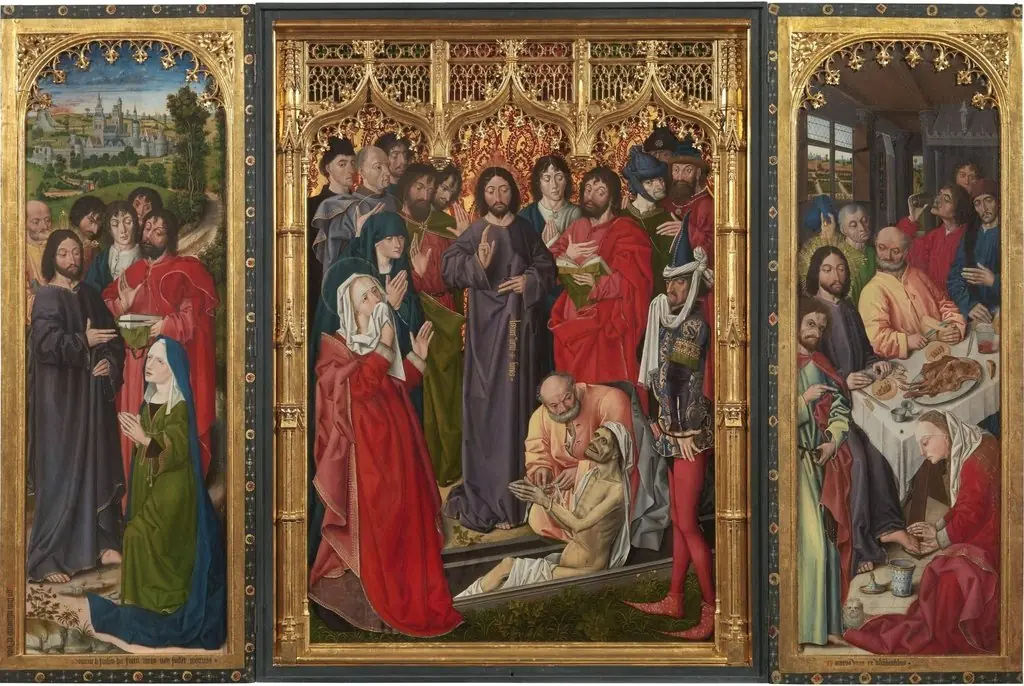 Resurrection of Lazarus
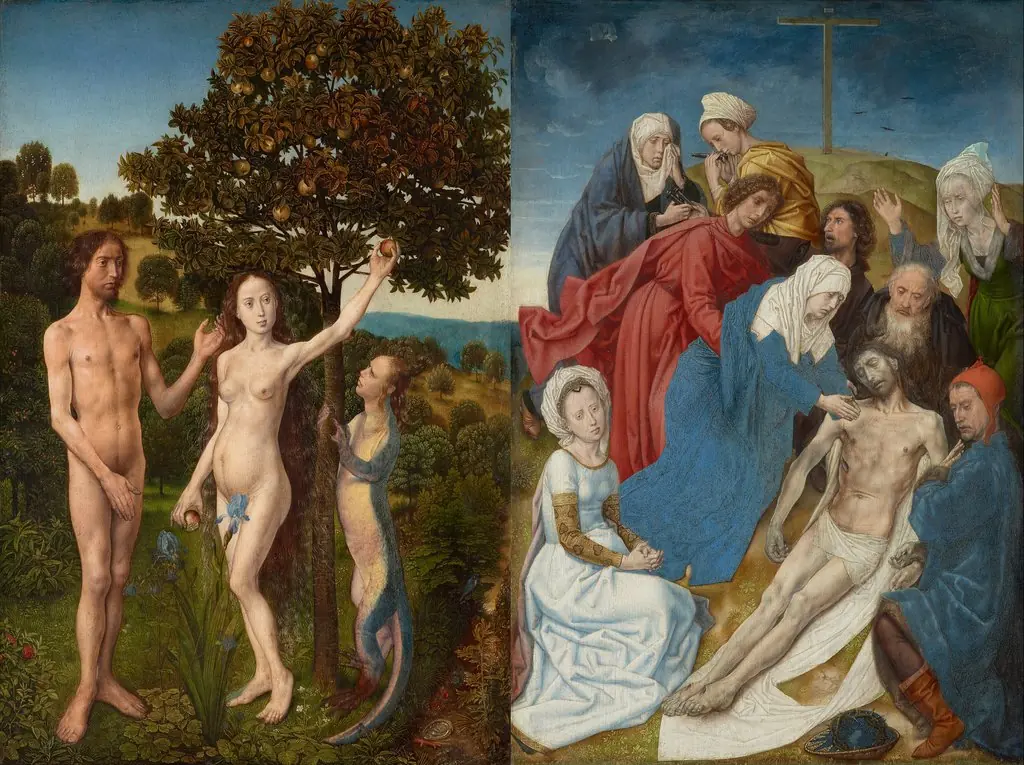 Vienna Diptych