Artwork
The Virgin and Child with an Angel
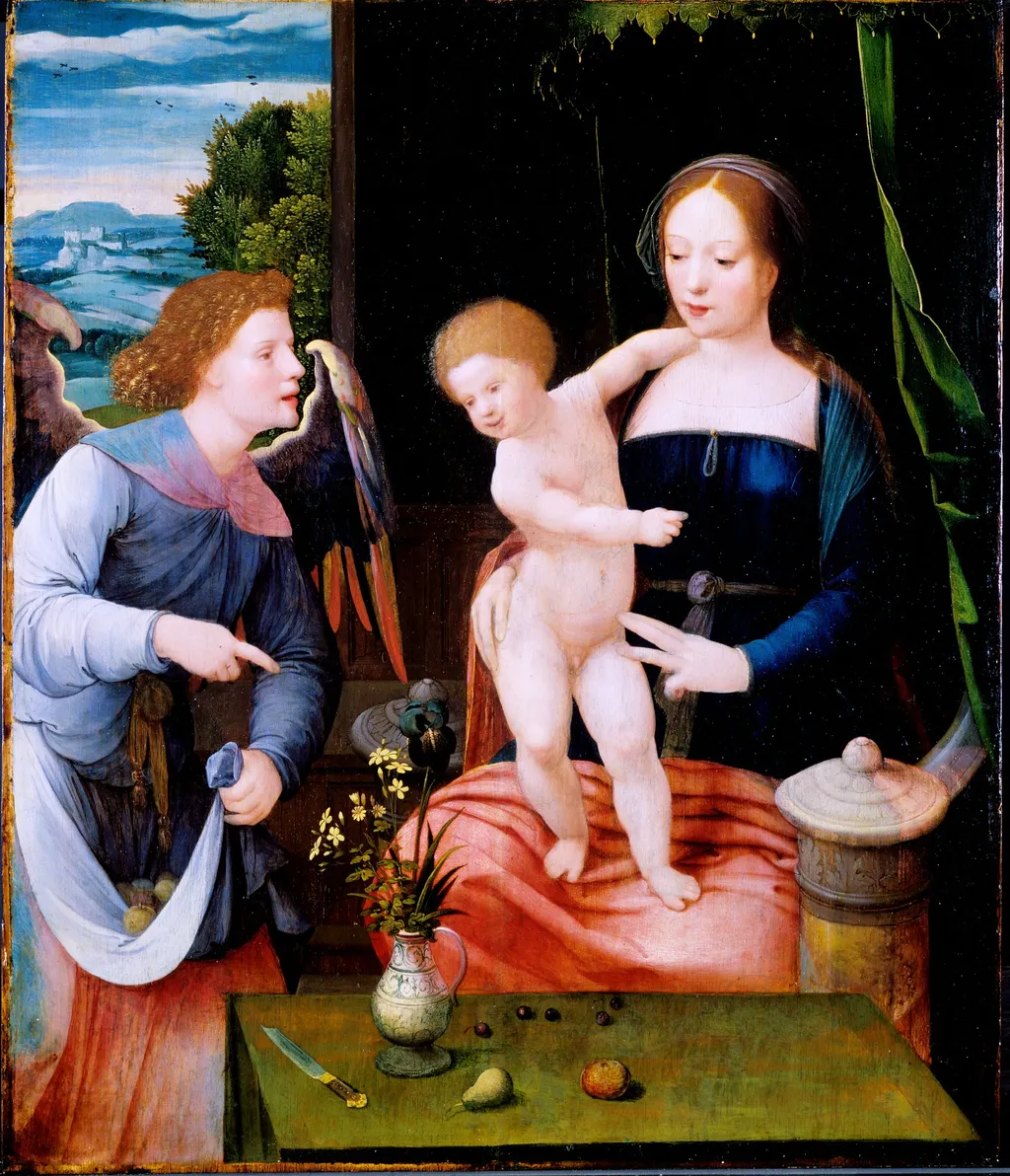
The Virgin and Child with an Angel is an oil painting by the Northern Renaissance artist Master of the Female Half-Lengths. It dates from 1537 and is held in the collection of the Clark Art Institute.
About this work
Overview
Created in 1537, this oil painting titled *The Virgin and Child with an Angel* is attributed to the anonymous workshop known as the Master of the Female Half‑Lengths. The work is part of the collection of the Clark Art Institute and presents a devotional scene centered on the Virgin Mary, the infant Christ, and a celestial attendant.
Subject & Meaning
The composition shows Mary seated on a richly draped red cloth, cradling the infant Jesus while a winged angel, rendered in blue and pink garments, reaches toward the child. Objects on a nearby green table—a vase of blossoms, a knife, and fruit—suggest themes of fertility, sacrifice and the abundance of divine grace.
Technique & Style
Executed in oil on panel, the painting displays meticulous attention to texture: the folds of Mary’s dark blue dress and the delicate feathering of the angel’s wings are rendered with fine brushwork. A darkened backdrop recedes to a faint landscape visible through a left‑hand window, creating depth through chiaroscuro.
History & Provenance
The work has been documented as part of the Clark Art Institute’s holdings since the mid‑20th century, though its early ownership remains unclear. Its attribution to the Master of the Female Half‑Lengths rests on stylistic parallels with other half‑length female figures produced in the same period.
Context
The painting belongs to a Northern Renaissance tradition that emphasized intimate, domestic devotional images. The inclusion of an angel as an intermediary reflects contemporary theological interest in intercessory figures, while the detailed still‑life elements echo the period’s fascination with naturalistic detail.
Artist & collection
Artist
Master of the Female Half-Lengths
The Master of the Female Half-Lengths is a notname coined by the German art historian Max J.

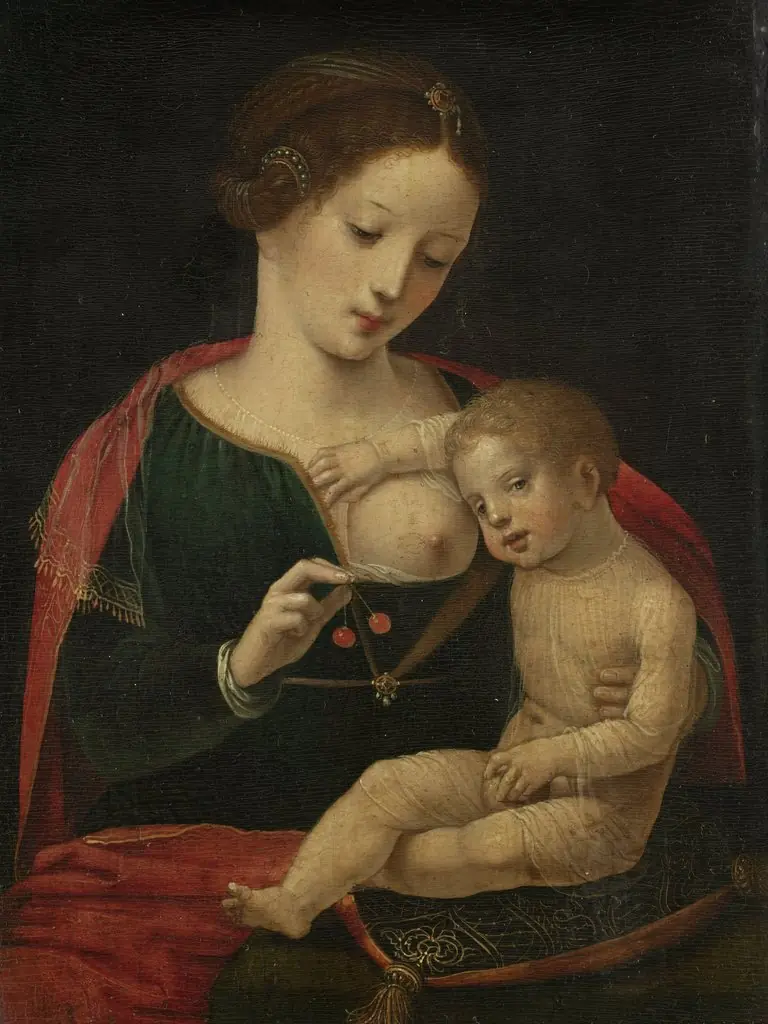
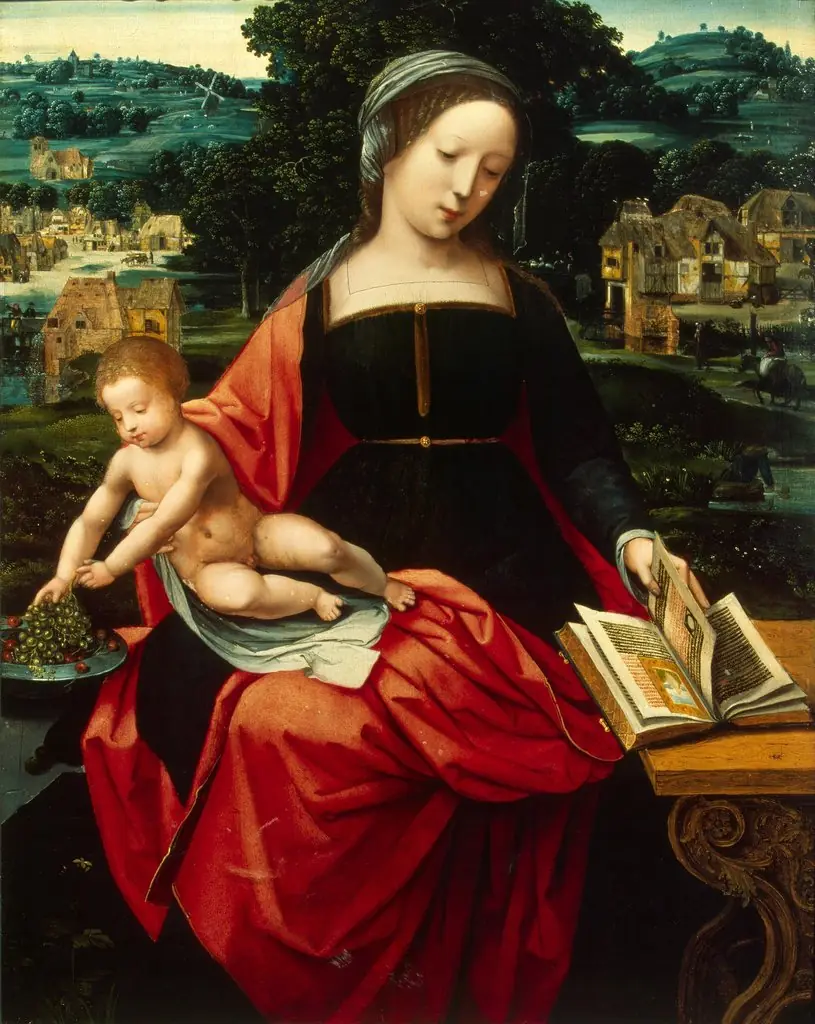
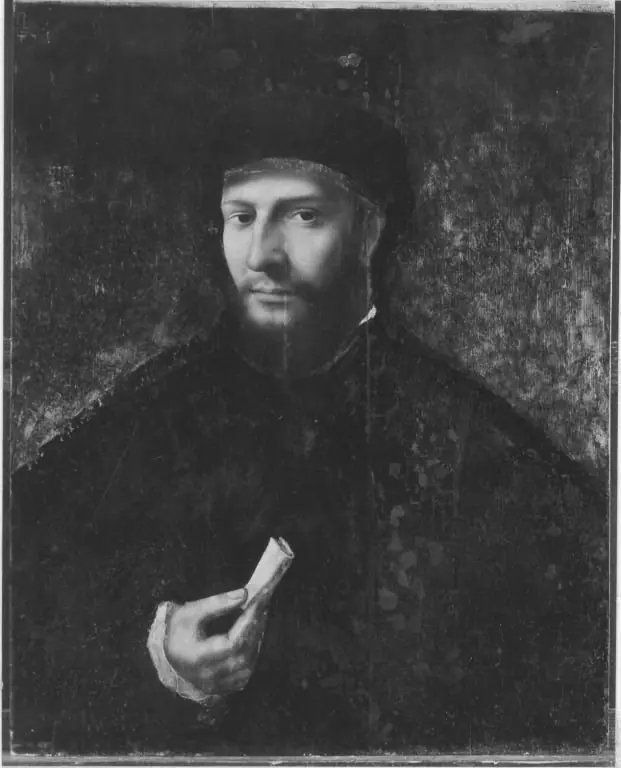
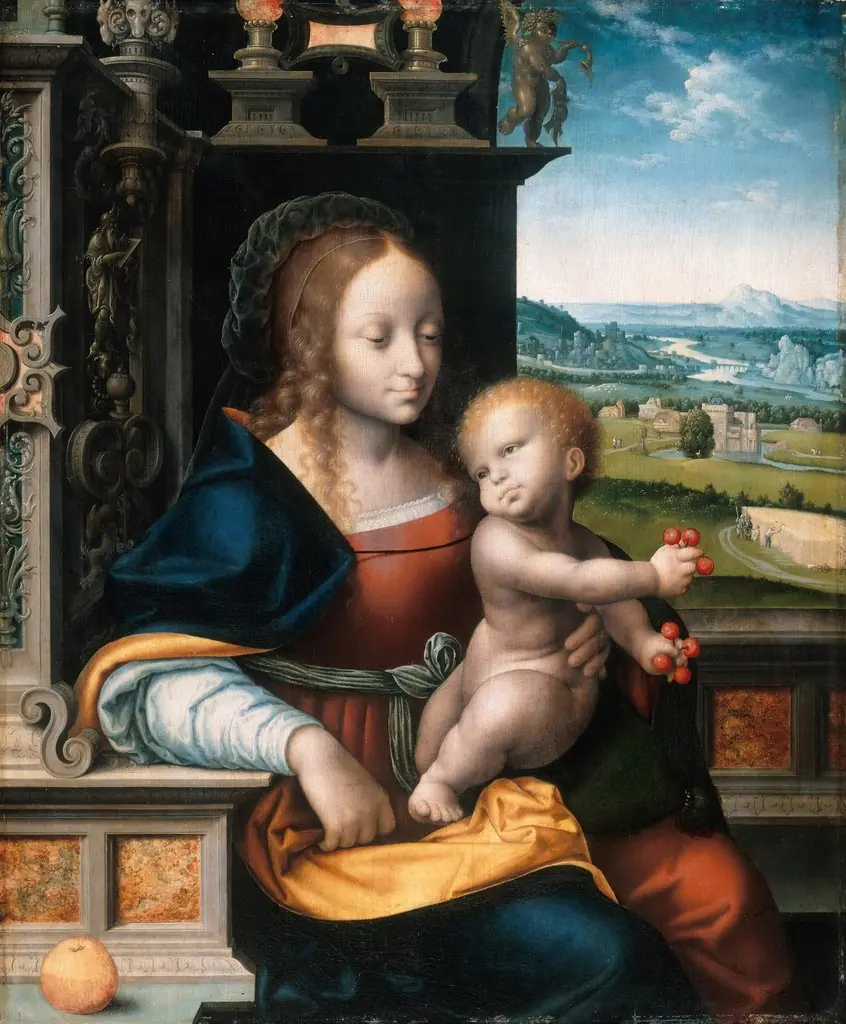 Madonna and Child, Madonna with the cherries
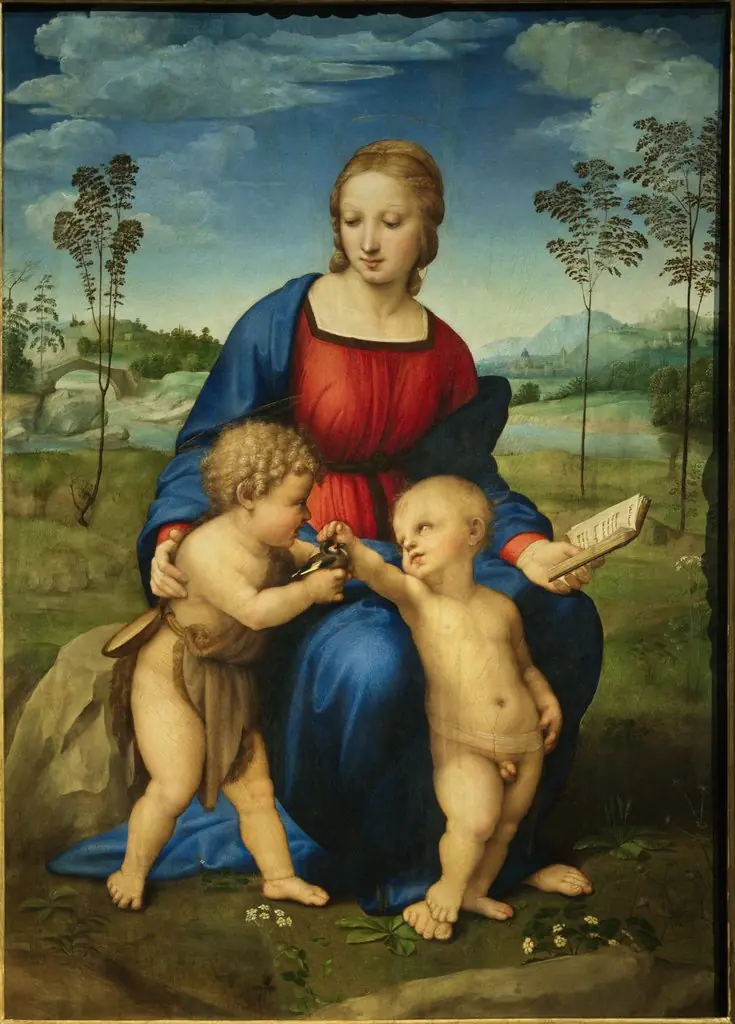 Madonna of the Goldfinch
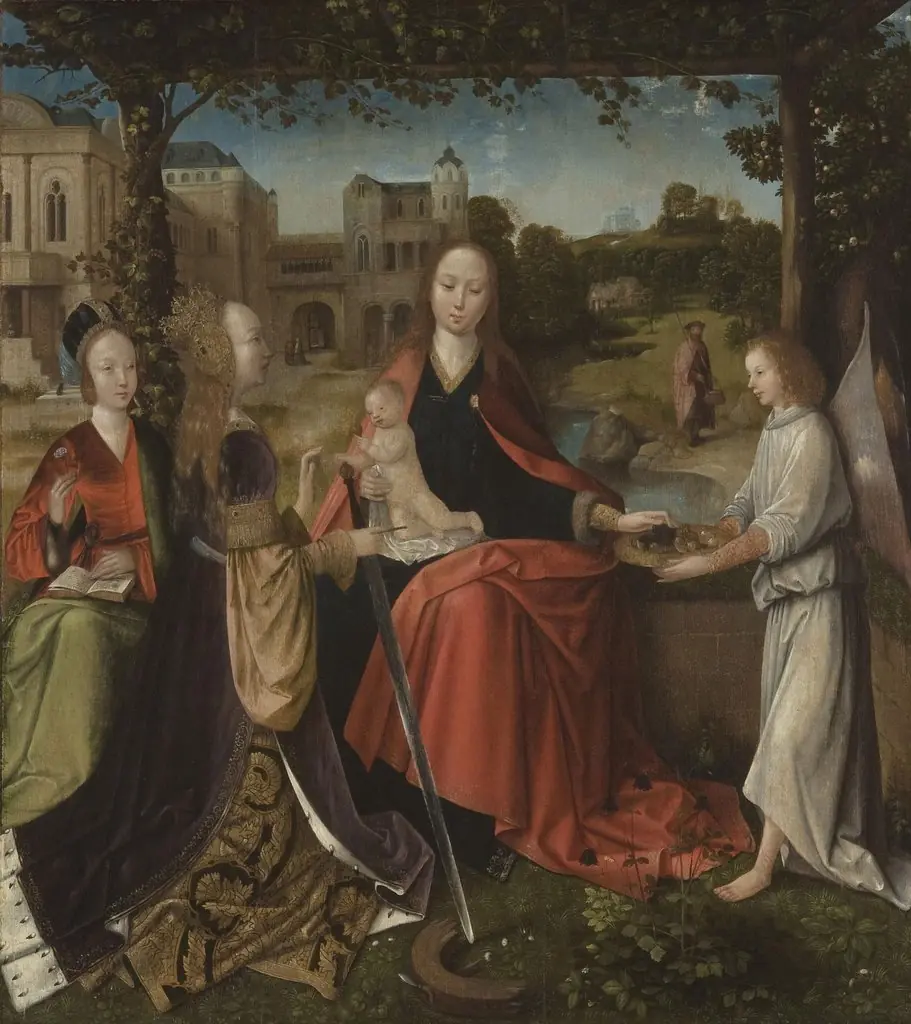 Virgin and Child, with Saint Catherine of Alexandria, a Female Saint, and an Angel
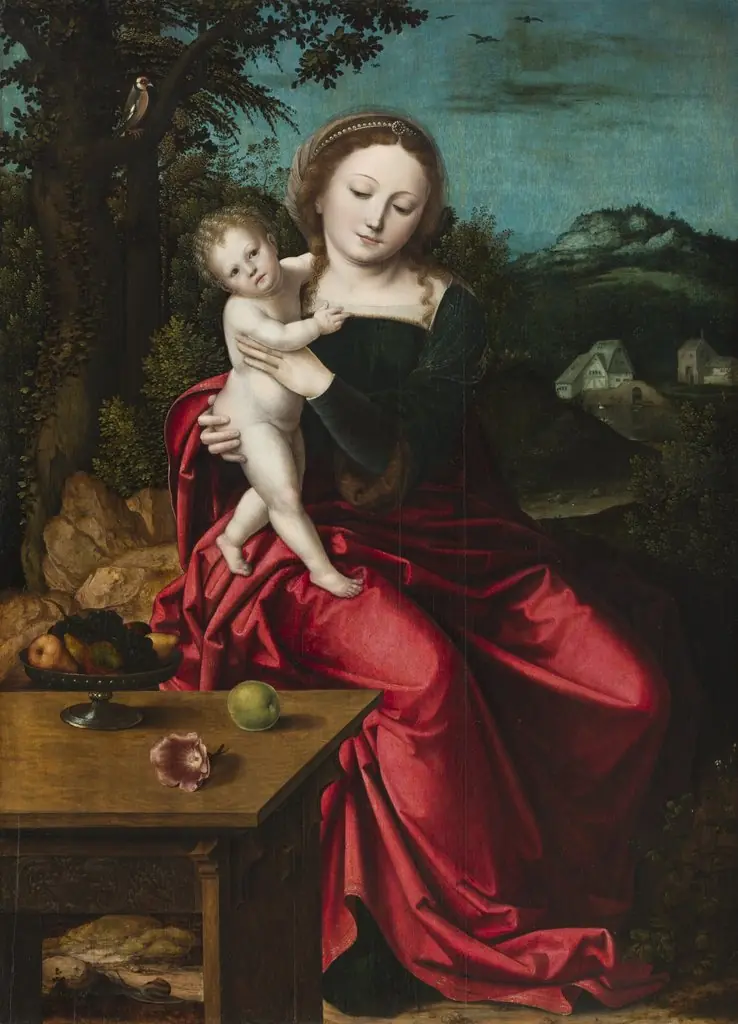 Madonna and Child
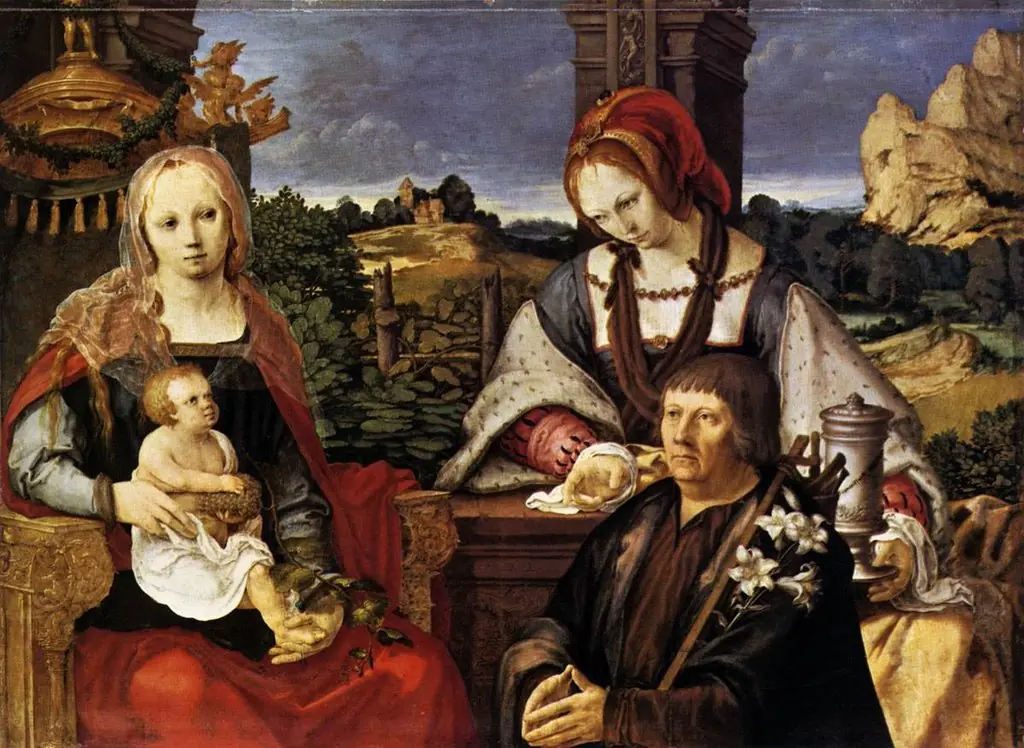 Mary with Child, St. Maria Magdalena and founder (separate outside, Inv. No. 7713)
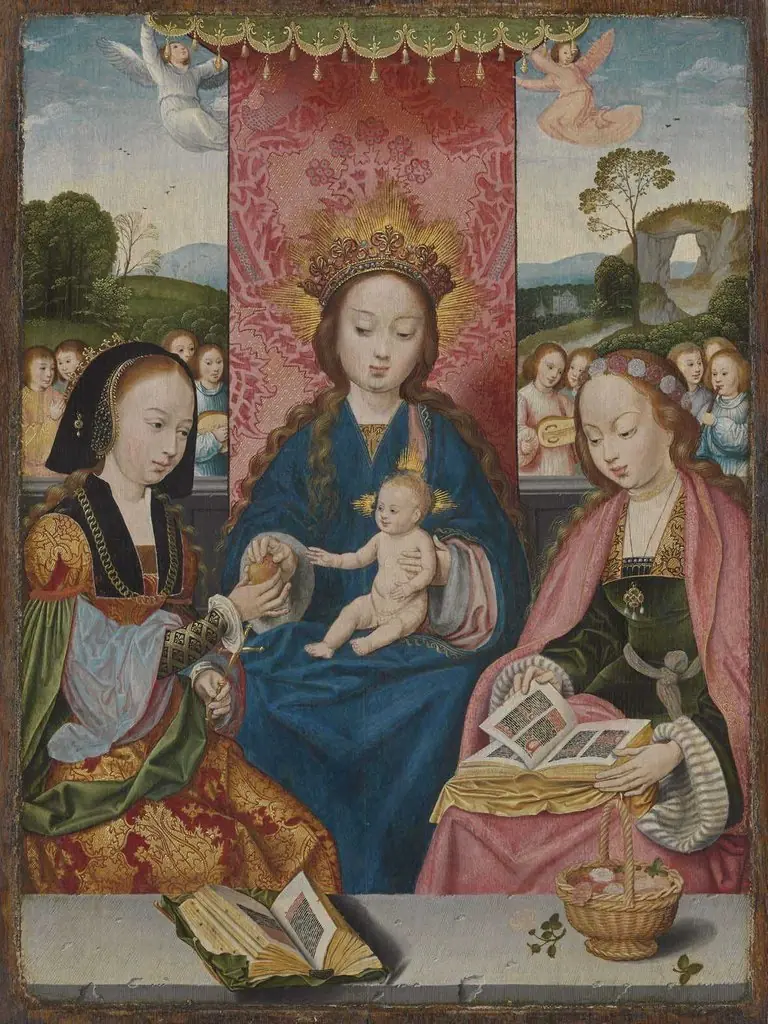 Virgin and Child with Saint Margaret and Dorothy and angels playing music
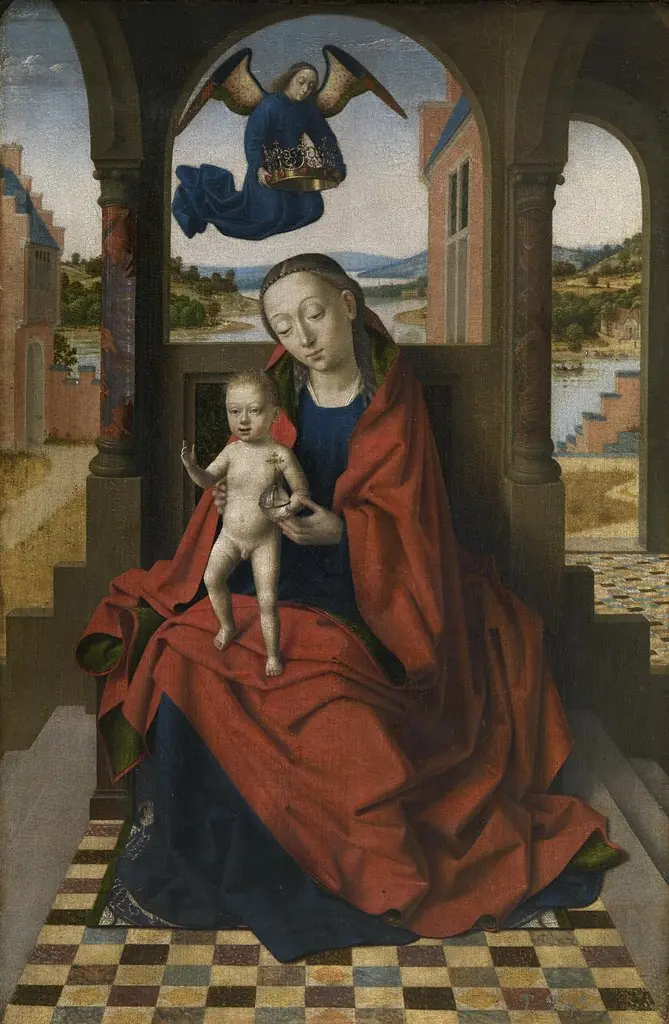 The Virgin and the Child
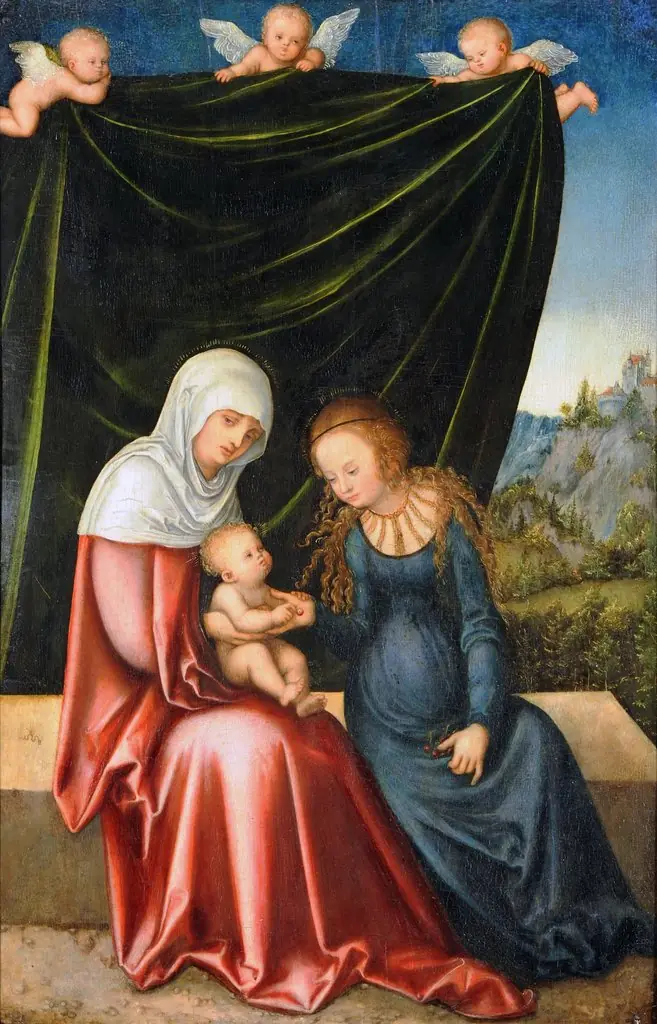 The Virgin and Child with St Anne
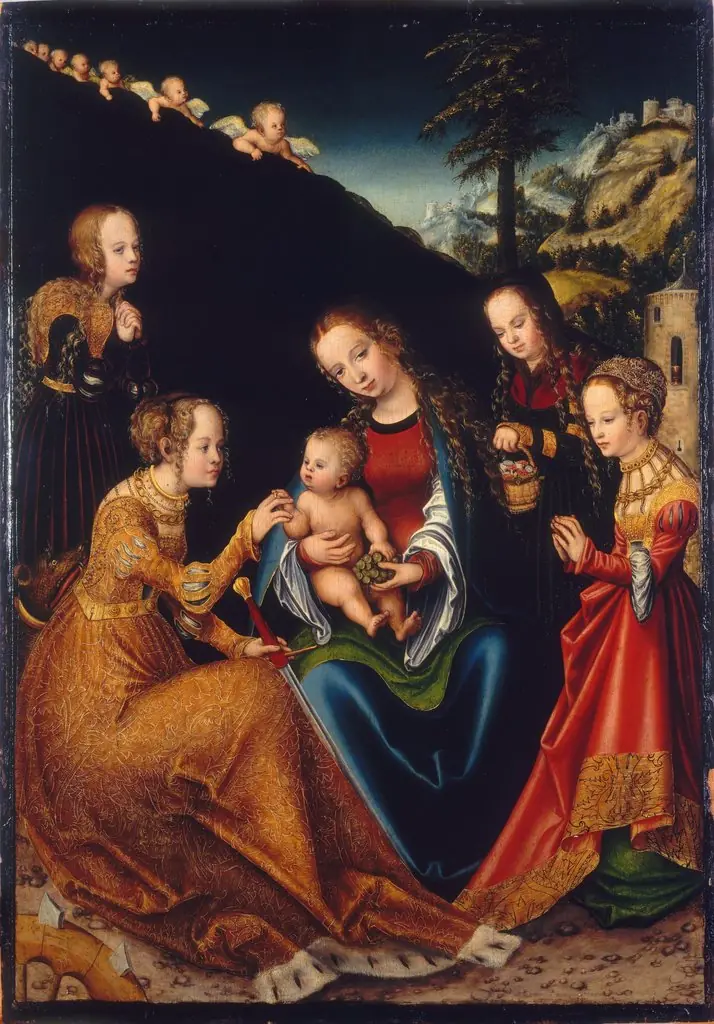 The Mystic Marriage of Saint Catherine of Alexandria with Saints Dorothy, Margaret and Barbara
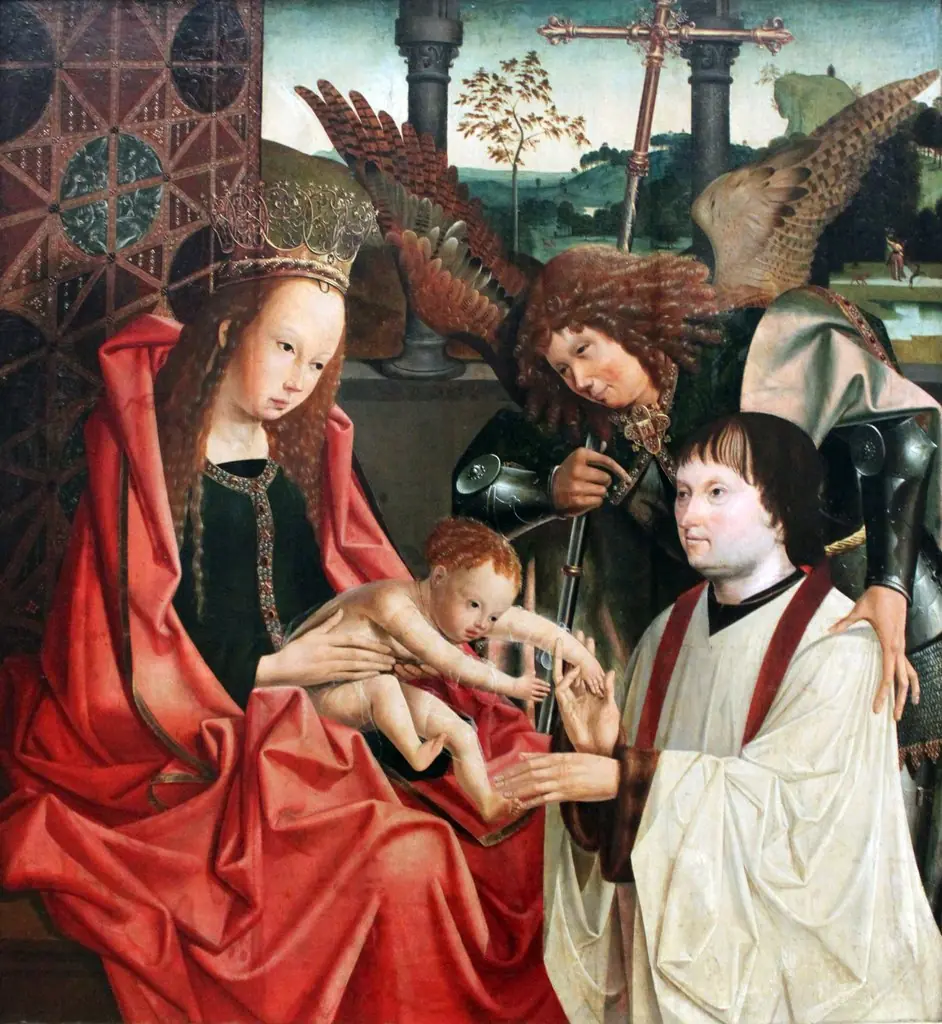 Maria with the child, the Archangel Michael and a donor