Artwork
The Mystic Marriage of Saint Catherine of Alexandria with Saints Dorothy, Margaret and Barbara
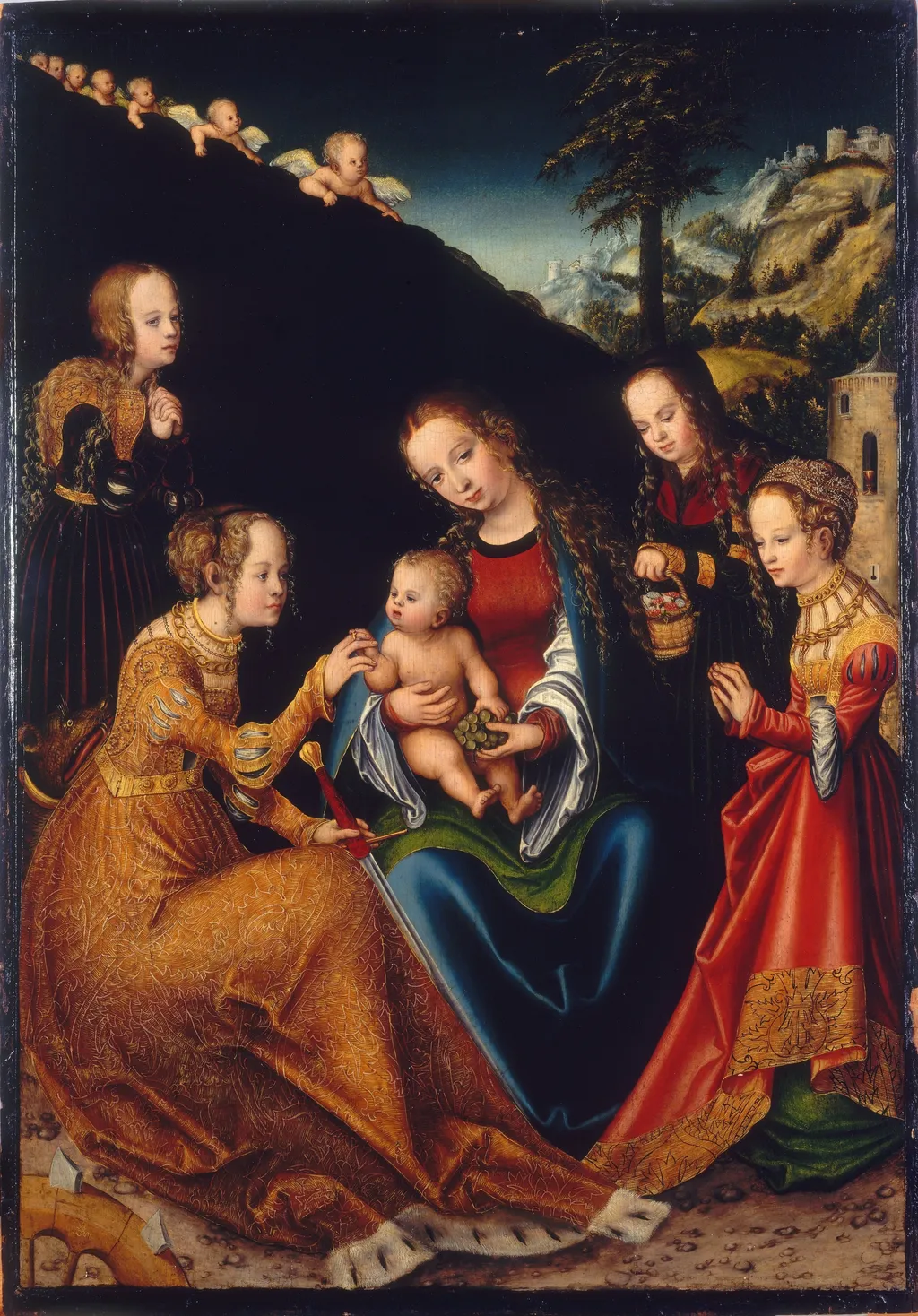
The Mystic Marriage of Saint Catherine of Alexandria with Saints Dorothy, Margaret and Barbara is an oil painting by the Northern Renaissance artist Lucas Cranach the Elder. It dates from 1516 and is held in the collection of the Museum of Fine Arts, Budapest.
About this work
Overview
The composition centers on Catherine, who holds the Christ Child, while the others stand in quiet reverence.
Painted in 1516 by Lucas Cranach the Elder, this oil-on-panel work presents a devotional scene featuring Saint Catherine of Alexandria in the company of three other virgin martyrs: Dorothy, Margaret, and Barbara. The composition centers on Catherine, who holds the Christ Child, while the others stand in quiet reverence. The painting resides in the Museum of Fine Arts, Budapest, and exemplifies Cranach’s early 16th-century style, blending Northern Renaissance detail with symbolic clarity.
Subject & Meaning
The scene illustrates the mystical union of Saint Catherine with the infant Christ, a traditional motif symbolizing spiritual betrothal to divine truth. The four saints—each associated with martyrdom and purity—gather around the sacred moment, reinforcing ideals of faith, sacrifice, and virginity. Their presence collectively affirms the virtue of holy women in Christian devotion, with Catherine as the primary intercessor in this sacred assembly.
Technique & Style
Cranach employs a controlled palette of rich reds, blues, and golds to distinguish the figures against a muted, shadowed landscape. Soft modeling of faces and fabrics creates subtle volume, while the dark background enhances the luminosity of the central group. The figures are arranged in a calm, frontal composition, with delicate attention to textile patterns and hair, characteristic of Cranach’s precise, linear approach to portraiture and religious narrative.
History & Provenance
Commissioned during Cranach’s tenure as court painter to the Electors of Saxony, the painting likely served a private devotional purpose. It entered the collection of the Museum of Fine Arts, Budapest, in the early 20th century, having passed through several Central European collections since its creation. Its survival through religious upheavals reflects its enduring value as both spiritual image and artistic object.
Context
Created during the early years of the Reformation, the painting reflects a Catholic devotional tradition even as Protestant thought gained ground in Germany. Cranach, though later aligned with Lutheran reformers, continued to produce traditional religious imagery for patrons who valued saintly intercession. This work bridges late medieval piety and emerging Reformation aesthetics, retaining symbolic richness without overtly polemical content.
Legacy
The painting stands as a representative example of Cranach’s ability to merge intimate human expression with theological symbolism. While less widely known than his portraits or mythological scenes, it illustrates his skill in rendering sacred narratives with quiet dignity. Its preservation in Budapest ensures continued study of how Northern Renaissance artists adapted devotional themes for private contemplation.
Own this work as a print
Artist & collection
Artist
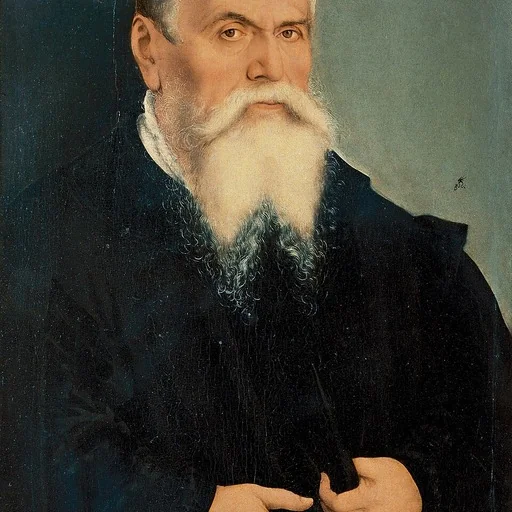
Lucas Cranach the Elder was a German Renaissance painter and printmaker in woodcut and engraving.

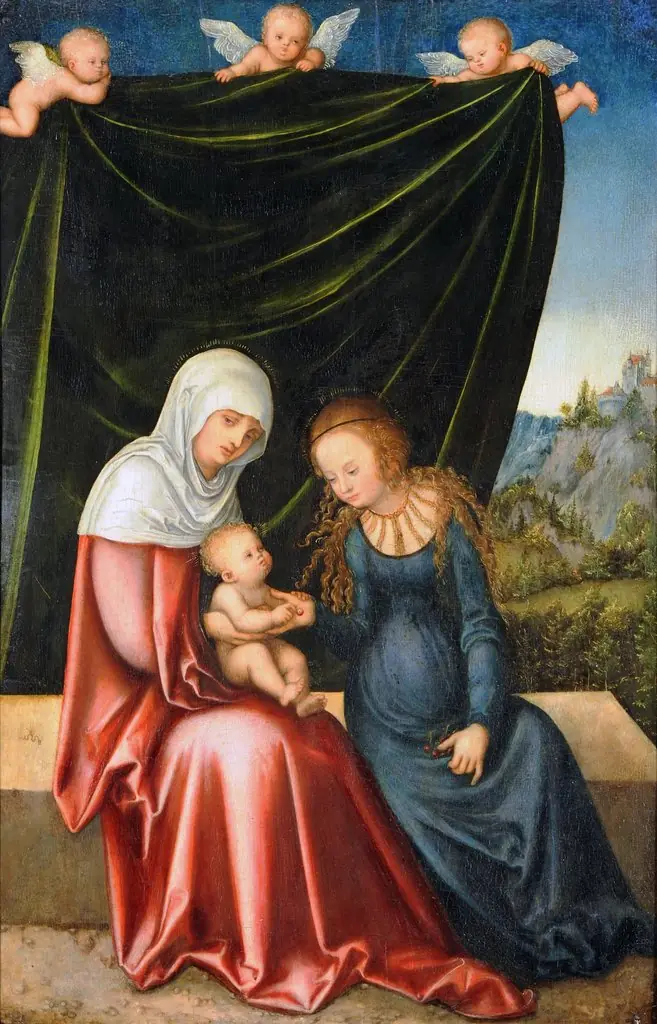 The Virgin and Child with St Anne
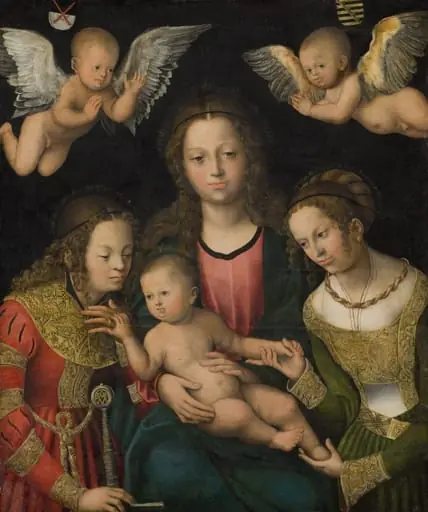 Virgin and Child with the Saints Catherine and Barbara
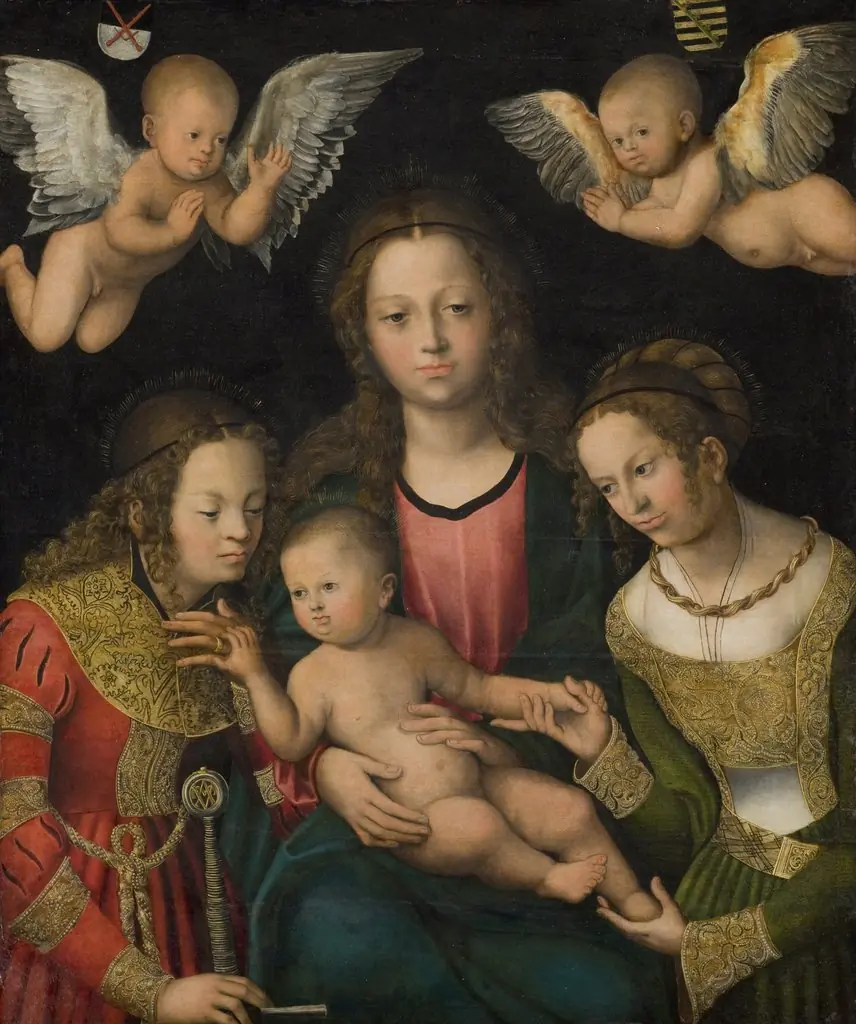 Virgin and Child with the Saints Catherine and Barbara
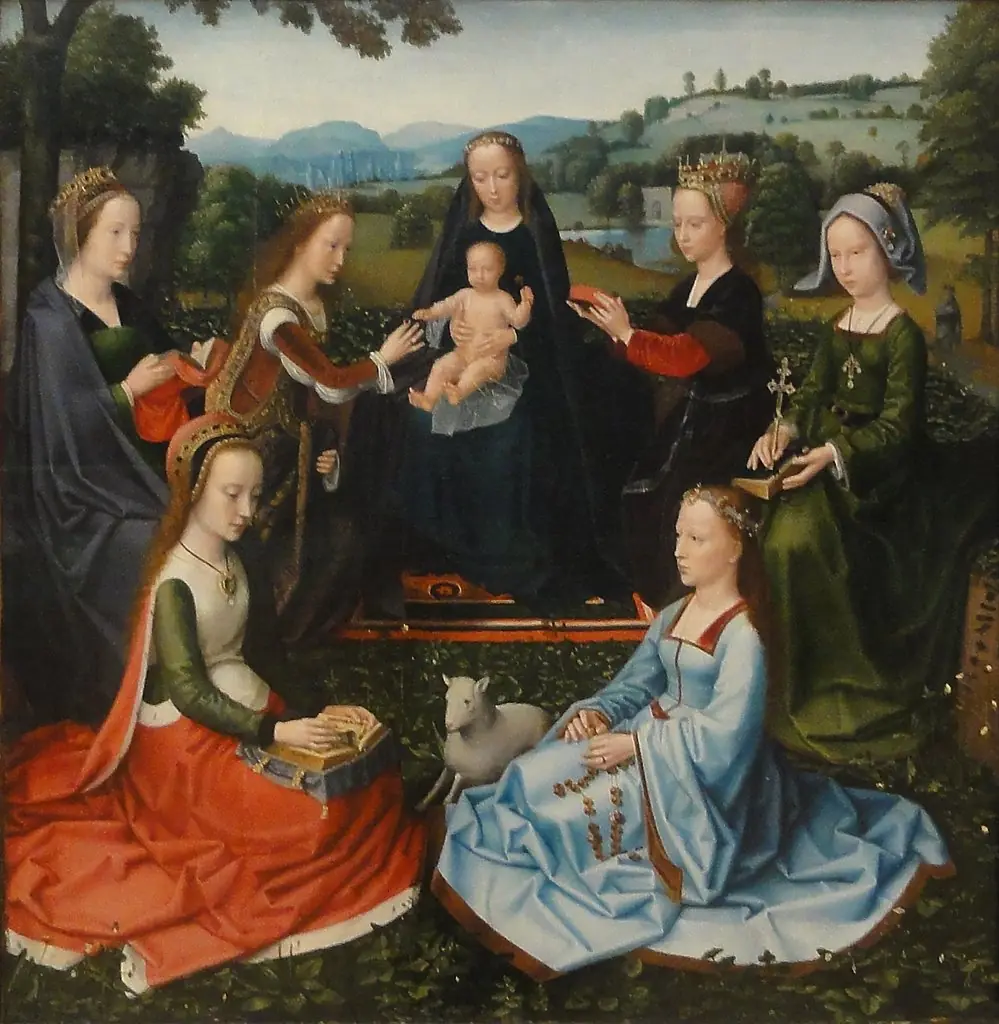 Madonna with Female Saint
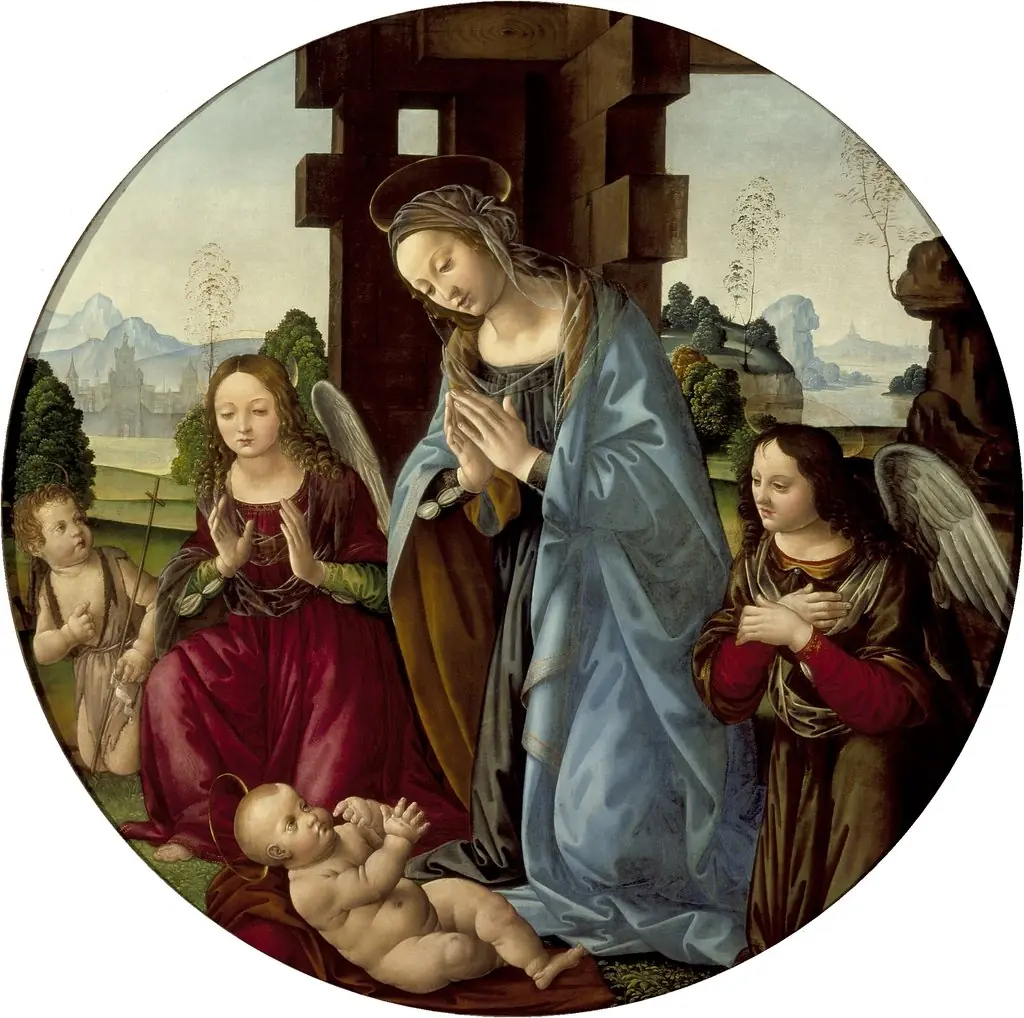 Virgin Adoring the Christ Child with St. John the Baptist and Two Angels
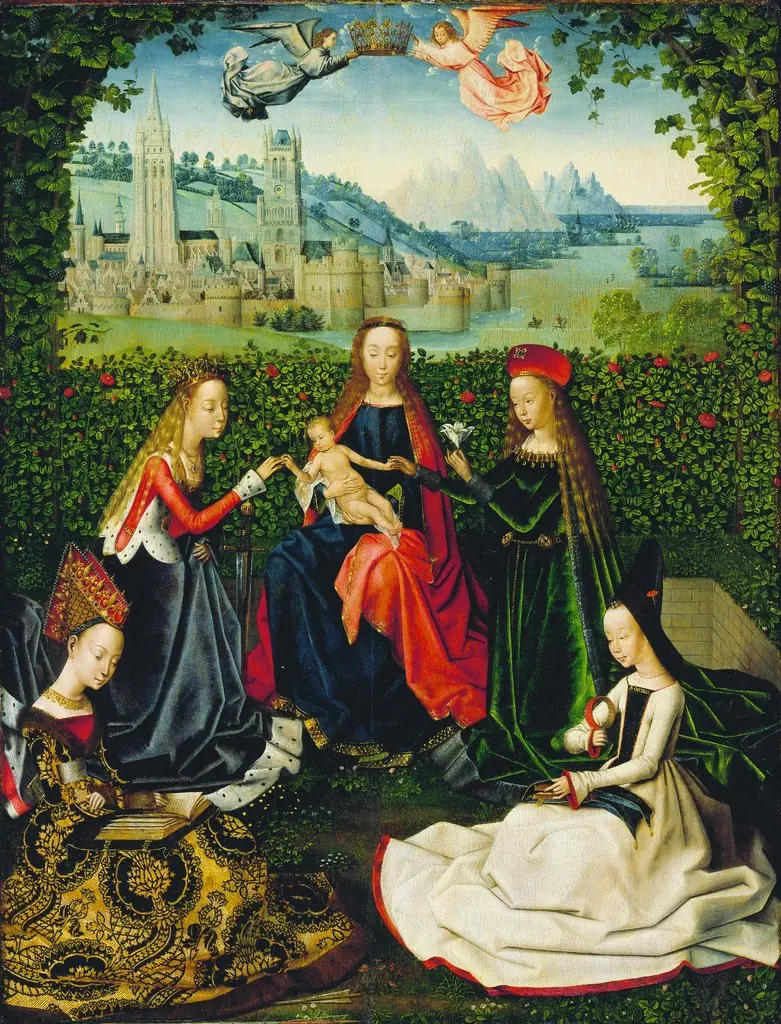 Virgin of the Rose Garden
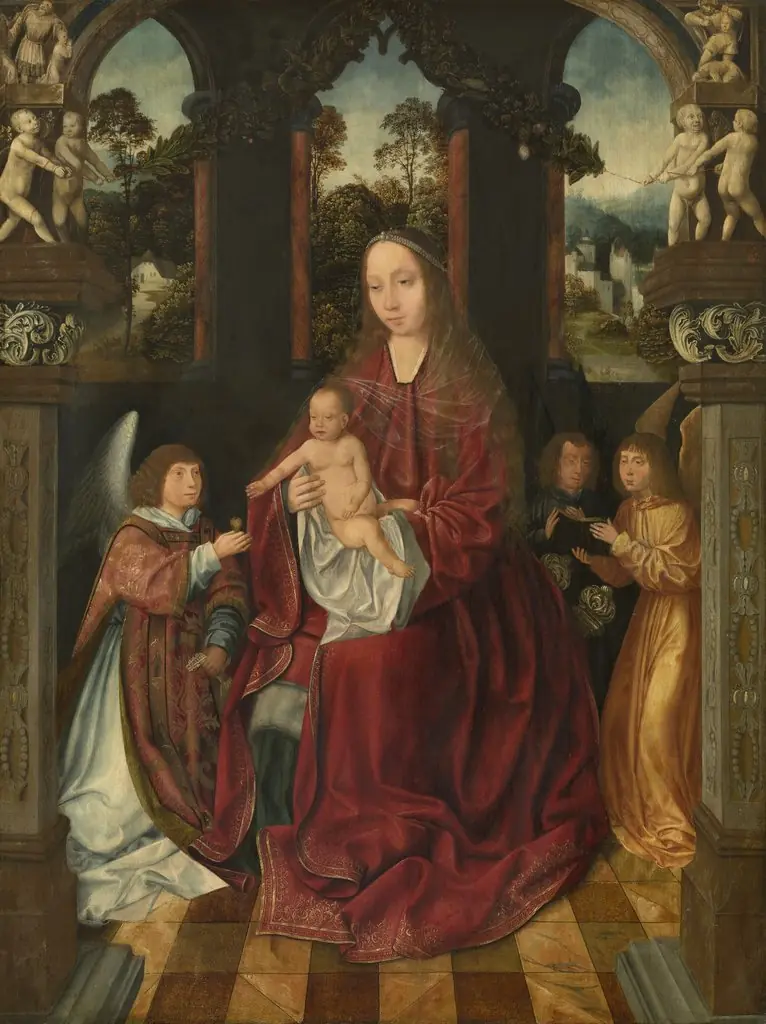 Madonna with Angels
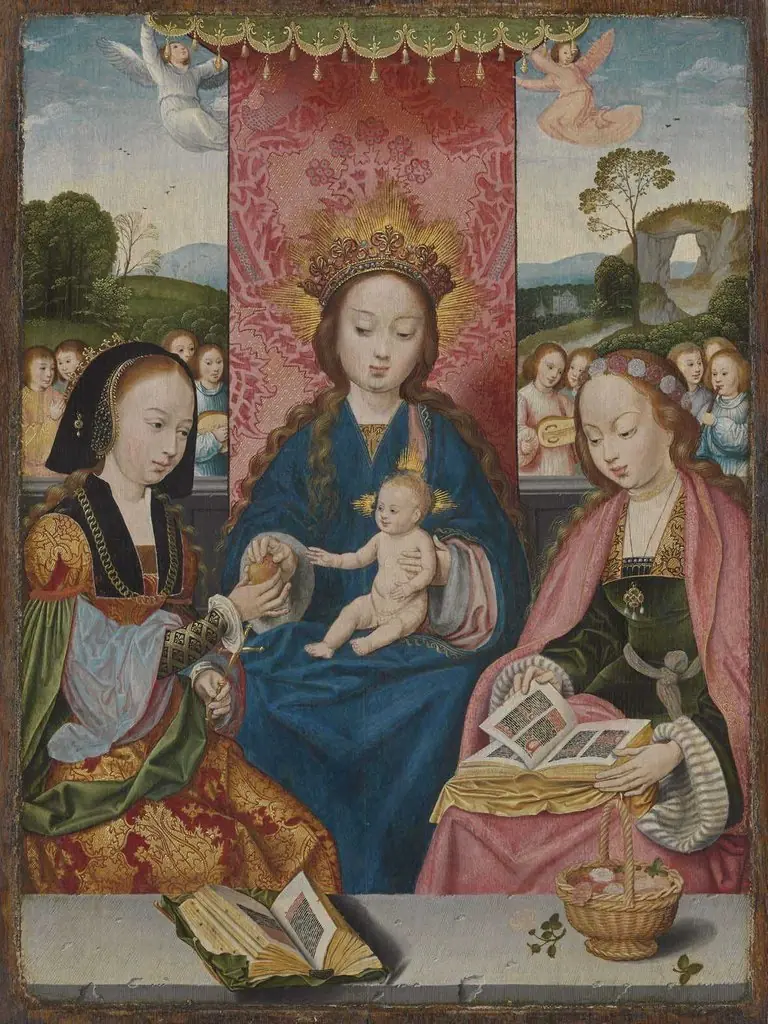 Virgin and Child with Saint Margaret and Dorothy and angels playing music
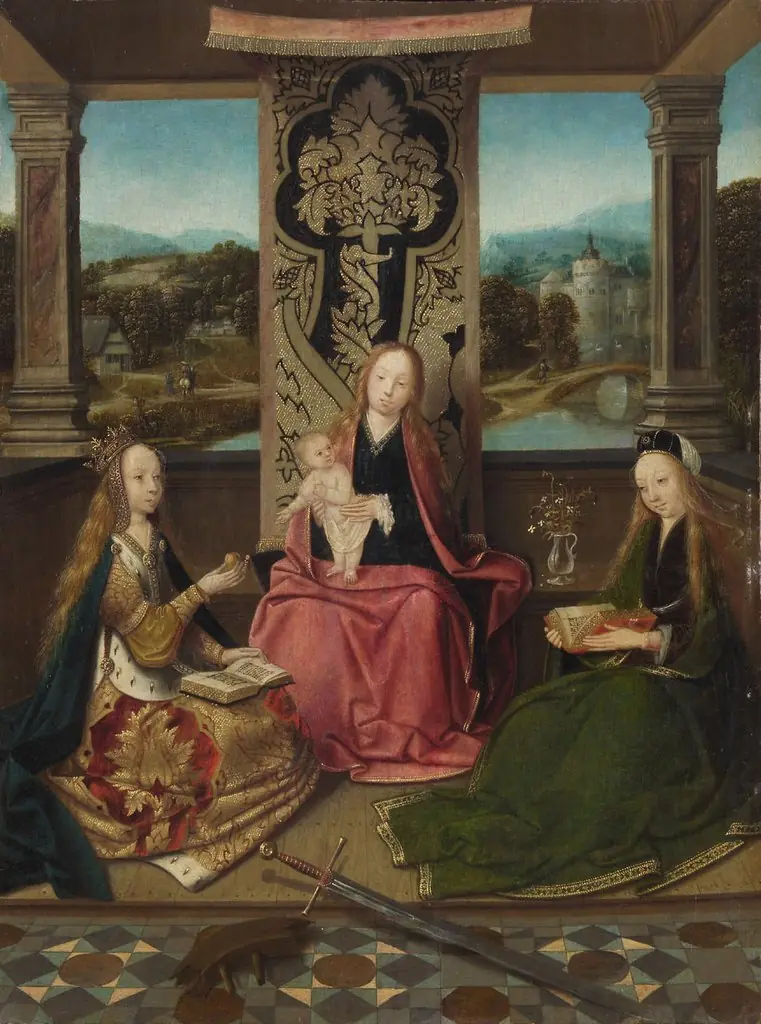 Madonna and Child with Saints Catherine and Barbara
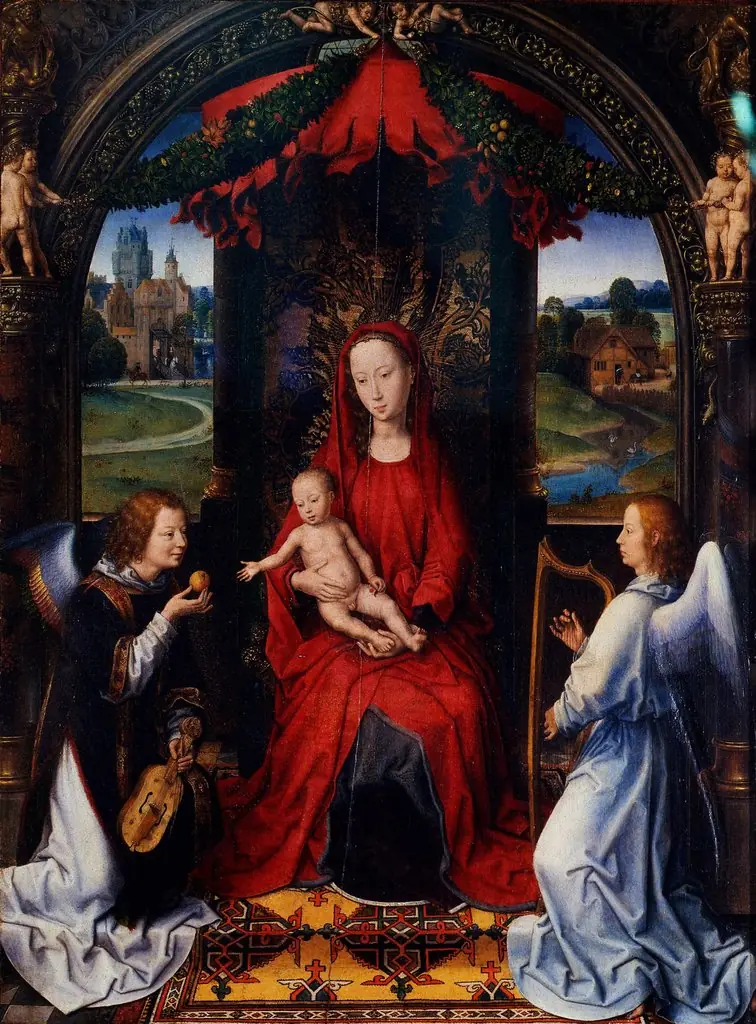 Madonna enthroned with child and two musical angels
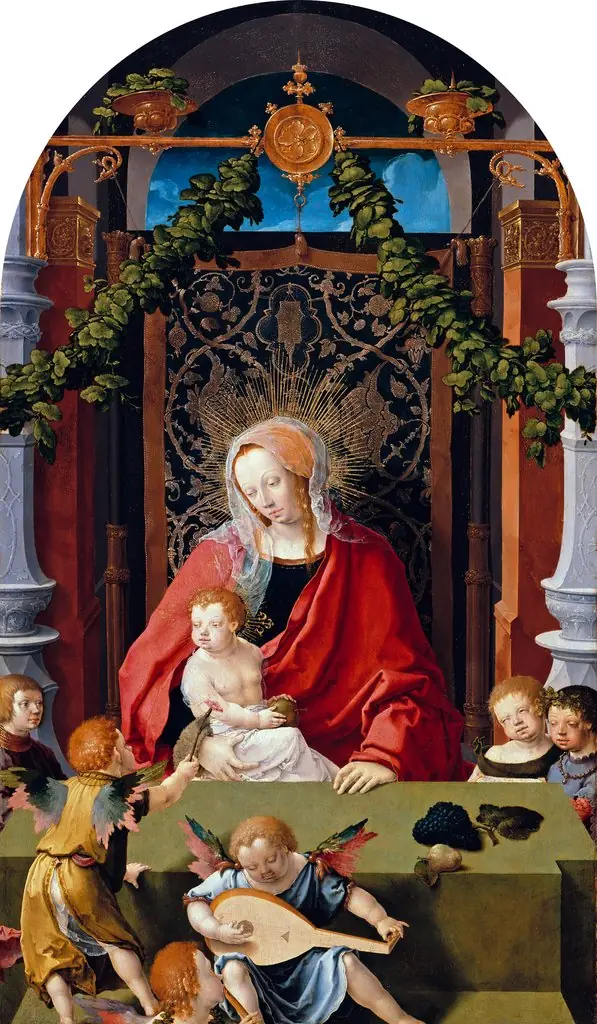 Virgin and Child with Angels
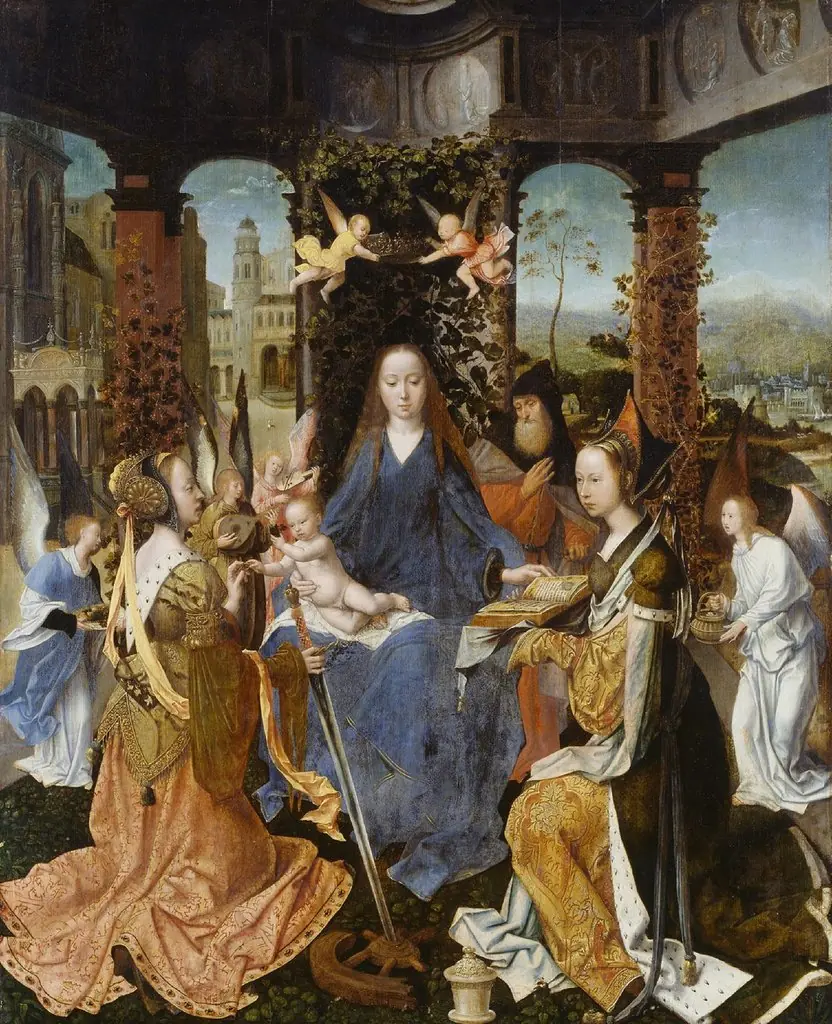 The mystic marriage of Saint Catherine