Artwork
Ecce Homo
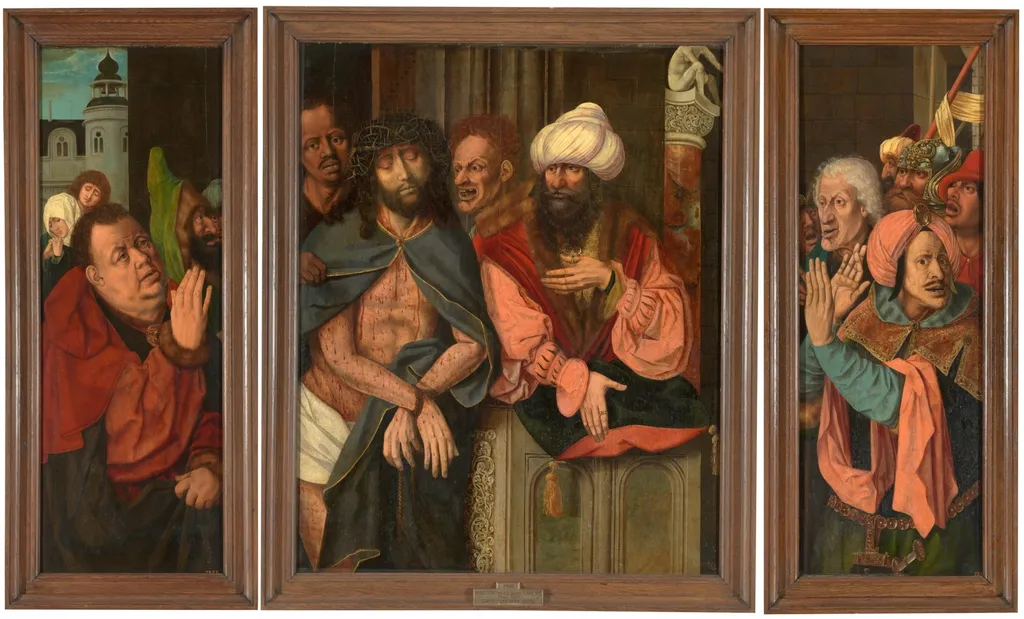
Ecce Homo is an oil painting by the Northern Renaissance artist Master of the Holy Blood. It dates from 1520 and is held in the collection of the Museo del Prado.
About this work
Overview
Created circa 1520, the oil triptych titled Ecce Homo is attributed to the Master of the Holy Blood, an Early Netherlandish painter active in Bruges. The work belongs to the Northern Renaissance and is presently housed in the Museo del Prado in Madrid.
Subject & Meaning
The central panel presents a bound Christ in a blue cloak, surrounded by a group of men, one of whom points toward him. The surrounding figures convey the moment of Christ’s presentation before the crowd, a theme common in Passion narratives.
Technique & Style
Executed in oil on panel, the composition employs vivid reds, blues and whites. The central figure displays meticulous drapery and detailed facial expressions, while the side panels contain gesturing figures, including a man in red on the left and a group with a pink‑turbaned figure on the right.
History & Provenance
The artist’s name derives from a different work held in Bruges’ Museum of the Holy Blood; beyond that, documentary evidence about his life is scarce. The triptych entered the Prado collection at an unspecified later date, where it remains on display.
Artist & collection
Artist
Master of the Holy Blood (active 1510–1520) was an Early Netherlandish painter, whose workshop was located in Bruges (Belgium).

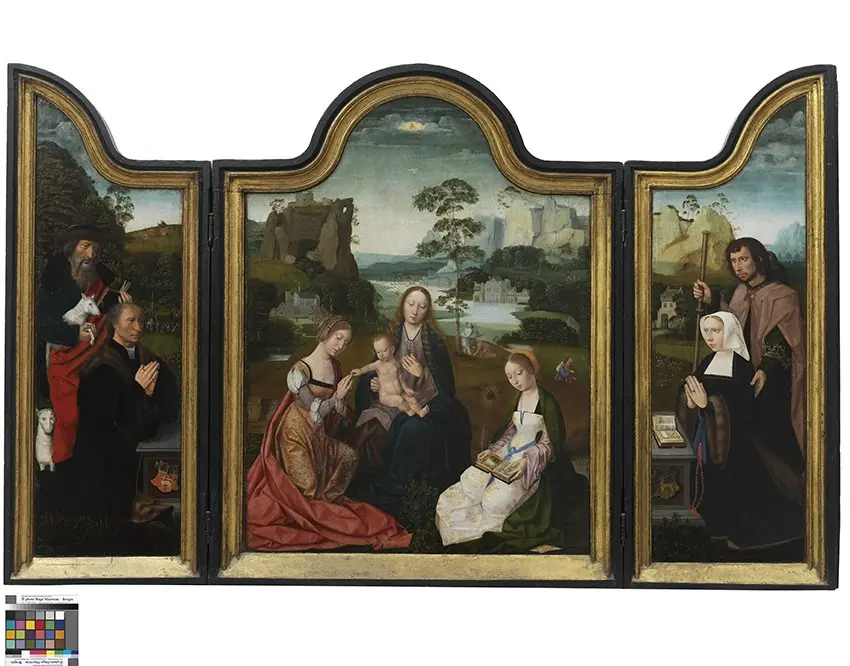
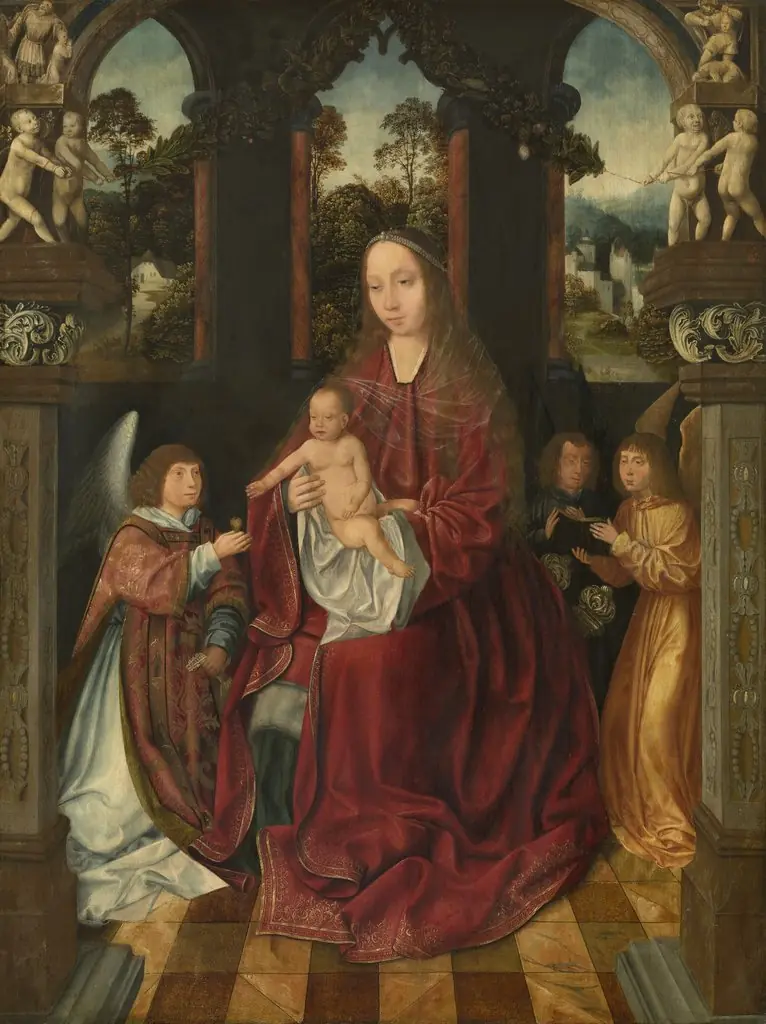
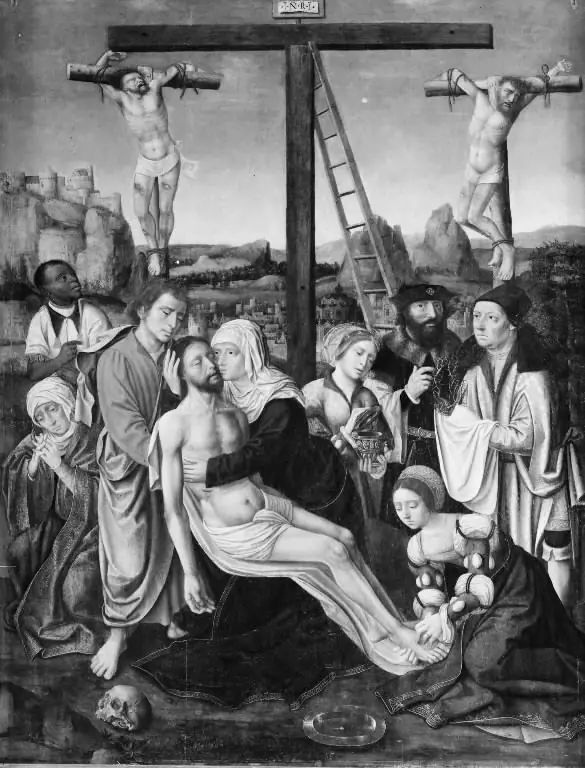
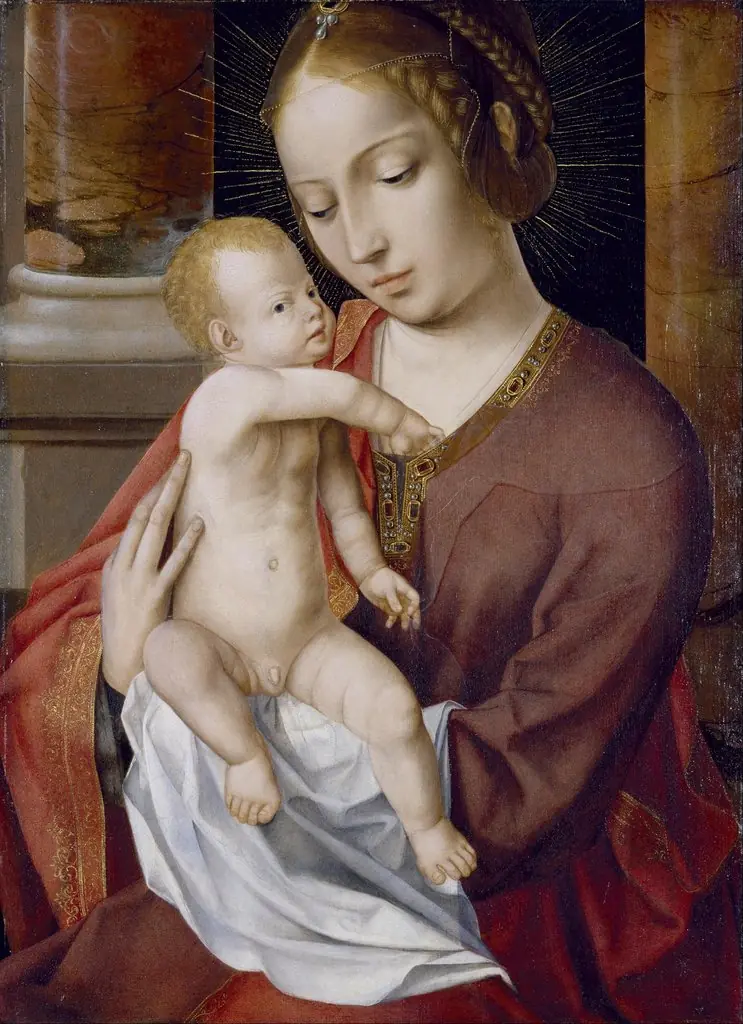
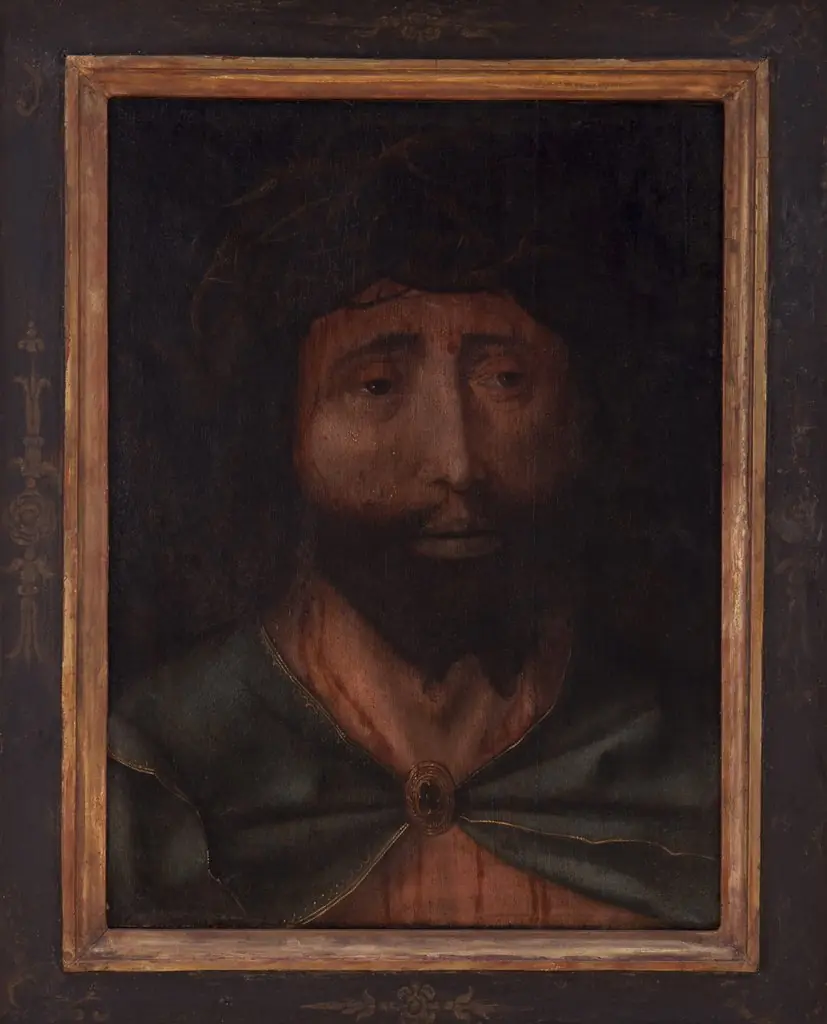
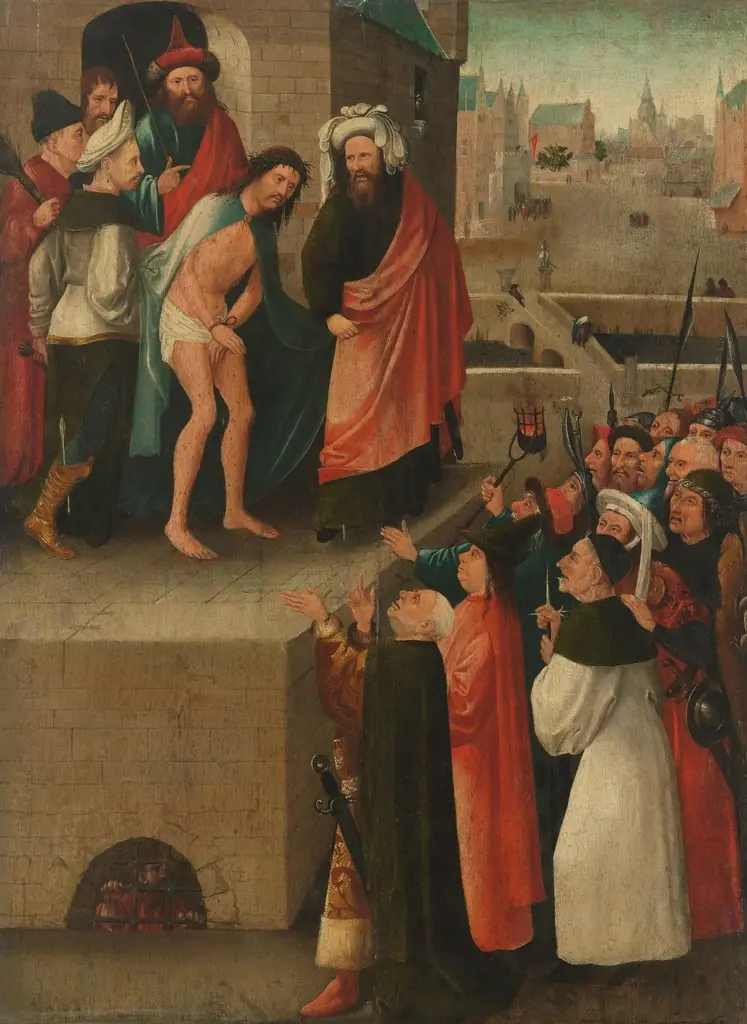 Ecce Homo
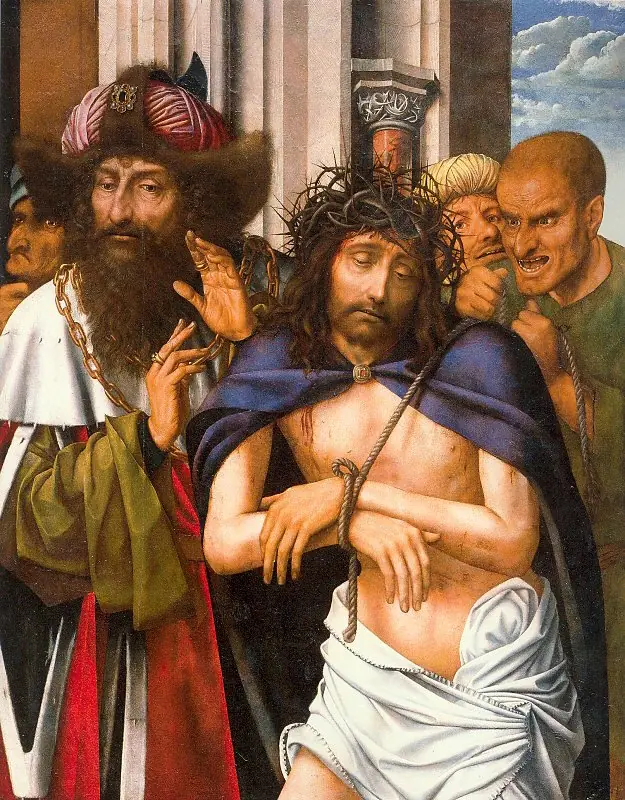 Ecce Homo
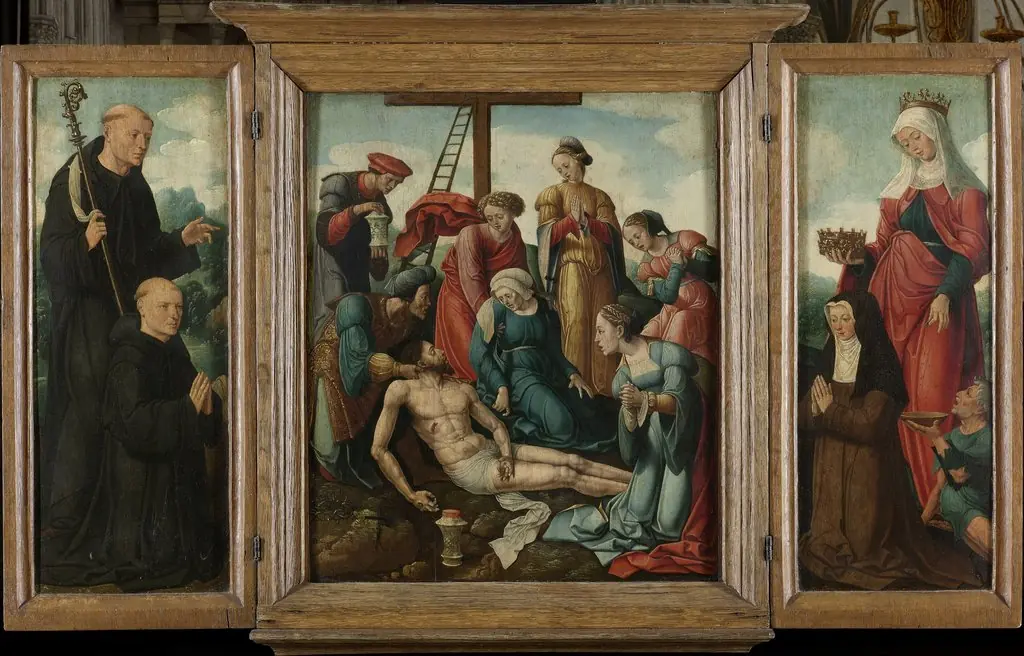 Triptych with the Lamentation of Christ (centre panel), the donor with St Benedict (inner left wing) and the donatrix with St Elizabeth of Thuringia (inner right wing)
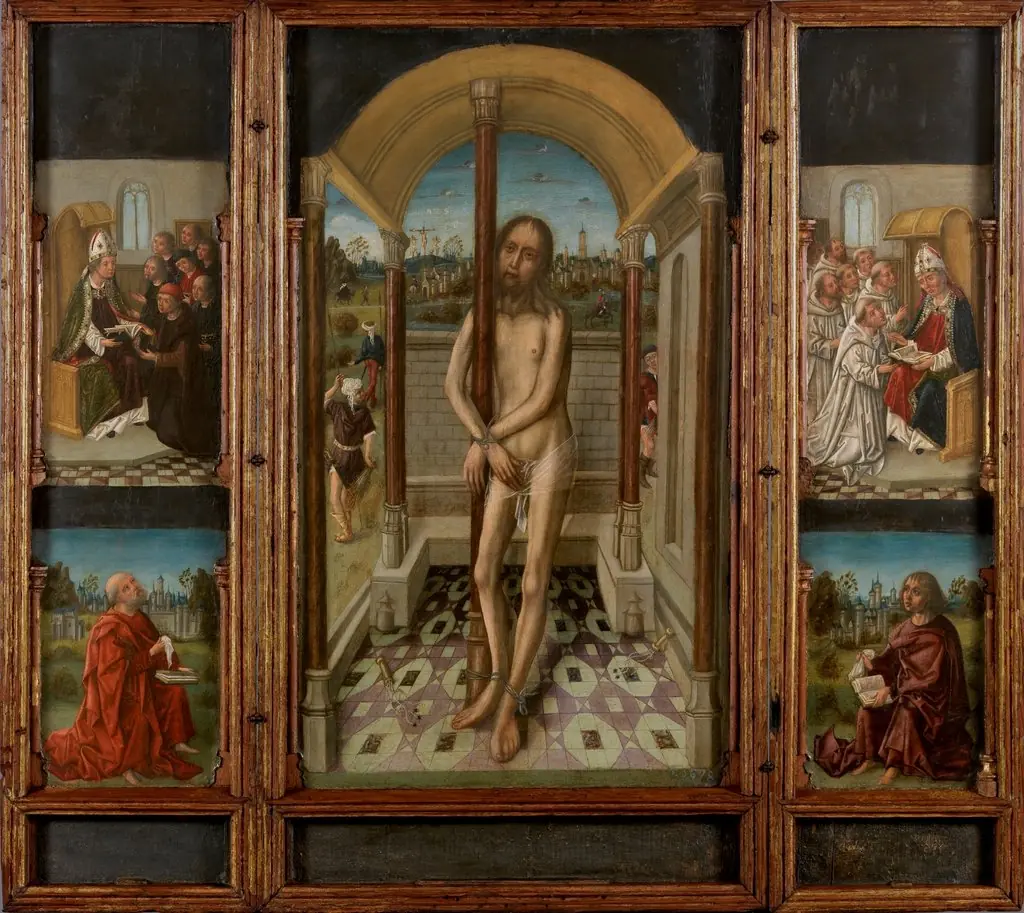 Tríptico de la Flagelación
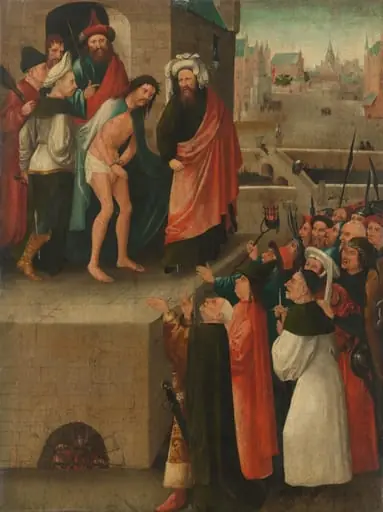 Ecce Homo
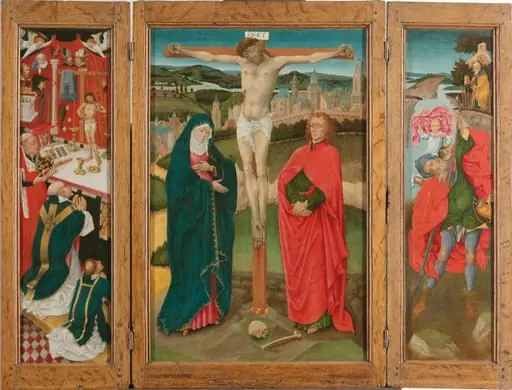 Drieluik met de kruisiging
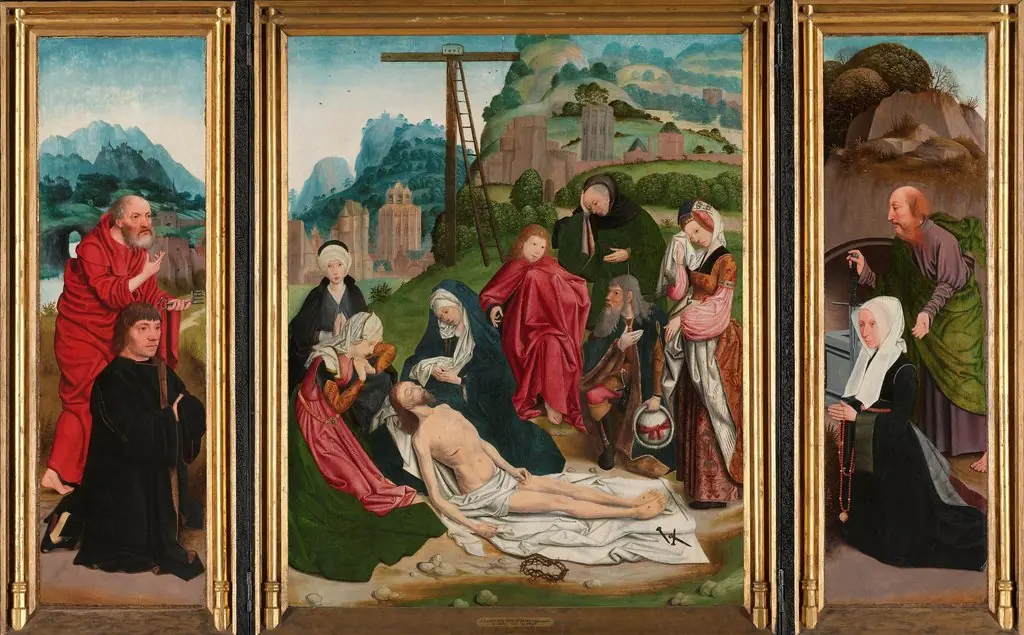 Triptych with the Lamentation (centre panel), the donor with St Peter (inner left wing), the donor’s wife with St Paul (inner right wing) and the donors’ coats of arms (outer wings)
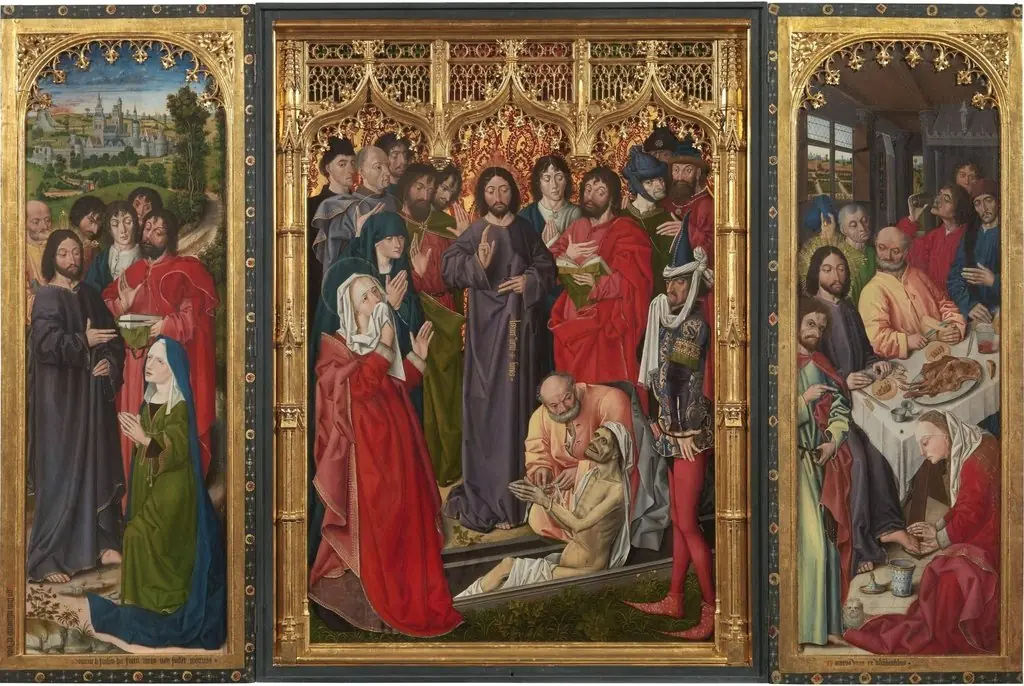 Resurrection of Lazarus
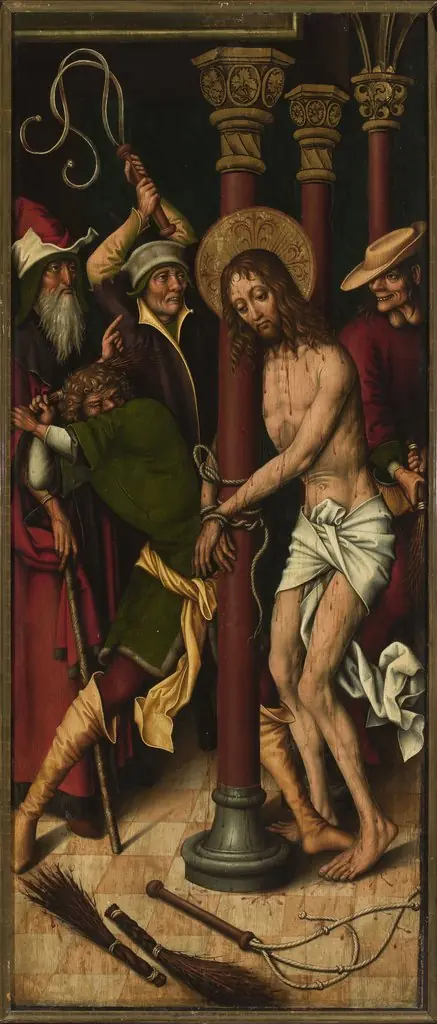 Flagellation of Christ
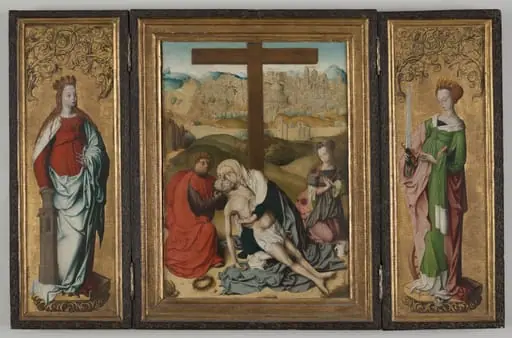 Triptych with The Lamentation of Christ (center), St. Barbara (left wing), St. Catherine of Alexandria (right wing), The Annunciation (reverse wings)
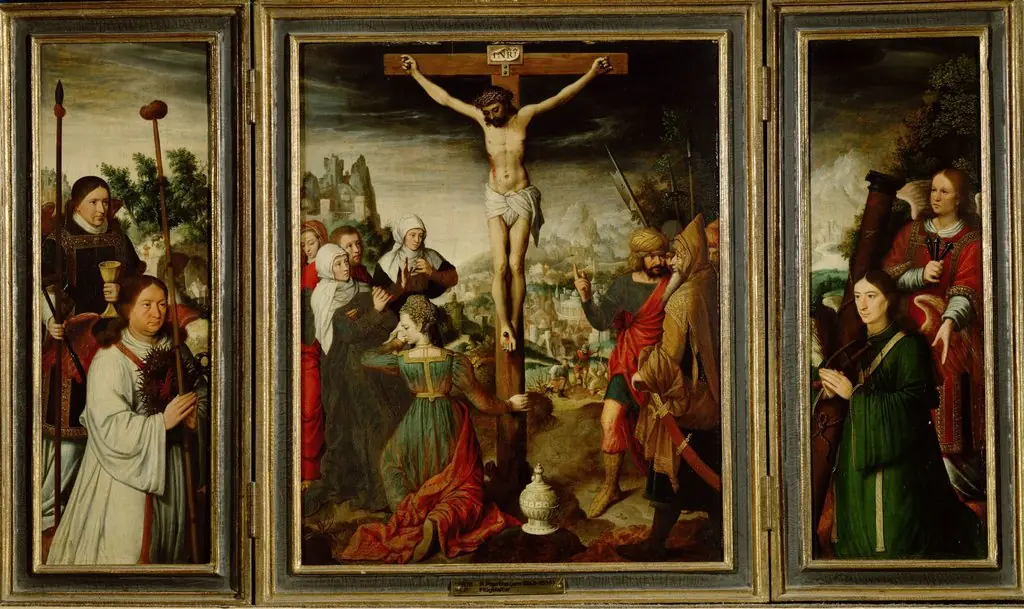 Kreuzigungstriptychon
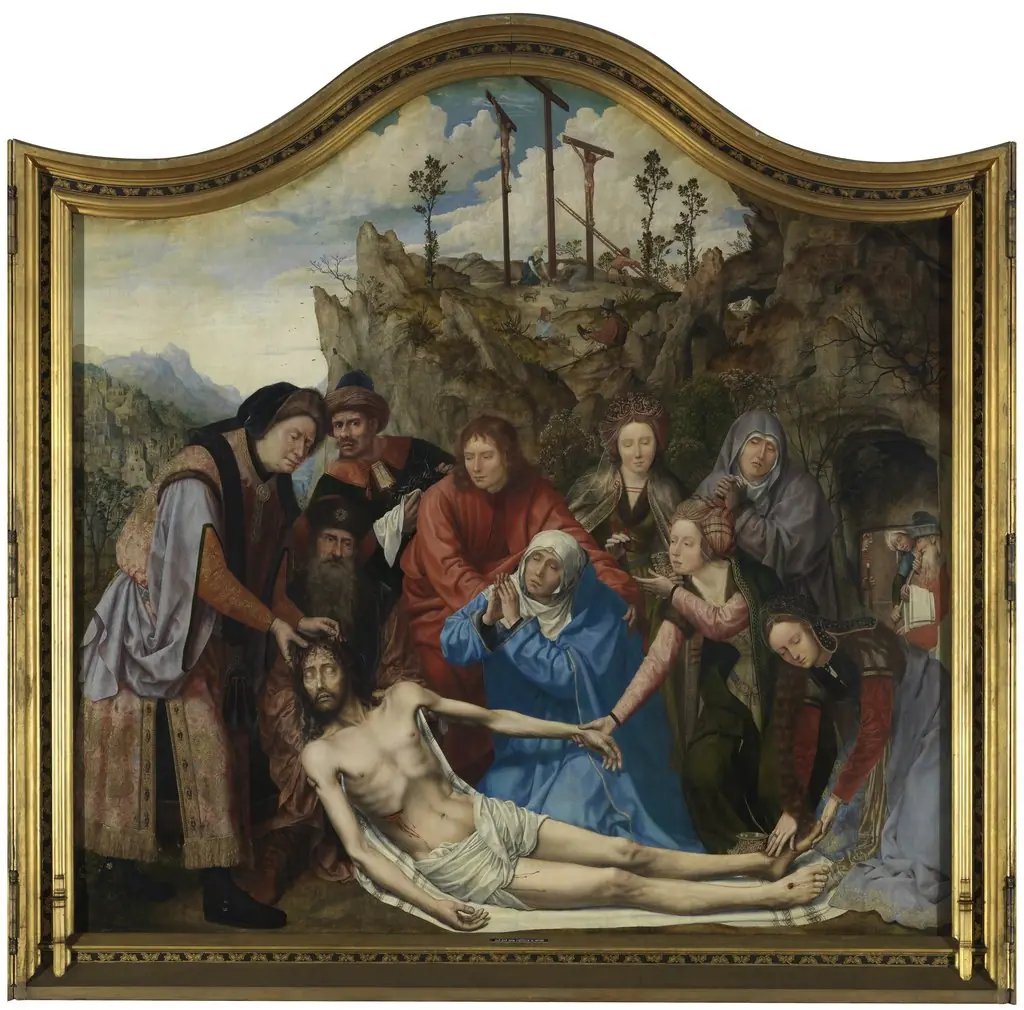 The Lamentation over the Dead Christ