Artwork
Landscape with a Moated Village
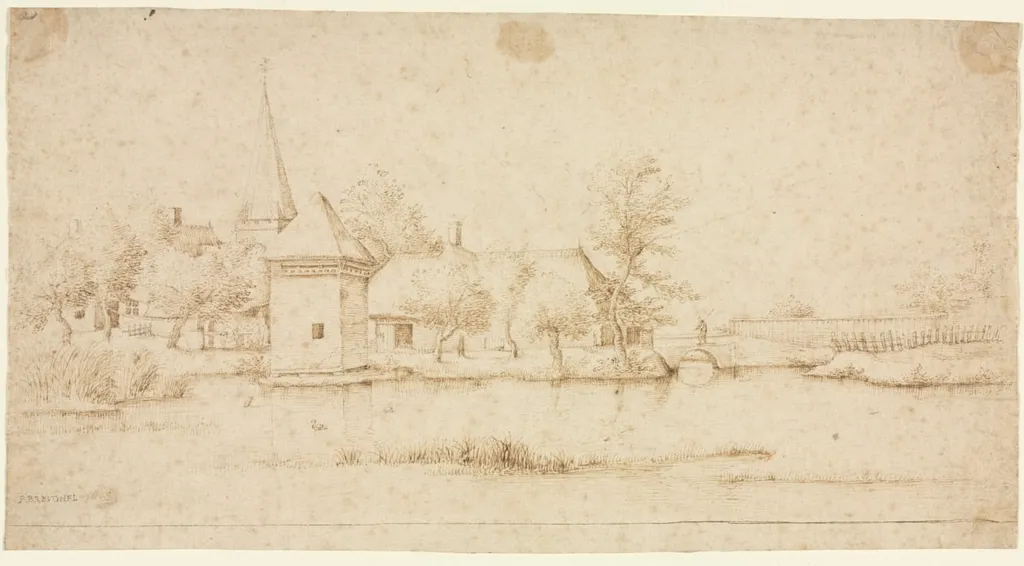
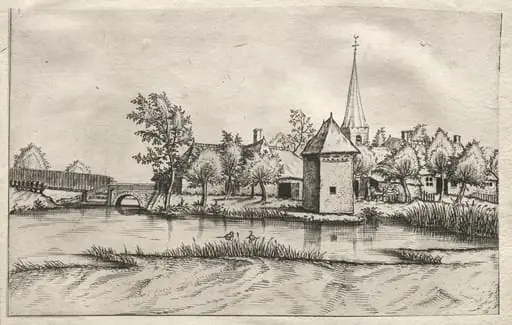
Landscape with a Moated Village is a drawing by the Renaissance artist Master of the Small Landscapes. It dates from 1560 and is held in the collection of the Cleveland Museum of Art.
About this work
Overview
The work was part of a commercial print series distributed by Hieronymus Cock, making landscape imagery accessible beyond elite collectors.
This drawing belongs to a series of small landscape prints produced in Antwerp around 1559, marking a shift in how rural scenes were depicted in Northern European art. Unlike earlier idealized views, it presents an unadorned, ground-level perspective of ordinary countryside. The work was part of a commercial print series distributed by Hieronymus Cock, making landscape imagery accessible beyond elite collectors.
Subject & Meaning
The scene depicts a modest village enclosed by a moat, surrounded by open pastures and a winding country road leading toward a vast sky. No figures of myth or nobility appear; instead, the focus is on the quiet rhythms of rural life. The artist’s choice to render such humble terrain as worthy of representation signaled a new appreciation for the everyday landscape as a subject in its own right.
Technique & Style
Executed in a direct, unembellished manner, the drawing uses restrained line work to suggest terrain, water, and architecture without ornamentation. The composition is balanced and horizontal, emphasizing spatial depth through receding planes rather than dramatic perspective. The style reflects close observation, aligning with the series’ claim of being drawn ‘from the life’—a deliberate rejection of fantasy in favor of topographical accuracy.
History & Provenance
The drawing is one of several related to a print series published by Hieronymus Cock in Antwerp in the late 1550s. These works were among the first landscape subjects mass-produced for a broad audience, including middle-class buyers. The series was advertised as faithful to real locations, distinguishing it from allegorical or imaginary views common in earlier traditions.
Context
In mid-16th-century Flanders, urban growth and rising literacy fostered interest in depictions of local environments. The publication of these small landscapes coincided with increasing regional pride and a shift toward secular subjects in art. By focusing on actual villages and fields, the series contributed to a cultural movement that valued the familiar over the heroic or divine.
Legacy
The series helped establish landscape as a legitimate genre independent of religious or mythological narrative. Its emphasis on direct observation and everyday scenery influenced later Dutch artists in the 17th century, who expanded the tradition into a dominant form of painting. These early prints laid the groundwork for a visual culture centered on the authentic representation of the natural world.
Artist & collection

Artist
Master of the Small Landscapes
The Master of the Small Landscapes was a Flemish artist from the mid-16th century known for his landscape drawings.

 Landscape with a Milkman
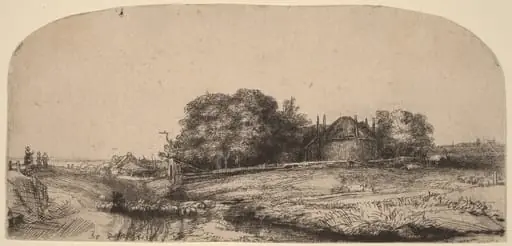 Landscape with a Hay Barn and a Flock of Sheep
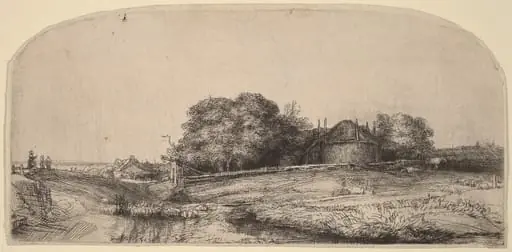 Landscape with a Hay Barn and a Flock of Sheep
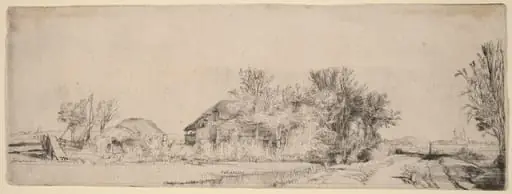 Landscape with a Road beside a Canal
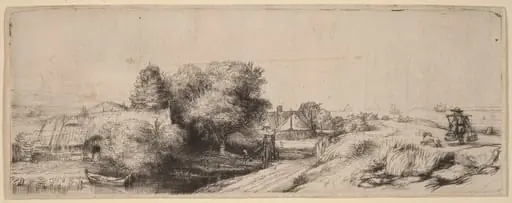 Landscape with a Milkman
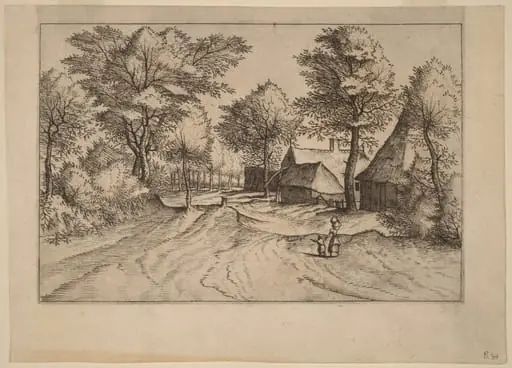 Village Road with Farm and Sheds
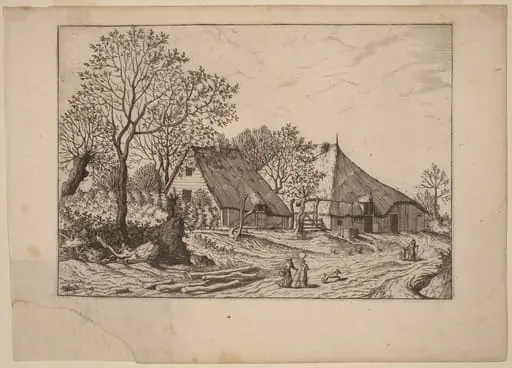 Farm with Shed and Draw Well
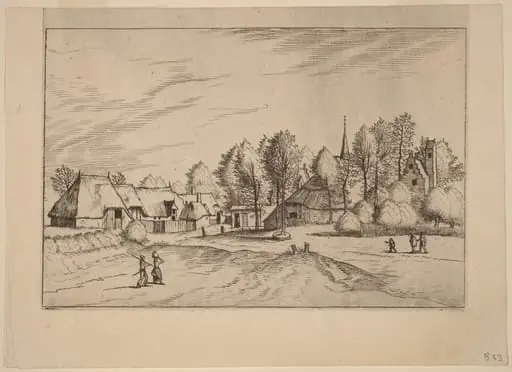 Country Village with Church Tower
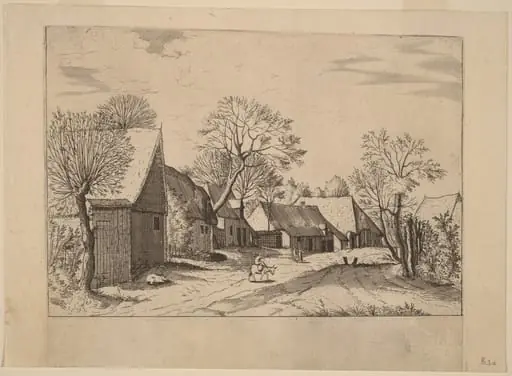 Farms and Shed
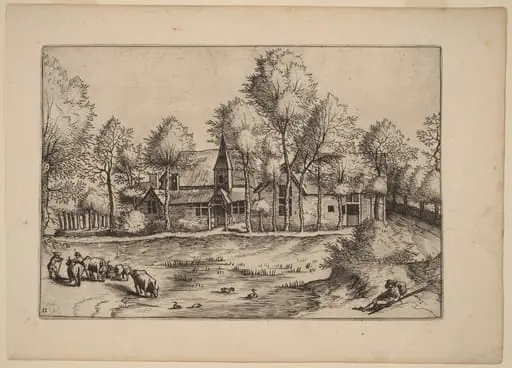 Country Village with Church
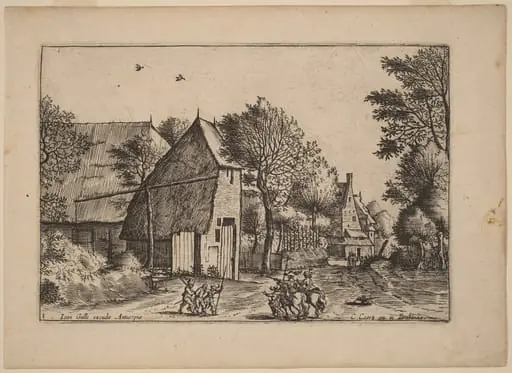 Village Road with Draw Well
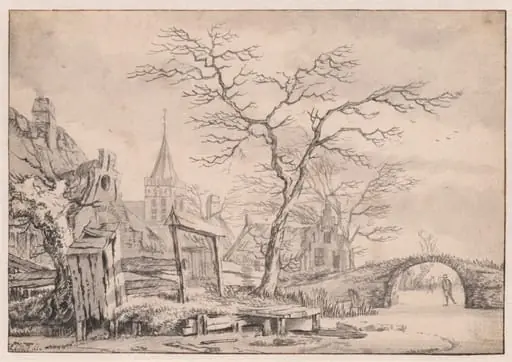 Winter Landscape with Skater