Artwork
Crucifixion
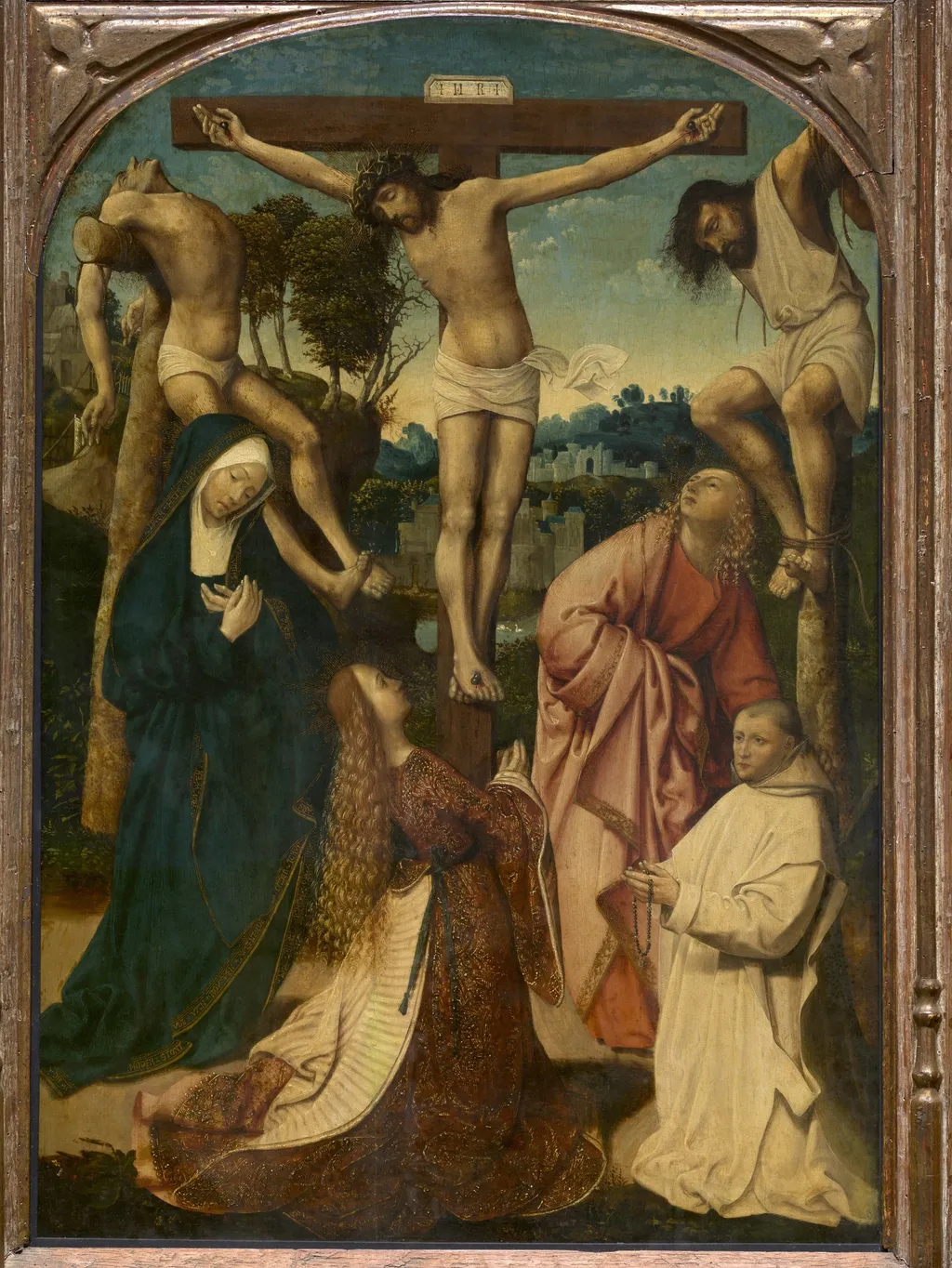
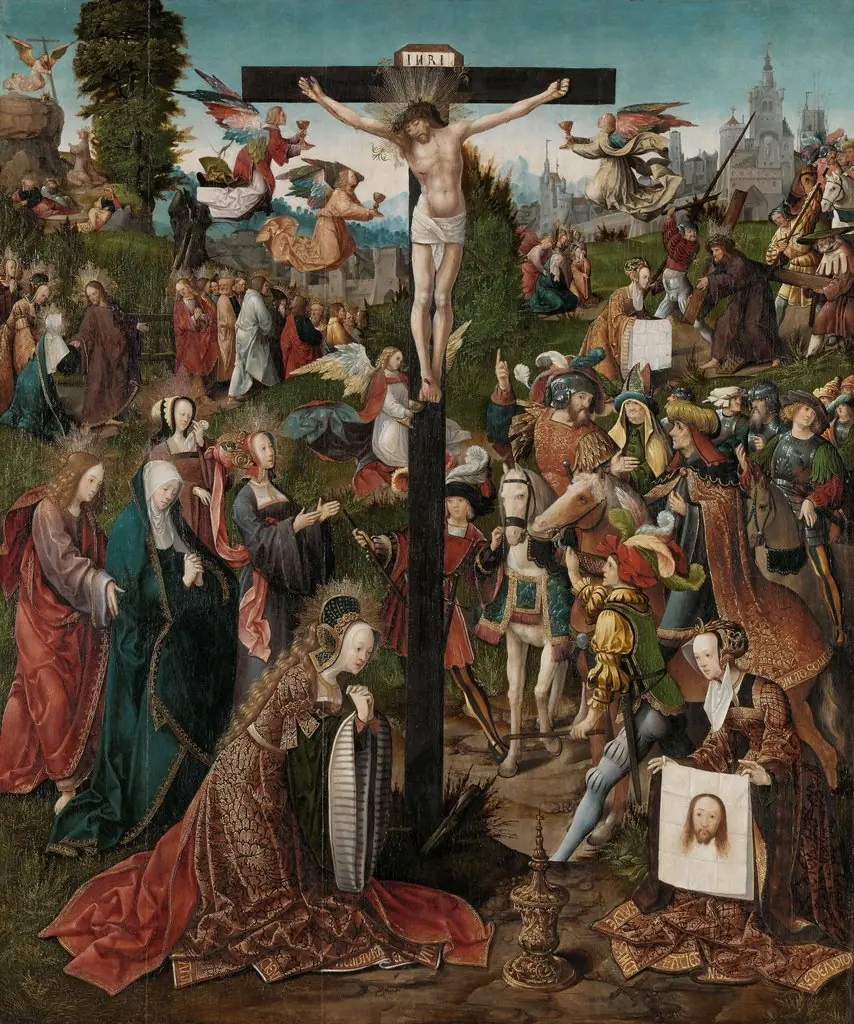
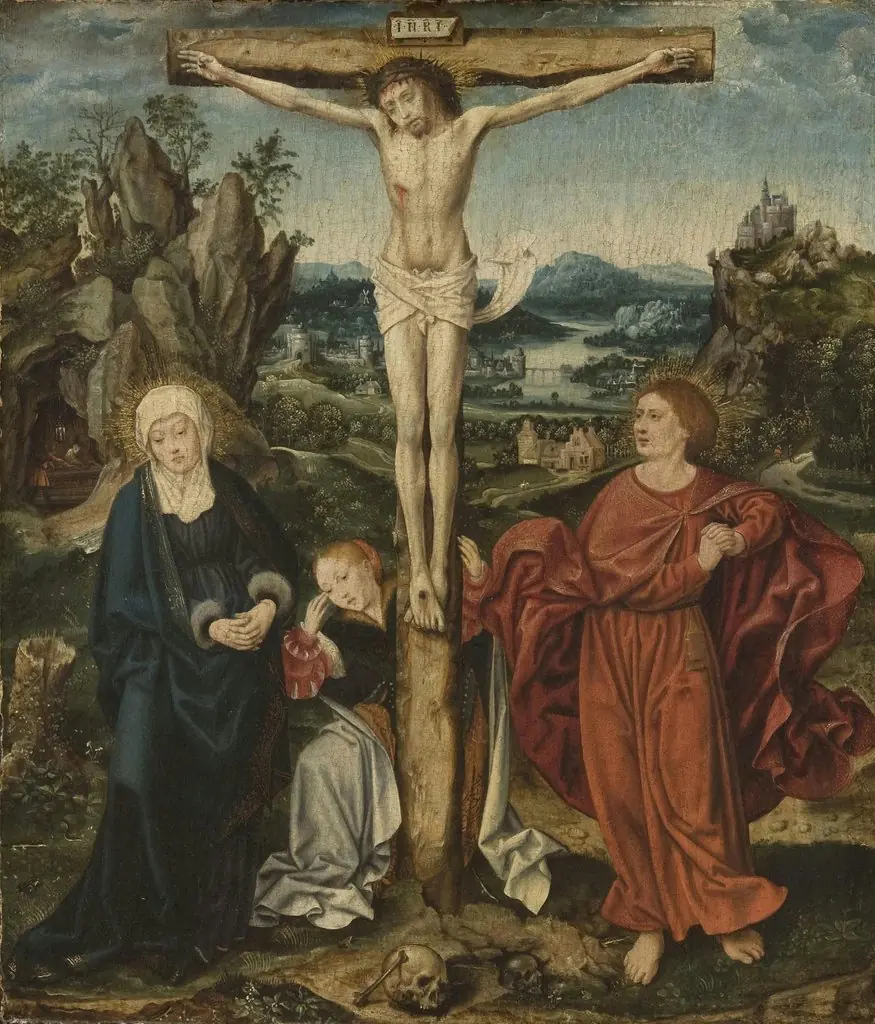
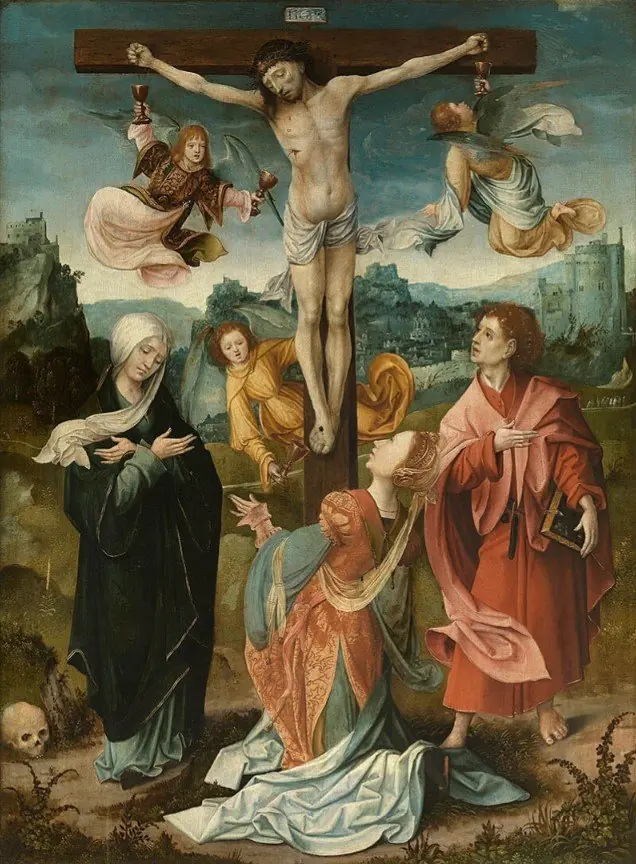
Crucifixion is an oil painting by Jacob Cornelisz van Oostsanen. It dates from 1524 and is held in the collection of the Royal Museum of Fine Arts Antwerp. Painted in 1524 by Jacob Cornelisz.
About this work
Overview
van Oostsanen, this oil-on-panel work depicts the Crucifixion as part of a broader tradition of religious imagery in early 16th-century Northern Europe.
Painted in 1524 by Jacob Cornelisz. van Oostsanen, this oil-on-panel work depicts the Crucifixion as part of a broader tradition of religious imagery in early 16th-century Northern Europe. Van Oostsanen, among the earliest documented artists working in Amsterdam, contributed to the city’s emerging artistic identity during a period of economic and cultural expansion. The painting remains in the collection of the Royal Museum of Fine Arts Antwerp.
Subject & Meaning
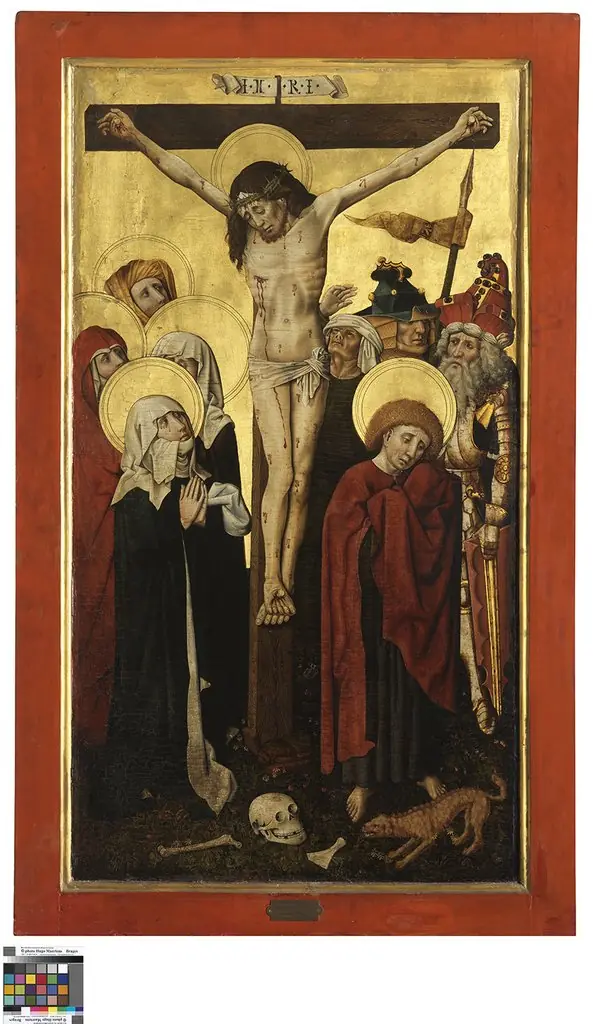
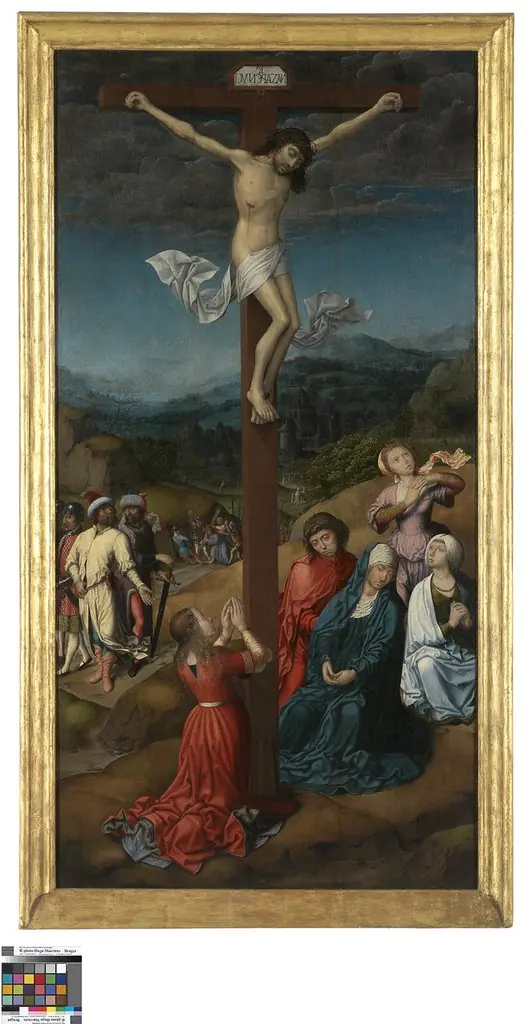
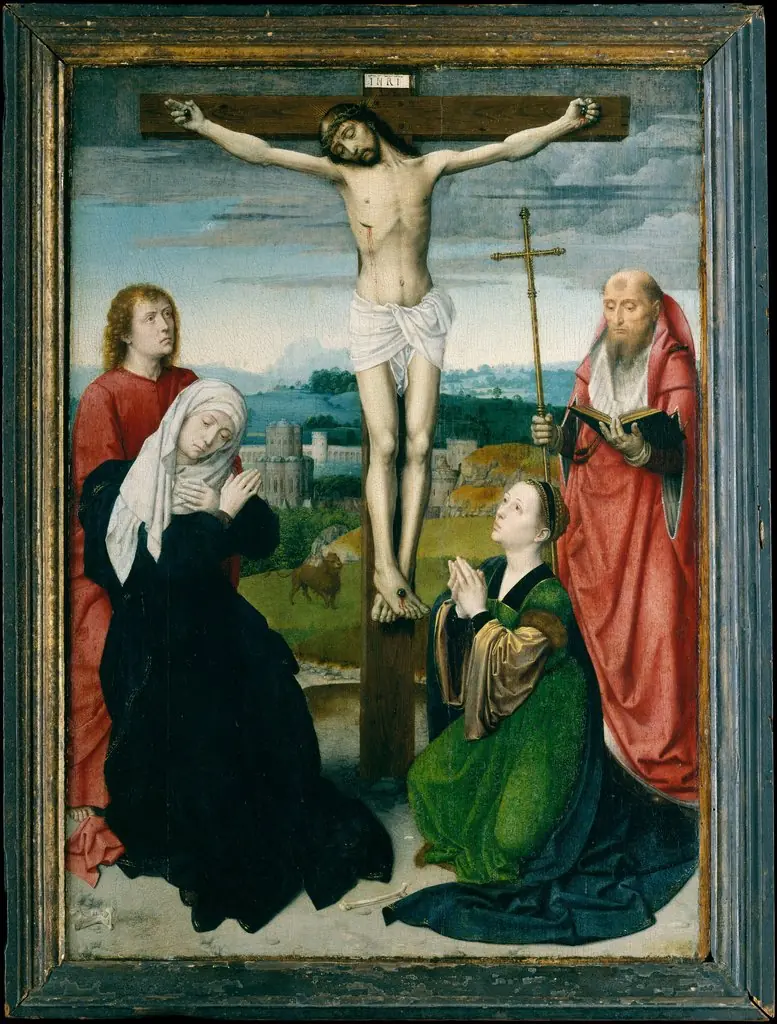
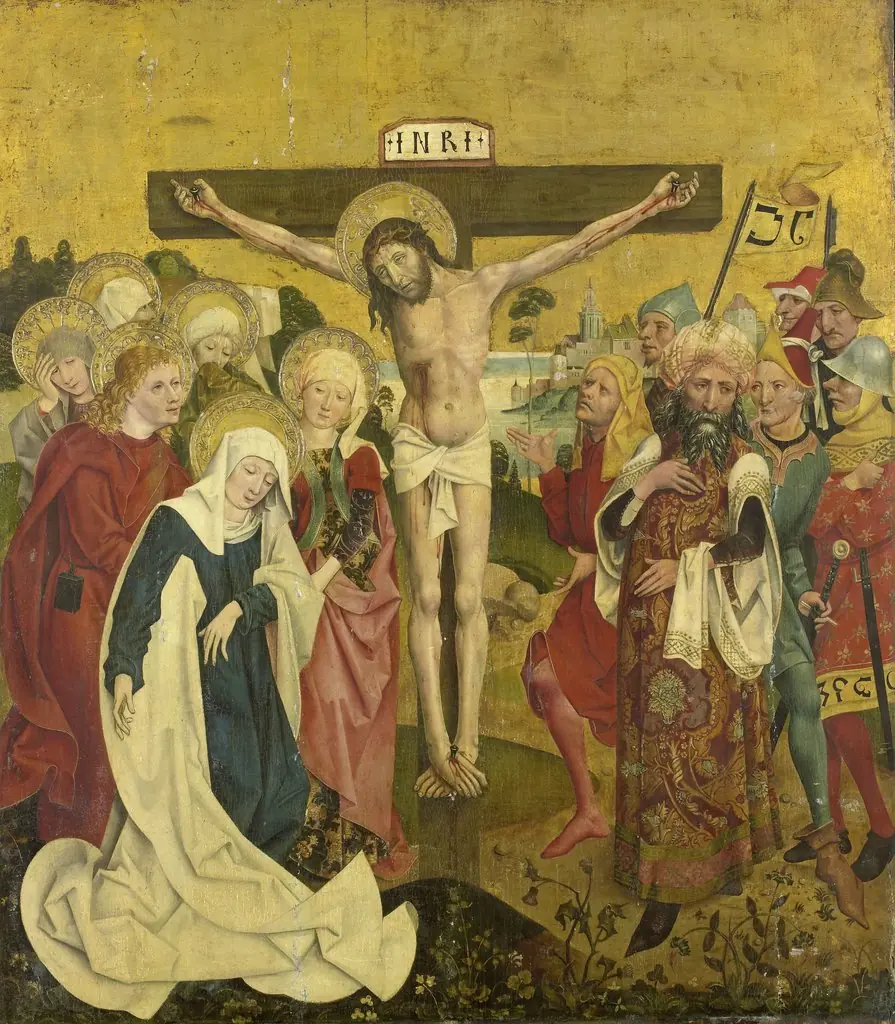
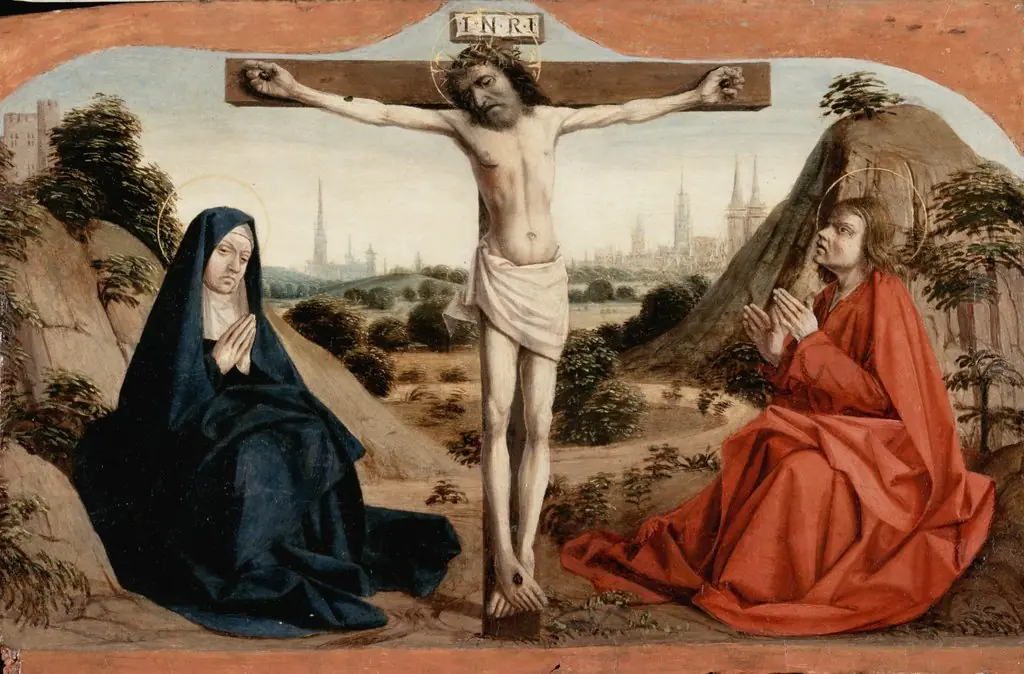
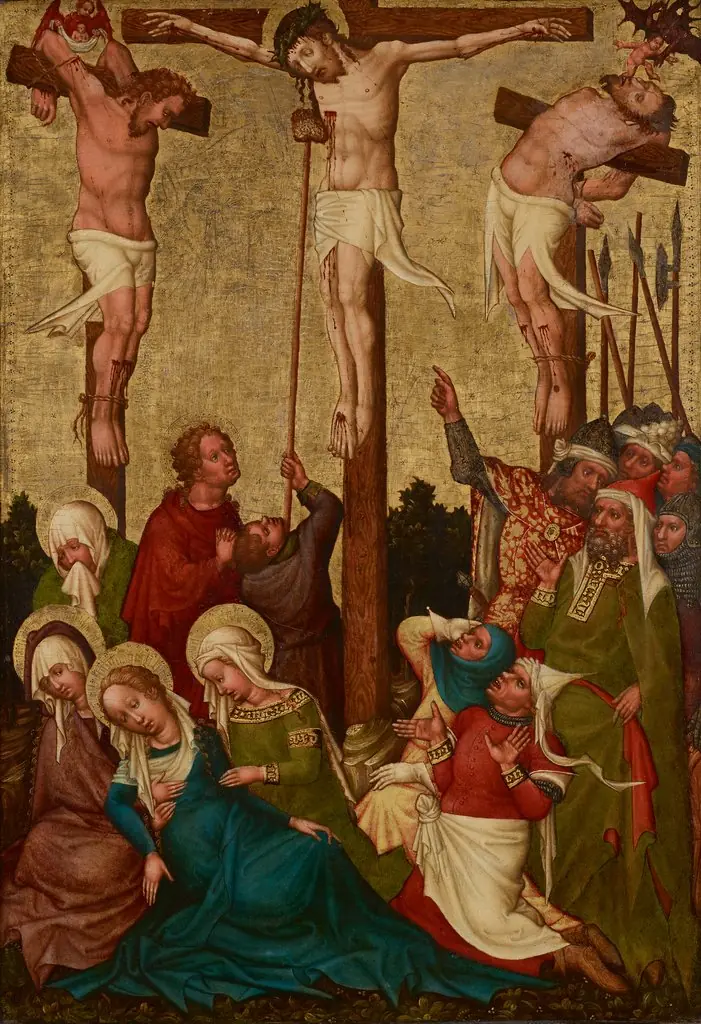
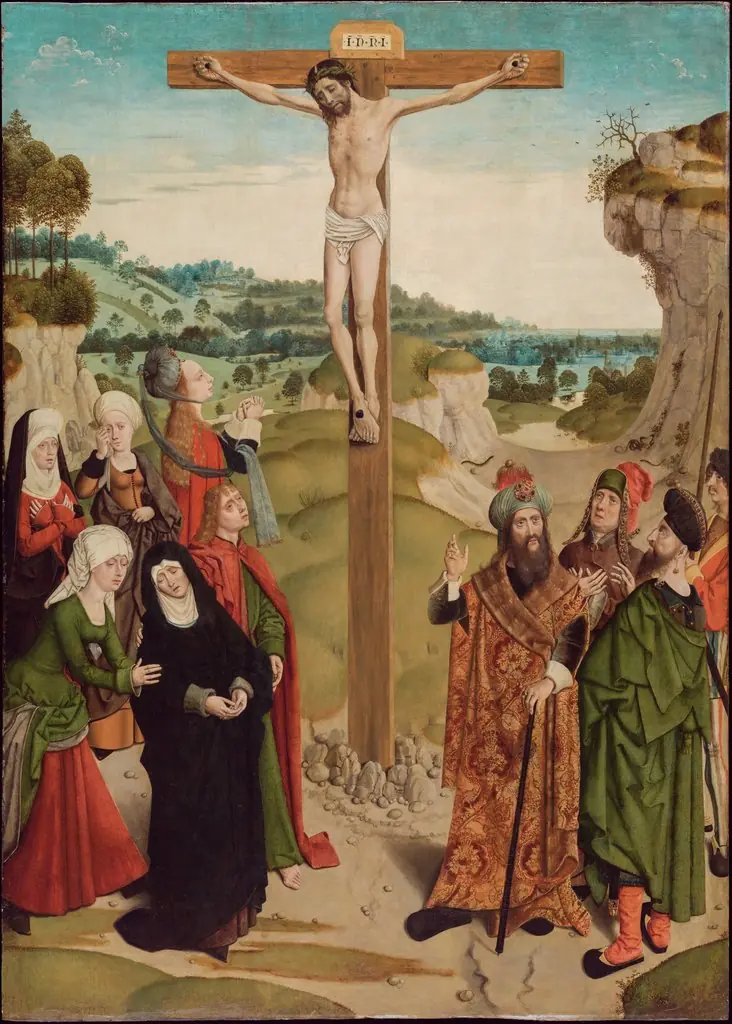
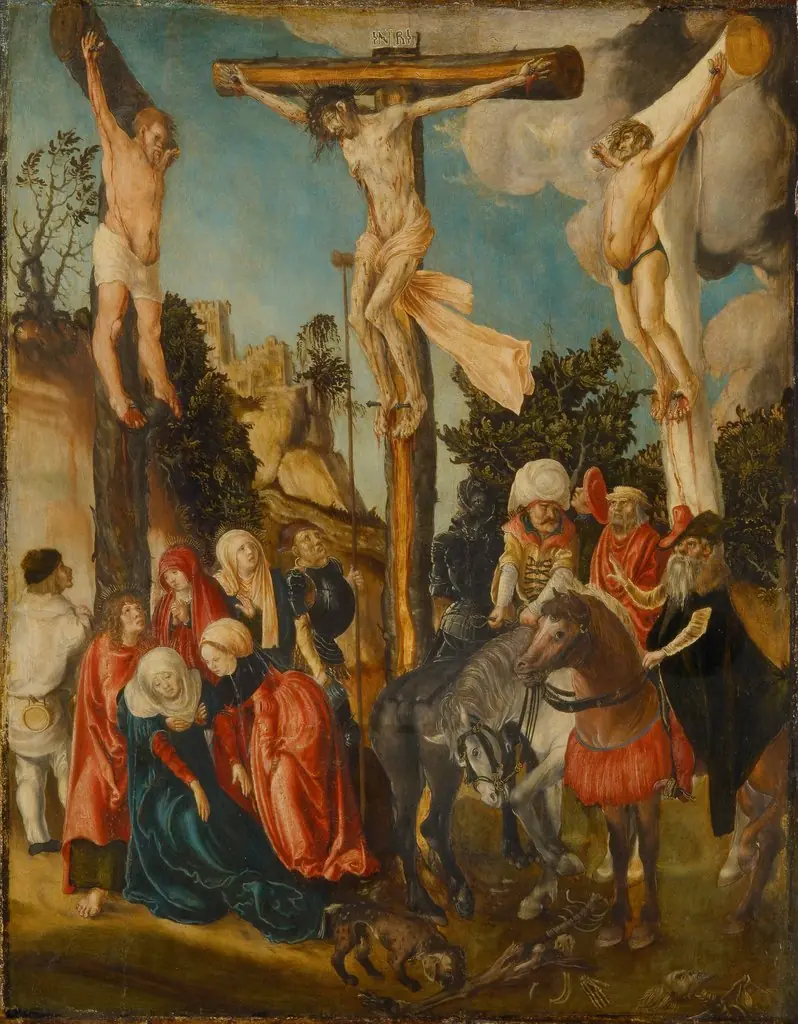
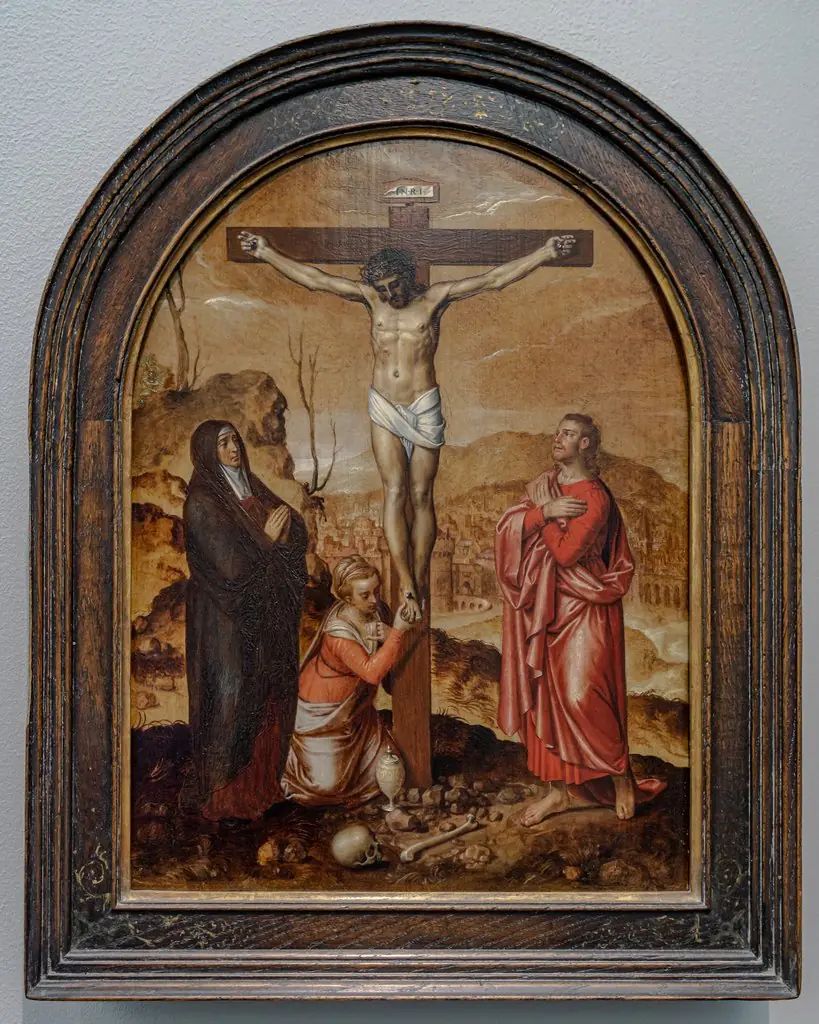
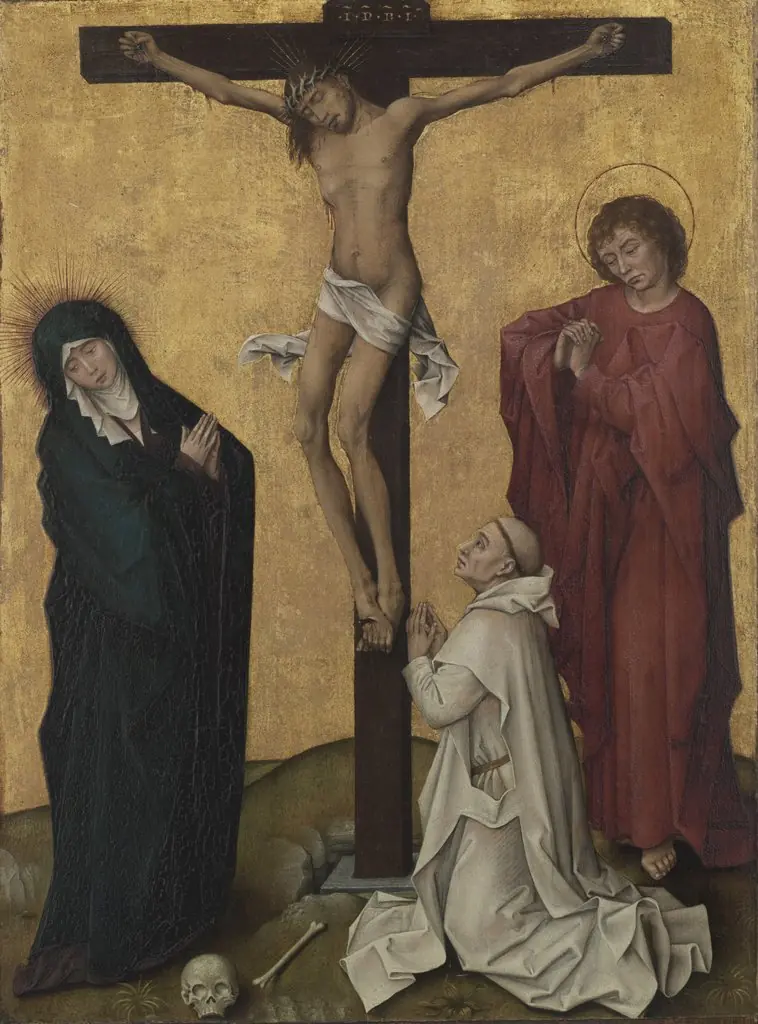
The scene centers on Christ’s crucifixion, flanked by two thieves, as described in the Gospels. Below, a group of onlookers expresses varied emotional responses: prayer, grief, and contemplation. The woman in blue, clasping her hands, embodies devout sorrow, while the figure in red kneels in awe. The man holding a book may represent a scribe or witness, reinforcing the narrative’s scriptural authority and the moment’s theological gravity.
Technique & Style
Van Oostsanen employs chiaroscuro to model forms and direct focus toward the central cross, enhancing the scene’s emotional intensity. Figures are rendered with careful attention to drapery and gesture, though their proportions remain somewhat stylized. The composition is tightly organized, with layered planes creating depth without full perspective realism. His background in woodcut design is evident in the linear clarity and rhythmic arrangement of figures.
History & Provenance
The painting was completed during van Oostsanen’s mature period in Amsterdam, a time when the city was becoming a center for print and panel painting. It entered the Royal Museum of Fine Arts Antwerp’s collection in the 19th century, likely through acquisition from a private or ecclesiastical source. Its survival reflects its continued value as a devotional and artistic object through centuries of religious and political change.
Context
Created just before the Reformation’s full impact on the Low Countries, the painting reflects a Catholic devotional tradition still dominant in northern cities. Van Oostsanen’s work bridges late medieval iconography and early Renaissance naturalism, influenced by both German engraving traditions and local Netherlandish practices. His role as both painter and printmaker situates him at the intersection of fine art and mass-produced religious imagery.
Legacy
Van Oostsanen’s Crucifixion exemplifies the transition in Northern Netherlandish art toward more emotionally resonant, human-centered religious scenes. Though less widely known than contemporaries like Dürer or Bruegel, his output helped establish Amsterdam as a viable artistic center. The painting remains a key reference for understanding regional styles before the rise of the Dutch Golden Age.
Artist & collection
Artist
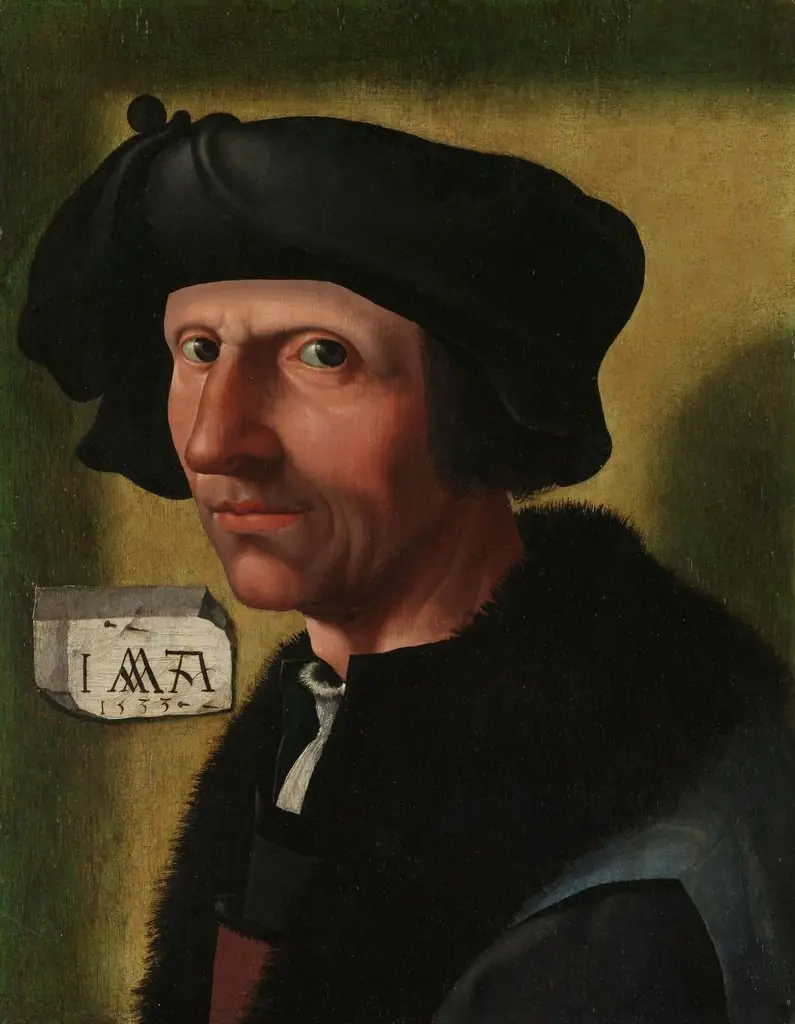
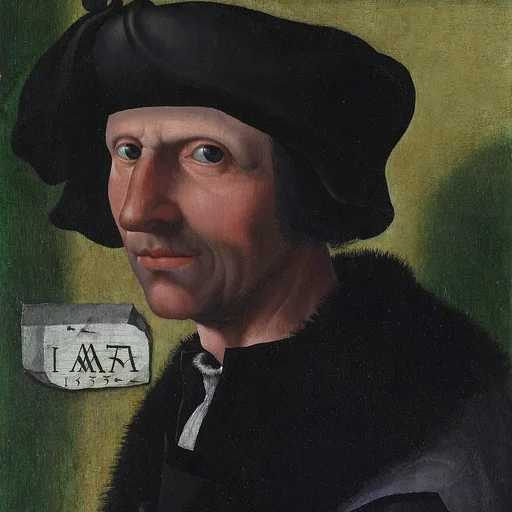
Jacob Cornelisz van Oostsanen (before 1470 – 1533) was a Northern Netherlandish designer of woodcuts and painter.