Artwork
The Holy Trinity with the Virgin Mary and St John the Evangelist
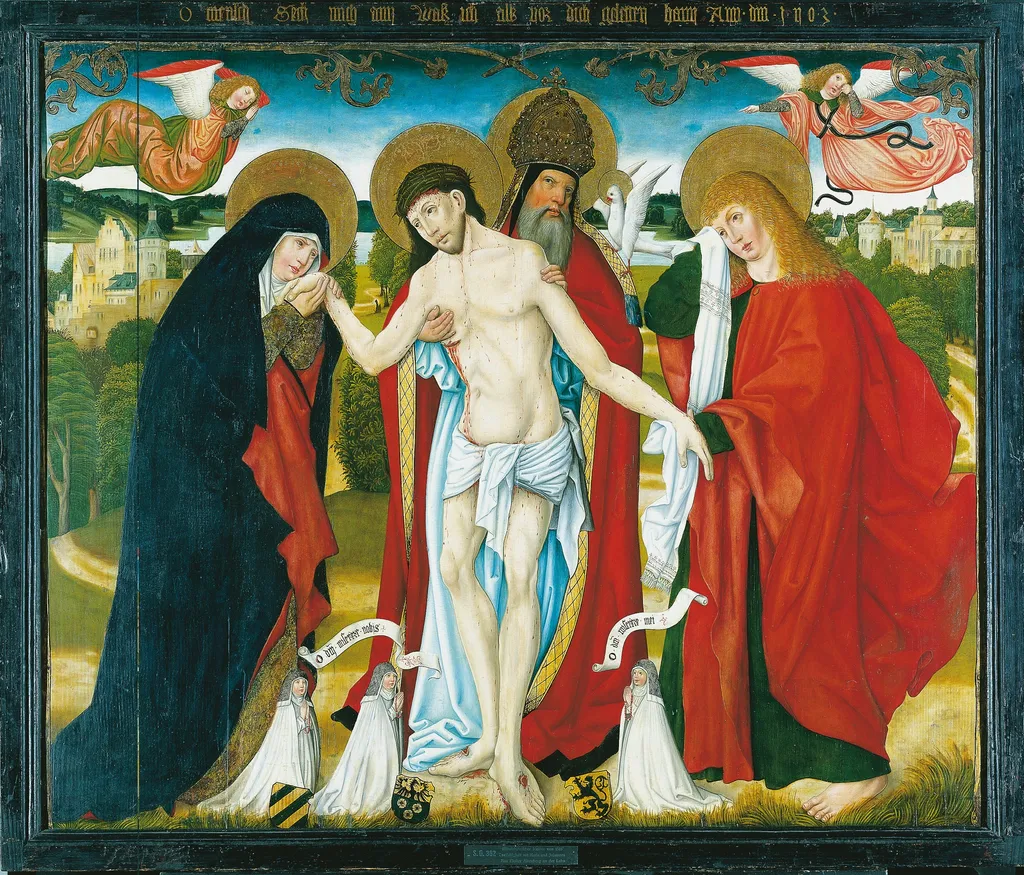
The Holy Trinity with the Virgin Mary and St John the Evangelist is an unspecified painting by the Northern Renaissance artist Master of the Wendelin Altar. It dates from 1503 and is held in the collection of the Städel Museum.
About this work
Overview
The Holy Trinity with the Virgin Mary and St John the Evangelist is a 1503 religious painting by the Master of the Wendelin Altar, housed at the Städel Museum.
Subject & Meaning
The painting centers on Jesus Christ, flanked by two haloed figures identified as the Virgin Mary (left, in black over red) and St John the Evangelist (right, in red over green). Christ, unclothed, gestures with his right hand to his chest and holds a cloth with his left, while the pair supports him, symbolizing their roles in the Trinity's divine and human connection.
Technique & Style
The work showcases meticulous detail, intricate designs, and a vibrant color palette. The composition, set against a detailed landscape backdrop (featuring trees, buildings, and a blue sky), employs color and spatial arrangement to evoke depth and emotional resonance.
History & Provenance
Created in 1503, the painting is attributed to the Master of the Wendelin Altar. Its current location is the Städel Museum, though the full provenance history is not detailed here.
Context
Painted in the early 16th century, this work reflects the devotional themes and artistic traditions of its time, blending religious symbolism with emerging Renaissance influences in its use of landscape and figure composition.
Legacy
While specific influences or direct artistic legacies are not outlined, the painting remains a notable example of early 16th-century religious art, offering insights into the period's spiritual and aesthetic values.
Artist & collection
Artist
This German painter worked around 1500, when altarpieces told Bible stories in glowing colors.

 Crucifixion
 The Crucifixion
 Triptych with the Lamentation of Christ
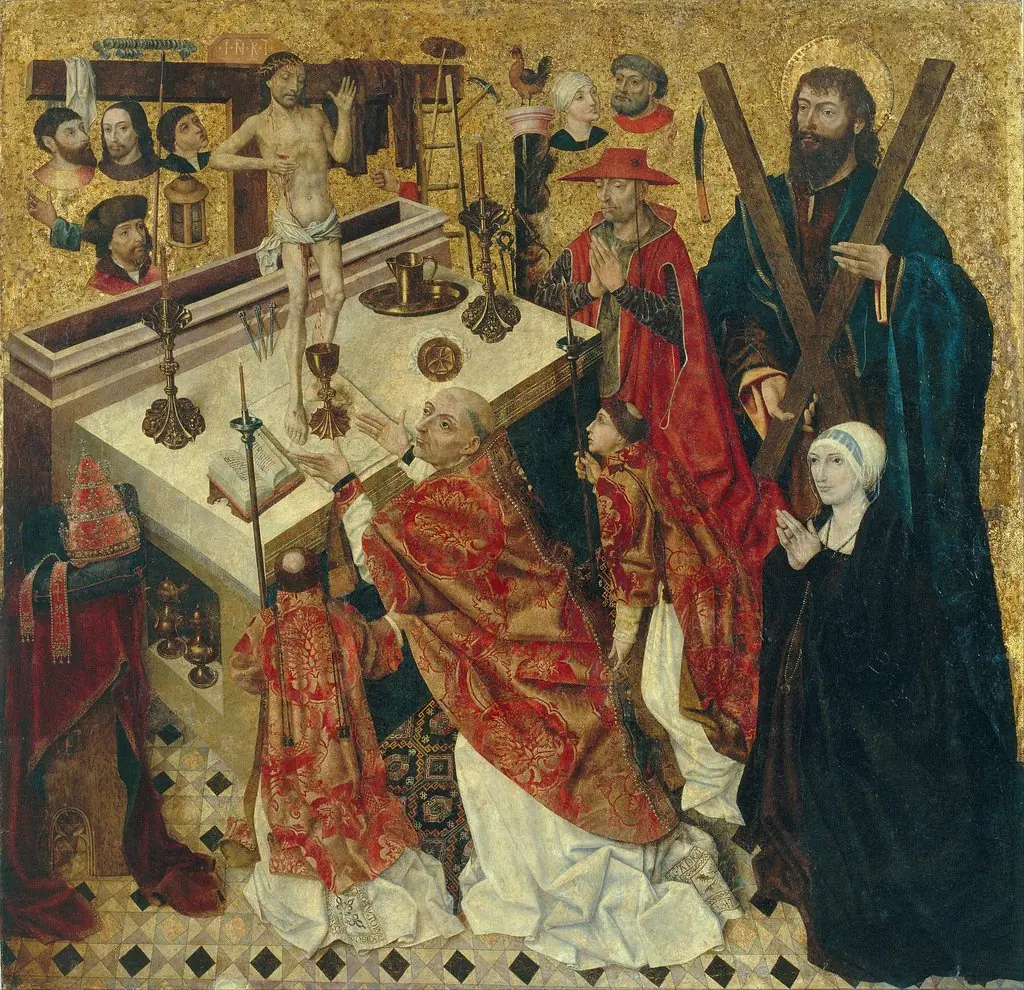 The Mass of Saint Gregory
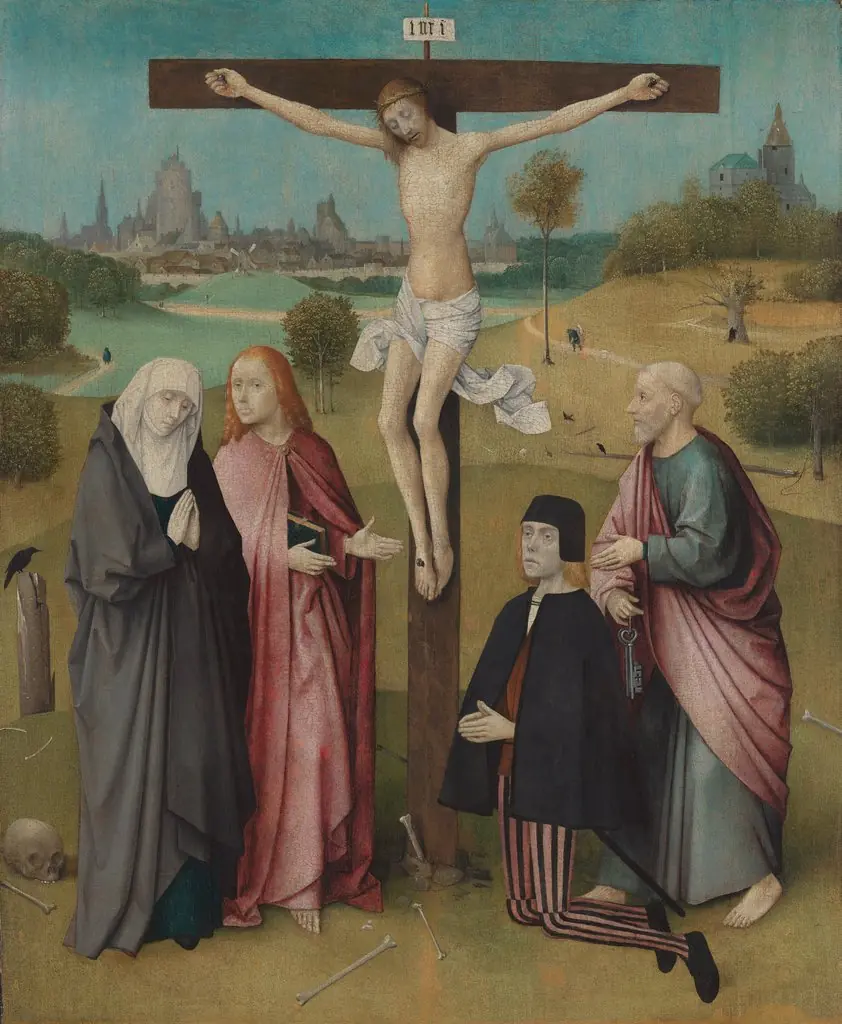 Crucifixion with a Donor
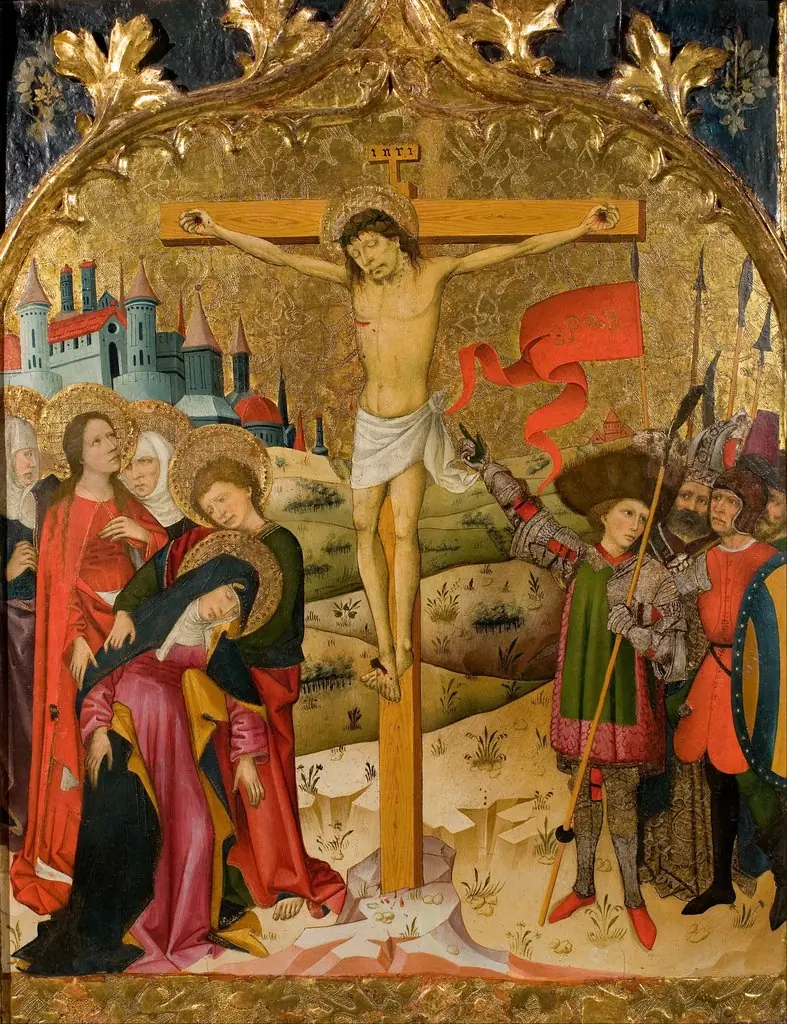 Calvary
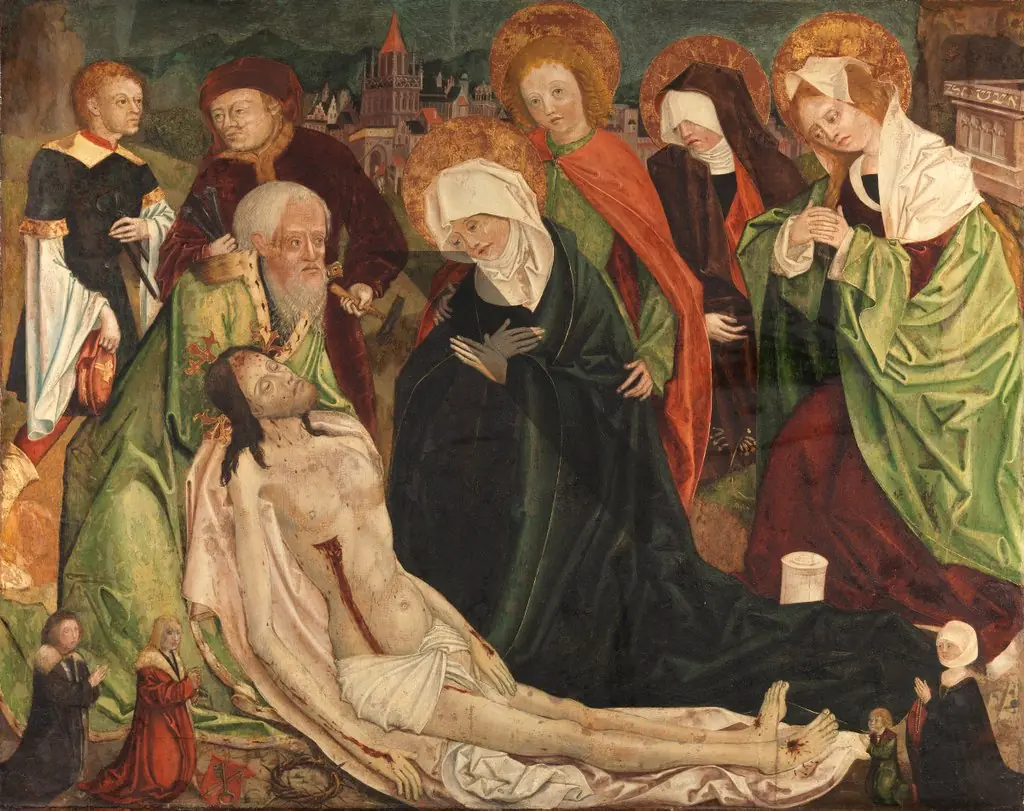 The Lamentation of Christ
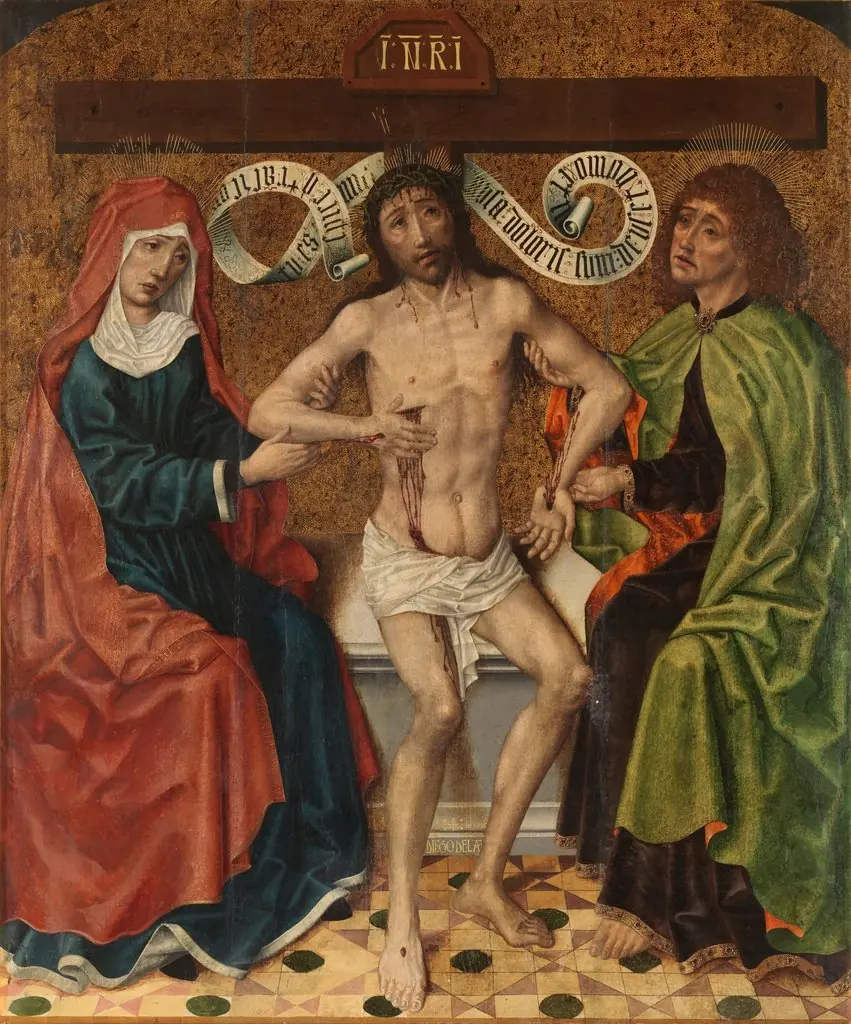 Christ between the Virgin and Saint John
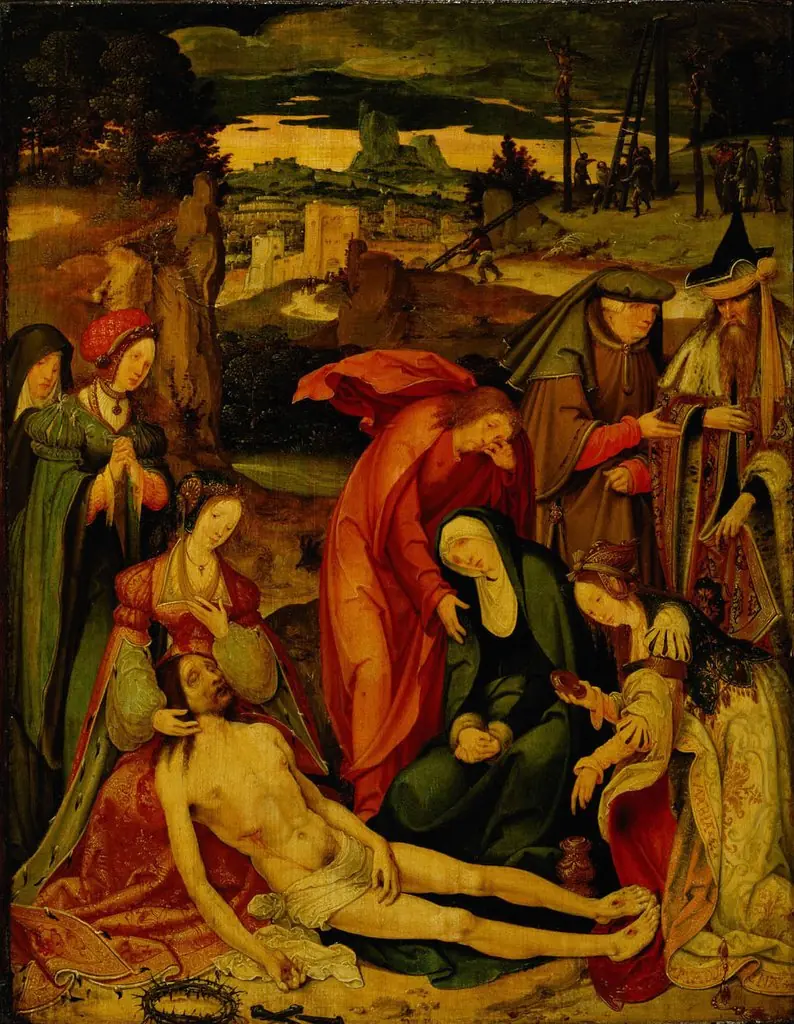 The Lamentation
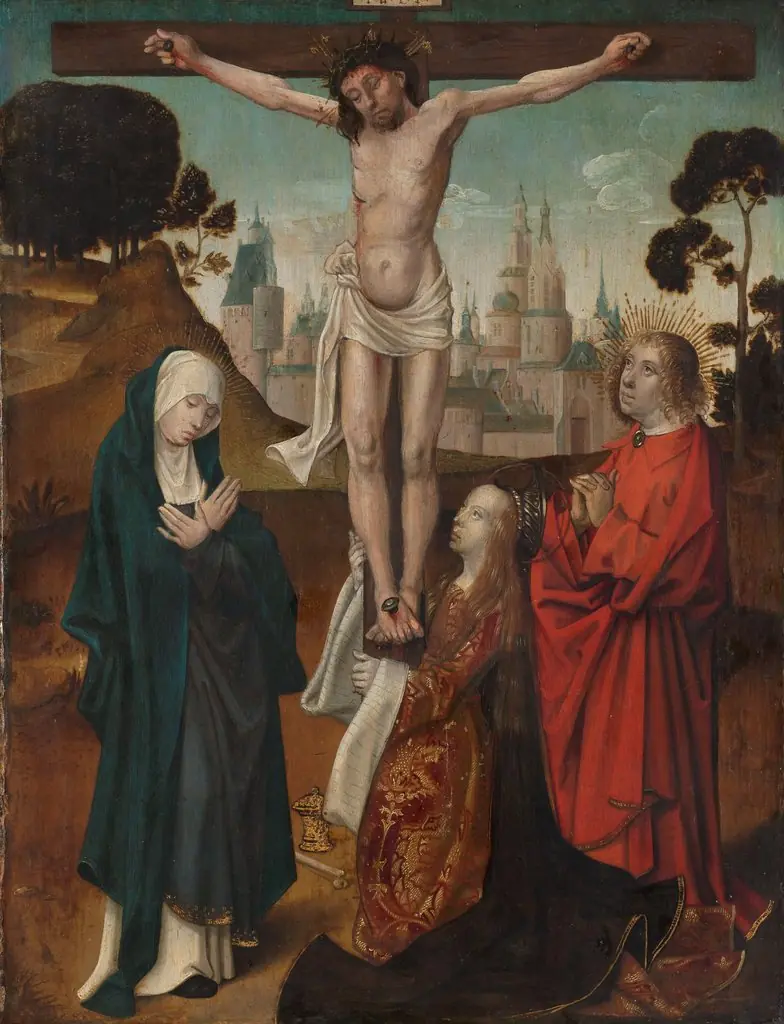 Crucifixion with the Virgin, Mary Magdalen and St John the Evangelist
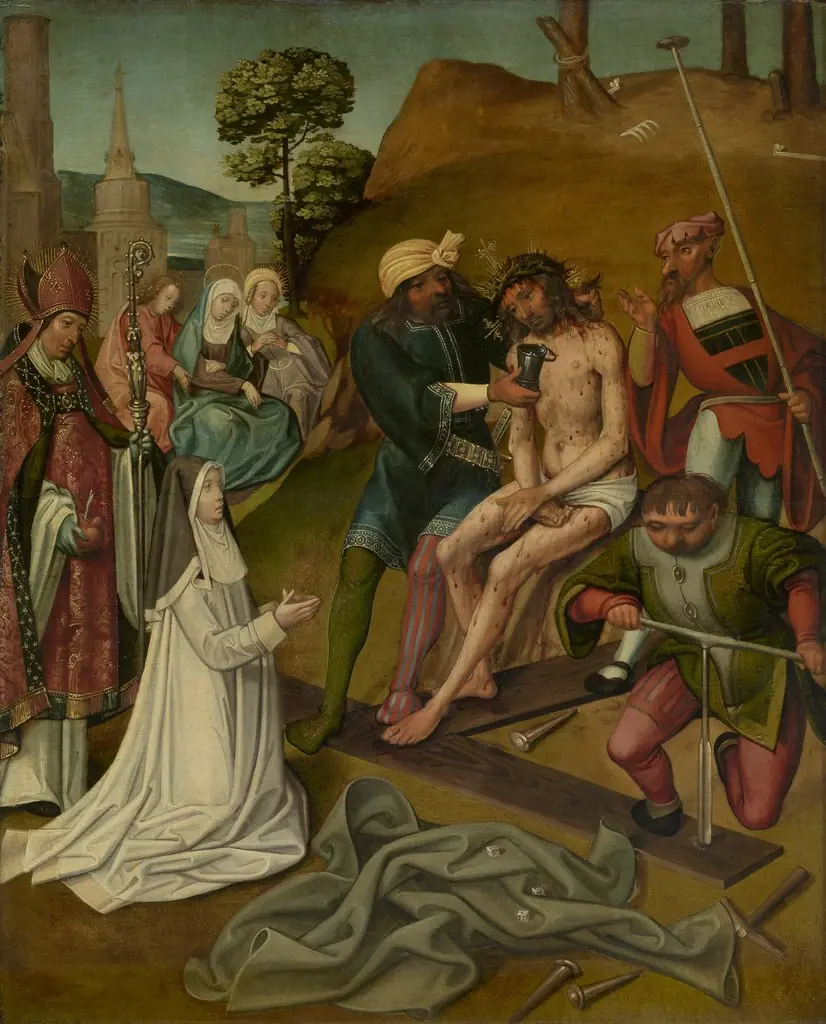 Before the Crucifixion
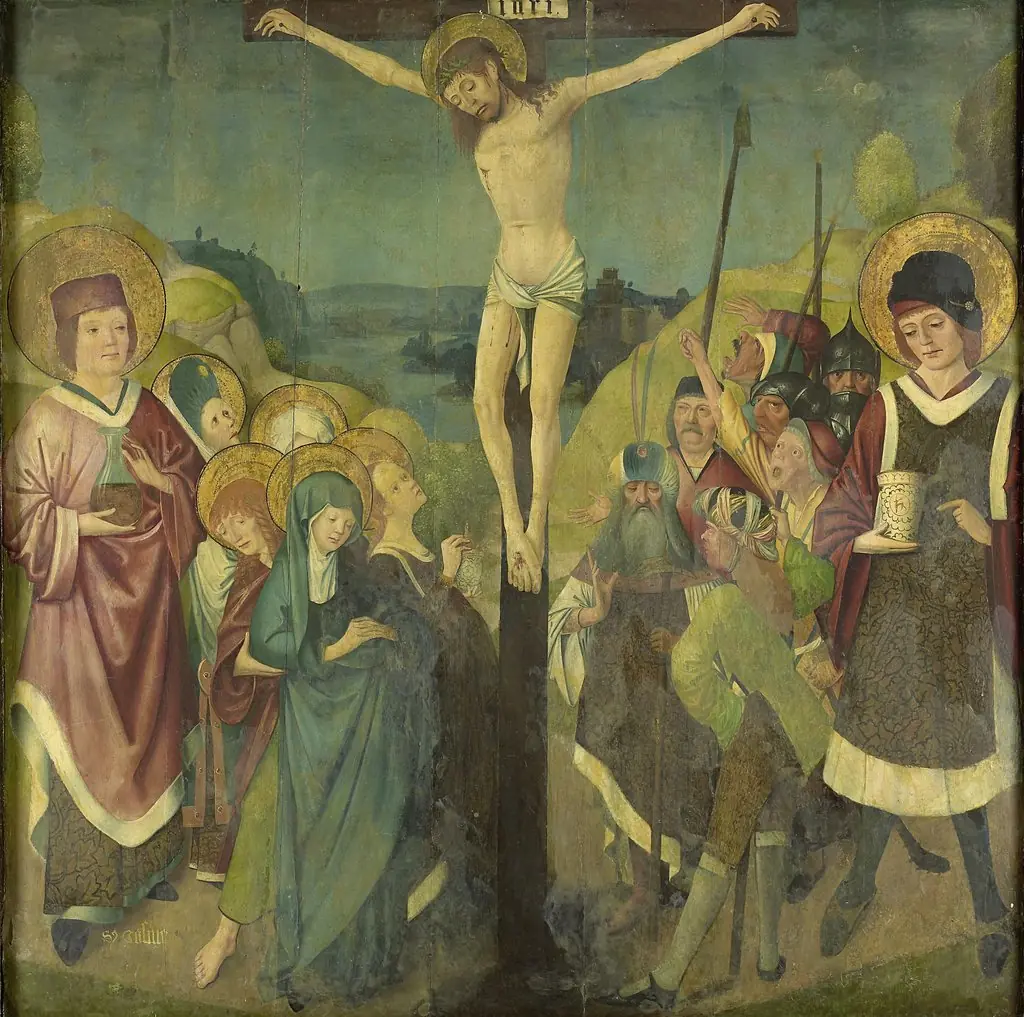 Crucifixion with Saints Cosmas and Damian