Artwork
Christ in the garden of Gethsename
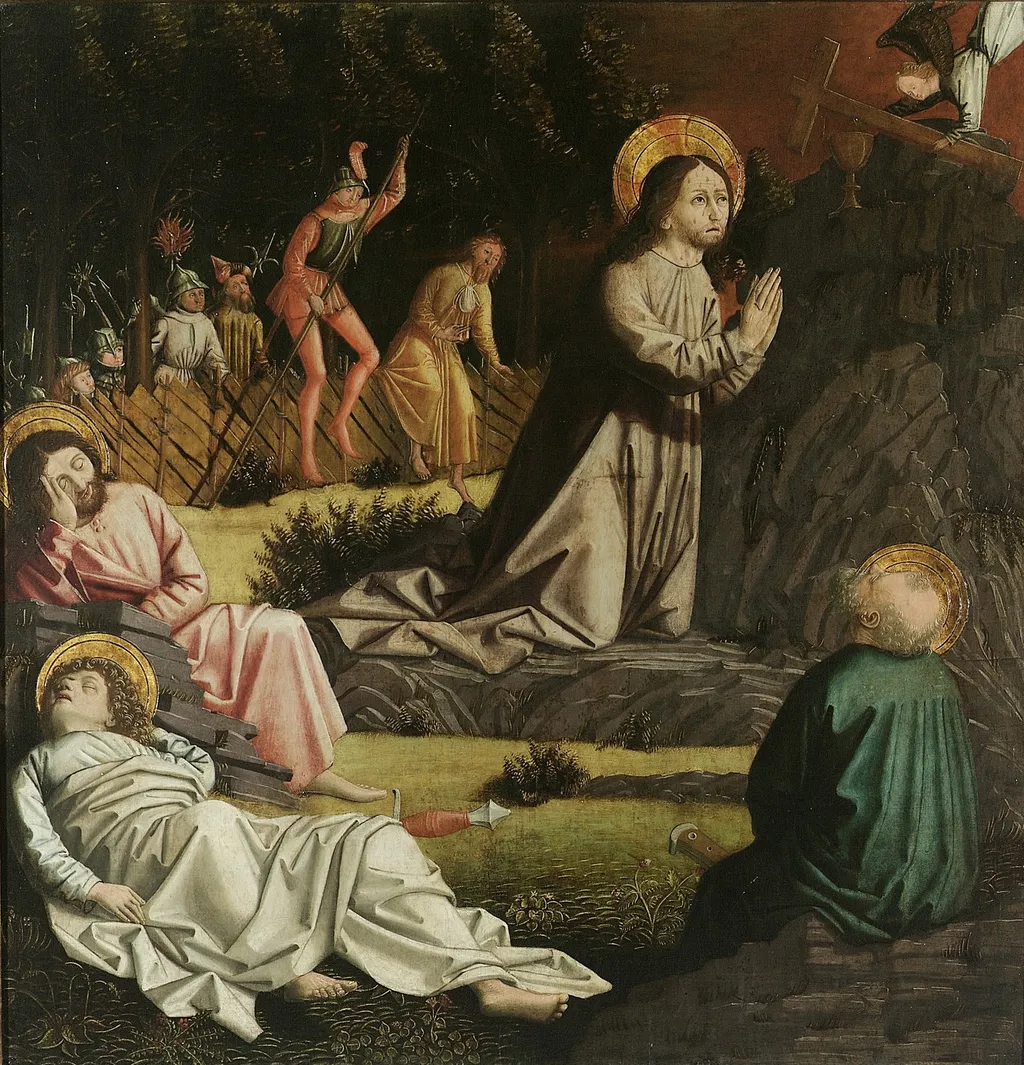
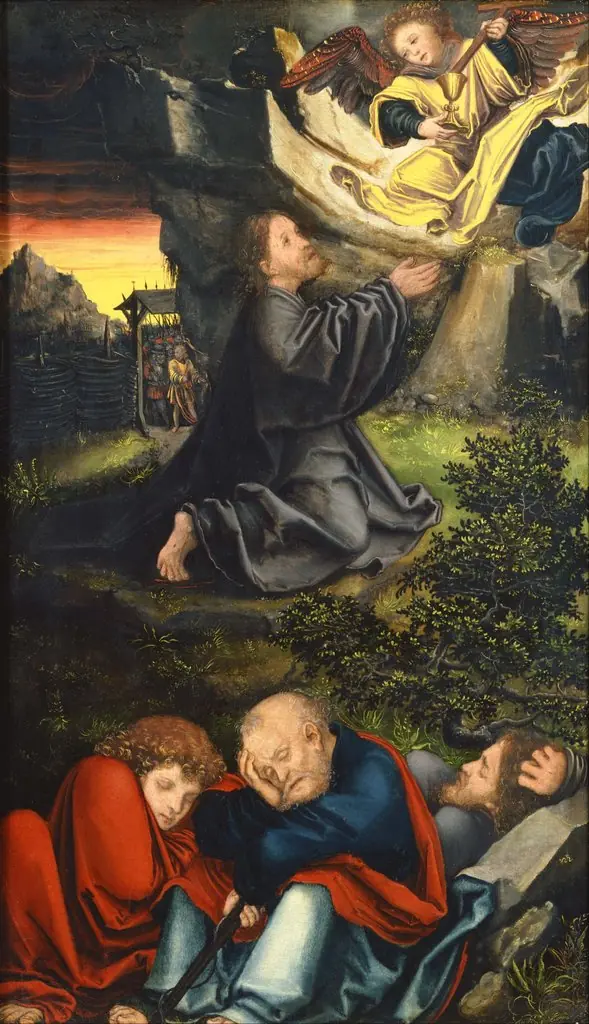
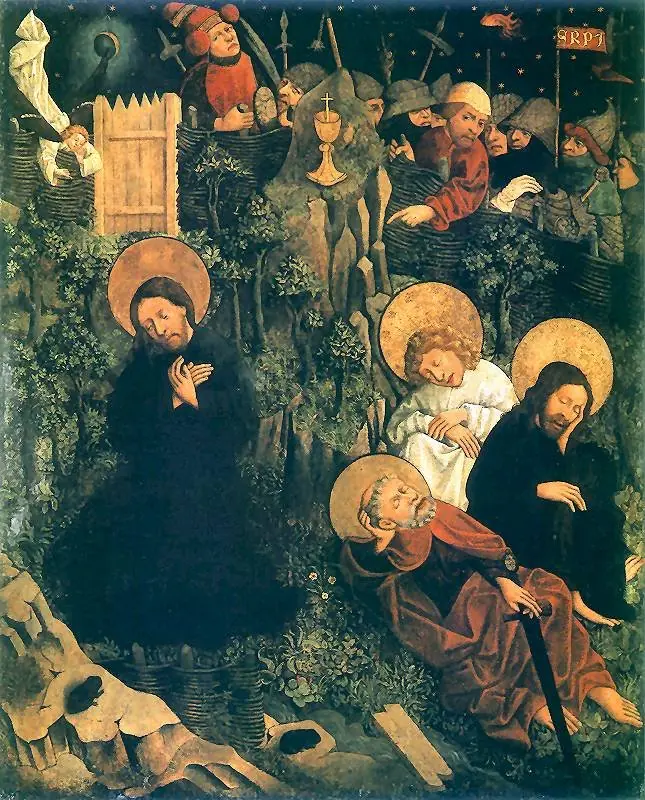
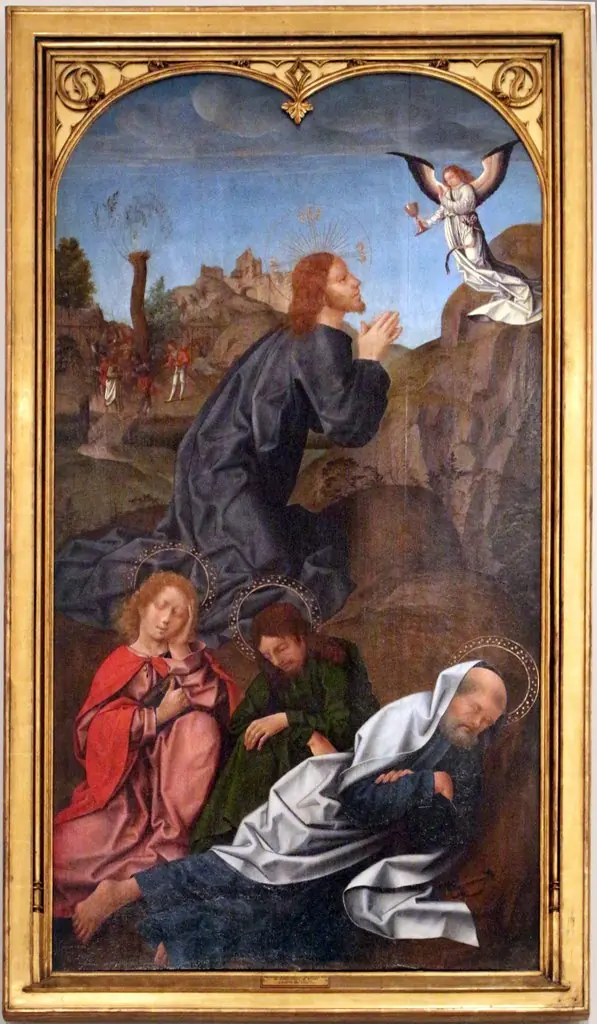
Christ in the garden of Gethsename is an oil painting by the Northern Renaissance artist Master of Uttenheim. It dates from 1475 and is held in the collection of the Kunsthistorisches Museum.
About this work
Overview
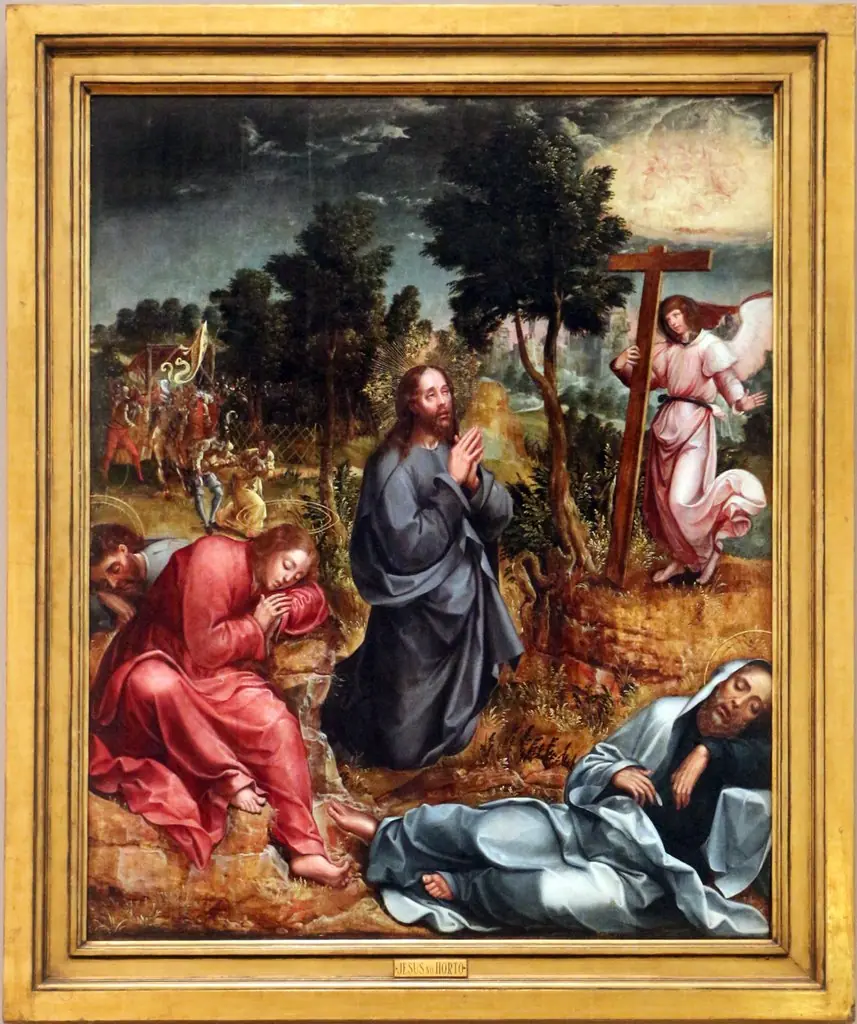
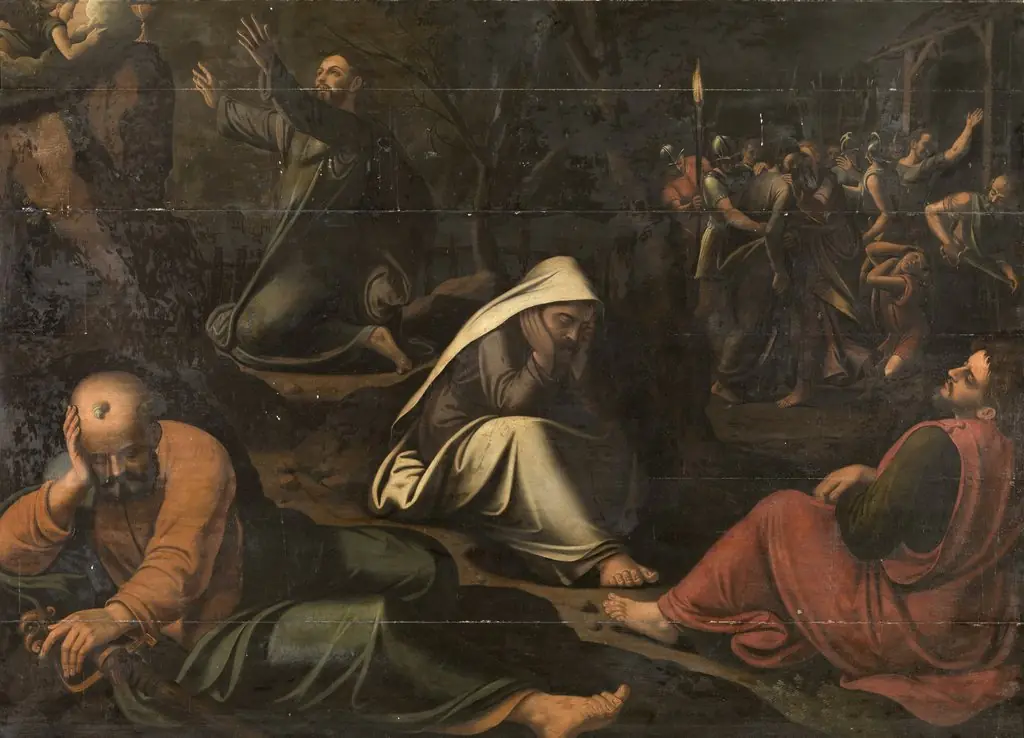
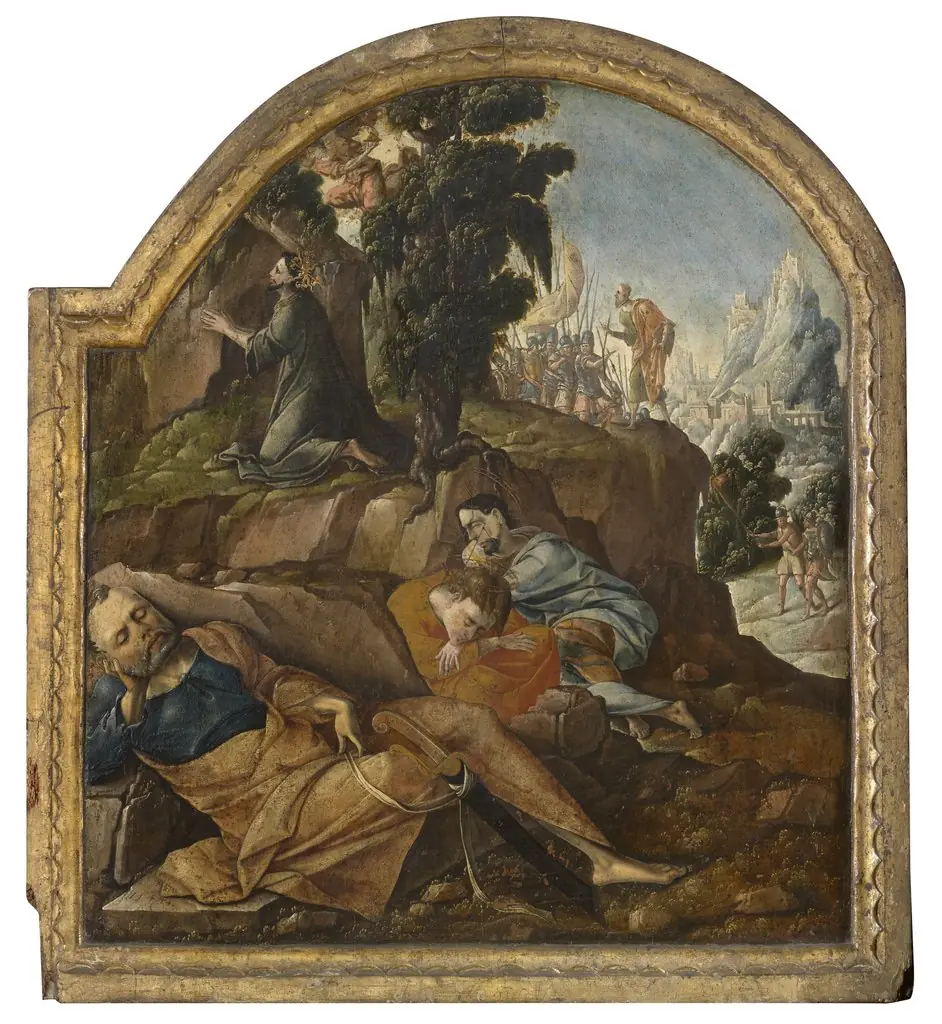
Painted around 1475 in oil on panel, this work by the Master of Uttenheim depicts the moment before Christ’s arrest in the Garden of Gethsemane.
Painted around 1475 in oil on panel, this work by the Master of Uttenheim depicts the moment before Christ’s arrest in the Garden of Gethsemane. It resides in the Kunsthistorisches Museum in Vienna, where it is preserved as part of a late medieval devotional tradition. The composition centers on Christ’s solitude amid a group of drowsy disciples, rendered with quiet intensity and a restrained palette.
Subject & Meaning
The scene captures Christ in prayer, hands clasped in anguish, as his apostles sleep despite his plea for vigilance. The contrast between his stillness and the slumbering figures underscores themes of human frailty and divine resolve. Shadows and distant armed figures hint at the impending betrayal, reinforcing the narrative’s spiritual tension without overt drama.
Technique & Style
The artist employs chiaroscuro to isolate Christ’s face and hands with soft, focused light, drawing attention to his emotional state. Earth tones dominate the landscape, while subtle accents of red and gold in halos and garments add symbolic weight. Brushwork is precise yet unobtrusive, favoring atmospheric depth over detailed realism, typical of late Gothic devotional painting.
History & Provenance
The painting is attributed to the Master of Uttenheim, an anonymous artist active in the Upper Rhine region during the late 15th century. It entered the Kunsthistorisches Museum’s collection in the 19th century, likely from a private or ecclesiastical source in southern Germany or Austria. Its survival reflects its continued use in private devotion before institutional preservation.
Context
Created during a period of heightened religious introspection, the painting aligns with devotional practices that emphasized personal meditation on Christ’s suffering. Its intimate scale and somber tone suggest it was intended for private contemplation rather than public altarpiece display, reflecting a broader trend in late medieval piety.
Legacy
Though not widely known outside scholarly circles, the work exemplifies the quiet emotional power of regional Gothic painting. It contributes to understanding how religious narratives were visualized for personal reflection, preserving a mode of devotional art that prioritized inner experience over spectacle.
Own this work as a print
Artist & collection
Artist
This anonymous painter from the late 1400s made small, sharply focused altarpieces.