Artwork
Johan de Wit
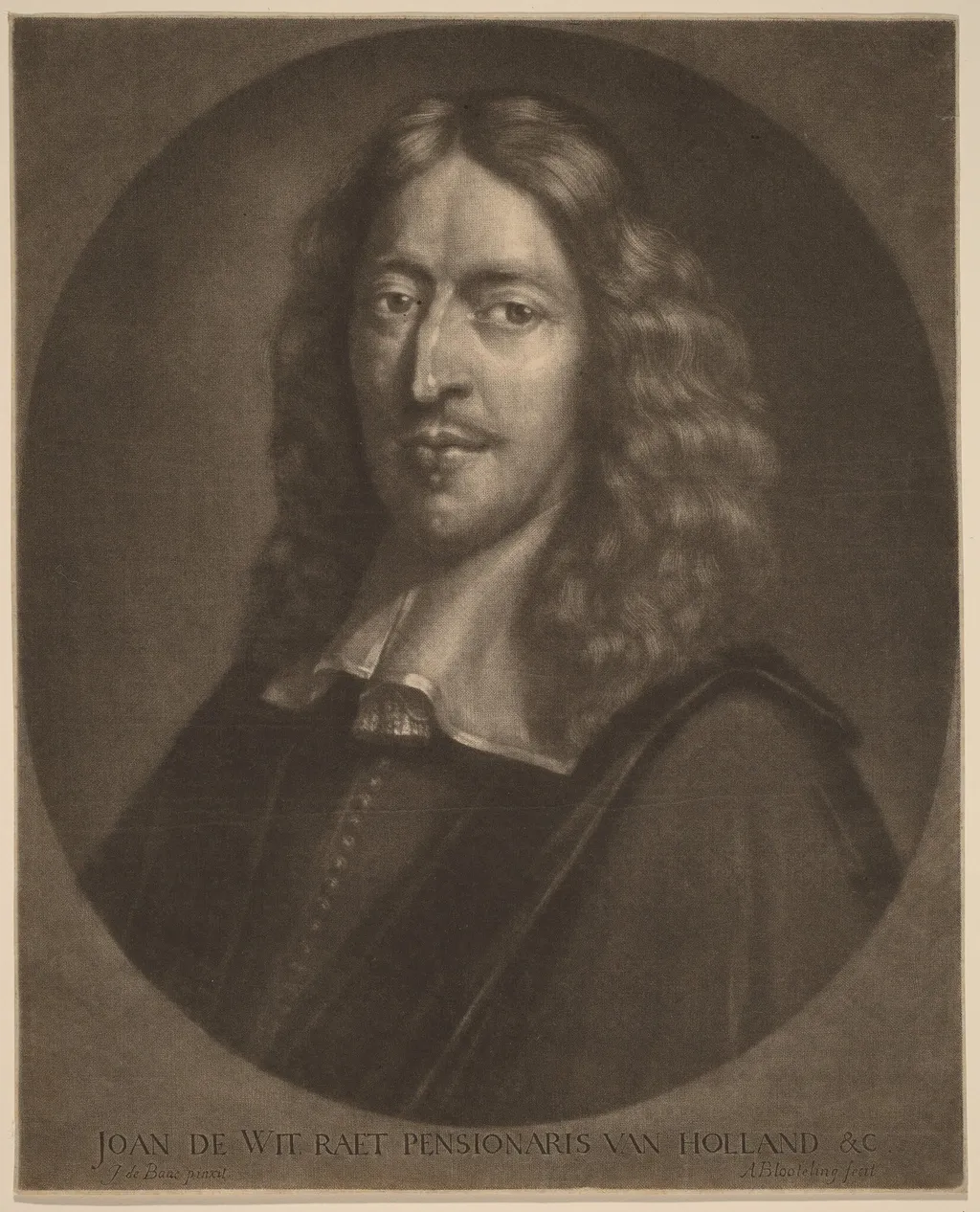
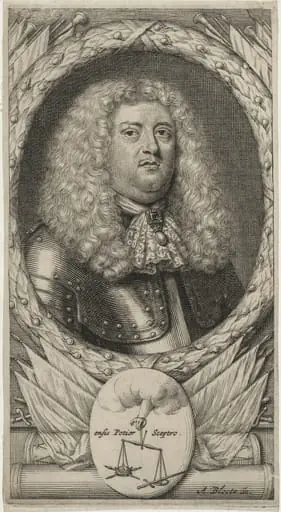
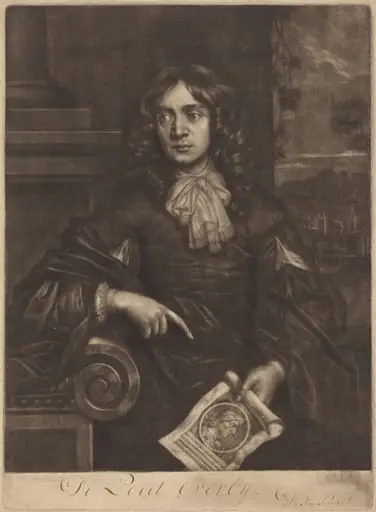
Johan de Wit is an ink print by the Baroque artist Abraham Blooteling. It dates from 1665 and is held in the collection of the National Gallery of Art.
About this work
Overview
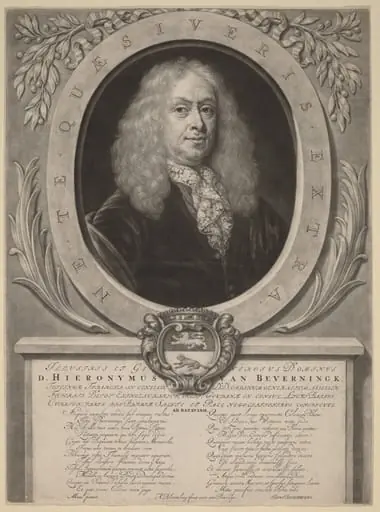
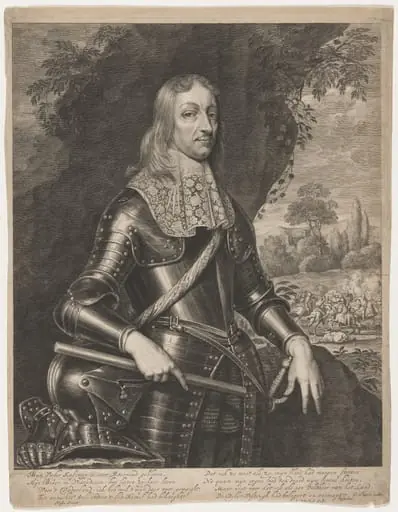
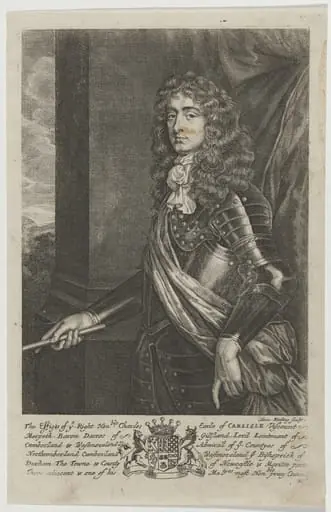
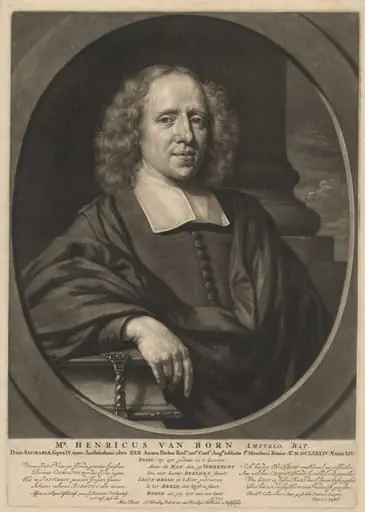
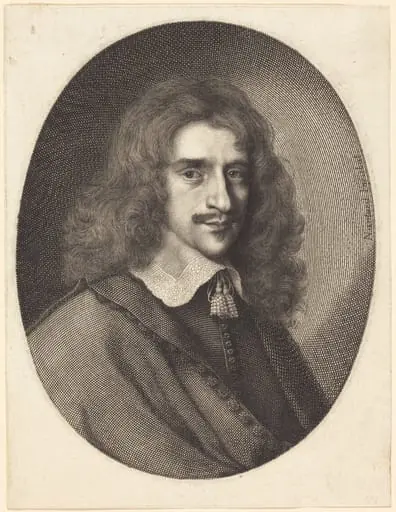
Abraham Blooteling’s mezzotint entitled “Johan de Wit” dates from 1665. Executed on laid paper, the print presents a monochrome portrait that concentrates on the sitter’s face and upper shoulders. The composition is framed by a plain background, directing attention to the nuanced rendering of light and shadow across the subject’s features.
Subject & Meaning
The portrait depicts a man with tightly curled hair and a solemn expression, dressed in a dark collar edged with lace. One side of his face is illuminated while the opposite side recedes into shadow, creating a contemplative mood that emphasizes the sitter’s individuality and status without overt symbolism.
Technique & Style
Blooteling employed the mezzotint process, a labor‑intensive method that begins with a uniformly roughened plate and builds tonal values by smoothing areas to varying degrees. This approach yields a rich gradation of blacks and grays, allowing the artist to model the facial features with a three‑dimensional quality that mimics chiaroscuro lighting.
History & Provenance
Created in the mid‑seventeenth century, the print reflects the Dutch Republic’s flourishing print market and the demand for portraiture among the emerging bourgeoisie. While specific ownership records are scarce, the work is attributed to Blooteling, a noted practitioner of mezzotint who contributed to the technique’s spread across Europe.
Artist & collection