Artwork
Merle Violet, du Royaume de Juda
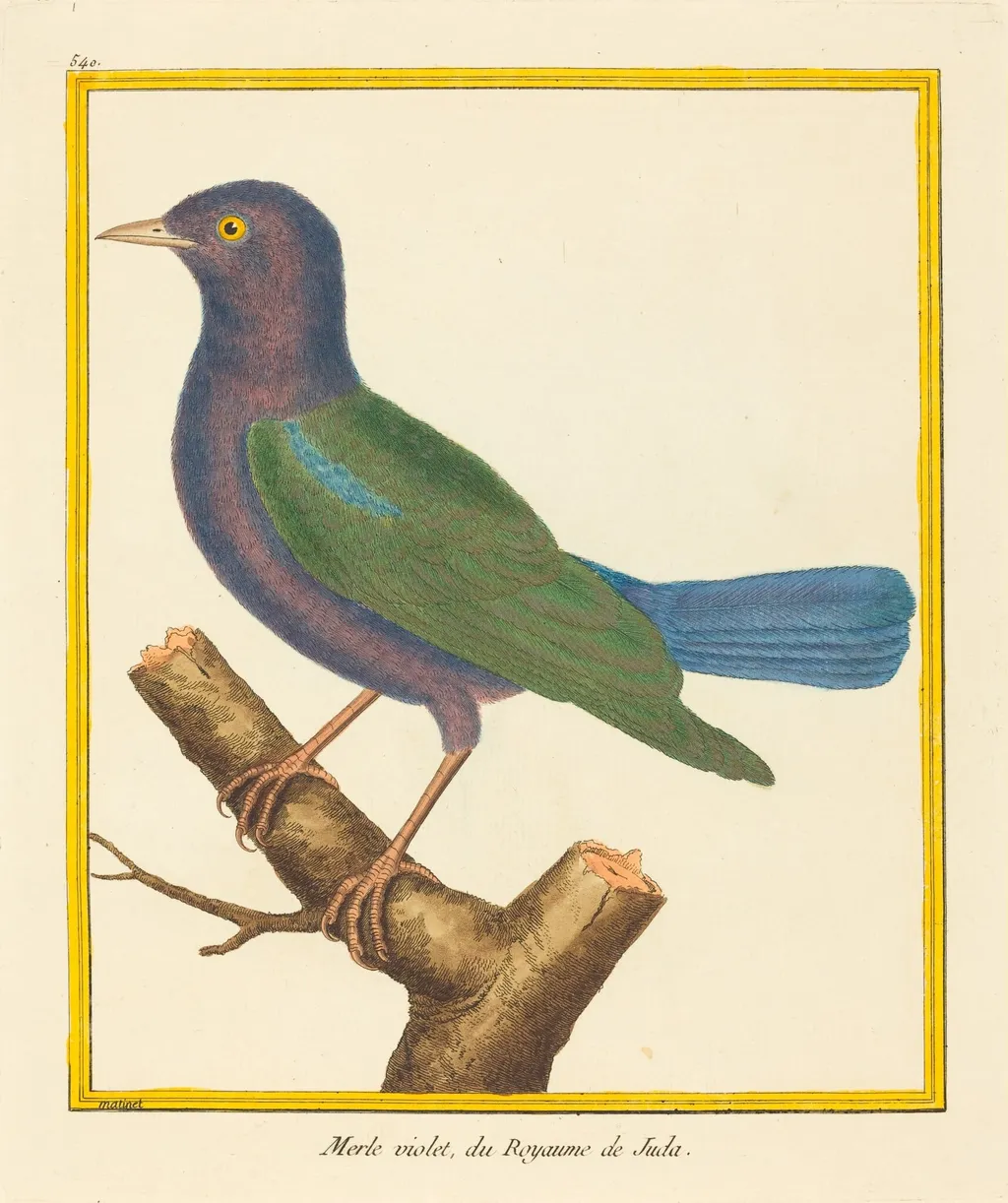
Merle Violet, du Royaume de Juda is an ink print by the Baroque artist Matinet. It dates from 1764 and is held in the collection of the National Gallery of Art.
About this work
Overview
Matinet’s 1764 hand‑colored etching, titled Merle Violet, du Royaume de Juda, presents a portrait of a woman identified as Merle Violet. The work combines a printed line image with subsequent manual coloration, a technique typical of eighteenth‑century printmaking.
Subject & Meaning
The figure is rendered as a woman from the Kingdom of Juda, dressed in attire that suggests an antiquated or regional costume. The portrayal emphasizes her facial features and garments, inviting viewers to consider cultural identity and historical dress.
Technique & Style
The image originates from a copper‑plate etching, a process that creates fine line work through acid‑etched incisions. After printing, artisans applied watercolor pigments by hand, enriching the composition with subtle hues and enhancing texture—a common practice for adding color to prints before the advent of chromolithography.
History & Provenance
Created in 1764, the piece reflects the period’s interest in exotic or historical subjects. While specific ownership records are scarce, the work is attributed to Matinet, a French printmaker active in the mid‑eighteenth century, known for producing illustrated books and individual prints.
Context
During the Enlightenment, prints depicting foreign lands and peoples were popular among European collectors. Hand‑colored etchings like this one served both decorative and educational purposes, offering a visual glimpse into distant cultures within the limited means of print media.
Artist & collection


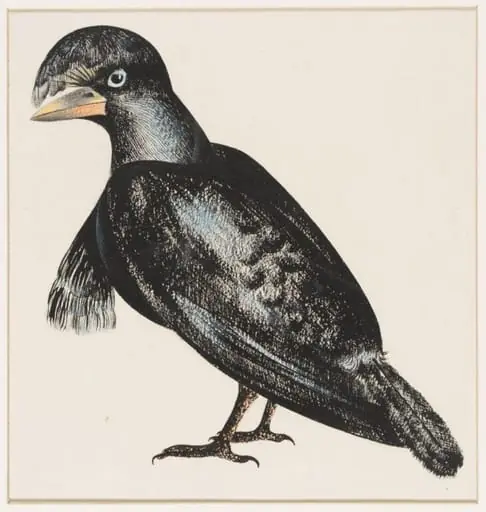 Umbrella bird
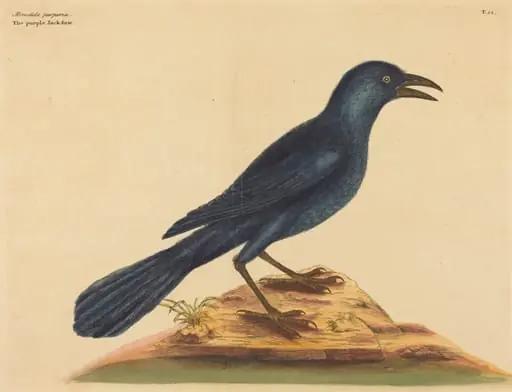 The Purple Jack Daw (Gracula Quiscula)
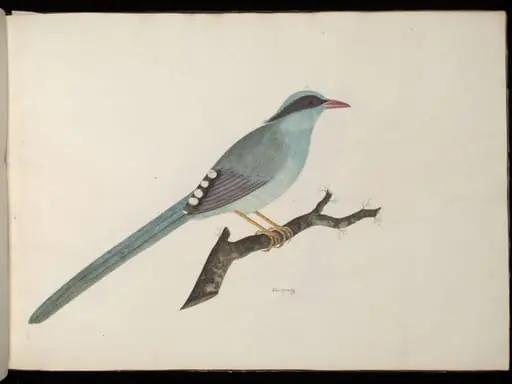 Green magpie
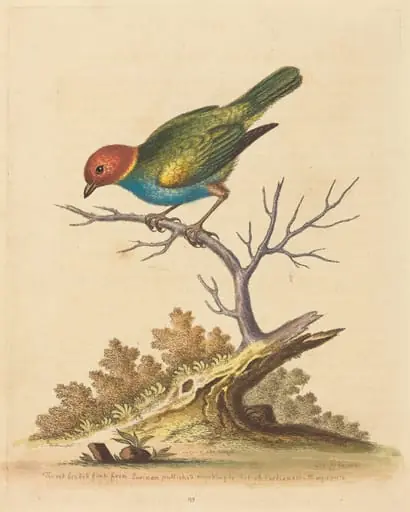 The Red-Headed Finch from Surinam
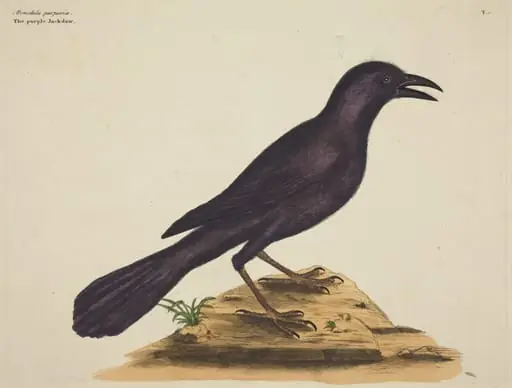 The Purple Jack Daw (Gracula Quiscula)
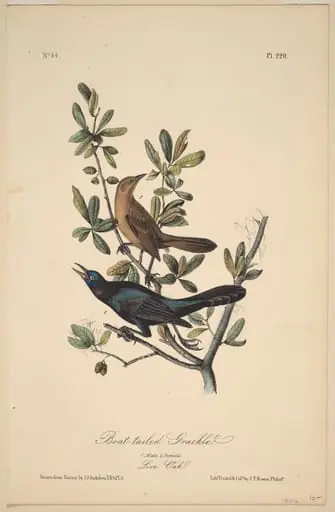 Boat-Tailed Grackle
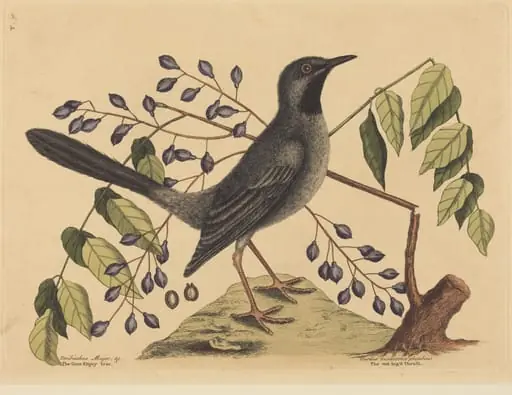 The Red Legged Thrush (Turdus plumbeus)
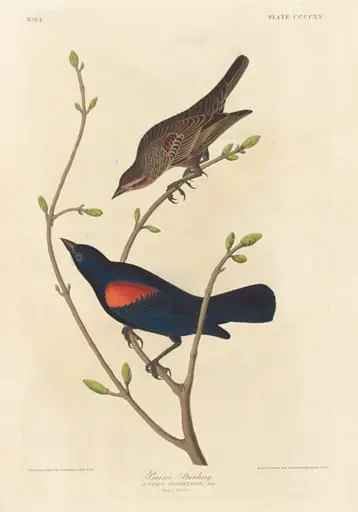 Prairie Starling
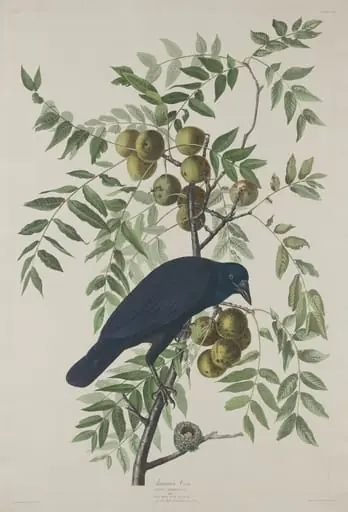 American Crow
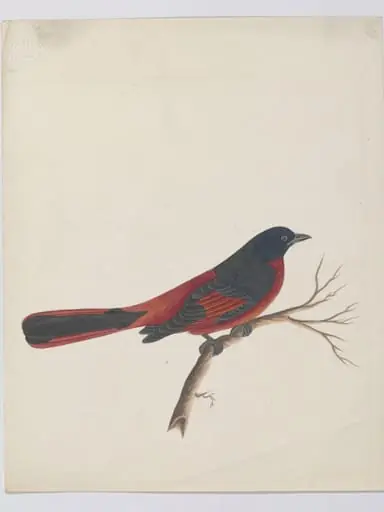 Scarlet minivet
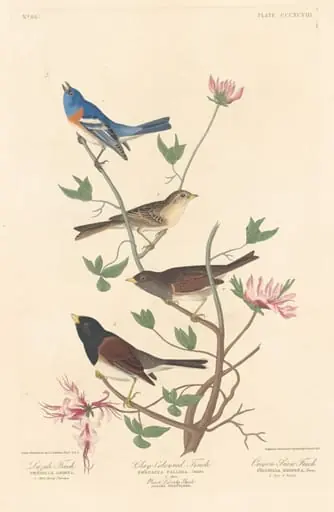 Lazuli Finch, Clay-colored Finch and Oregon Snow Finch
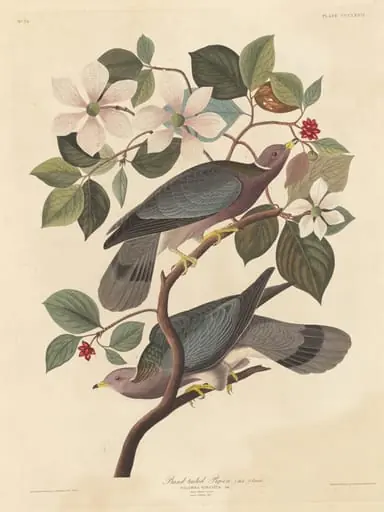 Band-tailed Pigeon