Artwork
Christus und die Jünger in Emaus
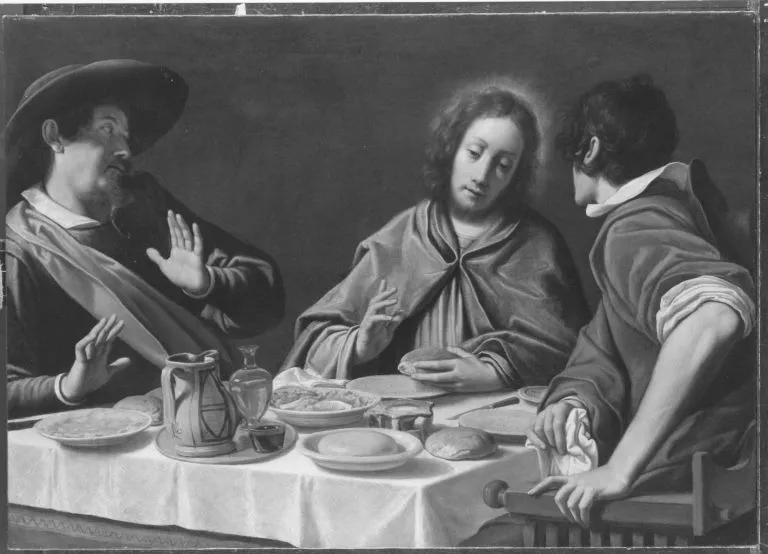
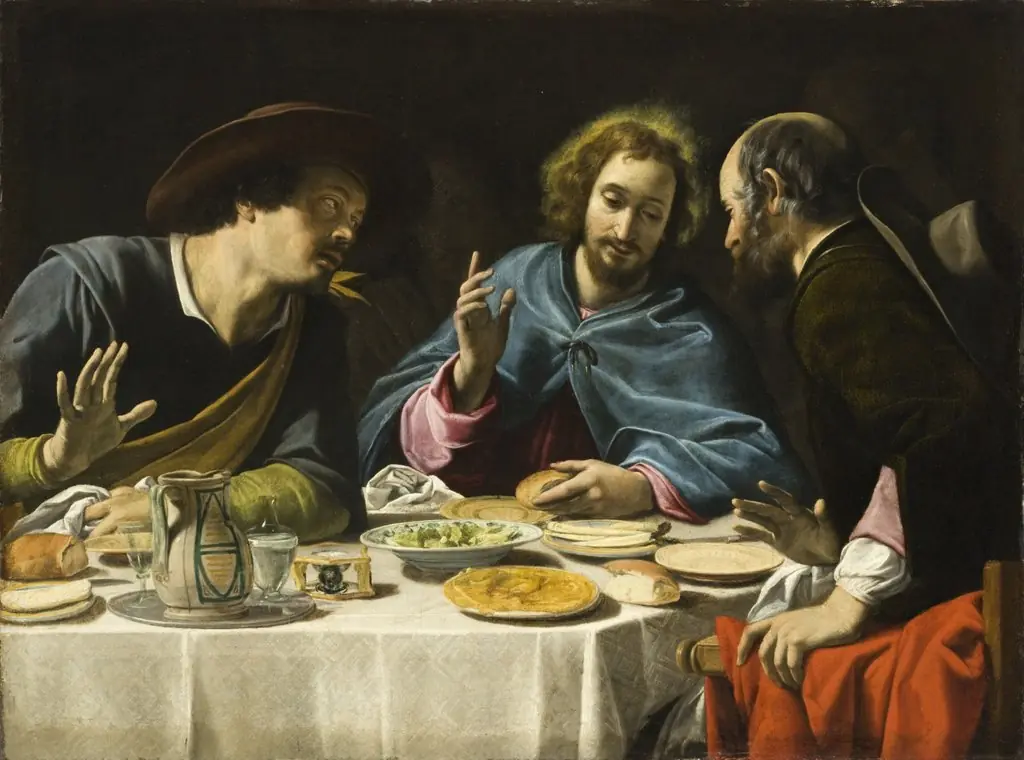
Christus und die Jünger in Emaus is an unspecified painting by the Early Baroque Italian artist Matteo Rosselli. It dates from 1622 and is held in the collection of the Bavarian State Painting Collections.
About this work
Overview
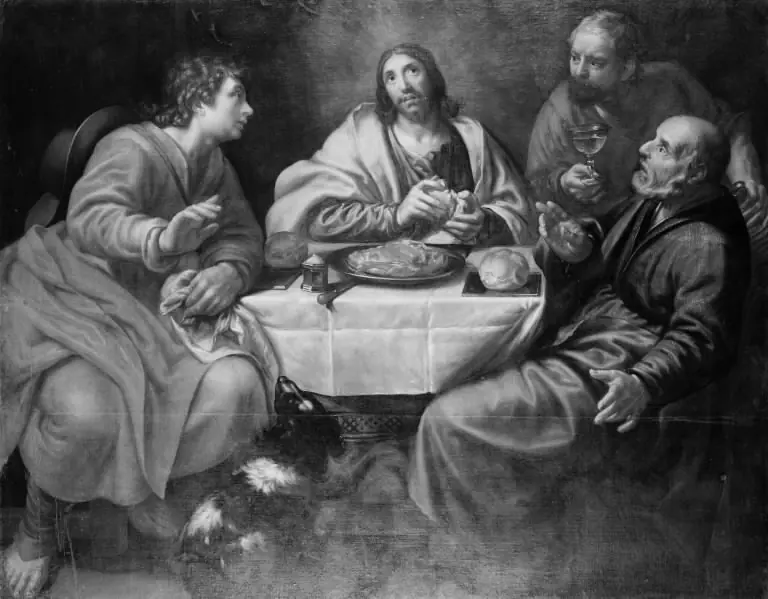
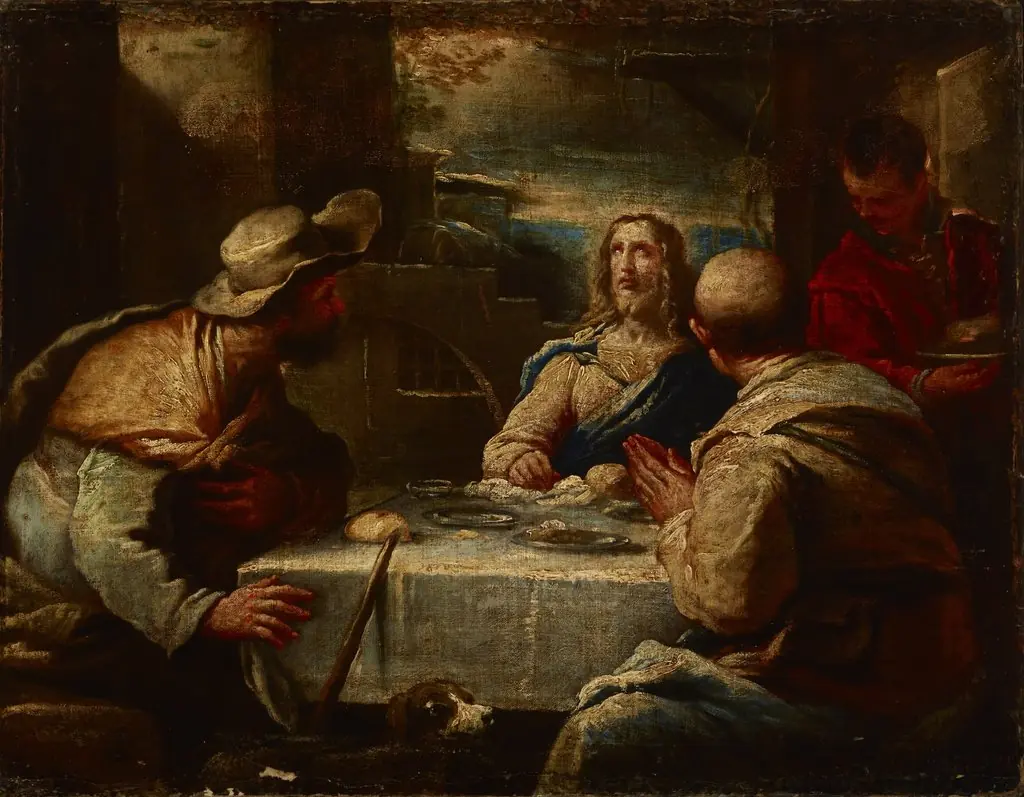
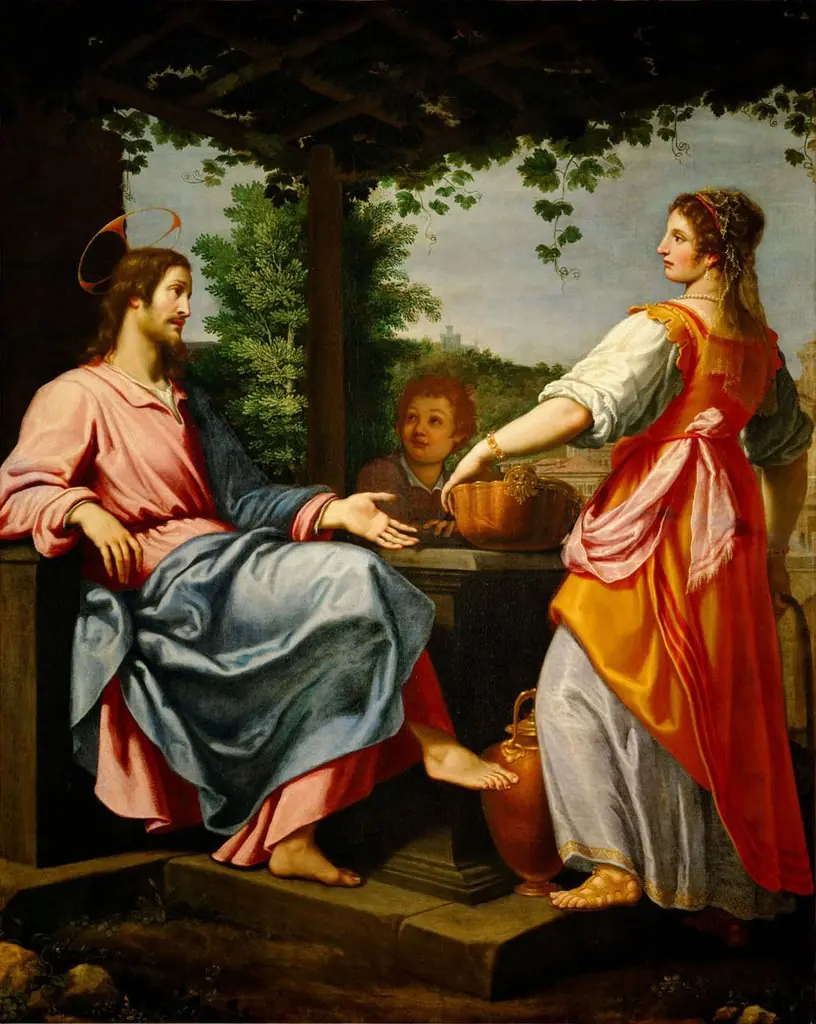
Created in 1622 by Matteo Rosselli, an Italian painter active in Florence, *Christus und die Jünger in Emaus* is a religious work now part of the Alte Pinakothek’s collection. Executed during the transition from late Counter‑Mannerism to early Baroque, the painting illustrates Rosselli’s focus on expansive narrative scenes, employing a composition that draws the viewer into the biblical episode.
Subject & Meaning
The canvas depicts the moment from the Gospel of Luke when the risen Christ reveals himself to two disciples at the inn in Emmaus.
The canvas depicts the moment from the Gospel of Luke when the risen Christ reveals himself to two disciples at the inn in Emmaus. Three figures are seated around a modestly set table: a man in a dark hat gesturing, a central figure holding bread, and a third leaning back, his gaze turned away. The interaction emphasizes recognition, hospitality, and the transformative power of the Eucharistic meal.
Technique & Style
Rosselli employs a pronounced chiaroscuro, contrasting illuminated faces with a deep, shadowed backdrop. The light falls on the central figure’s hand and the bread, creating a focal point that guides the eye across the table’s objects—plates, cups, and a green dish. The brushwork combines the controlled drawing of the Counter‑Mannerist tradition with the emerging dynamism of early Baroque painting.
History & Provenance
After its completion in Florence, the painting entered private collections before being acquired by the Bavarian state museum. It has been displayed in the Alte Pinakothek since the 19th century, where it remains a representative example of Rosselli’s large‑scale religious commissions and of the period’s cross‑regional artistic exchange.
Context
Rosselli’s career unfolded amid the Counter‑Reformation’s demand for clear, emotionally resonant religious imagery. The Emmaus scene, a popular subject for its narrative clarity, allowed the artist to explore themes of revelation and faith while adhering to the didactic goals of the era. The work thus reflects both the theological climate of early 17th‑century Italy and the stylistic shift toward Baroque naturalism.
Artist & collection
Artist
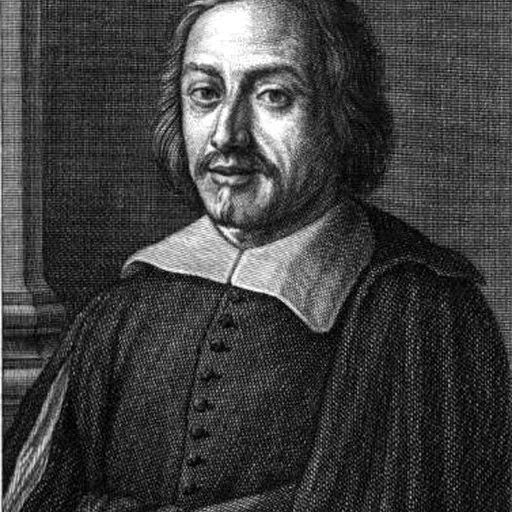
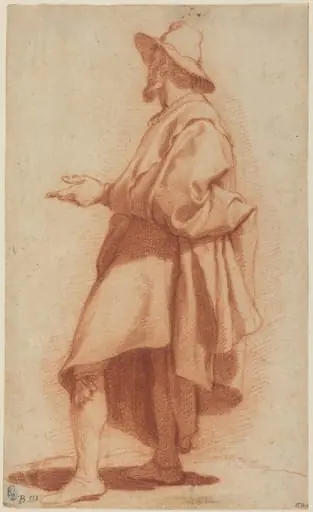
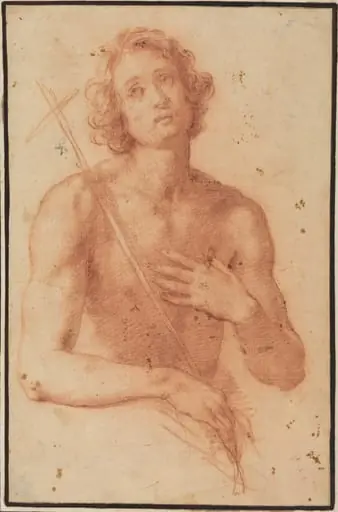
Matteo Rosselli (10 August 1578 – 18 January 1650) was an Italian painter of the late Florentine Counter-Mannerism and early Baroque. He is best known however for his highly populated grand-manner historical paintings.

![Man Playing a Lute [recto], by Matteo Rosselli](https://artifactworldgallery.com/img/matteo-rosselli--man-playing-a-lute-recto--ba21023023a336b9-w320.webp)
![Man Leaning on a Rail [verso], by Matteo Rosselli](https://artifactworldgallery.com/img/matteo-rosselli--man-leaning-on-a-rail-verso--c9936b6777df930d-w320.webp)