Artwork
Willem Kettingh (d 1670). Chief Treasurer and Bailiff of the Prince of Orange
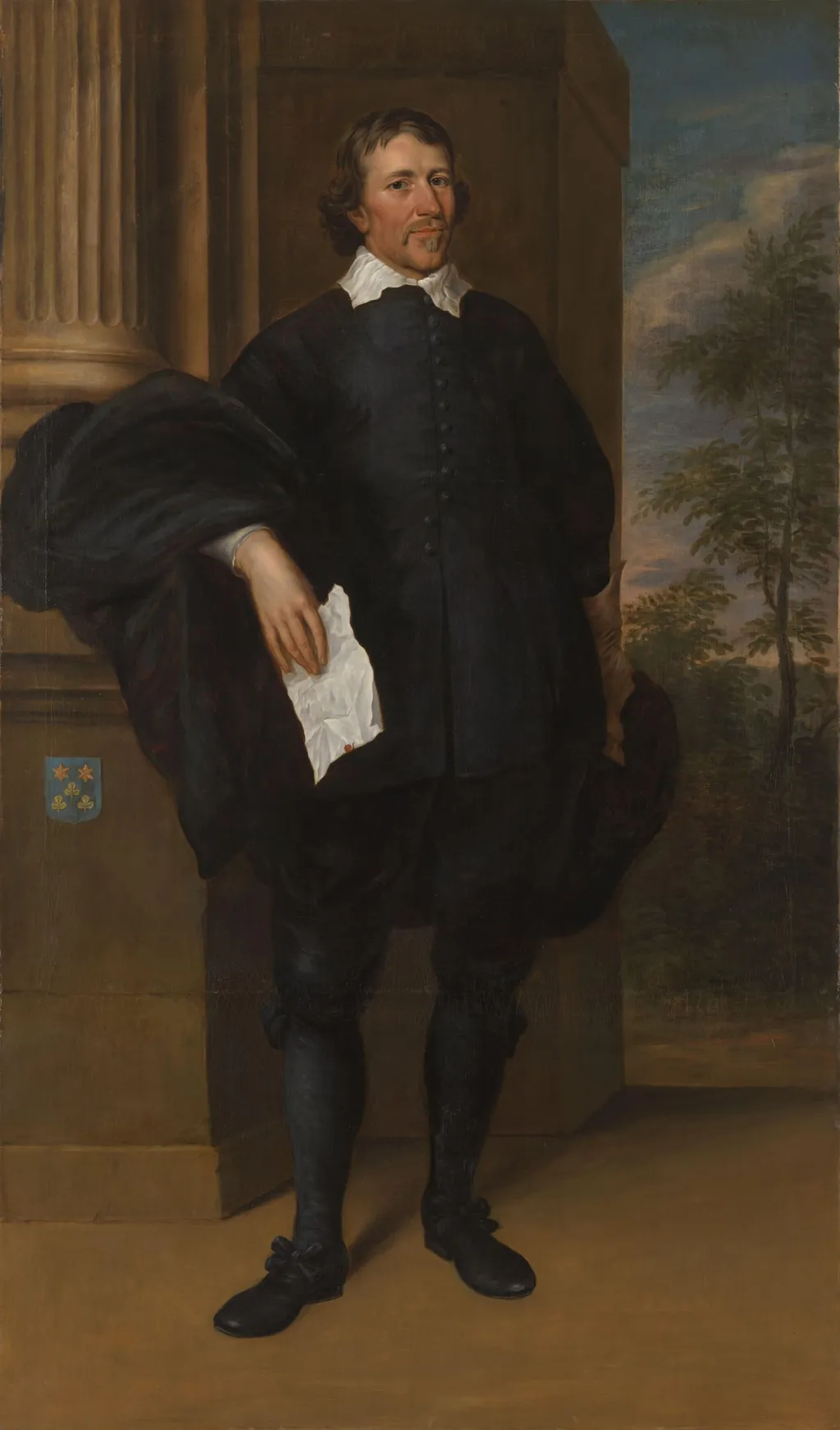
Willem Kettingh (d 1670). Chief Treasurer and Bailiff of the Prince of Orange is an unspecified painting by the Rococo painting artist Mattheus Verheyden. It dates from 1755 and is held in the collection of the Rijksmuseum. The work depicts Willem Kettingh, who died in 1670, in his official capacity as chief treasurer and bailiff for the Prince of Orange.
About this work
Someone in 1755 copied an older portrait, keeping the pose and details like the crest.
A man in a dark coat stands next to a tall stone column, holding a folded paper. His other hand rests on a table with a family crest carved into its base. The background is plain and dark.
This painting isn’t from the man’s lifetime—it was made about 80 years after he died. Someone in 1755 copied an older portrait, keeping the pose and details like the crest. It’s like a history book illustration, made to remember someone important.
To see more portraits like this, visit the Rijksmuseum.
Overview
The work depicts Willem Kettingh, who died in 1670, in his official capacity as chief treasurer and bailiff for the Prince of Orange. Rendered in a standing pose before a stone column, the figure holds a folded document in his right hand while his left hand rests on a table bearing his family coat of arms.
Subject & Meaning
Kettingh is presented as a dignified civil servant, the inclusion of the official seal and the heraldic emblem underscoring his authority and lineage. The paper he clutches suggests administrative duties, while the column provides a classical backdrop that reinforces the gravitas of his office.
Technique & Style
The painting follows a mid‑18th‑century copying tradition, reproducing an earlier portrait from the 1640s‑45 period. The artist retained the original composition, rendering the dark coat and muted background with a restrained palette that emphasizes the figure’s formal attire and the carved crest.
History & Provenance
Although Kettingh lived in the mid‑17th century, the extant canvas dates to around 1755, created as a faithful replica of an earlier work. It forms a pendant pair with another portrait (catalogued as SK‑A‑820), suggesting it was intended for a paired display, possibly in a family or institutional collection.
Context
Portraits of officials in the Dutch Republic often served as visual records of civic service. By reproducing the earlier image, the later artist contributed to a tradition of preserving the memory of prominent administrators for posterity.
Own this work as a print
Artist & collection

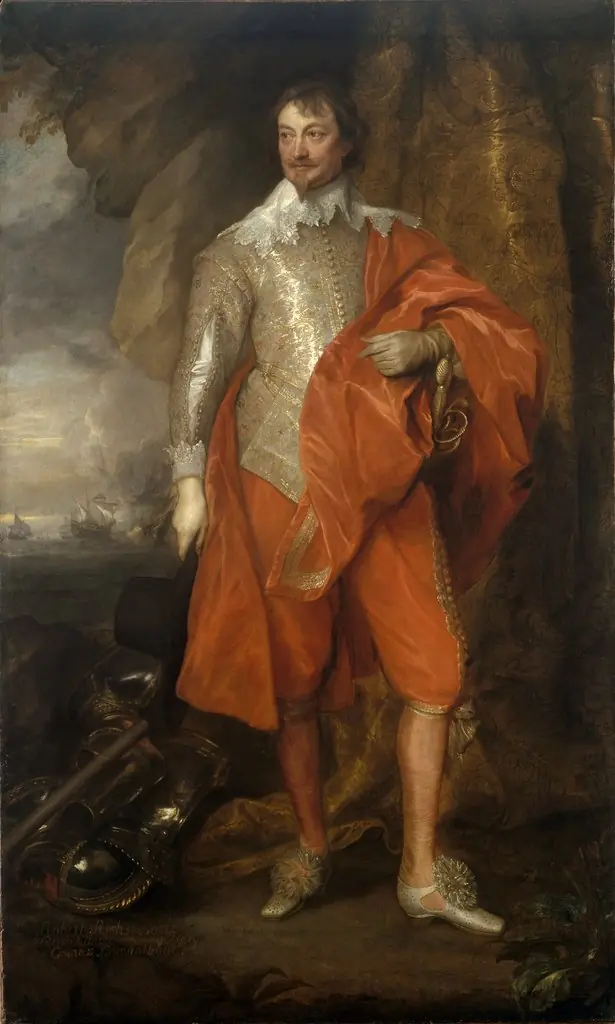 Portrait of Robert Rich, second earl of Warwick
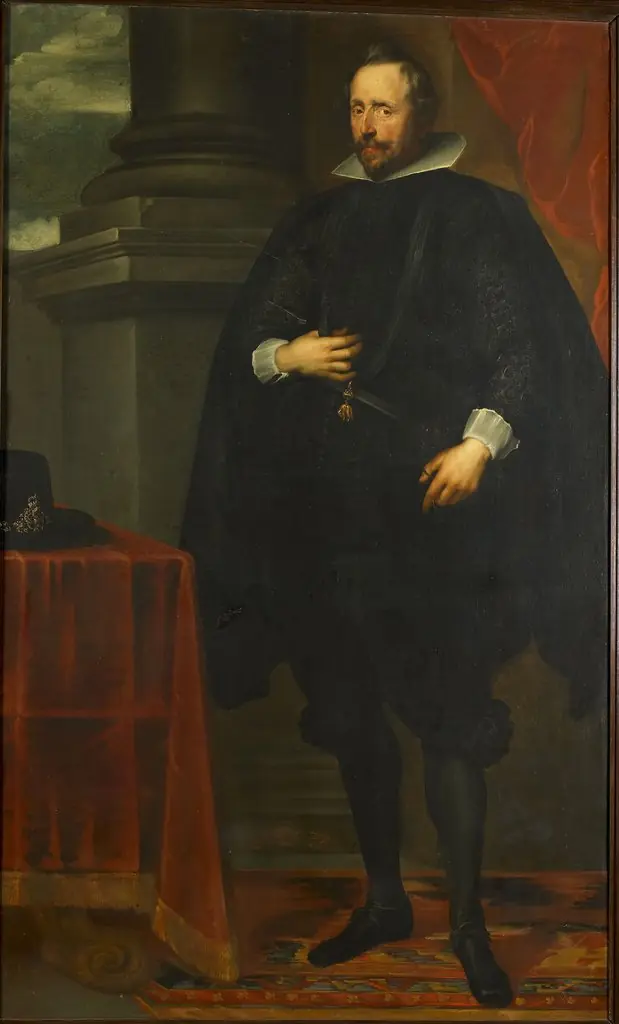 Portrait of Wolfgang Wilhelm, Count Palatine of Neuburg
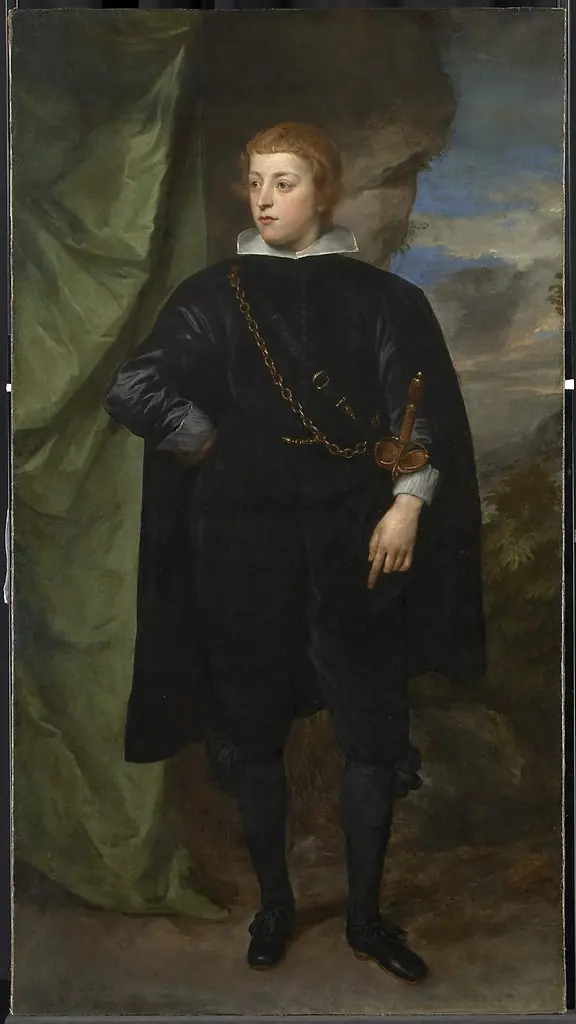 Portrait of Carlo Emanuele d'Este, Marchese di Borgomanero (1622-1695)
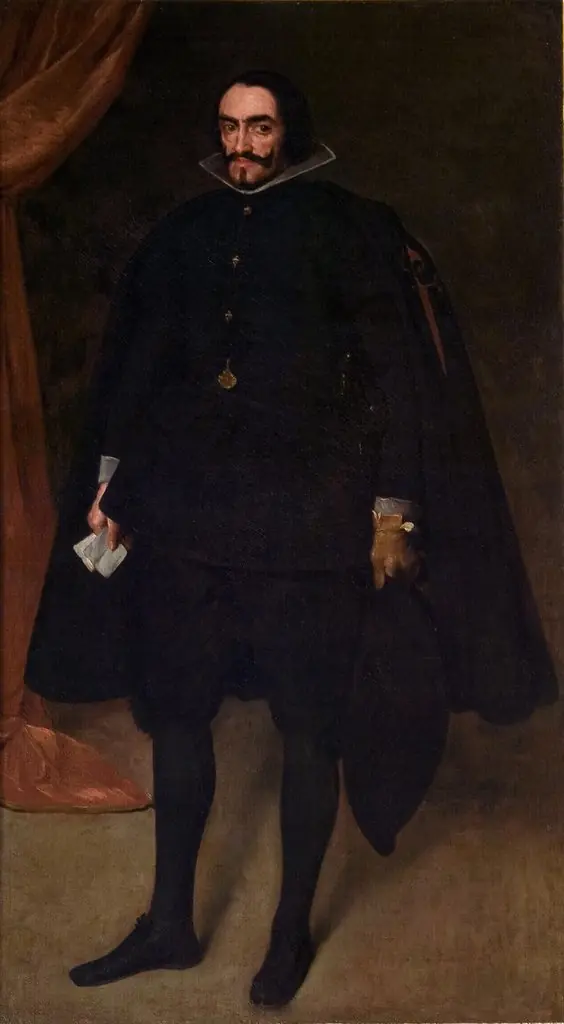 Portrait of a Knight of the Order of Santiago
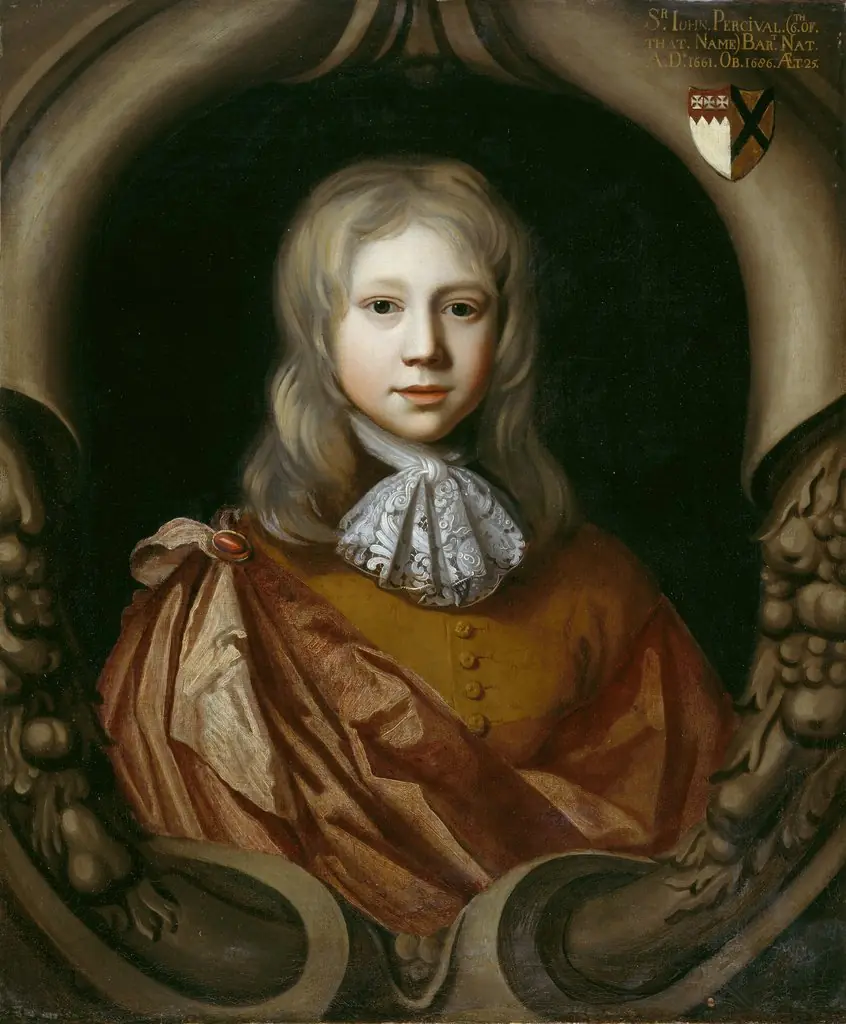 Portrait of Sir John Perceval, 3rd Bt (1660-1686)
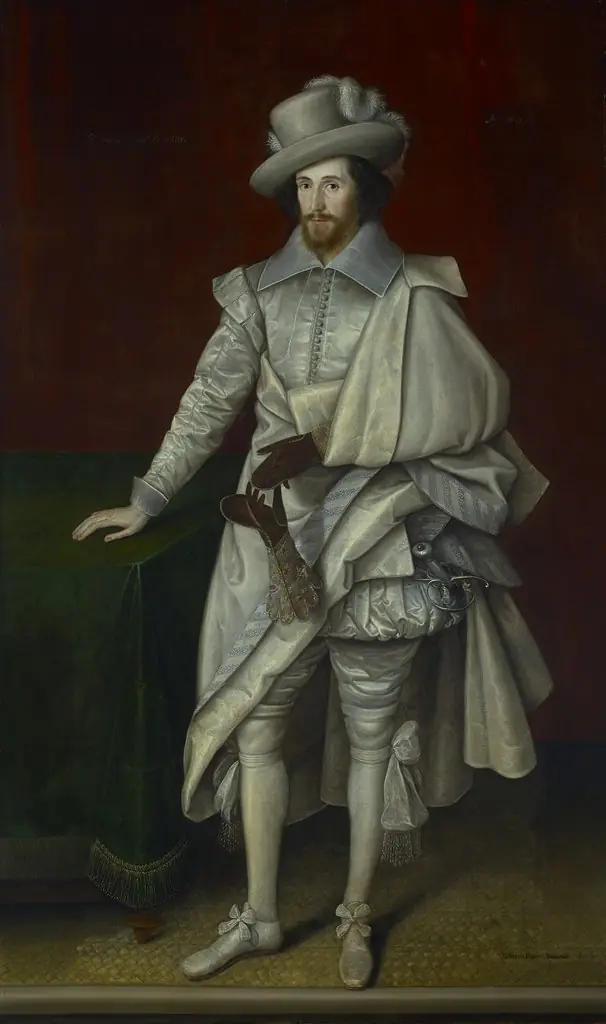 Henry Cary, 1st Viscount Falkland (died 1633)
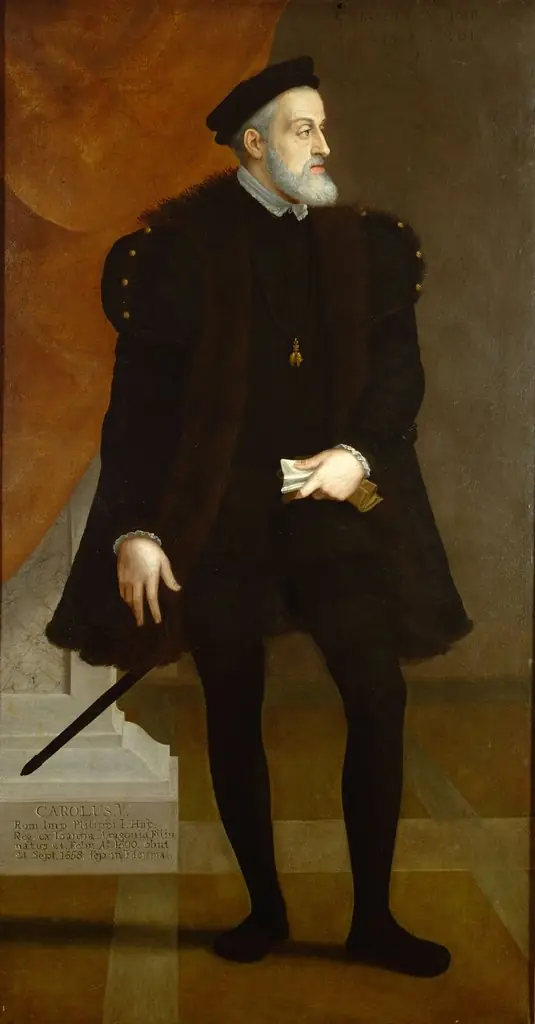 Kaiser Karl V. (1500-1558) als Fünfzigjähriger in ganzer Figur
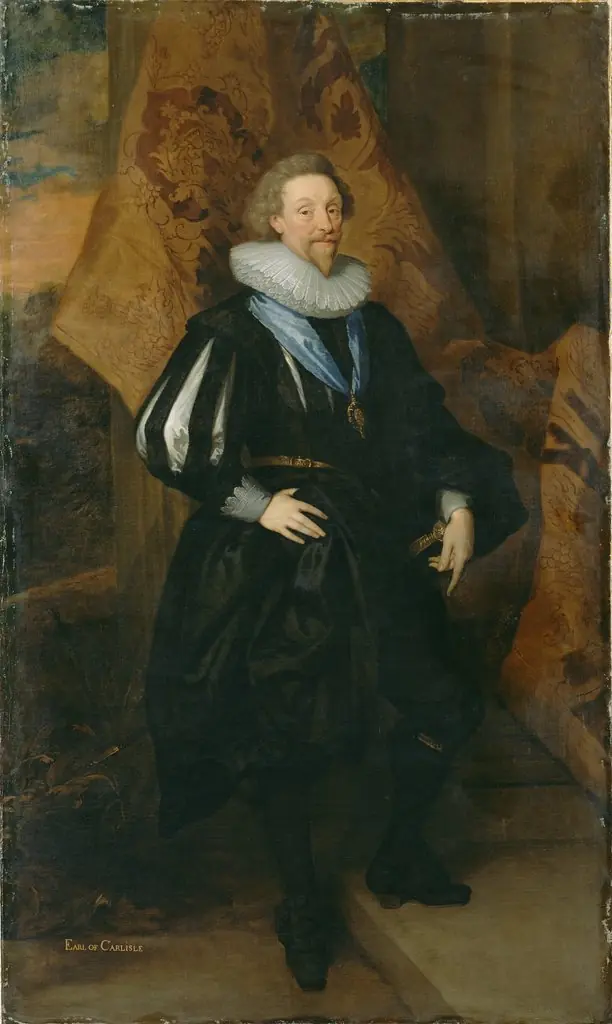 Portrait of James Hay, 1st Earl of Carlisle
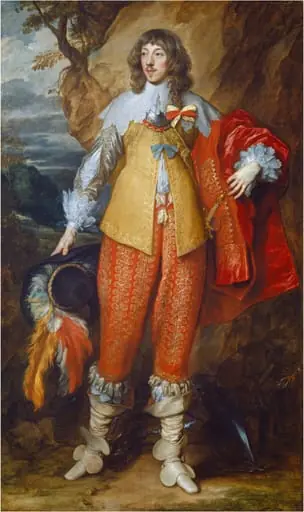 Henri II de Lorraine
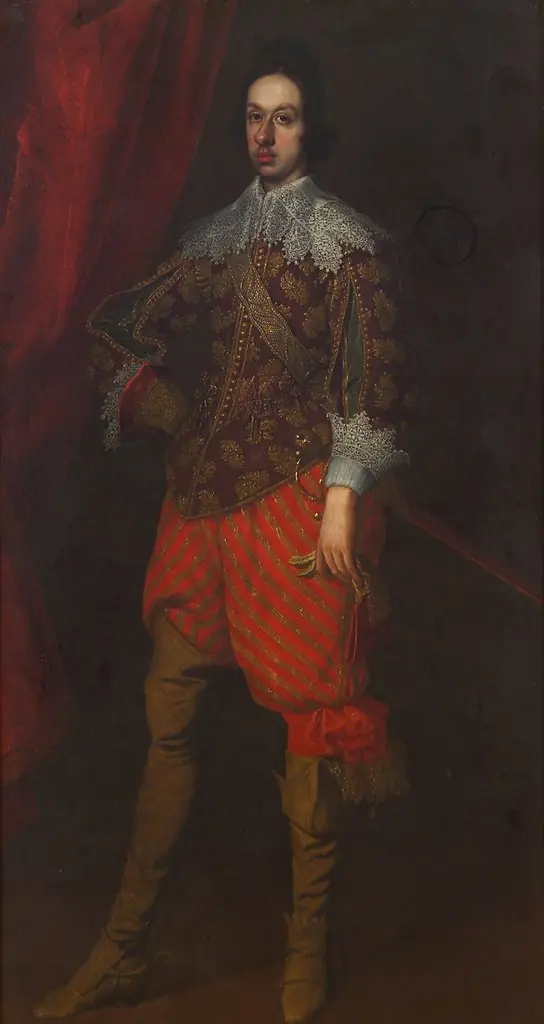 Grand Duke Ferdinando II. (1610-1670) of Tuscany
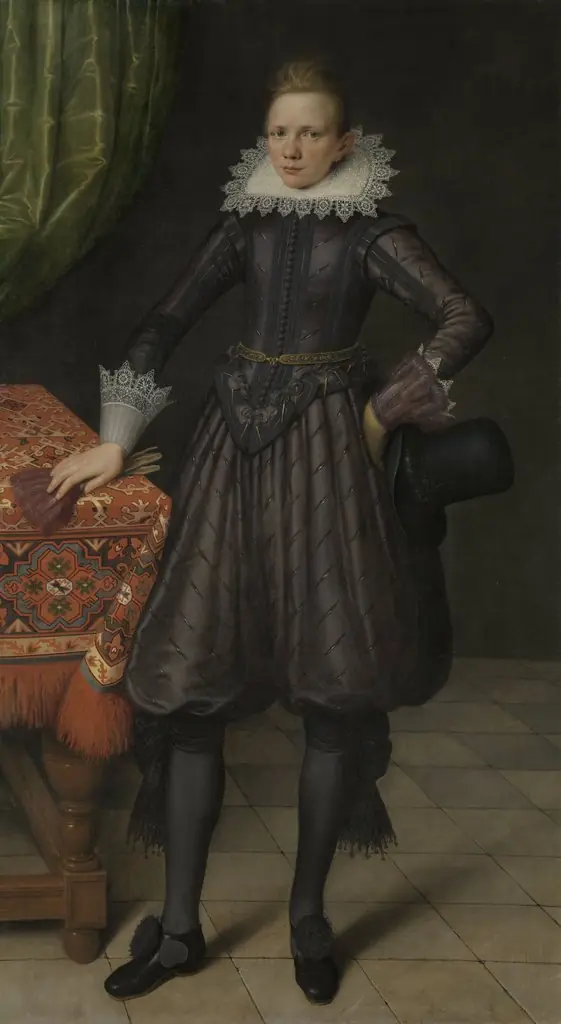 Portrait of Peter Courten
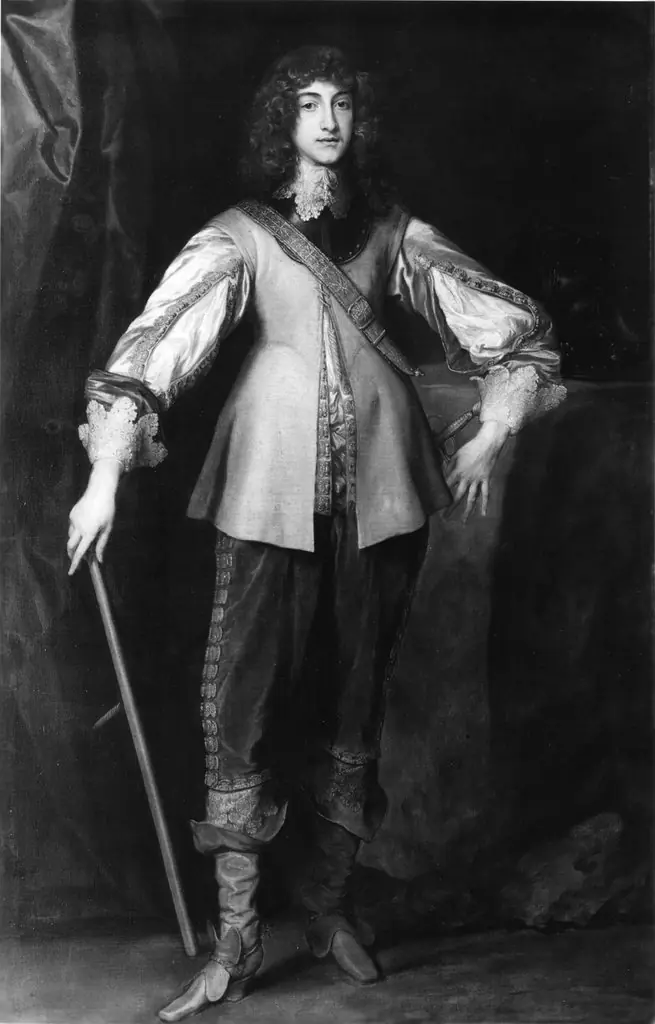 Portrait of Prince Rupert