Artwork
Dirijor
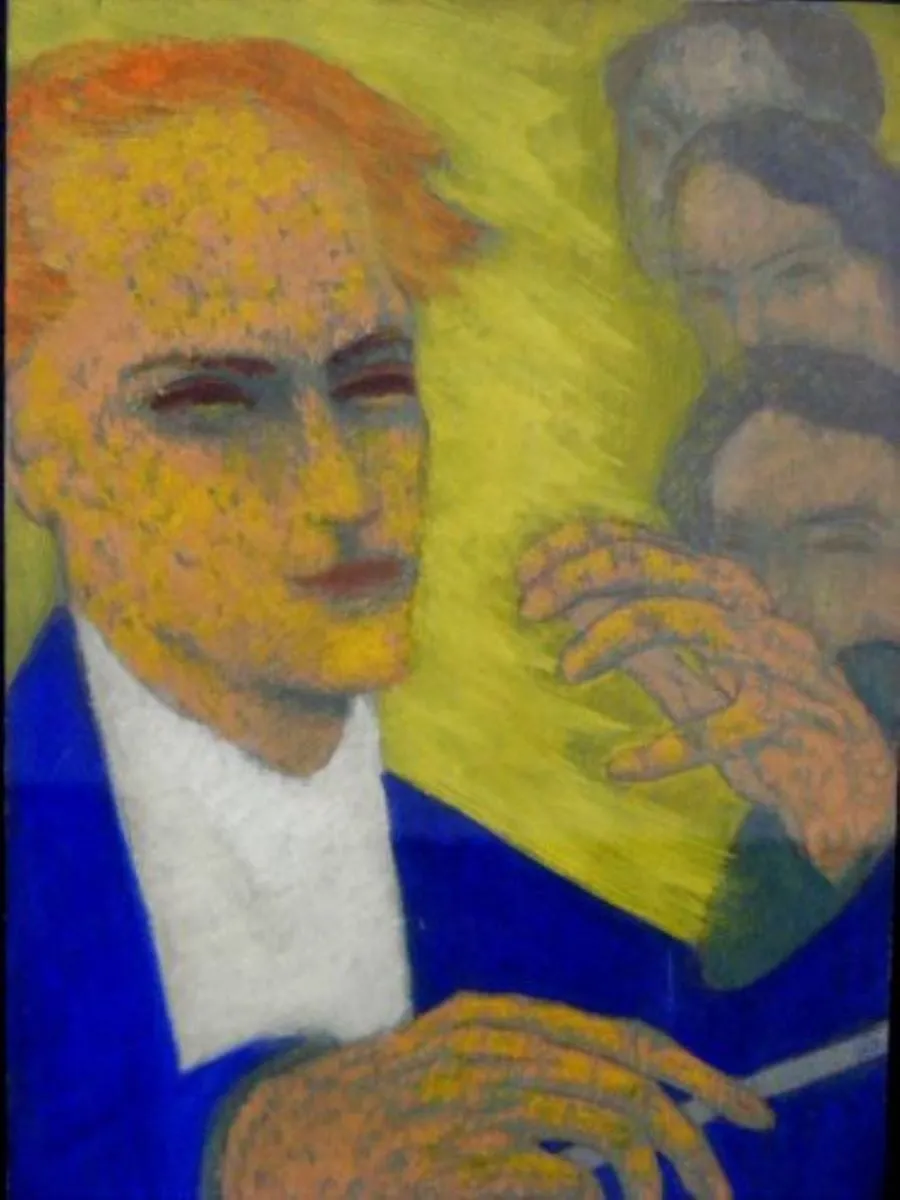
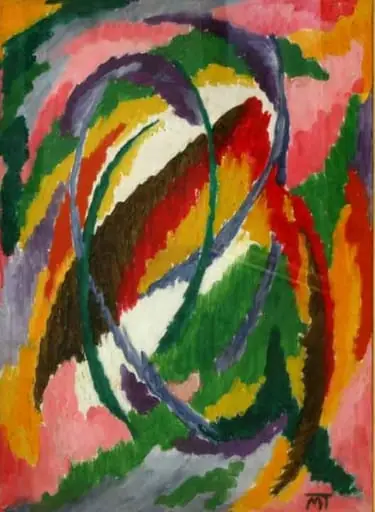
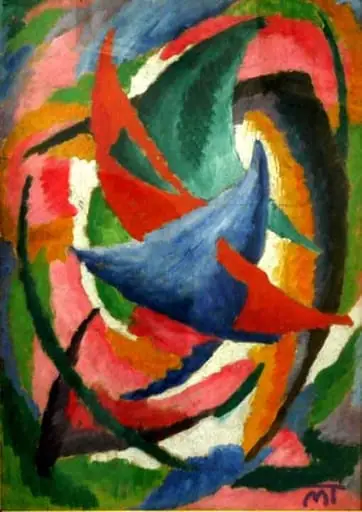
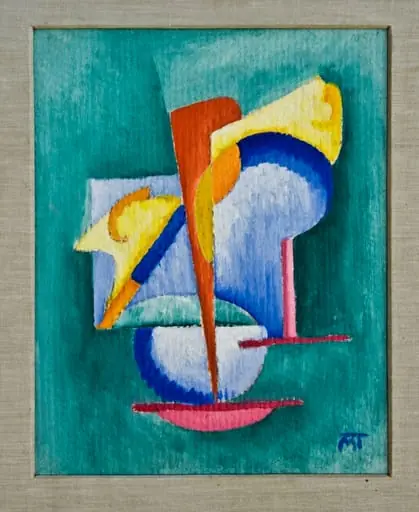
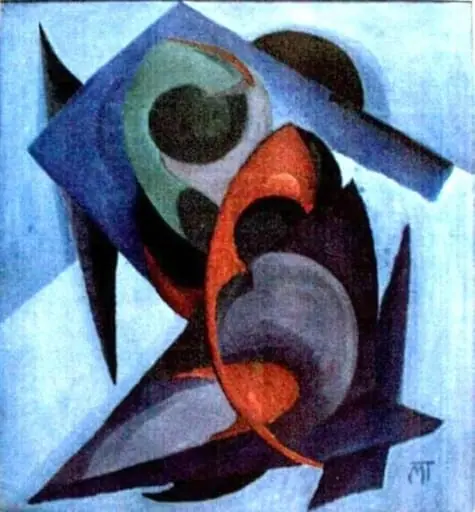
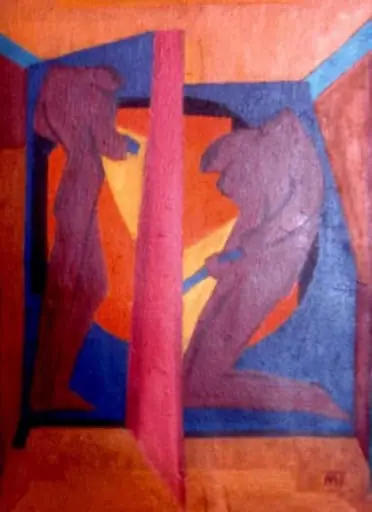
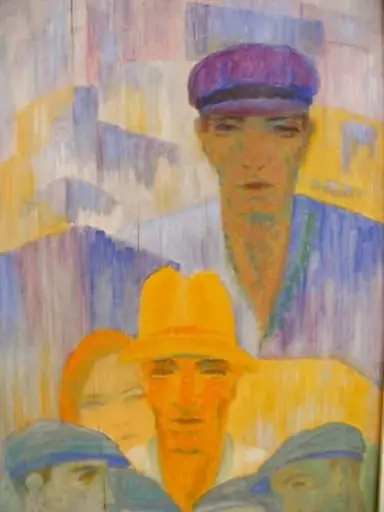
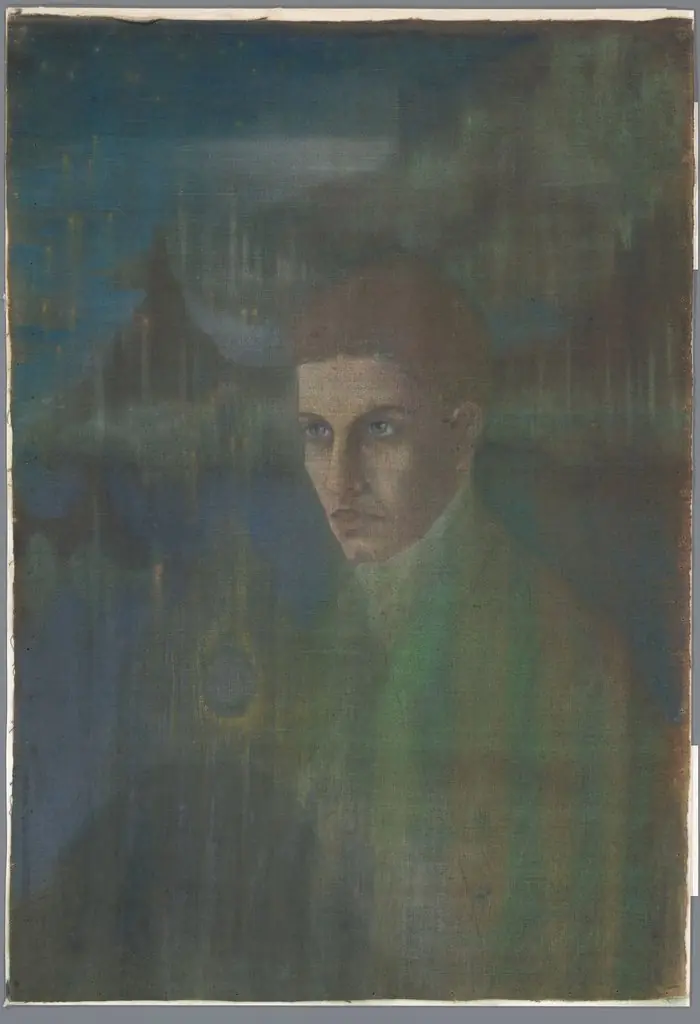
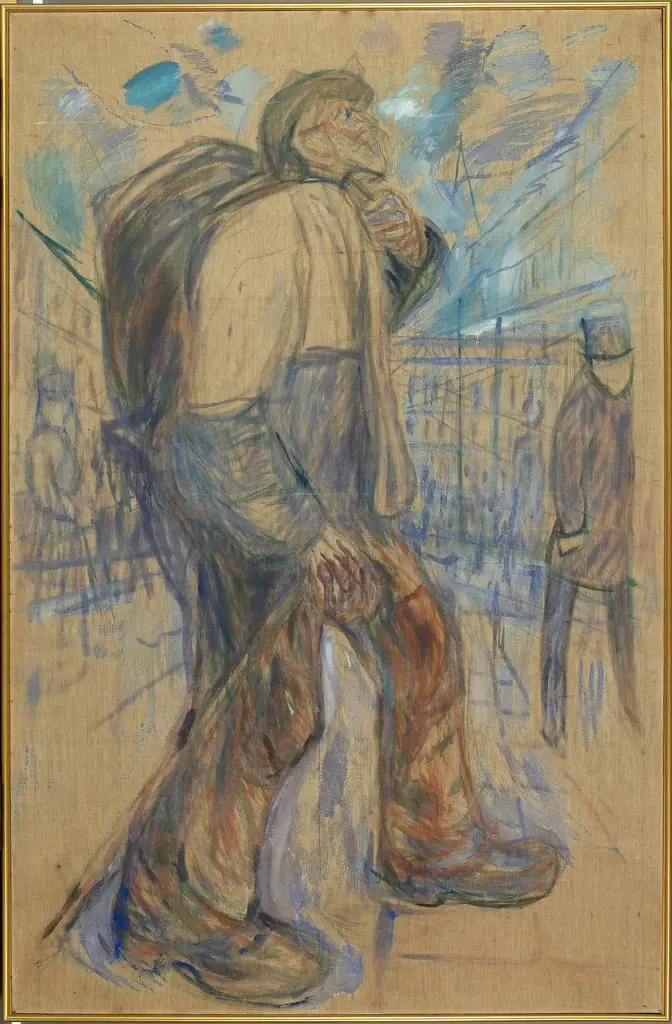
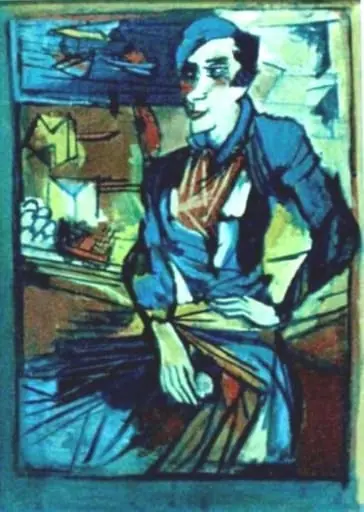
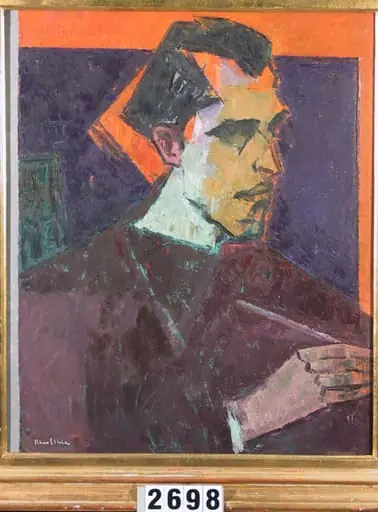
Dirijor is an unspecified painting by Hans Mattis-Teutsch. It dates from 1956 and is held in the collection of the Székely National Museum.
About this work
Overview
Hans Mattis‑Teutsch’s 1956 canvas titled Dirijor presents a compact composition centered on a male figure in profile, dressed in a white shirt beneath a dark vest. A second, partially concealed arm reaches forward to rest on the sitter’s shoulder, generating a layered visual dialogue. The work resides in the collection of the Museum of Ethnography.
Subject & Meaning
The painting depicts a solitary individual, likely a conductor, suggested by the title, engaged in a moment of interaction with an unseen companion. The gesture of the arm on the shoulder may imply guidance, support, or a collaborative gesture, inviting viewers to contemplate the relational dynamics between the figures.
Technique & Style
Mattis‑Teutsch employs a vigorous impasto application, building up thick layers of pigment that give the surface a tactile quality. Bold chromatic choices—bright yellows, deep blues, and warm oranges—are rendered with pronounced brushstrokes, creating a textured, almost sculptural effect that emphasizes the immediacy of the scene.
History & Provenance
Created in the post‑war period, Dirijor reflects the artist’s mature phase and was later acquired by the Museum of Ethnography, where it remains on display. The work’s provenance traces directly from the artist’s studio to the museum’s holdings, underscoring its institutional relevance.
Context
The painting emerges amid mid‑20th‑century European modernism, a time when artists explored expressive surface treatment and bold color fields. Mattis‑Teutsch’s use of impasto aligns with contemporary experiments in materiality, while the figurative subject anchors the work within a tradition of portraiture reinterpreted through abstracted form.
Artist & collection
Artist
Hans Mattis-Teutsch made bold, rhythmic paintings and prints that feel like music turned into shapes.