Artwork
Jacques Dumont, called Le Romain
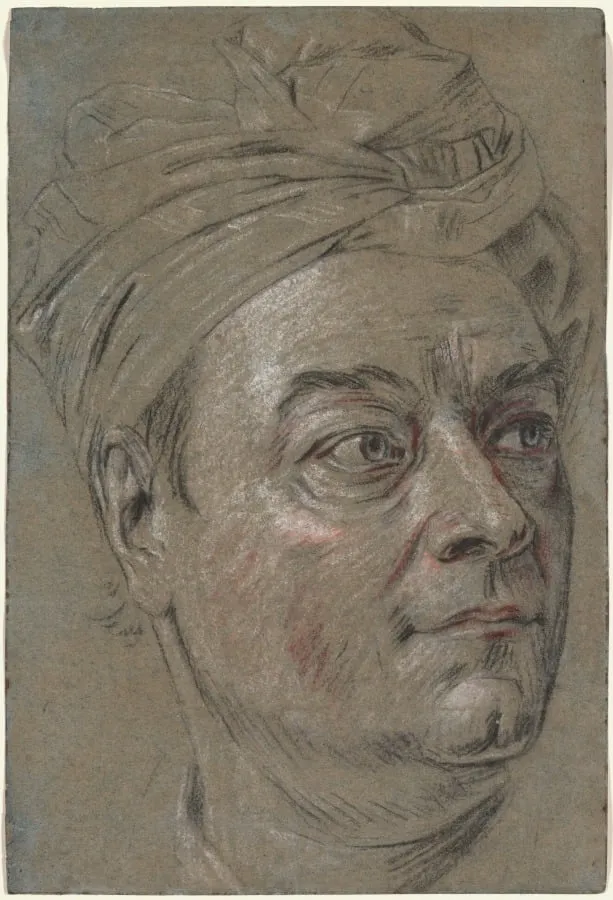
Jacques Dumont, called Le Romain is a drawing by the Baroque artist Maurice Quentin de La Tour. It dates from 1742 and is held in the collection of the Cleveland Museum of Art. This pastel study depicts the painter Jacques Dumont, known as Le Romain, rendered in a swift, half‑finished manner.
About this work
Overview
This pastel study depicts the painter Jacques Dumont, known as Le Romain, rendered in a swift, half‑finished manner. Executed in a single sitting, the drawing captures a half‑lit face with keen eyes and slightly open lips, the medium’s powdery quality allowing rapid tonal shifts that suggest the sitter’s expression in the moment.
Subject & Meaning
The work serves as a visual sketch of Dumont, intended as a preparatory reference for larger pastel portraits later produced by the artist. Its informal, immediate quality reflects the personal rapport between the two men, offering insight into how La Tour approached likeness through quick observation rather than elaborate composition.
Technique & Style
La Tour employed pastel, a medium prized for its vibrant pigments and ability to blend directly on the support. The strokes are loose and airy, creating a soft transition between light and shadow reminiscent of sfumato, which softens edges and gives the face a slightly smoky atmosphere. The rapid application captures the fleeting play of light on skin.
History & Provenance
After its creation, the drawing entered the collection of the Goncourt brothers, Edmond and Jules, during the nineteenth century. As literary figures and advocates for eighteenth‑century French art, they helped revive interest in La Tour’s oeuvre, ensuring the study’s preservation and scholarly attention.
Context
Maurice Quentin de La Tour was renowned for his portraiture in the mid‑1700s, often working directly from life to achieve striking likenesses. This study fits within his broader practice of producing preliminary sketches that informed more elaborate pastel portraits, such as the two large‑scale versions of Dumont, one of which resides in the Louvre.
Artist & collection
Artist
Pastel portraits by this 18th-century artist bring 1700s France to life in powdery color.

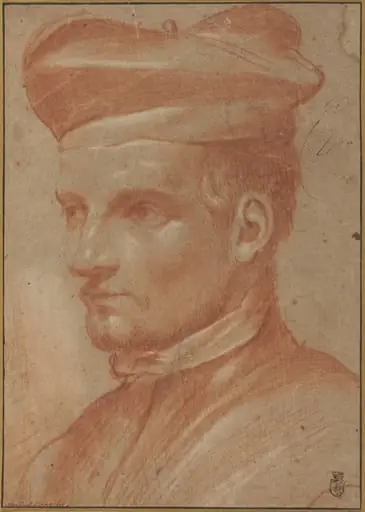 Portrait of an Ecclesiastic Wearing a Biretta
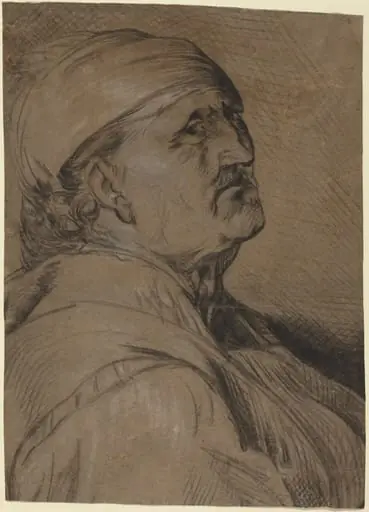 Head of an Old Man
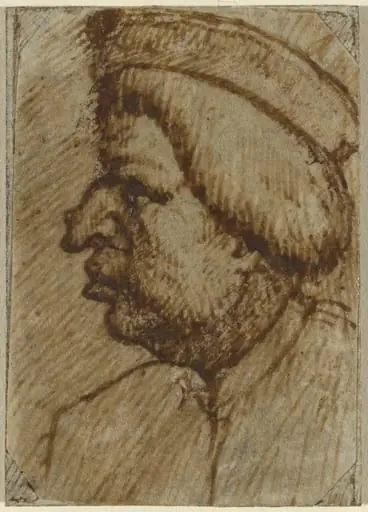 Profile of a Man
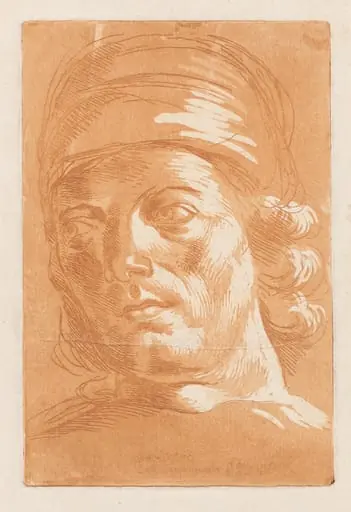 Head of a Man
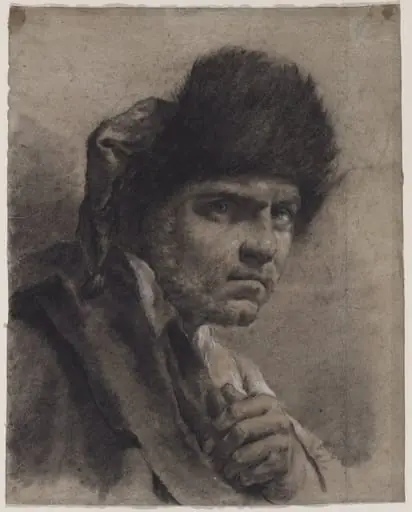 Man with a Fur Cap
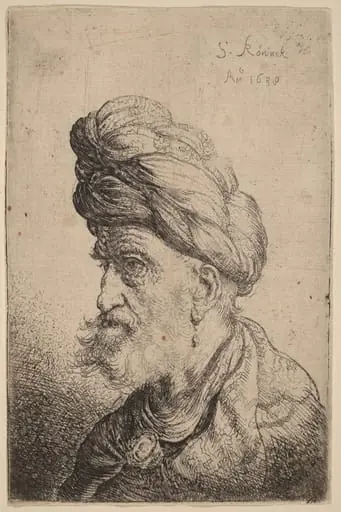 Bust of a Man with a Turban Facing Left
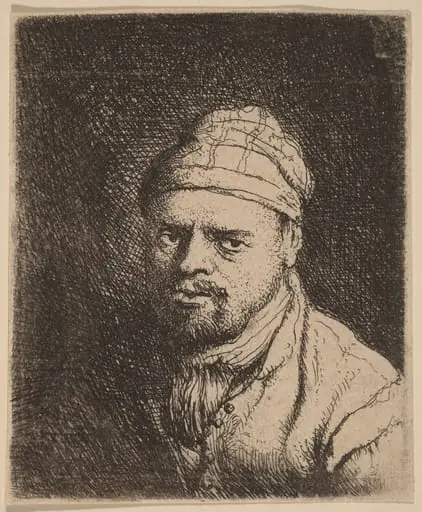 Bust of a Cook with Cap
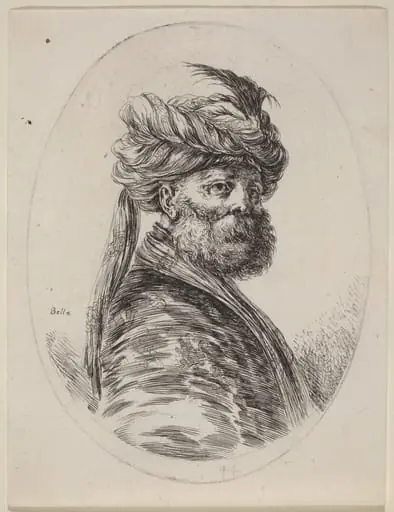 Bearded Moor in a Feathered Turban with a Veil, Turned to the Right
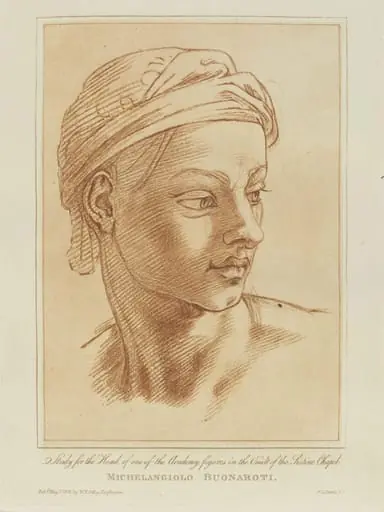 study of a head
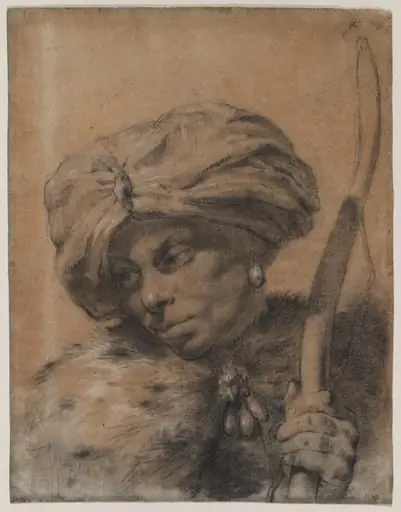 Archer with Turbaned Headdress
 Head of a Man in Oriental Turban
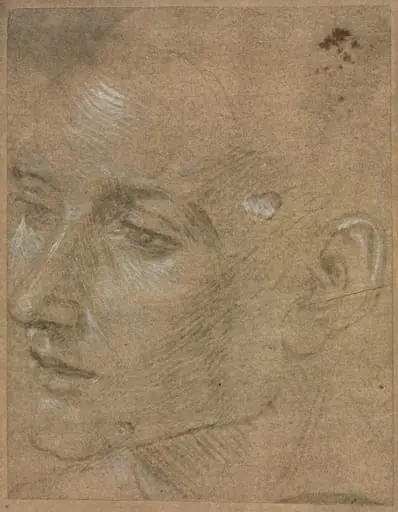 Head of a Young Man