Artwork
Abbé Nollet
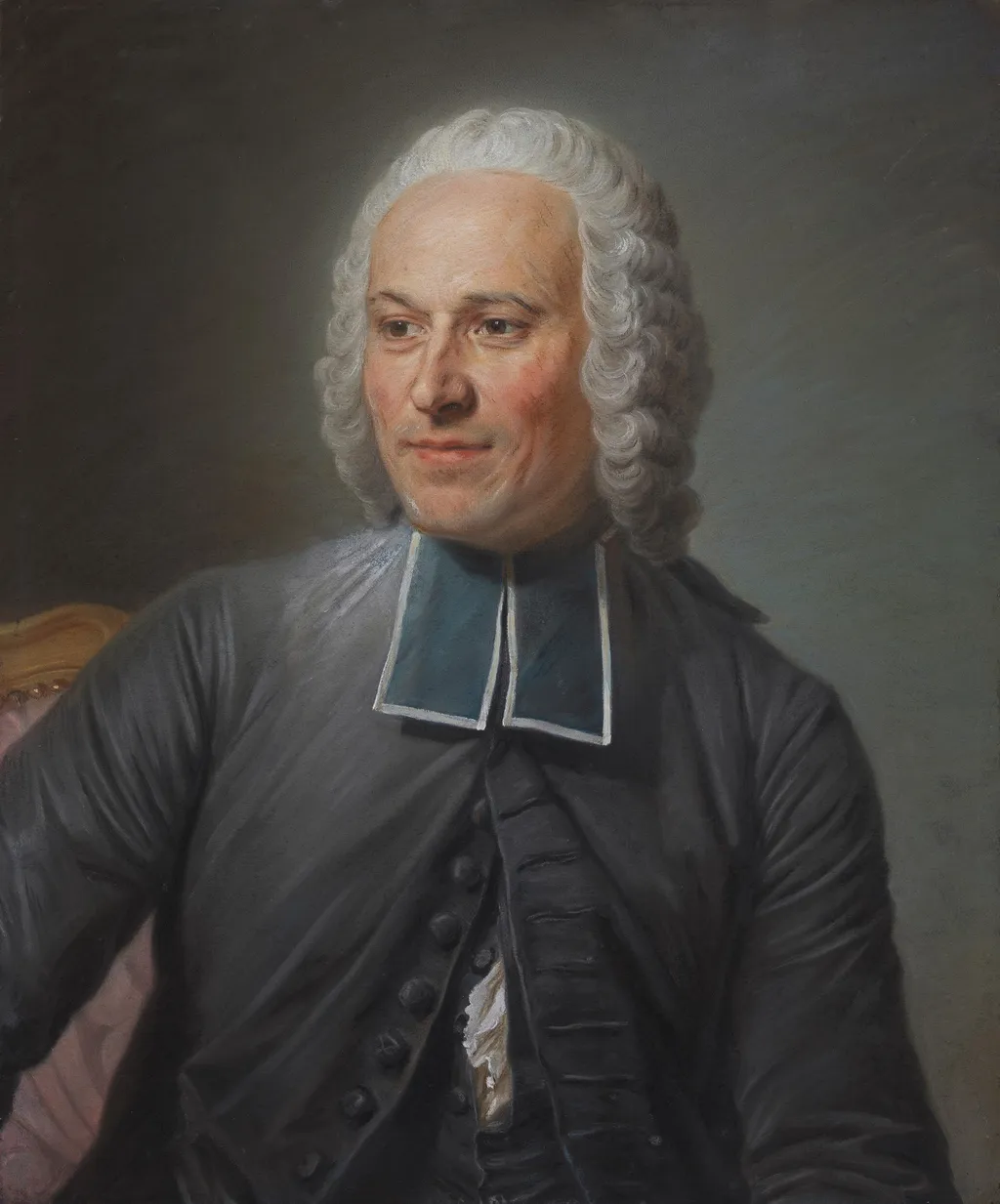
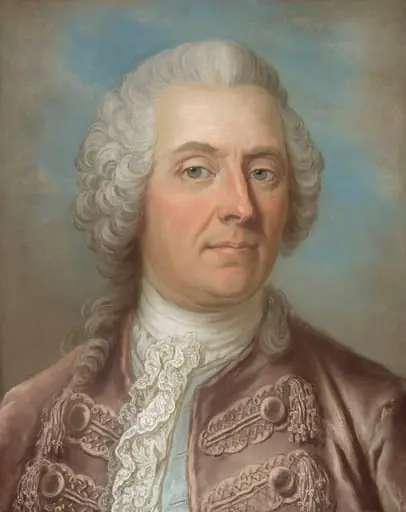
Abbé Nollet is an unspecified painting by the Rococo painting artist Maurice Quentin de La Tour. It dates from 1753 and is held in the collection of the Bavarian State Painting Collections.
About this work
Overview
Painted in 1753 by Maurice Quentin de La Tour, this portrait depicts Jean-Antoine Nollet, a French natural philosopher and abbé.
Painted in 1753 by Maurice Quentin de La Tour, this portrait depicts Jean-Antoine Nollet, a French natural philosopher and abbé. Executed in pastel on paper, the work is part of the Alte Pinakothek’s collection in Munich. De La Tour was renowned for his ability to capture the texture of skin and fabric with pastels, and this piece exemplifies his mastery of the medium in 18th-century French portraiture.
Subject & Meaning
The subject, Abbé Nollet, was a prominent scientist known for his experiments in electricity and his role in popularizing natural philosophy. His calm, direct gaze and restrained attire reflect the dignity associated with intellectual authority in the Enlightenment era. The portrait avoids theatricality, emphasizing his role as a thoughtful scholar rather than a figure of religious or aristocratic spectacle.
Technique & Style
De La Tour employed pastel sticks to build layered tones, achieving subtle gradations of light and shadow. The dark background isolates the figure, enhancing the three-dimensionality of his face and clothing. Soft modeling of the white hair and the blue collar demonstrates his skill in rendering texture without line, while the chiaroscuro effect draws attention to the contours of the face and the quiet intensity of the gaze.
History & Provenance
The portrait was completed during de La Tour’s peak years as a favored portraitist of French intellectuals and court figures. It entered the Alte Pinakothek’s collection in the 19th century, likely through acquisition from a German noble or institutional source. Its preservation in excellent condition reflects its early recognition as a significant example of pastel portraiture in European collections.
Context
In mid-18th-century France, pastel portraiture flourished as a refined alternative to oil painting, particularly among the educated elite. De La Tour’s portraits of scientists and philosophers aligned with Enlightenment values, celebrating reason and observation. Nollet’s image, like others by the artist, served both as personal commemoration and as a cultural artifact of intellectual identity.
Legacy
This portrait remains a key example of de La Tour’s contribution to the pastel tradition, influencing later artists in the use of color and light to convey psychological presence. While not widely reproduced, it is frequently cited in studies of 18th-century scientific portraiture and the material culture of Enlightenment thought, affirming its role in documenting the era’s intellectual figures.
Own this work as a print
Artist & collection
Artist
Pastel portraits by this 18th-century artist bring 1700s France to life in powdery color.

 Untitled
 Antoni Warin
 Portrait of Joseph Marie Terray
 Portrait of Bishop Ignacy Krasicki
 Portrait of Justus Tjeenk, one of the Founders of the Scientific Society of Zealand and Clergyman at Flushing
 Portrait of Théophile Van Robais
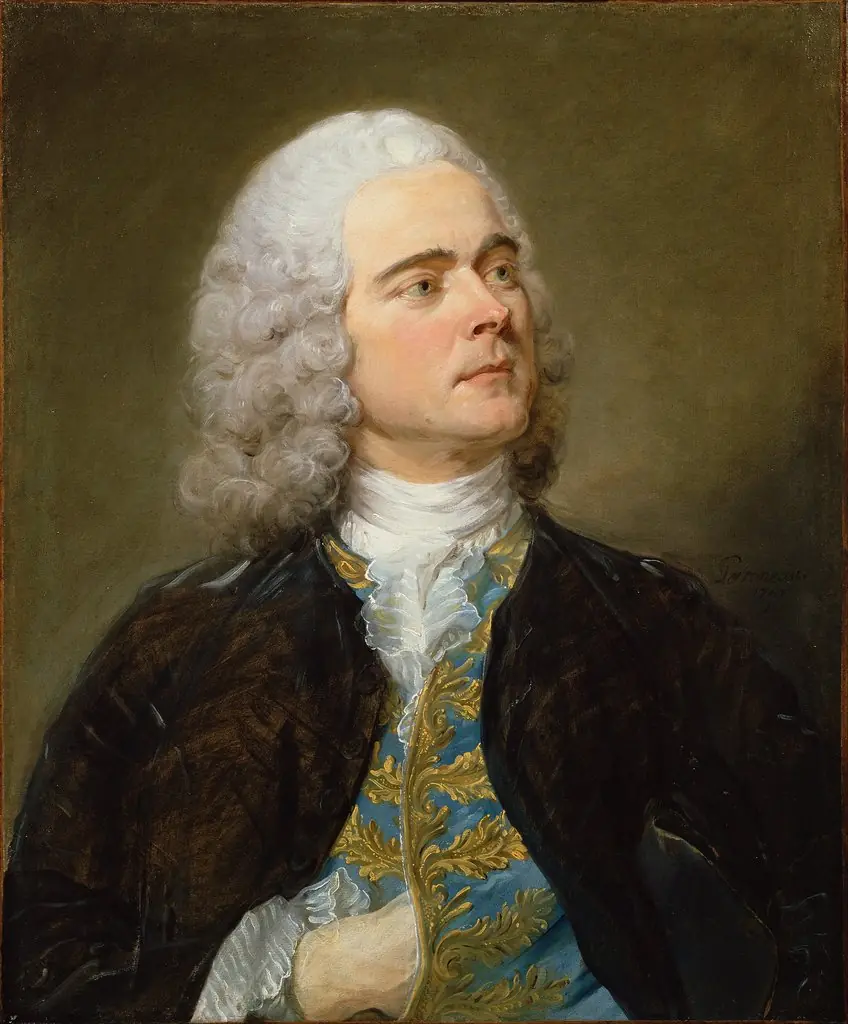 Charles-François Pinceloup de la Grange
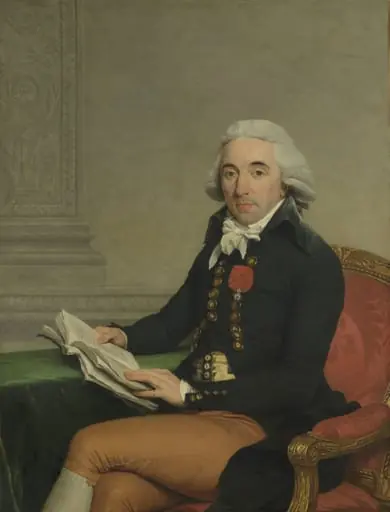 Portrait of a Man
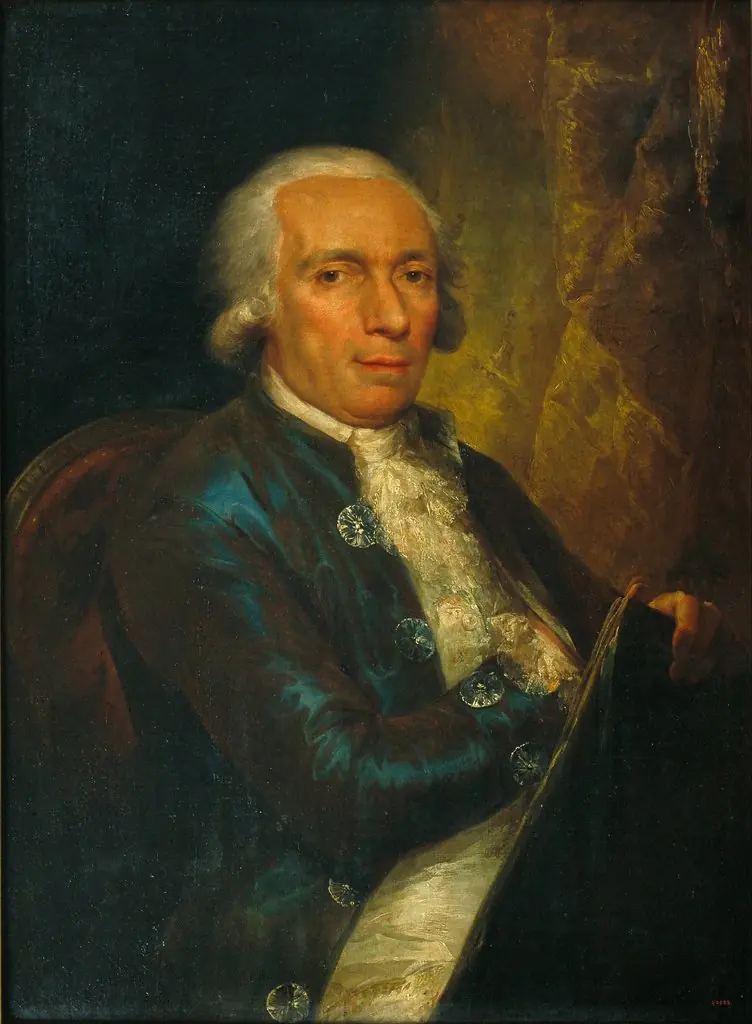 Portrait of the Engraver Pasqual Pere Moles, first director of the Escola de Llotja
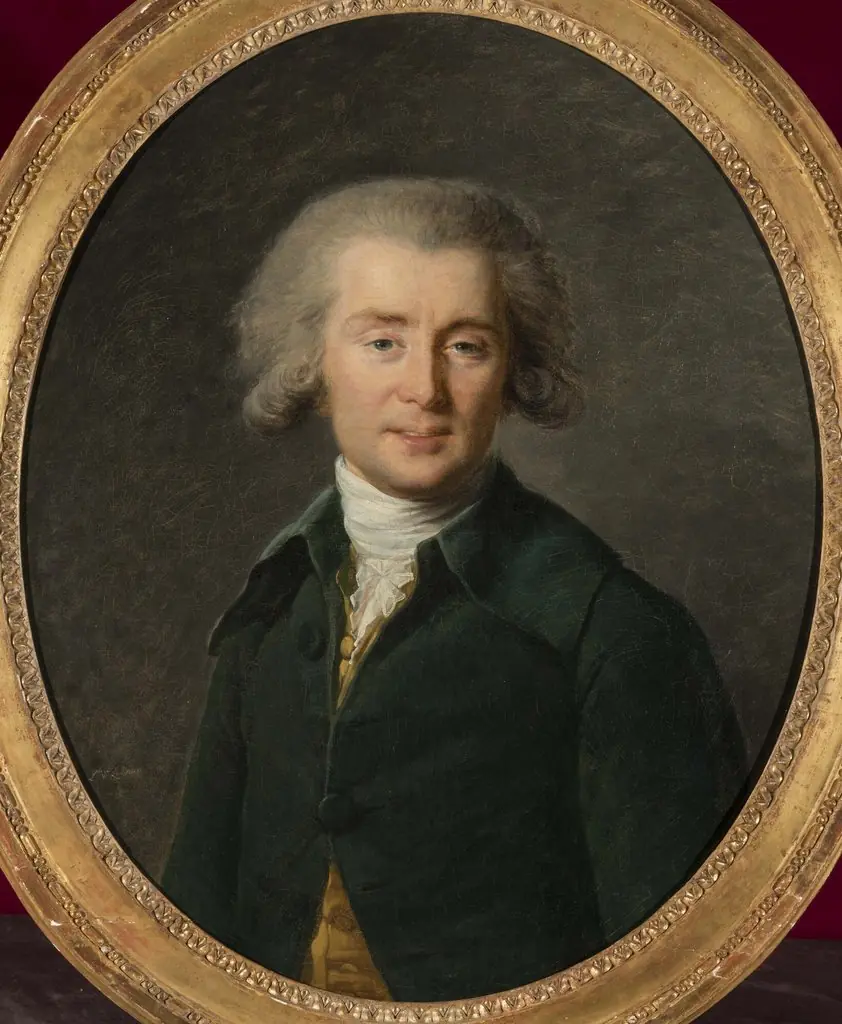 André-Ernest-Modeste Grétry, musician
 Vapaaherra Johan Wilhelm Sprengtporten