Artwork
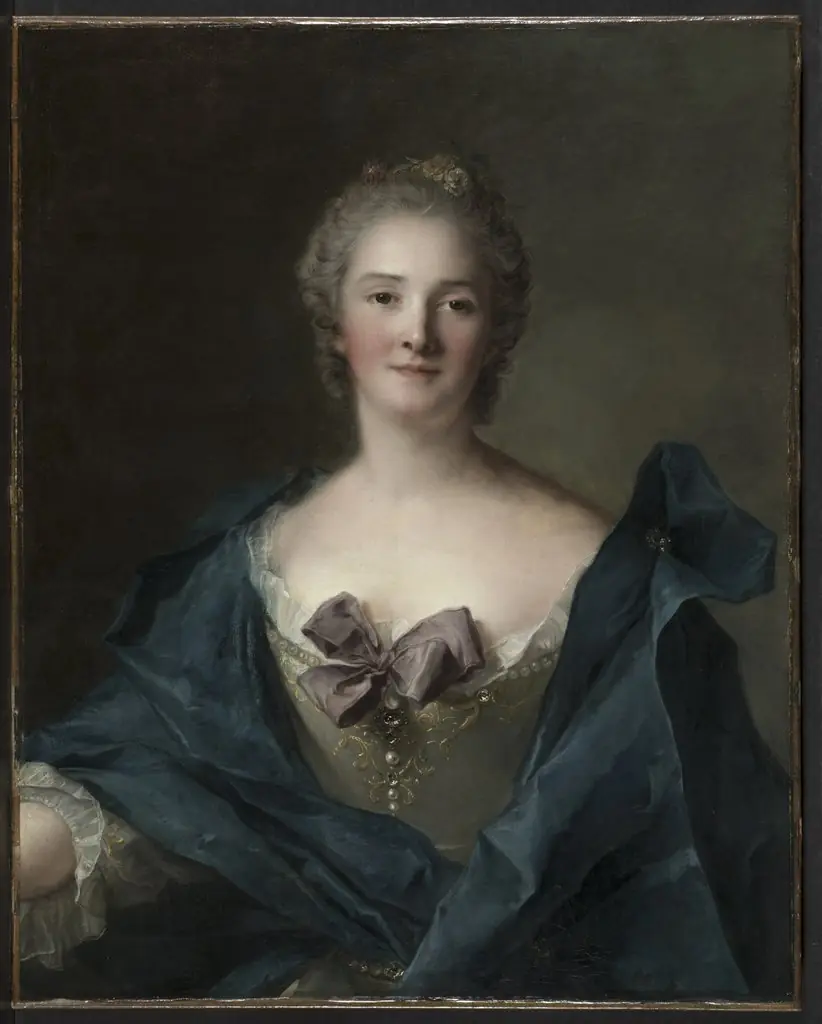
Marie-Sophie de Courcillon, Duchesse de Pecquigny, Princesse de Rohan
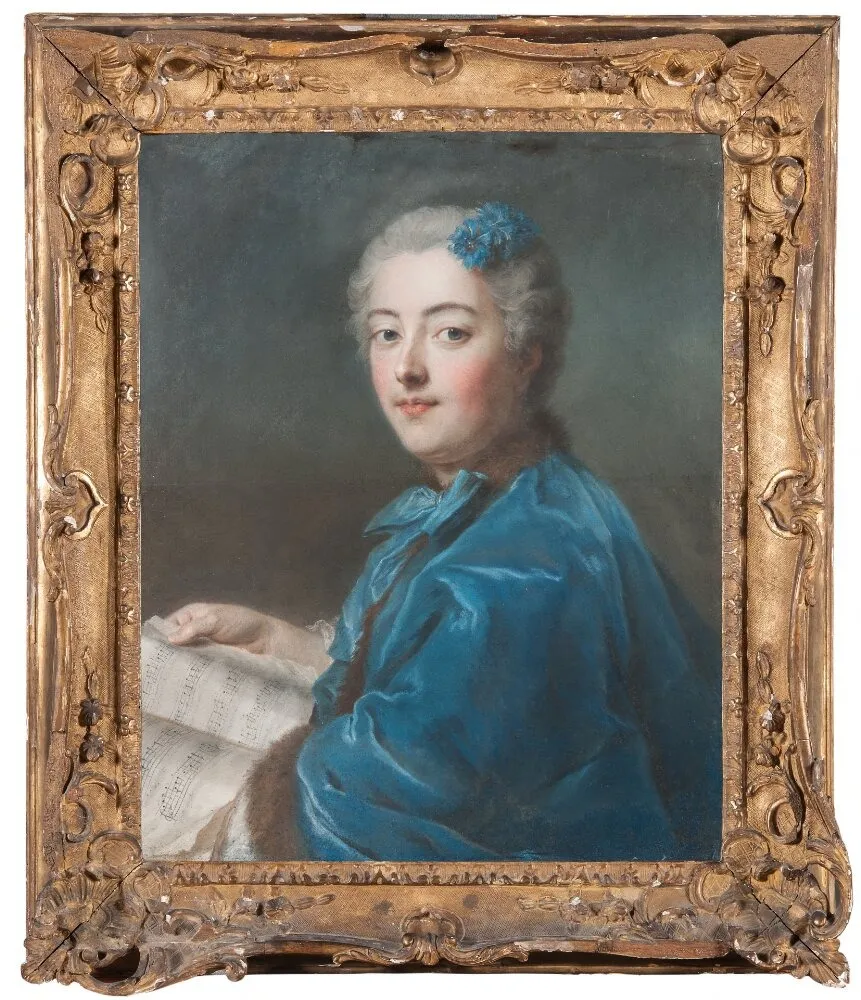
Marie-Sophie de Courcillon, Duchesse de Pecquigny, Princesse de Rohan is an unspecified painting by the Rococo painting artist Maurice Quentin de La Tour. It dates from 1740 and is held in the collection of the Nationalmuseum.
About this work
Overview
Painted in 1740 by Maurice Quentin de La Tour, this portrait captures Marie-Sophie de Courcillon, Duchess of Pecquigny and Princess of Rohan.
Painted in 1740 by Maurice Quentin de La Tour, this portrait captures Marie-Sophie de Courcillon, Duchess of Pecquigny and Princess of Rohan. Executed in pastel on paper, it is part of the collection at the Nationalmuseum in Stockholm. The work exemplifies the French tradition of aristocratic portraiture in the mid-18th century, emphasizing elegance and personal refinement through delicate color and precise detail.
Subject & Meaning
Marie-Sophie de Courcillon is portrayed with quiet composure, her gray hair neatly arranged and adorned with a single blue flower. The sheet of music she holds suggests her engagement with the arts, possibly indicating musical talent or cultural patronage. Her attire, a blue velvet gown, reflects her noble status while avoiding overt display, aligning with the restrained sophistication favored by the French elite of the period.
Technique & Style
De La Tour employed pastel to achieve a soft, lifelike texture, capturing the sheen of velvet and the translucency of skin with remarkable subtlety. The dark gray background isolates the figure, directing focus to her form and expression. His use of layered pastel strokes creates depth without harsh lines, characteristic of his mastery in rendering aristocratic subjects with both precision and tenderness.
History & Provenance
The portrait was completed in 1740, during de La Tour’s peak years as a portraitist to the French nobility. It entered the Nationalmuseum’s collection through documented acquisitions in the 19th century, likely from a European private collection. Its preservation in Sweden reflects the broader circulation of French art among Nordic aristocratic circles during the Enlightenment.
Context
In mid-18th-century France, pastel portraiture flourished as a favored medium among the nobility for its ability to convey both likeness and social grace. De La Tour’s work aligned with the cultural values of the time, where personal refinement and artistic patronage were markers of status. Marie-Sophie’s inclusion of music in the composition reflects the era’s ideal of the cultivated woman.
Legacy
This portrait remains a representative example of de La Tour’s contribution to the pastel tradition, influencing later portraitists through its emotional restraint and technical finesse. While not widely exhibited, it continues to be studied for its insight into aristocratic identity and the role of the arts in elite self-representation during the Ancien Régime.
Artist & collection
Artist
Pastel portraits by this 18th-century artist bring 1700s France to life in powdery color.

 Anna Johanna Grill
 A Young Lady in a Yellow Gown with Blue Ribbons
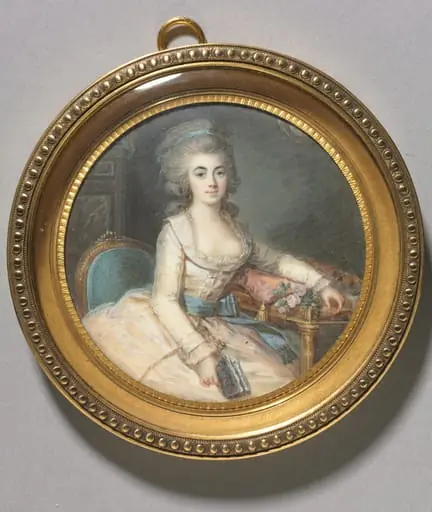 Portrait of a Woman
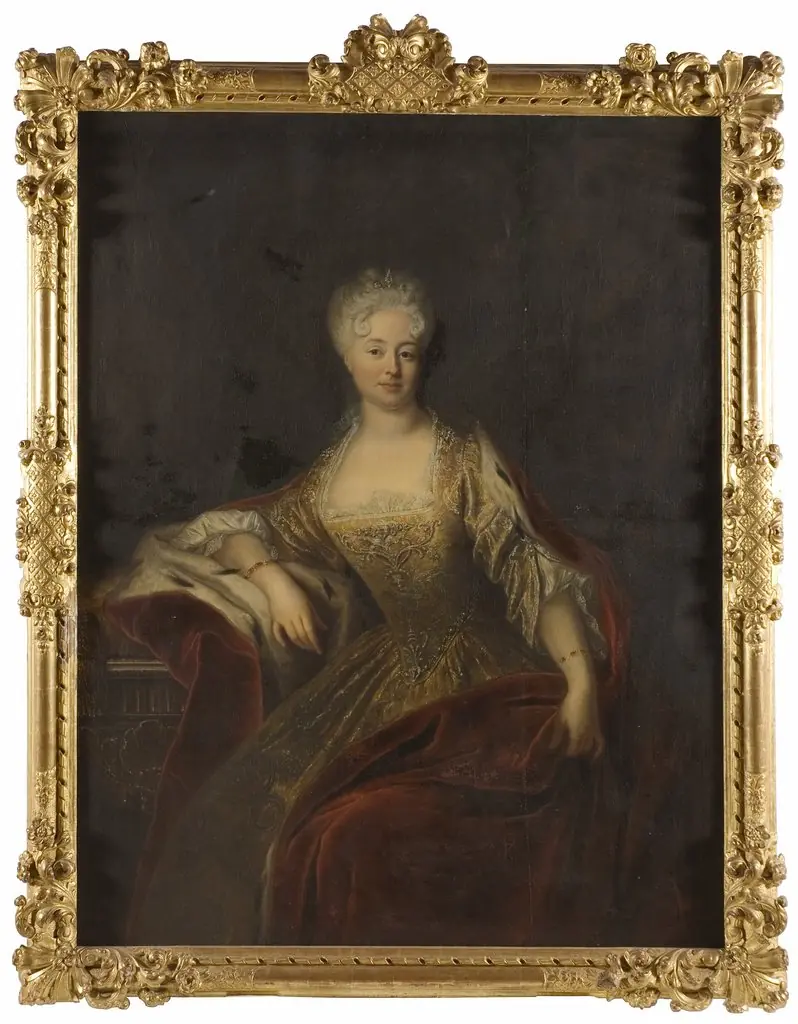 Johanna Charlotta, 1682-1750, prinsessa av Anhalt-Dessau
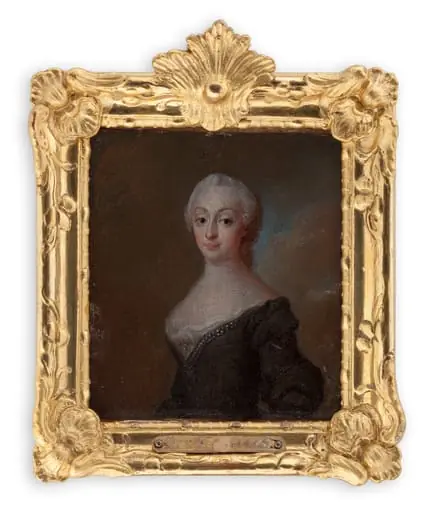 Nuoren naisen muotokuva
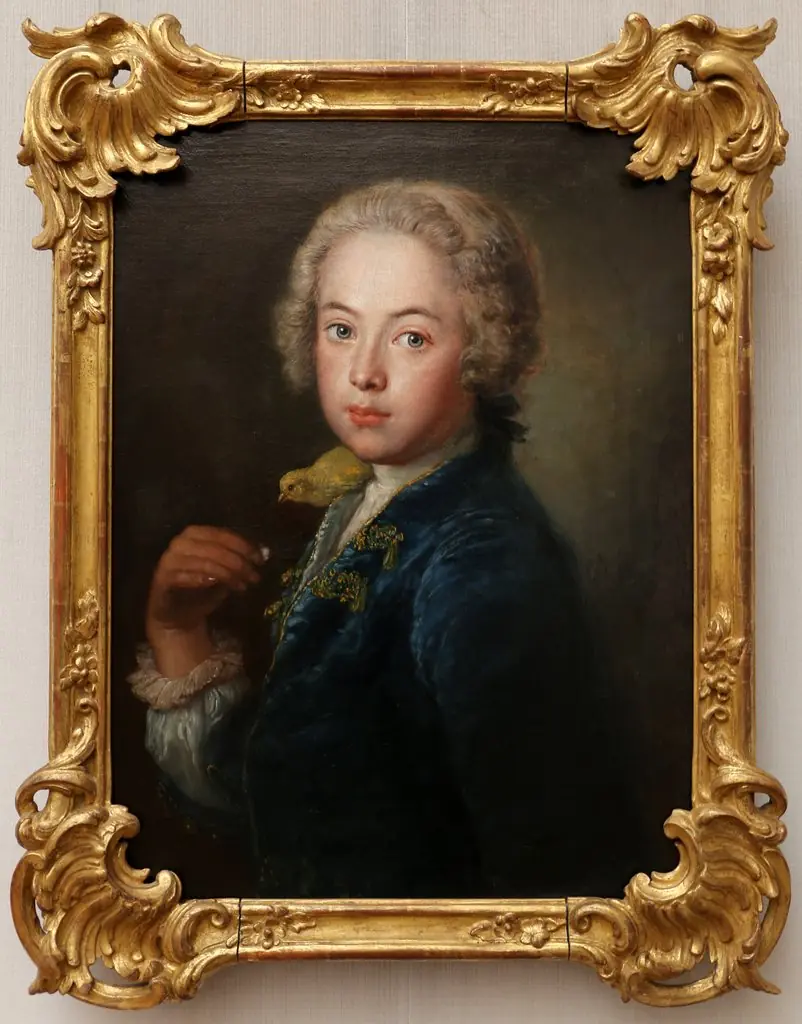 Georg Vollrath de Rège, grandson of the artist
 Fredrika Carleson (1743-1794), gift med 1. Carl Erik Wadenstierna, 2. Fredrik von Post
 Portrait of a Woman
 Portrait of a Child
 Kanslianeuvos Carl Fredrik Eckleff
 Portrait of a Woman
 Portrait of a Woman with a Guitar, called Louise D'Aumont, Mazarin, Duchesse d'Aumont