Artwork
Judith with the head of Holofernes
Judith with the head of Holofernes is an oil painting by the Realist artist Maurycy Gottlieb. It is held in the collection of the National Museum in Warsaw.
About this work
Overview
Painted in 1889 by Maurycy Gottlieb, a young Polish-Jewish artist, this oil on canvas depicts the biblical figure Judith holding the severed head of Holofernes.
Painted in 1889 by Maurycy Gottlieb, a young Polish-Jewish artist, this oil on canvas depicts the biblical figure Judith holding the severed head of Holofernes. Completed shortly before his death at age twenty-three, the work reflects Gottlieb’s engagement with historical and religious themes. It resides in the National Museum in Warsaw, where its unfinished appearance and emotional intensity distinguish it from more polished contemporaries.
Subject & Meaning
Judith, a heroine from the deuterocanonical Book of Judith, is shown in the quiet aftermath of her act of deliverance. Rather than celebrating victory, the painting emphasizes stillness and introspection. Her bare foot and loose white garment suggest vulnerability, while the darkened room and the presence of a mirror and vase introduce subtle symbolism—perhaps reflecting on identity, mortality, or the cost of violence.
Technique & Style
Gottlieb employed loose, visible brushwork and minimal blending, leaving areas of the canvas deliberately unresolved. The face of Judith and the severed head are softly blurred, enhancing the painting’s somber, contemplative mood. Strong contrasts between light and shadow, though not fully developed in the classical chiaroscuro manner, guide the viewer’s attention to the central figures amid the dim interior, reinforcing the psychological weight of the scene.
History & Provenance
Created in the final year of Gottlieb’s life, the painting was not exhibited publicly during his lifetime. After his death, it entered the collection of the National Museum in Warsaw, where it has remained. Its incomplete state suggests it may have been intended for further refinement, but his early passing preserved its raw, unpolished character, offering a rare glimpse into an artist’s working process at a critical moment.
Context
Gottlieb worked within the Realist tradition but was influenced by Romantic sensibilities, particularly in his focus on emotional depth and dramatic narrative. As a Jewish artist in 19th-century Poland, his choice of a biblical heroine may have carried personal resonance, reflecting themes of survival and moral courage. His training under Jan Matejko connected him to Poland’s national artistic discourse, even as his subject matter drew from broader religious sources.
Legacy
Though Gottlieb’s career was brief, this painting stands as one of his most compelling works. Its unfinished quality has invited scholarly attention, not as a failure but as an intentional expression of psychological tension. It contributes to discussions on Jewish representation in European art and the intersection of religious narrative with personal identity in late 19th-century Poland.
Artist & collection
Artist
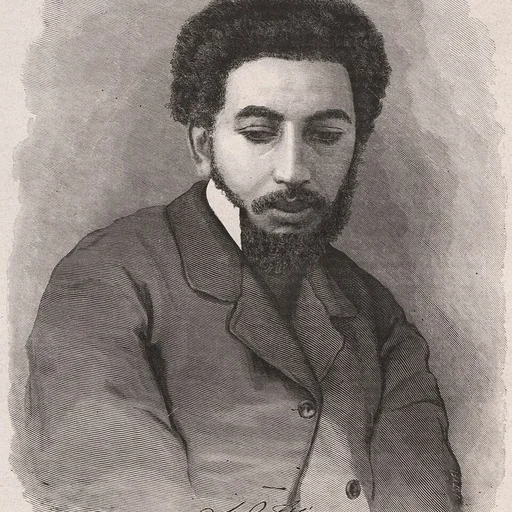
Maurycy Gottlieb (; 21 February 1856 – 17 July 1879) was a Polish-Jewish realist painter of the Romantic period. Considered one of the most talented students of Jan Matejko, Gottlieb died at the age of 23.

 The actress Kitty Fisher as Danae
 Compoziție (Odaliscă) (În RI: Compoziție. Scenă de interior)
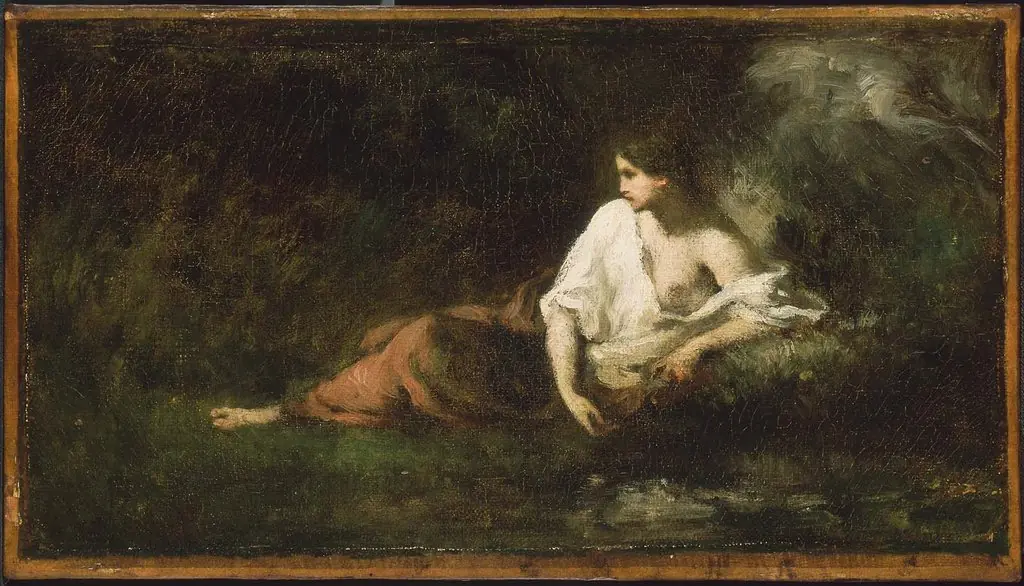 Woman Reclining in a Landscape
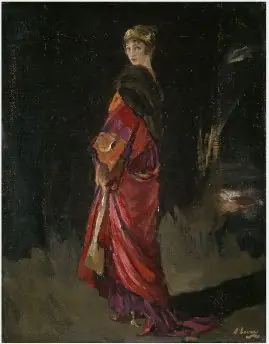 Lady Lavery in an Evening Cloak
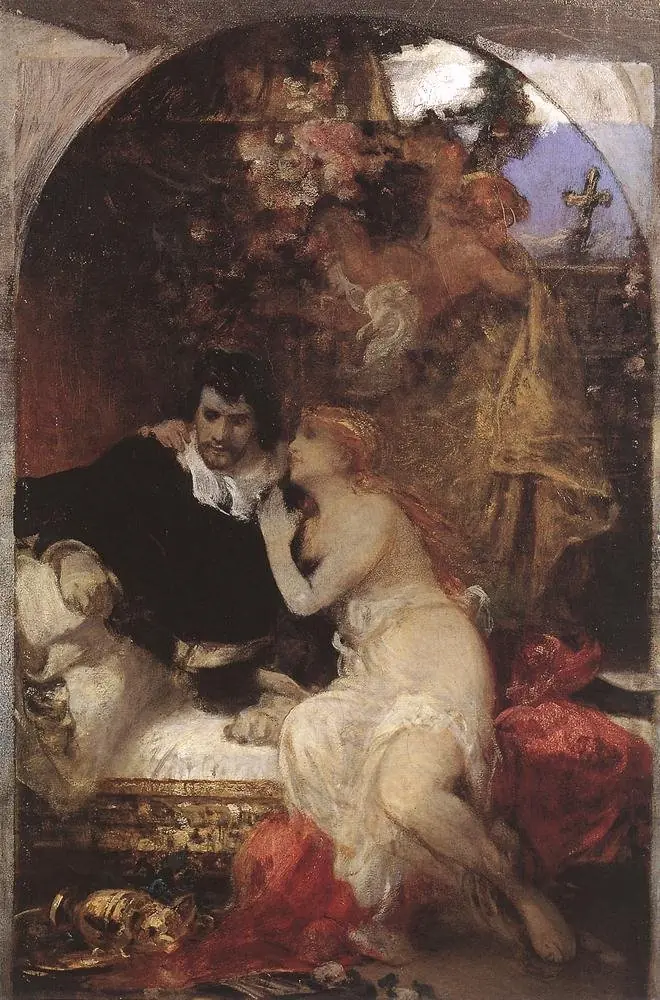 Venus and Tannhäuser
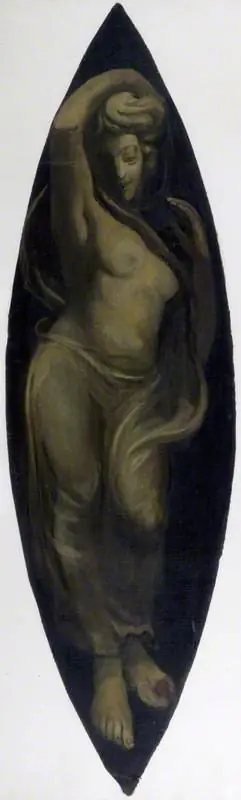 Standing Female Figure (decorative panel)
 Josephine and the Fortune-teller
 Study of a Magdalen
 Black Tresses
 Burns and his Highland Mary
 Almansaris besucht Hüon im Gefängnis