Artwork
Josephine and the Fortune-teller
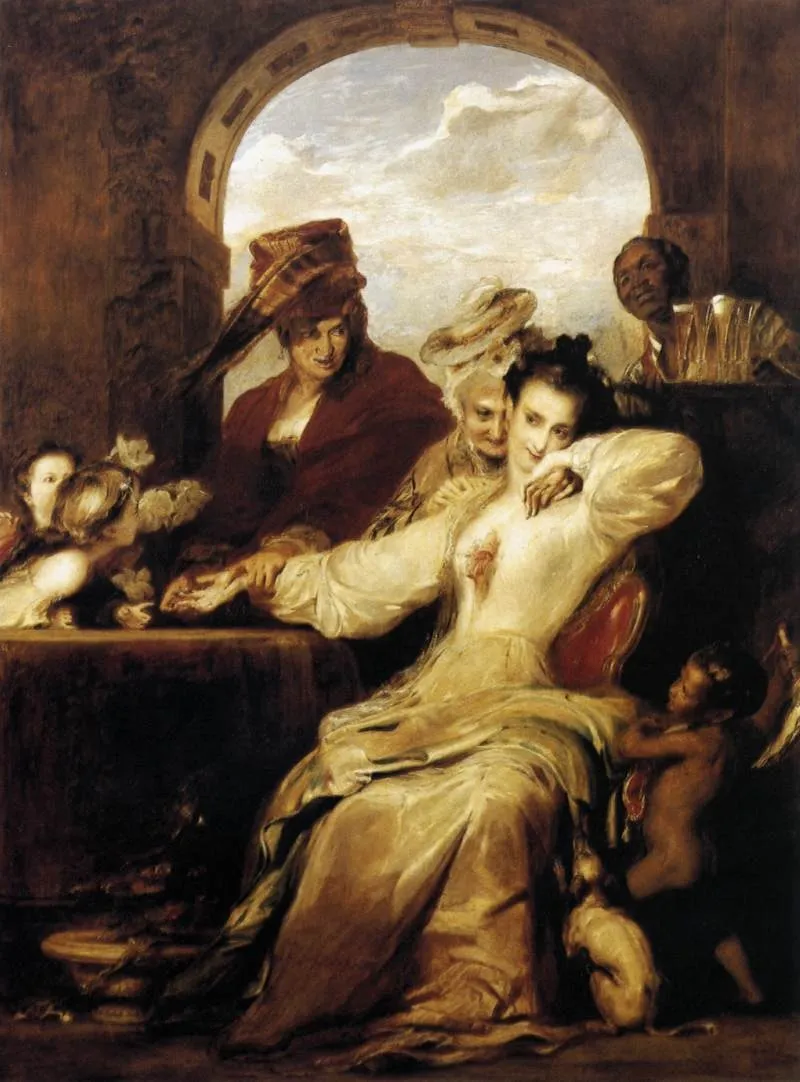
Josephine and the Fortune-teller is an oil painting by David Wilkie. It dates from 1837 and is held in the collection of the National Galleries Scotland.
About this work
Overview
David Wilkie's 1837 oil painting, Josephine and the Fortune-teller, portrays a legendary moment from the early life of Joséphine de Beauharnais.
David Wilkie's 1837 oil painting, Josephine and the Fortune-teller, portrays a legendary moment from the early life of Joséphine de Beauharnais. Set on the Caribbean island of Martinique, the scene captures a private encounter between the young woman and a fortune-teller, framed as a narrative of destiny. Commissioned by John Abel Smith and inspired by William Knighton, the work belongs to Wilkie’s series of historical subjects centered on French imperial figures.
Subject & Meaning
The painting illustrates an apocryphal tale in which Joséphine, before her rise to prominence, receives a prophecy of her future as Empress of France. Though historically unverified, the scene functions as a symbolic prelude to her alliance with Napoleon Bonaparte. Wilkie uses the moment to explore themes of fate and social ascent, blending folklore with the grand narrative of European power.
Technique & Style
Wilkie employs a naturalistic style typical of early 19th-century British history painting, with careful attention to texture, light, and expressive gesture. The figures are rendered with psychological nuance, and the interior setting is rendered in muted tones to focus attention on the interaction between Joséphine and the fortune-teller. The composition balances intimacy with dramatic tension, avoiding theatricality in favor of quiet anticipation.
History & Provenance
Created in 1837, the painting was exhibited at the Royal Academy’s Summer Exhibition the same year. It was commissioned following Wilkie’s earlier work depicting Napoleon and Pope Pius VII. After passing through private collections, it entered the Scottish National Gallery’s holdings in 1949, acquired through public funding. Its presence in Edinburgh reflects its significance within British art history rather than French imperial iconography.
Context
Wilkie painted this work during a period when British artists frequently turned to European historical narratives to appeal to public interest in monarchy and romance. The depiction of Joséphine aligned with broader fascination with Napoleonic figures, especially after the defeat of France. Though rooted in legend, the painting tapped into contemporary curiosity about the origins of imperial power and the role of women within it.
Legacy
While not among Wilkie’s most widely reproduced works, Josephine and the Fortune-teller remains a notable example of his narrative precision and interest in transitional moments of personal destiny. It contributes to the understanding of how British artists interpreted foreign histories through a domestic lens. The painting continues to be studied for its blend of folklore and historical imagination in Victorian-era art.
Artist & collection
Artist
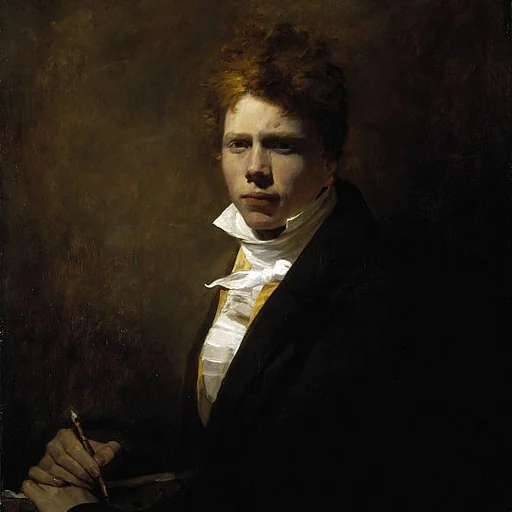
Sir David Wilkie (18 November 1785 – 1 June 1841) was a Scottish painter, especially known for his genre scenes.

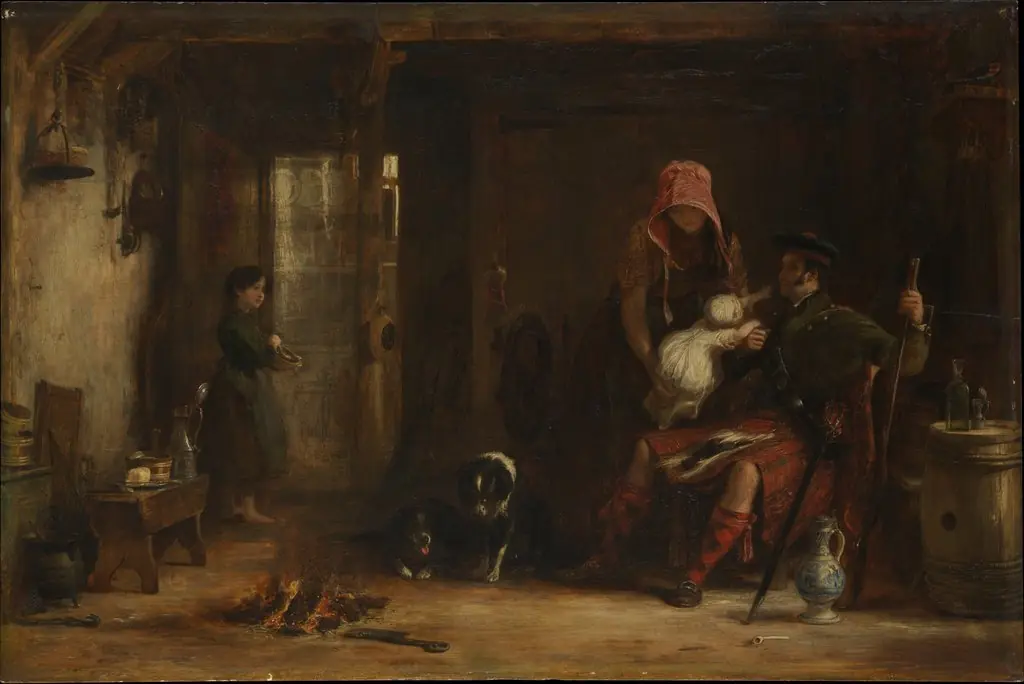 The Highland Family
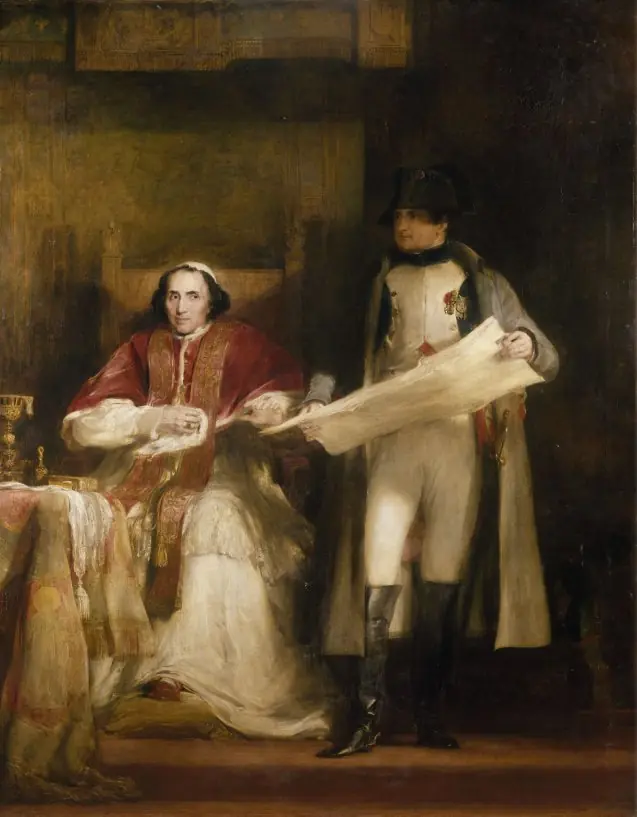 Napoleon and Pope Pius VII at Fontainebleau in 1813
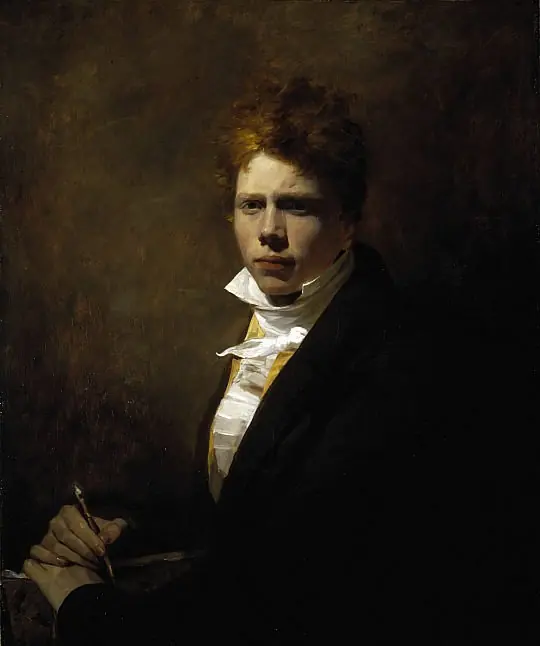 Self-Portrait
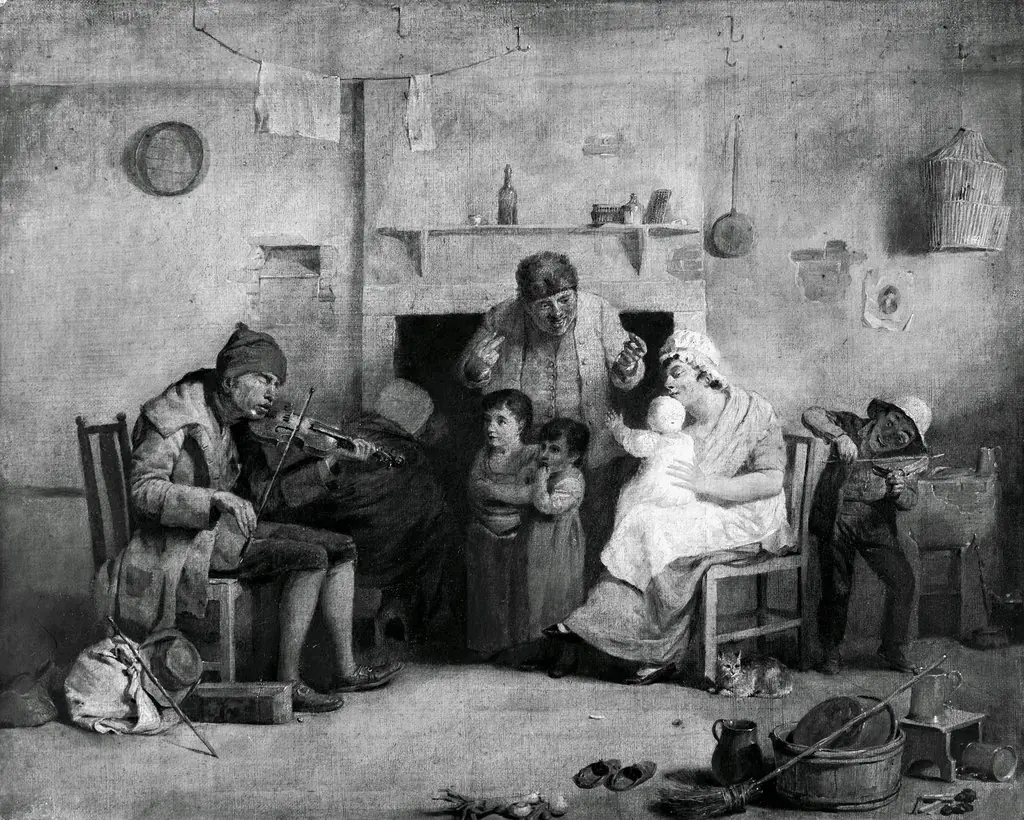 The blind violinist
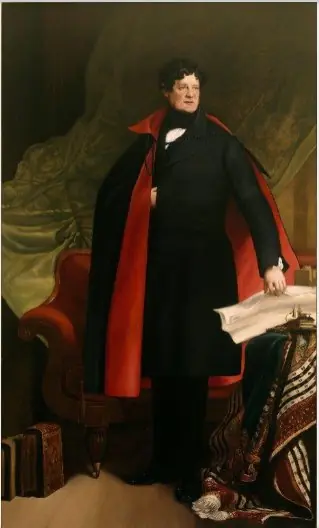 Portrait of Daniel O'Connell as Governor of the National Bank
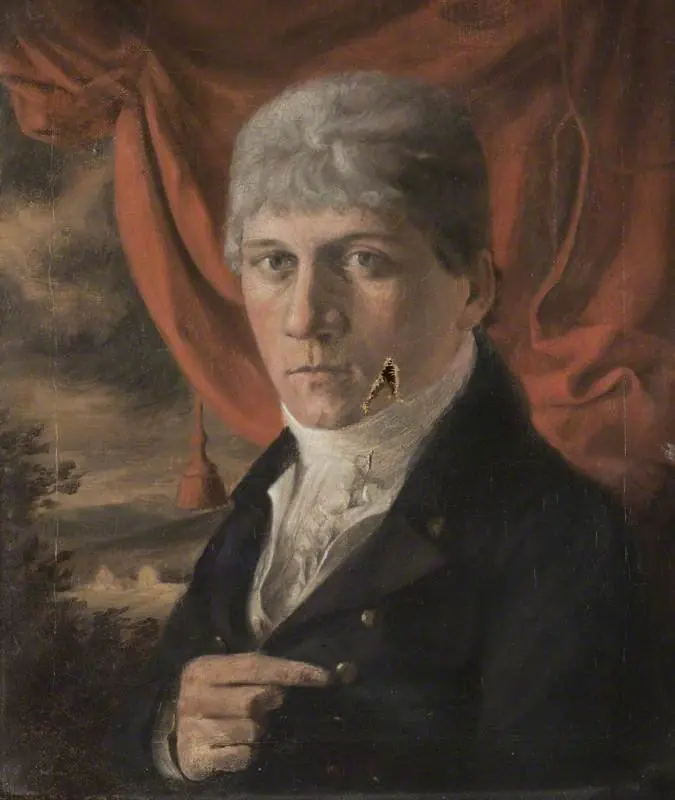 Portrait of the Artist's Brother, Captain James Wilkie (1784 - 1824)
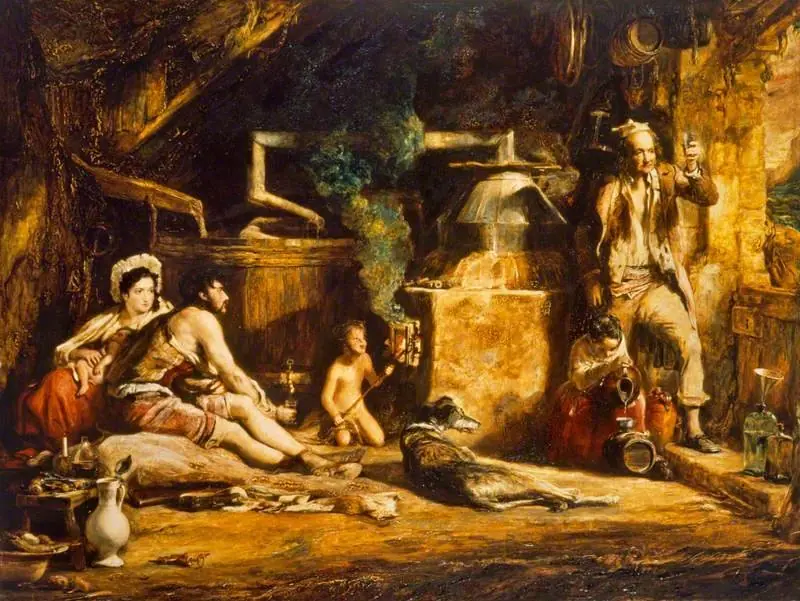 The Irish Whiskey Still
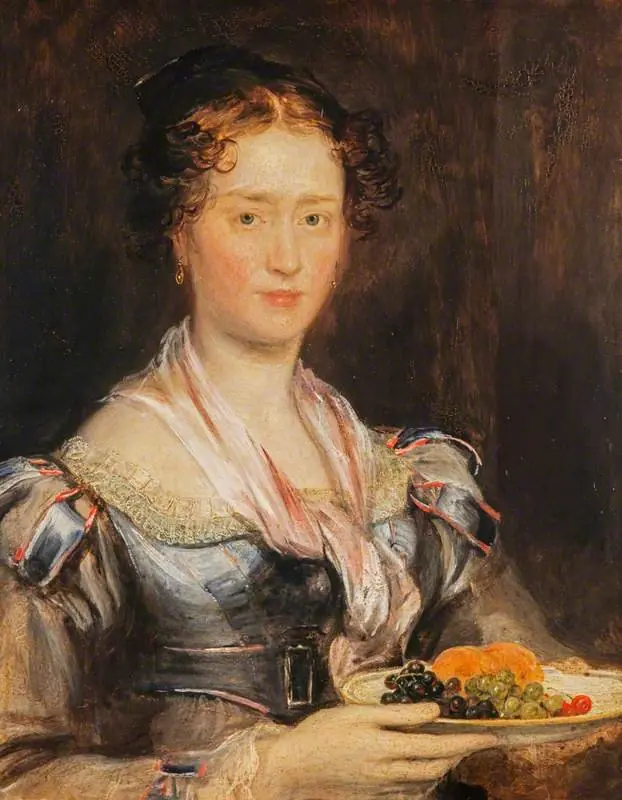 The Artist's Sister, Helen Hunter, née Wilkie (1793–1870)
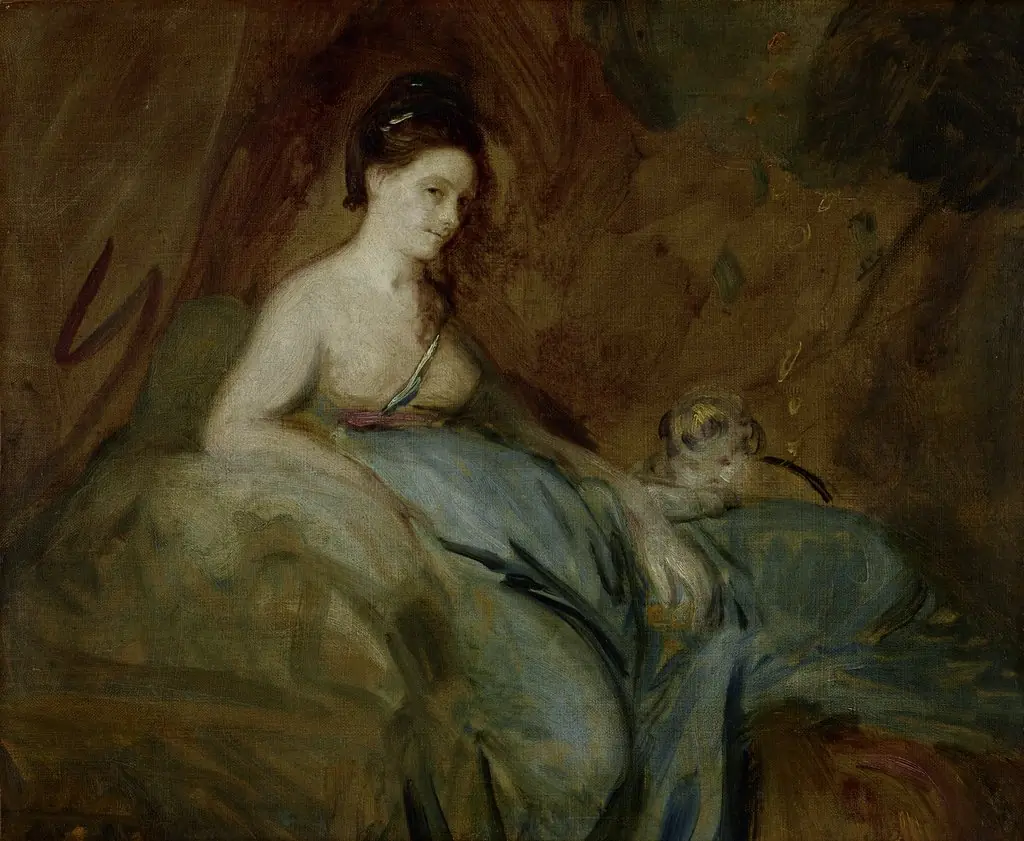 The actress Kitty Fisher as Danae
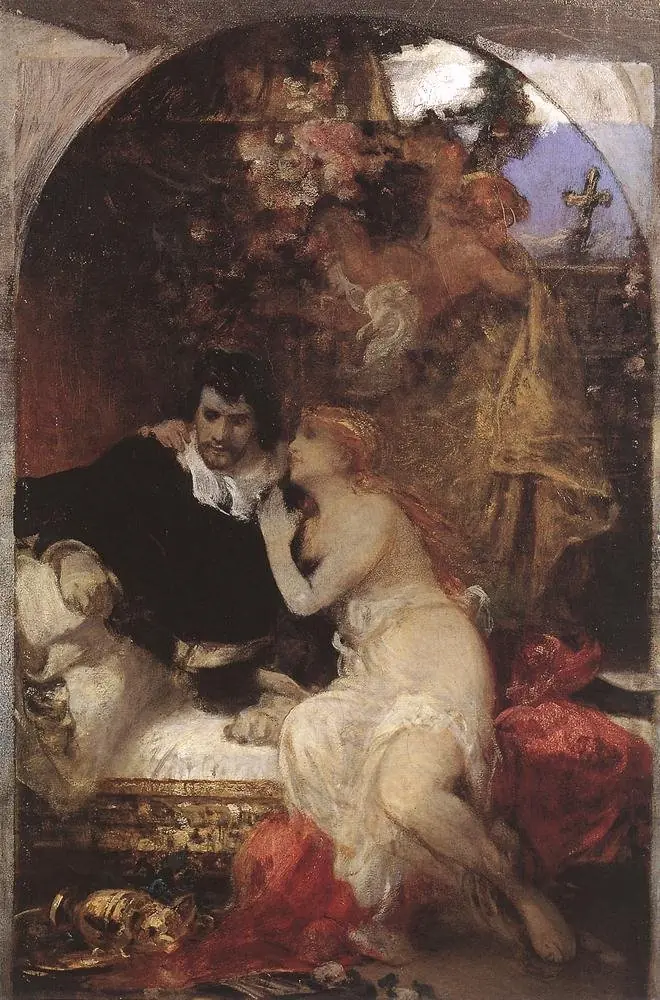 Venus and Tannhäuser
 Nelson sealing the Copenhagen letter
 Judith and Holofernes
 The Captured Kiss
 Judith with the Head of Holofernes
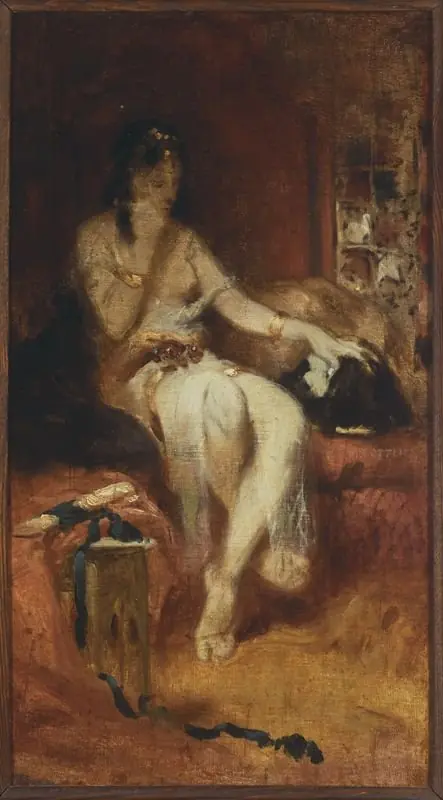 Judith with the head of Holofernes
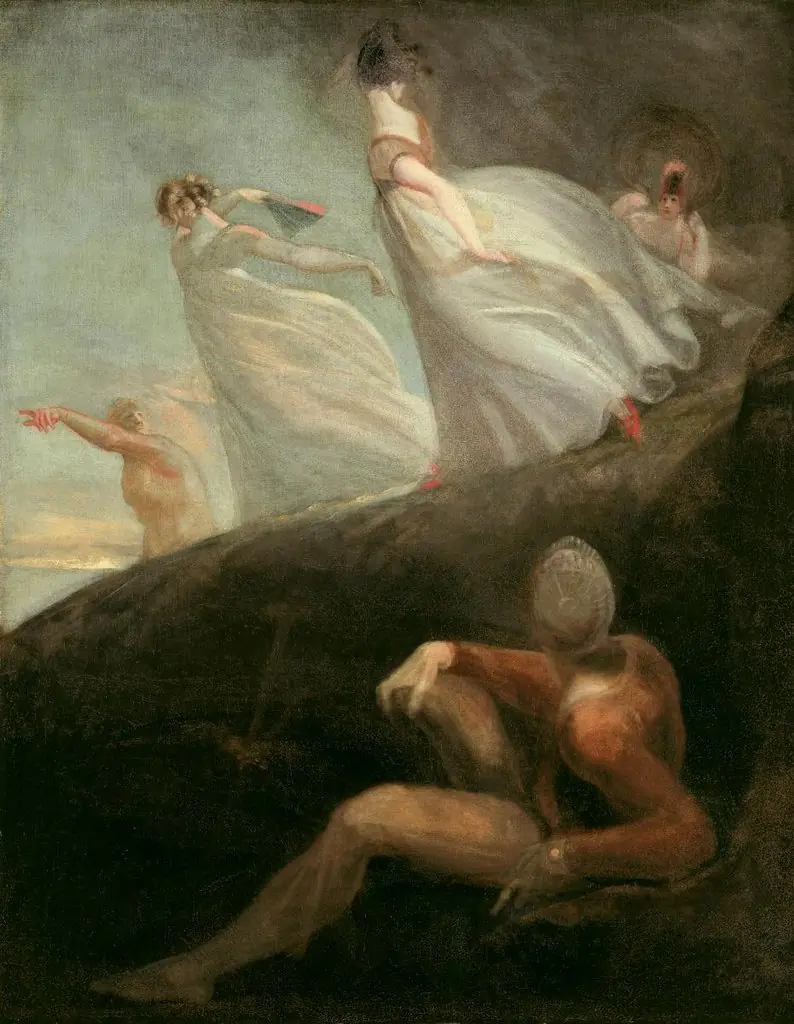 Die Damen von Hastings
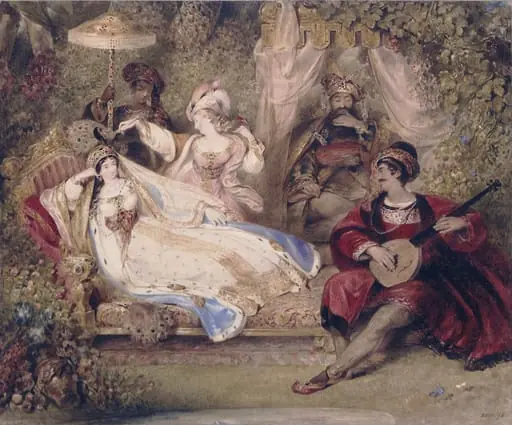 Feramorz relating he story of the Peri
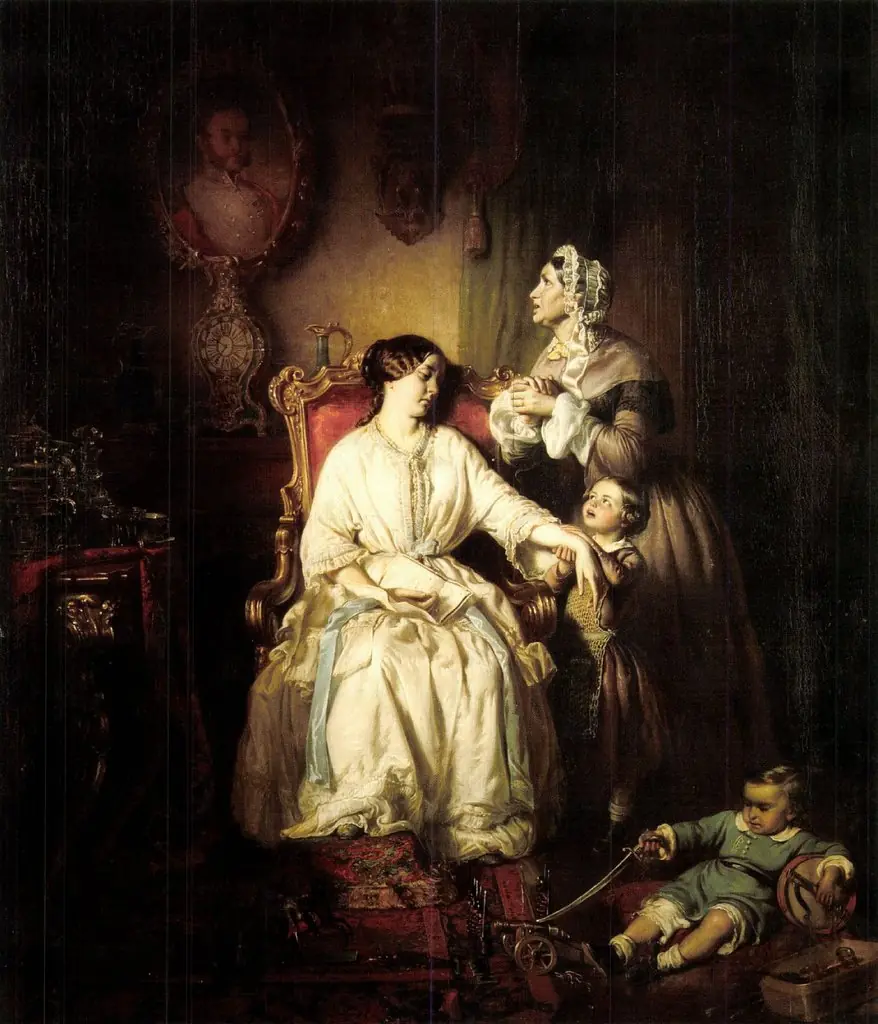 The Letter
 Four Spanish Maidens
 Bertalda, von Kühleborn erschreckt