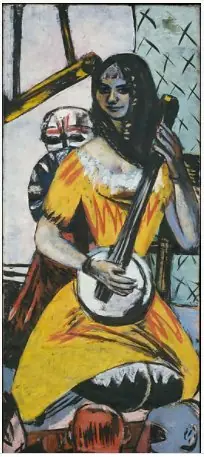
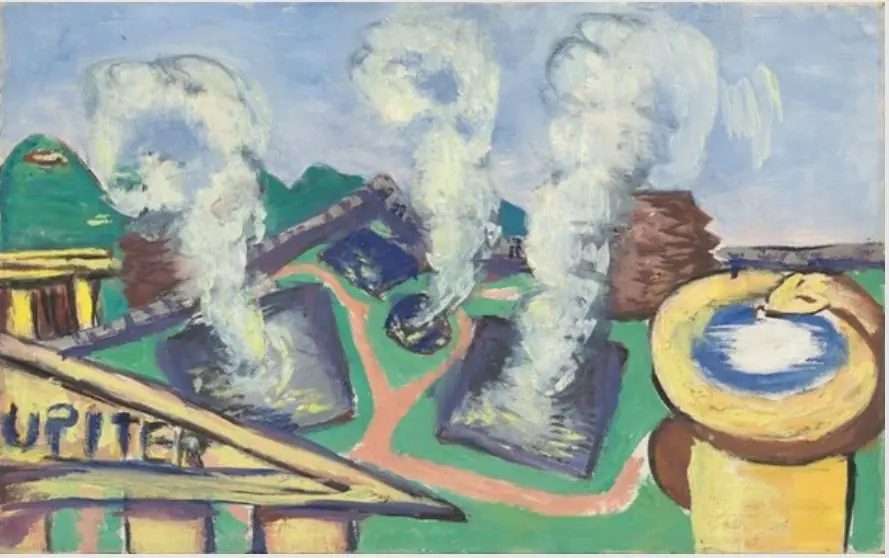
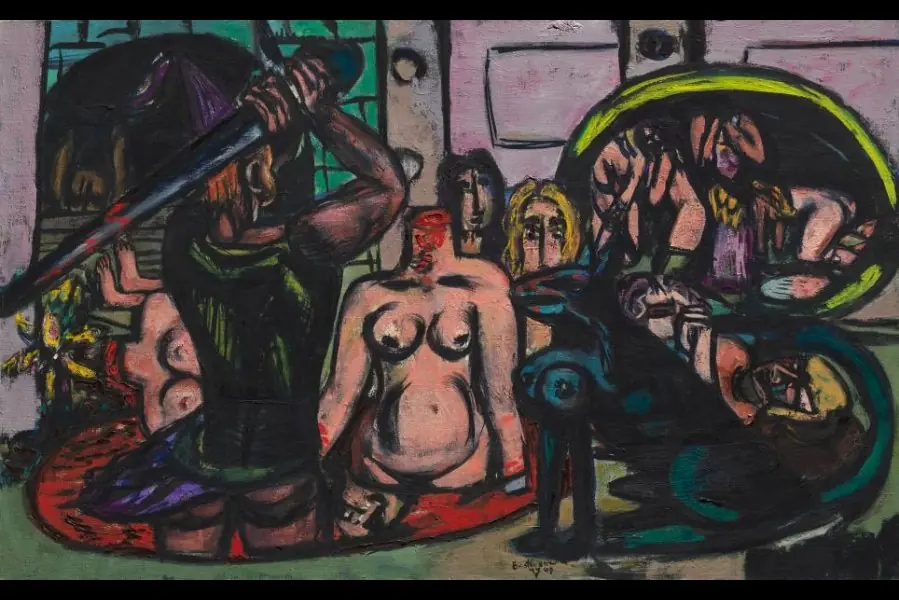
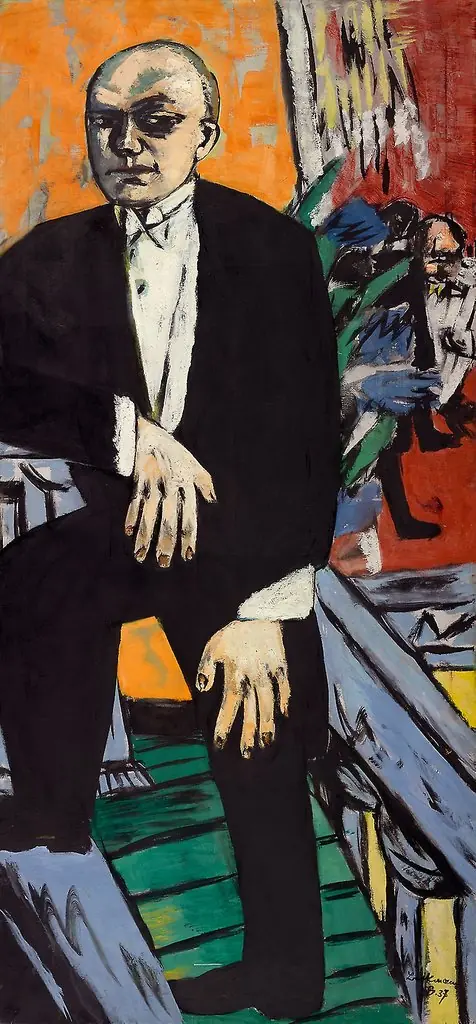
Artwork
Beach
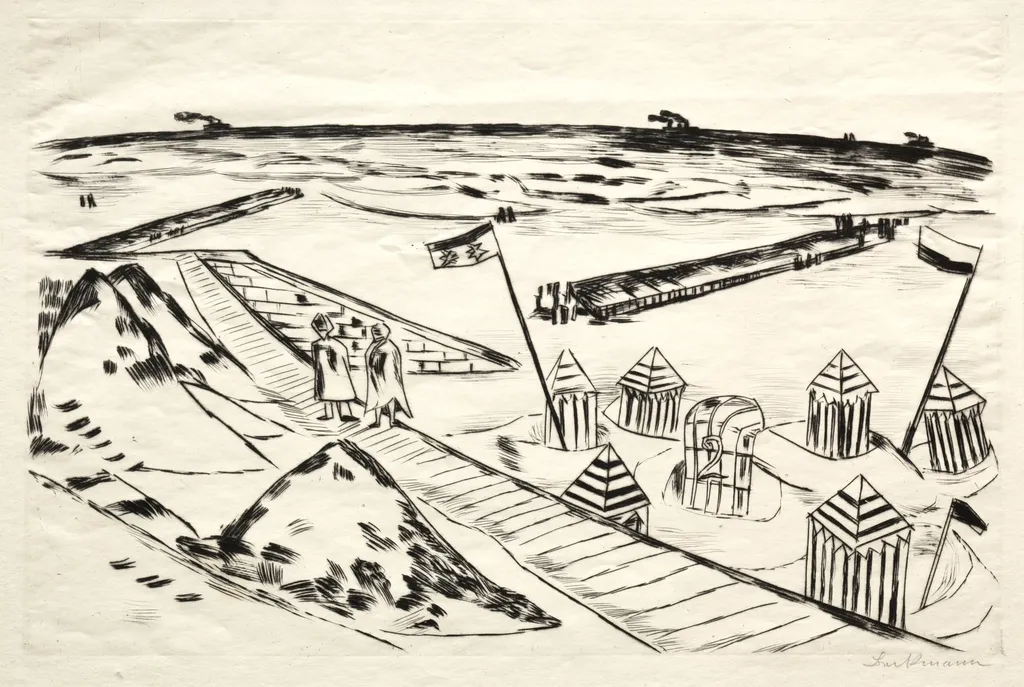
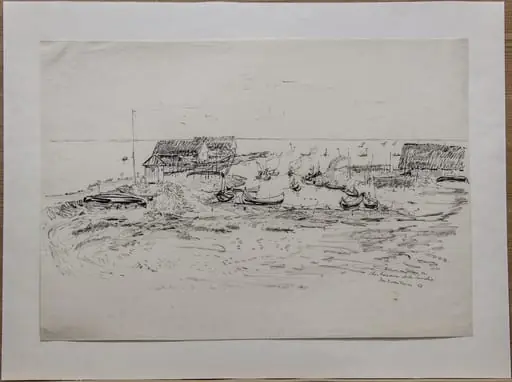
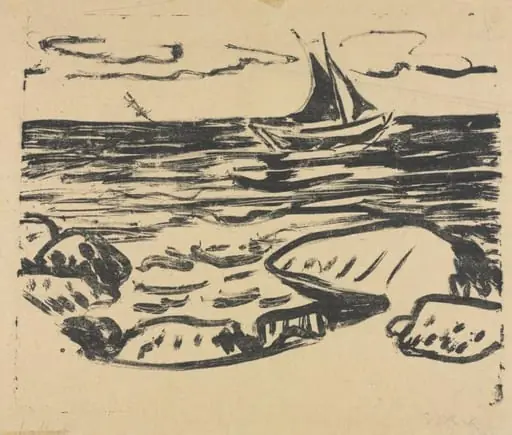
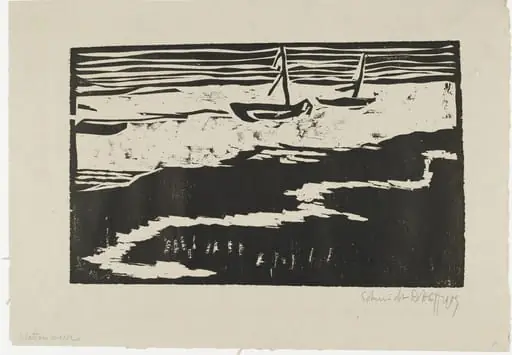
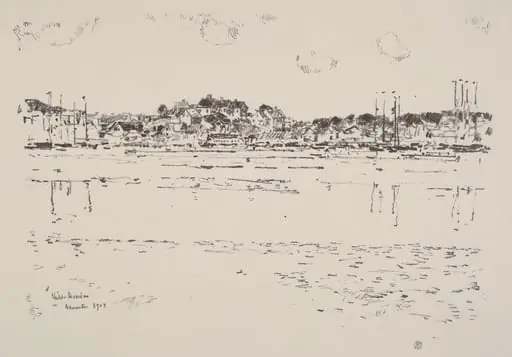
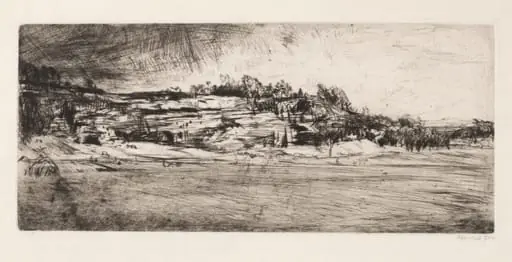
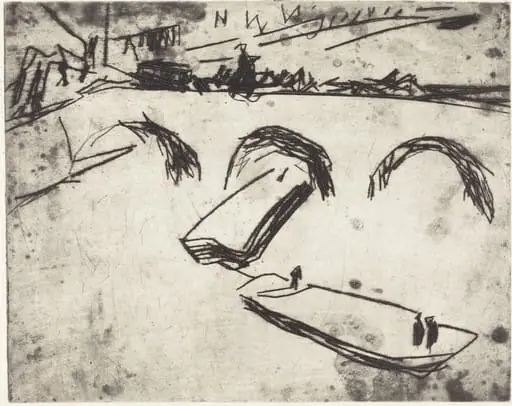
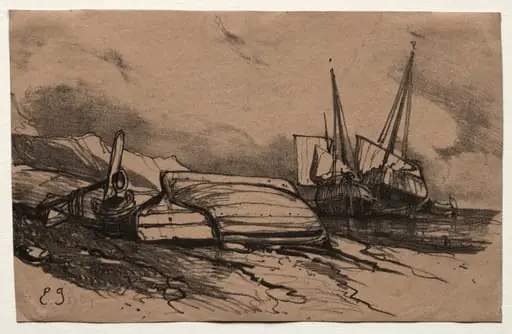
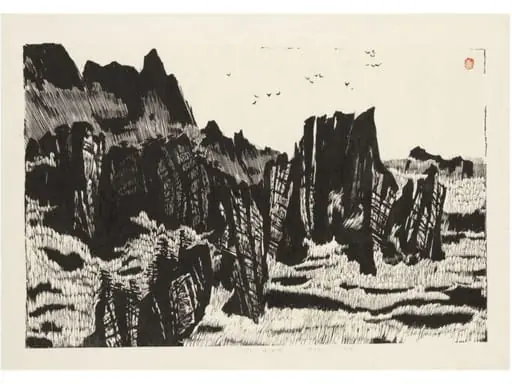
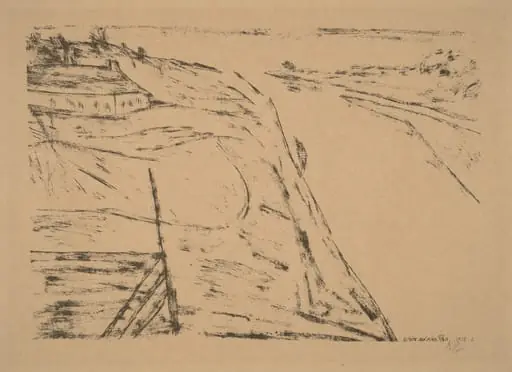
Beach is a print by Max Beckmann. It dates from 1922 and is held in the collection of the Cleveland Museum of Art.
About this work
Overview
Though rooted in the expressive traditions of German Expressionism, this work shifts toward a cooler, more detached observation of modern life.
Max Beckmann created *Beach* in 1922 as a color print, part of his engagement with the New Objectivity movement. Though rooted in the expressive traditions of German Expressionism, this work shifts toward a cooler, more detached observation of modern life. The scene presents a coastal setting with minimal human figures, yet the composition carries an undercurrent of psychological weight, typical of Beckmann’s approach during this phase of his career.
Subject & Meaning
The image shows a quiet shoreline with scattered figures, modest beach huts, and fluttering flags—elements suggesting leisure and routine. Yet Beckmann avoids sentimentality; the figures appear isolated, their gestures ambiguous. The calm surface masks a sense of alienation, reflecting postwar European unease. What seems like a tranquil moment becomes a study in emotional distance, where human presence feels both present and profoundly detached.
Technique & Style
Beckmann employed bold, incised lines and flat planes of vivid color, characteristic of his printmaking during the early 1920s. The composition is structured with deliberate clarity, avoiding the fluid brushwork of Expressionism. Colors are saturated but controlled, creating rhythmic contrasts between sand, sea, and sky. The precision of the lines and the absence of atmospheric blending lend the scene a stylized, almost theatrical quality.
History & Provenance
Created in Weimar Germany, *Beach* emerged during a period of political instability and cultural reevaluation after World War I. Beckmann, who had served in the war, turned to printmaking as a means of distilling complex emotional states into formal clarity. The work was likely produced in his Berlin studio and circulated among avant-garde circles, though its early ownership records remain fragmentary.
Context
New Objectivity arose as a counter-movement to Expressionism’s emotional intensity, favoring sharp observation over subjective outpouring. Beckmann’s *Beach* aligns with this shift, using everyday scenes to explore psychological undercurrents. The work resonates with contemporaneous German art that sought to depict reality without romanticism, reflecting broader societal anxieties about modernity, identity, and social fragmentation.
Legacy
Though less known than Beckmann’s larger paintings, *Beach* exemplifies his mastery of printmaking and his ability to infuse simplicity with ambiguity. It influenced later artists interested in the tension between surface and depth, and remains a key example of how New Objectivity transformed mundane subjects into vehicles for existential inquiry. The print continues to be studied for its formal discipline and emotional restraint.
Artist & collection
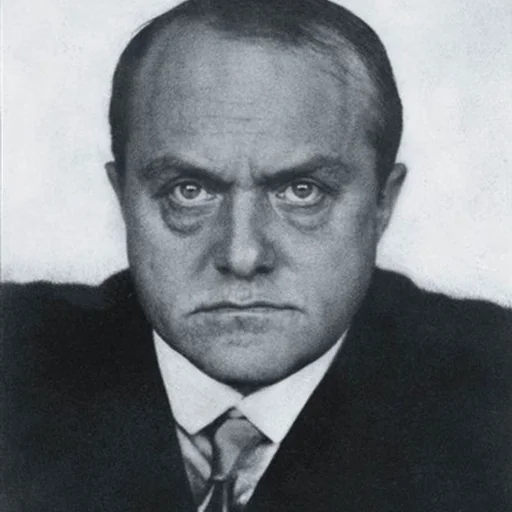
Artist
Max Carl Friedrich Beckmann (February 12, 1884 – December 27, 1950) was a German painter, draftsman, printmaker, sculptor, and writer.