Artwork
Untitled
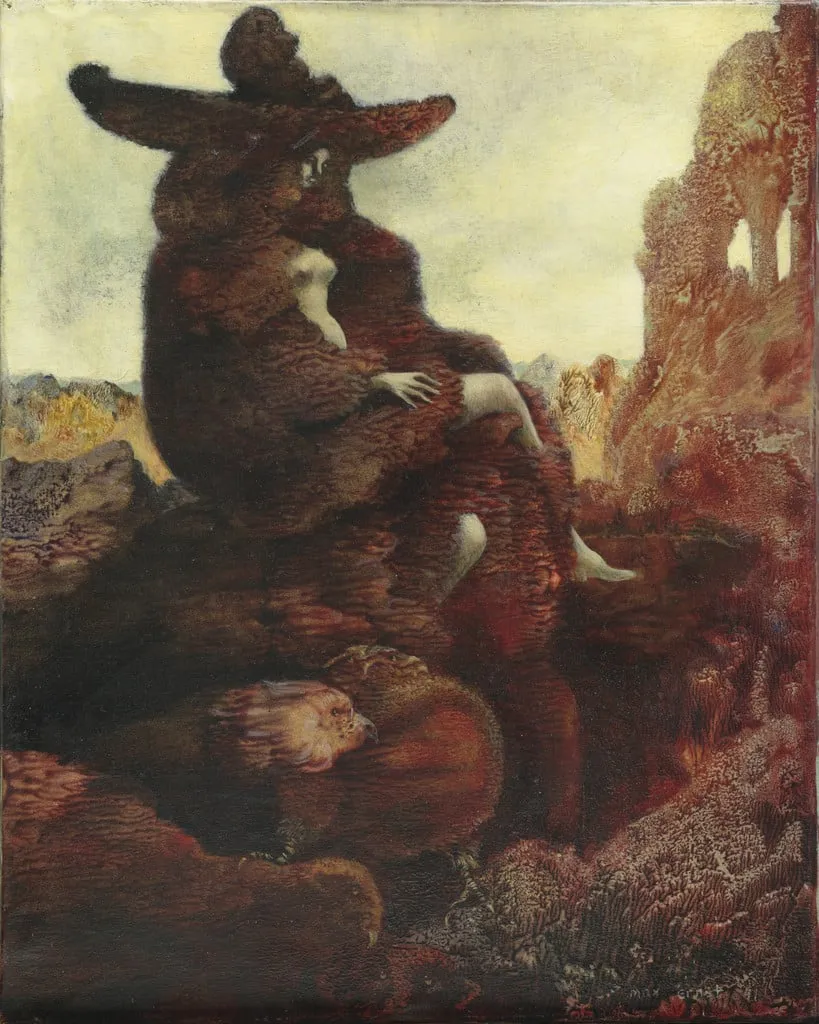
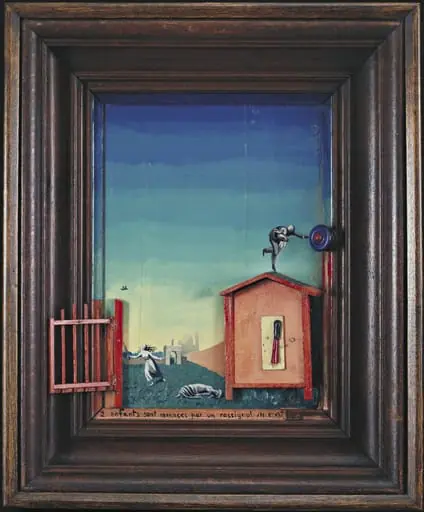
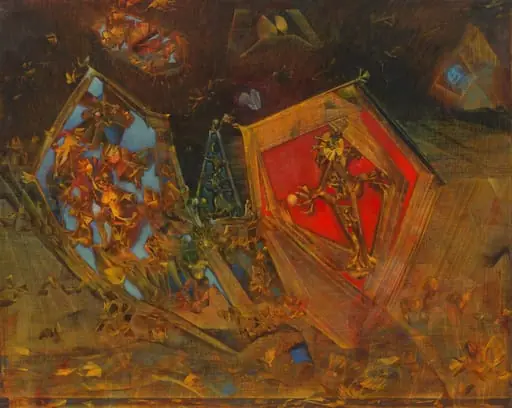
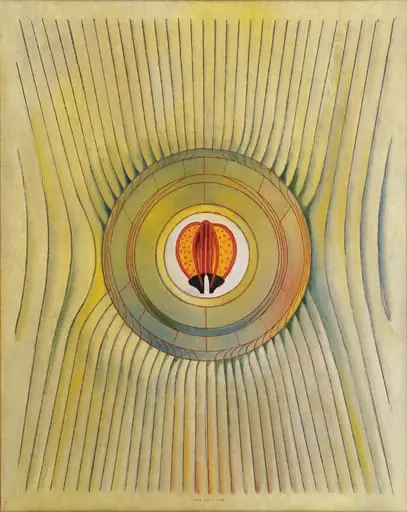
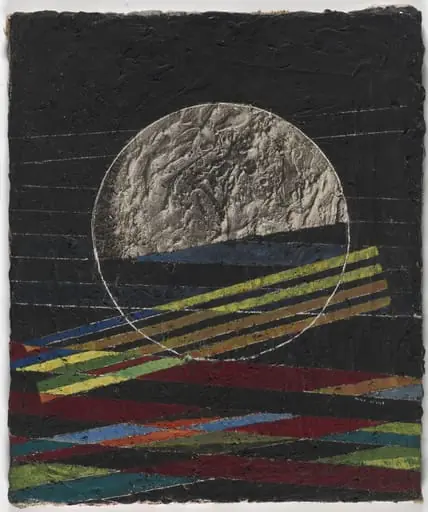
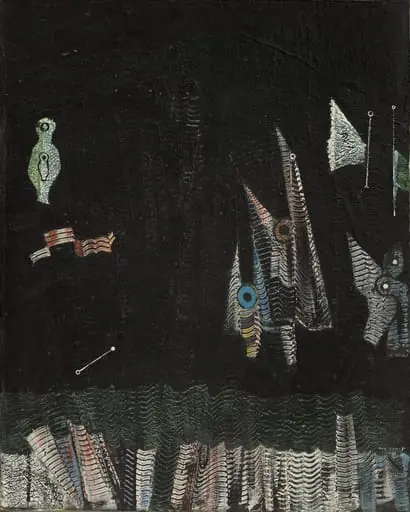
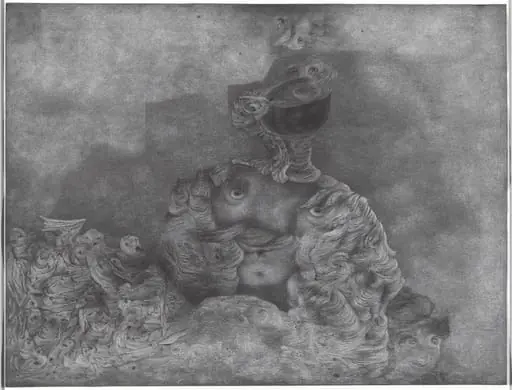
Untitled is an oil drawing by Max Ernst. It dates from 1941 and is held in the collection of the Museum of Modern Art.
About this work
Overview
His practice emphasized chance and material experimentation, often blurring boundaries between drawing, painting, and sculpture.
Max Ernst produced this work in 1941, using oil on paper adhered to canvas. A German artist who rejected formal academic training, Ernst was central to the Dada and Surrealist movements. His practice emphasized chance and material experimentation, often blurring boundaries between drawing, painting, and sculpture. This piece exemplifies his interest in transforming ordinary materials into enigmatic visual forms.
Subject & Meaning
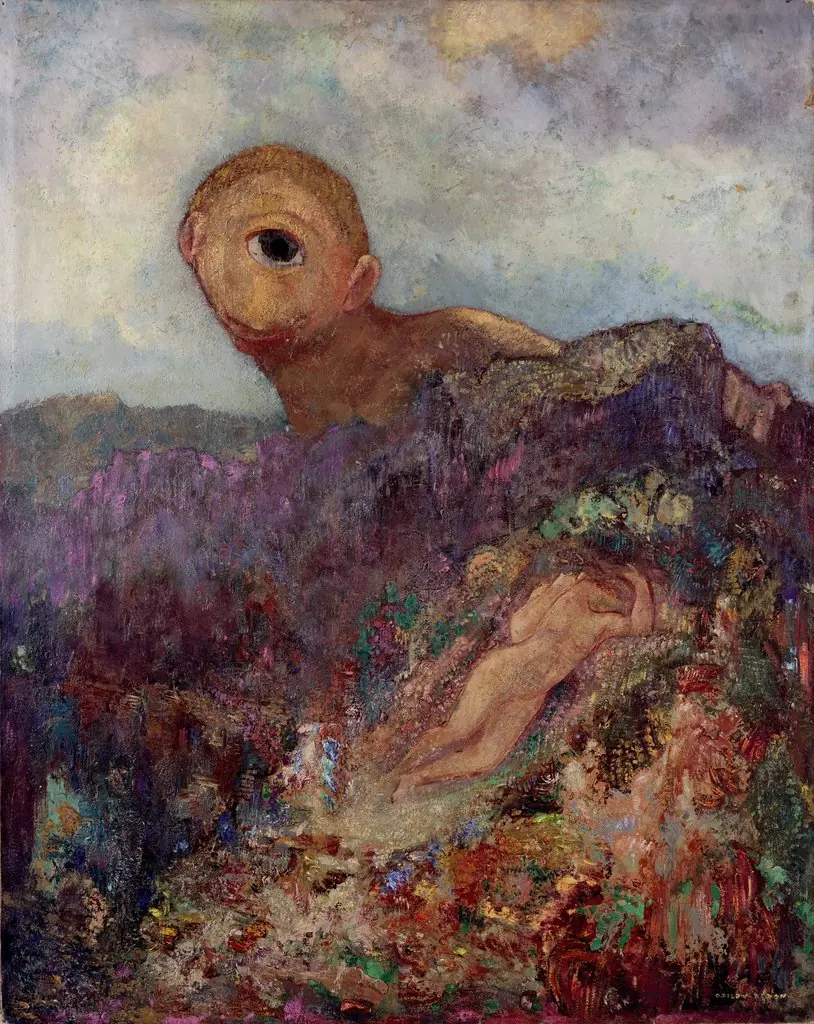
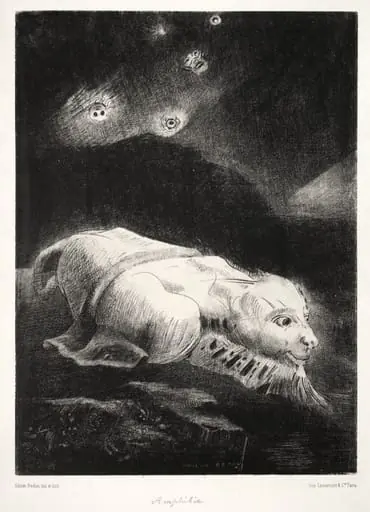
The image depicts a bipedal, fur-covered figure with a elongated snout and human-like facial features, standing before a rocky outcrop. Its ambiguous identity—part animal, part humanoid—resists fixed interpretation. Ernst deliberately avoided narrative clarity, inviting viewers to confront the subconscious. The creature’s stillness and isolated posture evoke a sense of otherworldly presence, neither wholly threatening nor comforting.
Technique & Style
Ernst employed oil to build layered textures, suggesting fur through deliberate brushwork and subtle tonal shifts. The use of chiaroscuro enhances the figure’s three-dimensionality, anchoring it against a sparse, luminous background. The paper substrate, mounted on canvas, introduces a tactile fragility that contrasts with the heavy, shadowed forms. His method prioritizes atmospheric effect over precise definition, aligning with Surrealist interests in dream logic.
History & Provenance
Created during Ernst’s exile in the United States, this work emerged from a period of displacement following his escape from Nazi-occupied Europe. Though undocumented in early exhibitions, it reflects his continued exploration of mythic imagery during his American years. The piece remained in private hands until its inclusion in institutional collections, where it is now studied as part of his transitional phase between European and American surrealism.
Context
In the early 1940s, European Surrealists in exile reimagined their visual language amid political upheaval. Ernst’s work from this time often merged natural forms with psychological unease, responding to wartime anxiety and the collapse of rational order. This piece aligns with contemporaneous explorations by artists like Leonora Carrington and Remedios Varo, who similarly invoked hybrid beings to express inner states beyond literal representation.
Legacy
Ernst’s use of ambiguous, biomorphic forms in this work influenced later generations of artists exploring the subconscious through abstraction and myth. While not widely exhibited during his lifetime, it contributes to his broader reputation for redefining pictorial space through texture and ambiguity. Today, it stands as a quiet example of how Surrealism’s psychological depth persisted beyond its initial manifestos.
Artist & collection
Artist
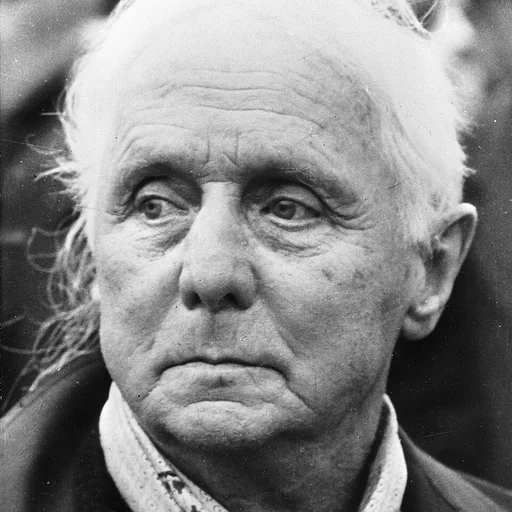
Max Ernst (; German: 2 April 1891 – 1 April 1976) was a German-born painter, sculptor, printmaker, graphic artist, and poet.