Artwork
General Anthony Wayne
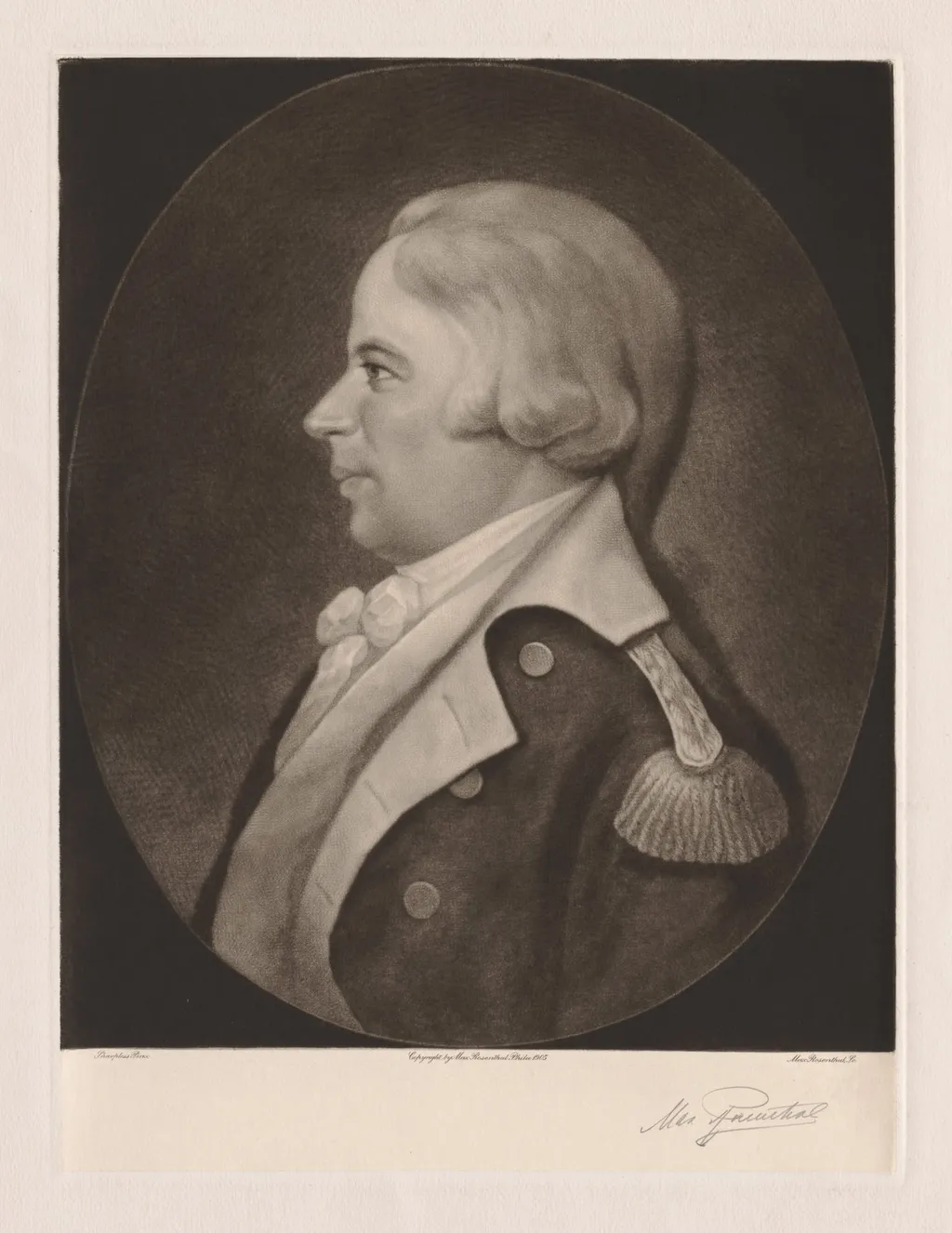
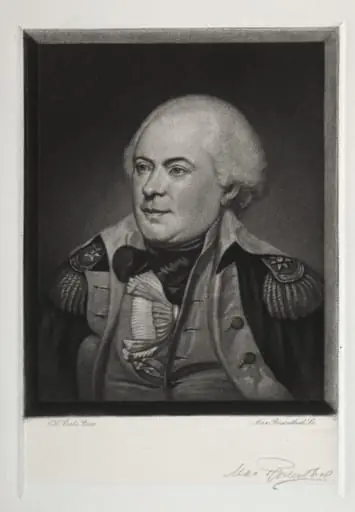
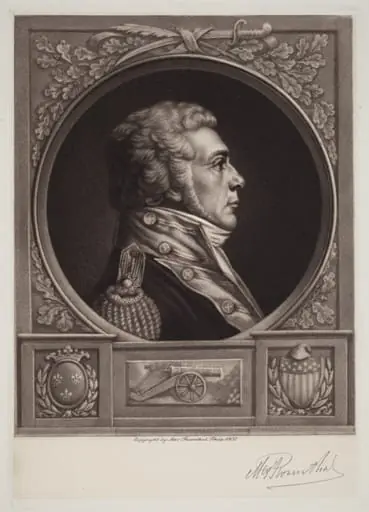
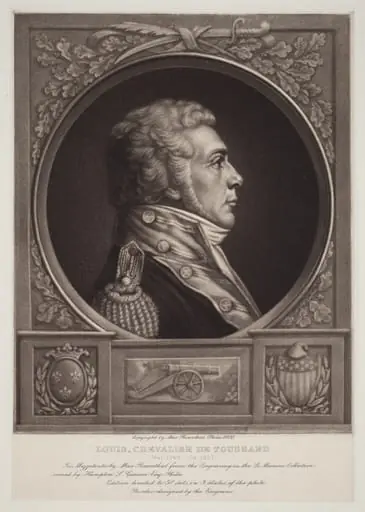
General Anthony Wayne is a print by Max Rosenthal. It dates from 1905 and is held in the collection of the Cleveland Museum of Art.
About this work
Overview
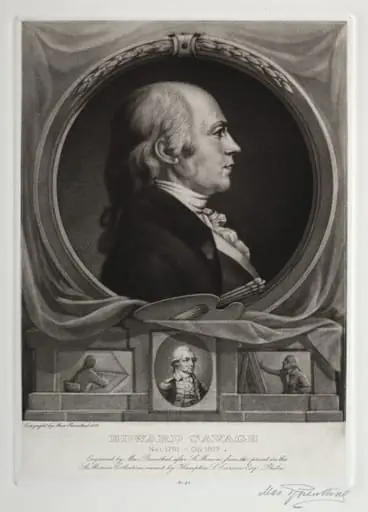
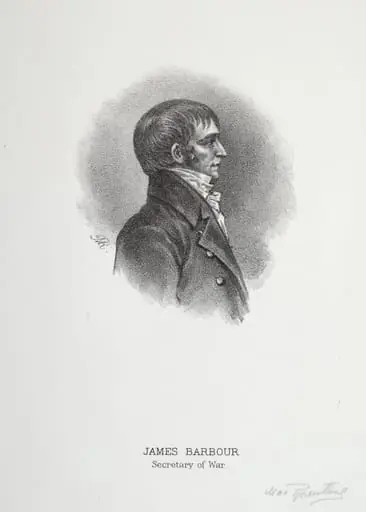
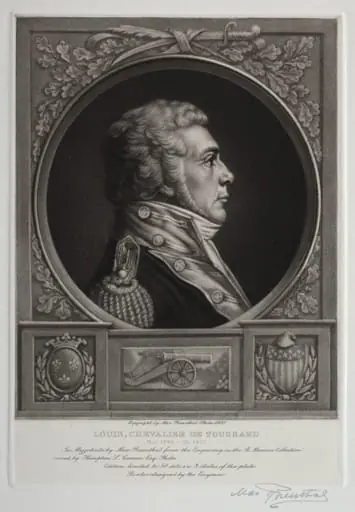
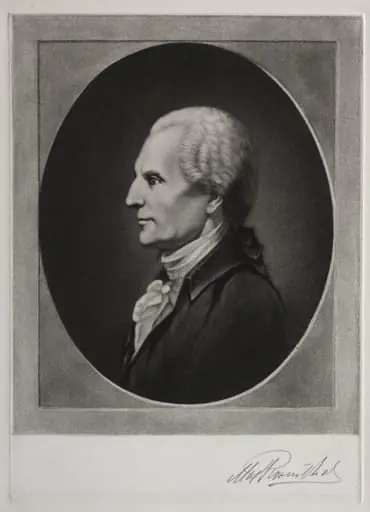
Created in 1905 by Max Rosenthal, this black-and-white print depicts General Anthony Wayne, a prominent figure in the American Revolutionary War.
Created in 1905 by Max Rosenthal, this black-and-white print depicts General Anthony Wayne, a prominent figure in the American Revolutionary War. The work is part of the collection at The Cleveland Museum of Art. Rendered in tonal graphite or ink, the portrait emphasizes the subject’s stern demeanor through controlled contrasts and subtle gradations of light and shadow, avoiding decorative elements to maintain a focused, restrained presence.
Subject & Meaning
General Anthony Wayne, known for his leadership in key battles during the Revolutionary War, is portrayed here not as a hero in action but as a composed, contemplative leader. His turned head and serious expression convey quiet authority rather than theatrical grandeur. The absence of military regalia or symbolic props shifts emphasis to his character and presence, suggesting a portrait of personal resolve rather than public triumph.
Technique & Style
Rosenthal employed smooth tonal transitions to model the general’s face and collar, using delicate shading to suggest volume without hard outlines. The blending of light and dark areas creates a soft, lifelike texture, reminiscent of sfumato in Renaissance drawing. The plain background eliminates distraction, directing attention to the subtle gradations that define the contours of the face and the crisp edge of the cravat.
History & Provenance
The print was produced in 1905, nearly a century after Wayne’s death, likely as part of a broader effort to commemorate early American military figures. It entered the collection of The Cleveland Museum of Art at an unspecified date, where it remains as a representative example of early 20th-century American portraiture in print form, reflecting historical reverence rather than contemporary political intent.
Context
In the early 1900s, American institutions increasingly sought to visually anchor national identity through portraits of Revolutionary War leaders. Rosenthal’s work aligns with this trend, offering a quiet, introspective image that contrasts with the more heroic, idealized depictions common in the 19th century. The print’s modest scale and monochrome palette reflect a shift toward psychological realism in commemorative imagery.
Legacy
Though not widely reproduced or publicly celebrated, Rosenthal’s portrait endures as a thoughtful example of early 20th-century American printmaking. Its restrained technique and focus on character over spectacle offer a counterpoint to more flamboyant historical imagery. It continues to serve as a reference for how historical figures were visually interpreted in the decades following the Civil War.
Artist & collection