Artwork
John Roger Fenwick
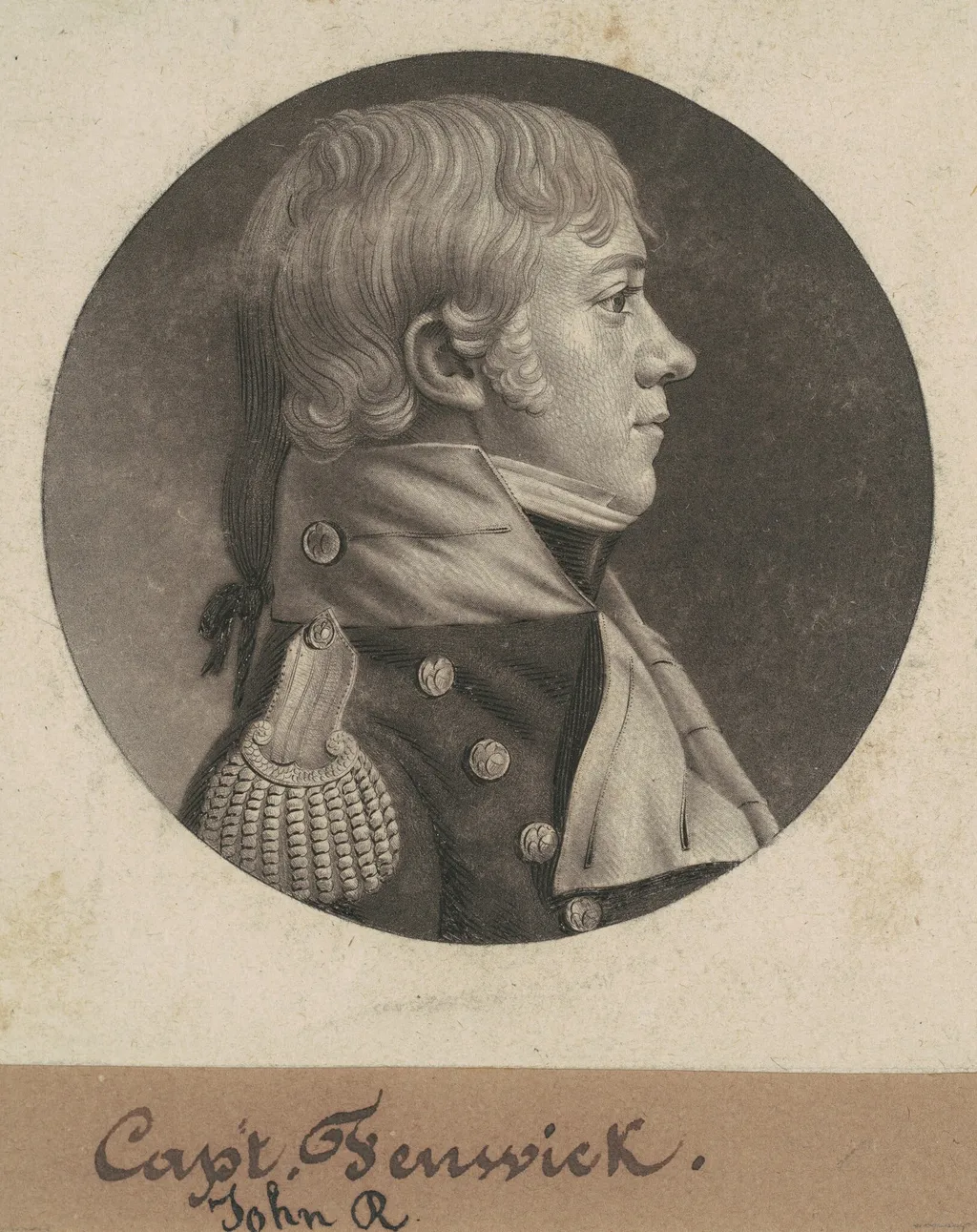
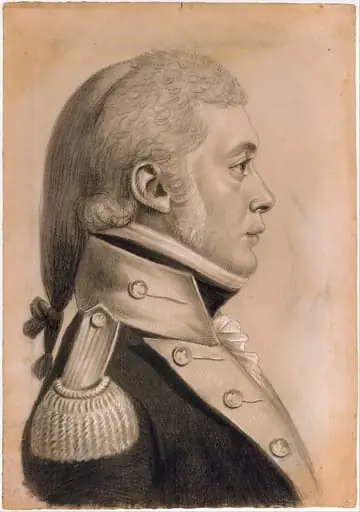
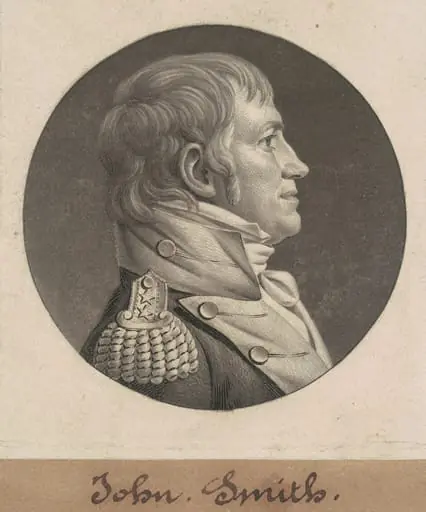
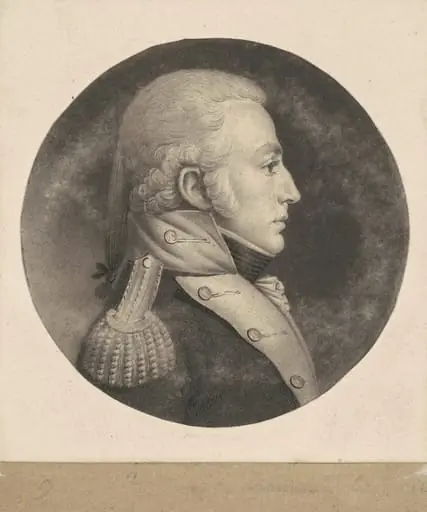
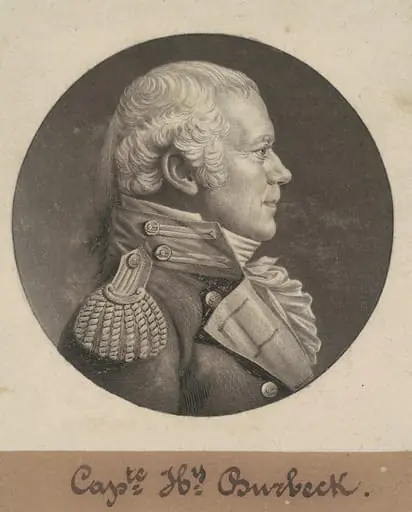
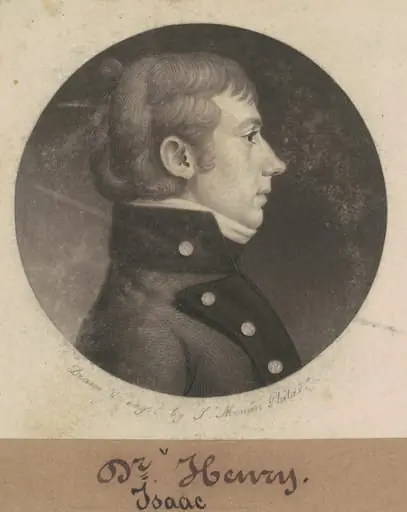
John Roger Fenwick is an ink print by the Romanticist artist Charles Balthazar Julien Févret de Saint-Mémin. It dates from 1806 and is held in the collection of the National Gallery of Art.
About this work
The artist used a lot of details to make the portrait look realistic, like the folds in his clothes and the expression on his face.
This painting shows a portrait of John Roger Fenwick.
He's dressed in formal clothes and looks serious.
The artist used a lot of details to make the portrait look realistic, like the folds in his clothes and the expression on his face.
The portrait is interesting because it was made using a technique called mezzotint, which involves engraving on metal plates.
This technique was popular in the early 19th century and allowed artists to create detailed, high-contrast images.
You can learn more about this technique by looking up the work of artist: Saint-Mémin, Charles B. J. Févret de.
Overview
This print is a portrait of John Roger Fenwick, executed in mezzotint and engraving on wove paper, then mounted to a brown wove paper support. Created by Charles B. J. Févret de Saint-Mémin in the early 1800s, it belongs to the Corcoran Collection. The work exemplifies the precision and tonal range achievable through mezzotint, a technique favored for portrait reproduction during this period.
Subject & Meaning
John Roger Fenwick is depicted in formal attire, his posture composed and expression restrained. The portrait conveys social standing and personal gravitas rather than emotional intensity. The absence of contextual elements focuses attention on the sitter’s demeanor, reflecting the 19th-century convention of using portraiture to signify character and status through stillness and detail.
Technique & Style
Saint-Mémin employed mezzotint to achieve subtle gradations of tone, particularly in the rendering of fabric folds and facial contours. The technique, which involves roughening a metal plate to hold ink, allowed for rich blacks and delicate mid-tones. Engraving was added for sharp linear details, such as the collar and hair, enhancing the portrait’s realism without overt embellishment.
History & Provenance
The print was produced during Saint-Mémin’s active years in the United States, when he specialized in portrait prints for the American elite. It entered the Corcoran Collection in the 19th century and remains part of its historical holdings. Its preservation on mounted paper reflects contemporary practices for stabilizing delicate prints intended for display or archival storage.
Context
In the early 1800s, mezzotint was widely used for reproducing portraits due to its ability to mimic the tonal qualities of painted likenesses. Saint-Mémin, a French émigré, became a leading practitioner in America, adapting European techniques to meet local demand for dignified, accessible portraiture. This work aligns with a broader trend of using print media to circulate images of prominent individuals.
Legacy
Saint-Mémin’s mezzotints, including this portrait, contributed to the development of American print culture by elevating reproductive techniques to a level of artistic seriousness. While not widely known today, his work remains a key reference for understanding how portraiture was disseminated and perceived in the early republic, bridging fine art and public representation.
Artist & collection

Artist
Charles Balthazar Julien Févret de Saint-Mémin
Charles Balthazar Julien Févret de Saint-Mémin (French pronunciation: ; 1770–1852) was a French portrait painter and museum director.