Artwork
Benjamin Huger
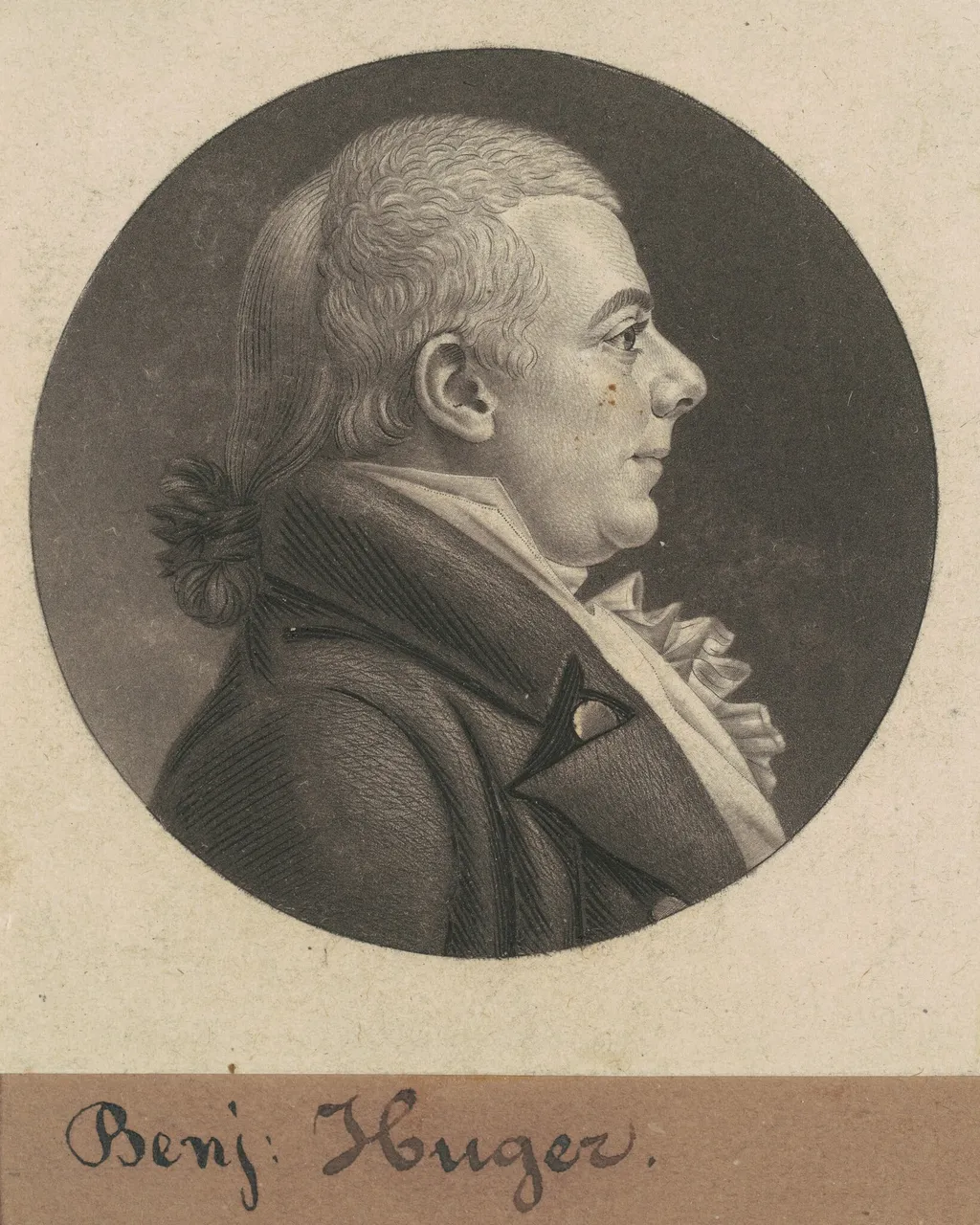
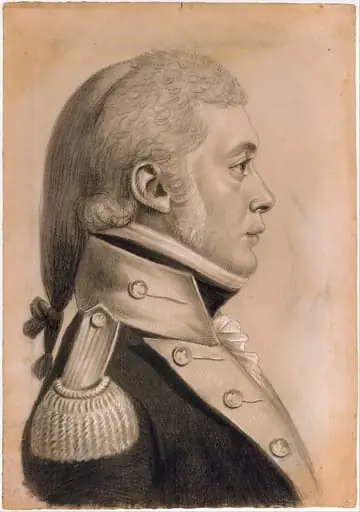
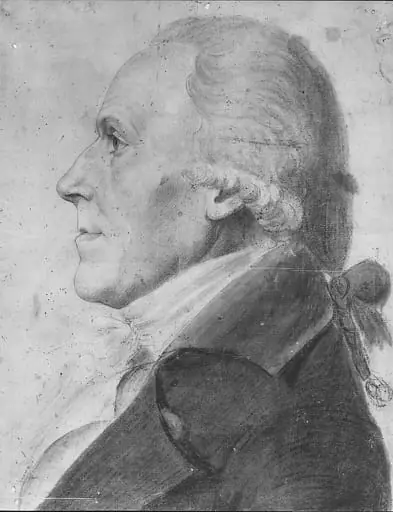
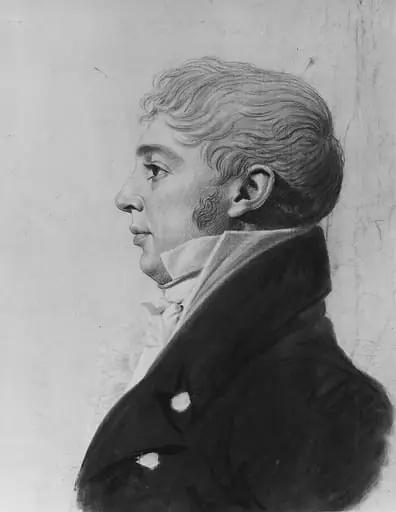
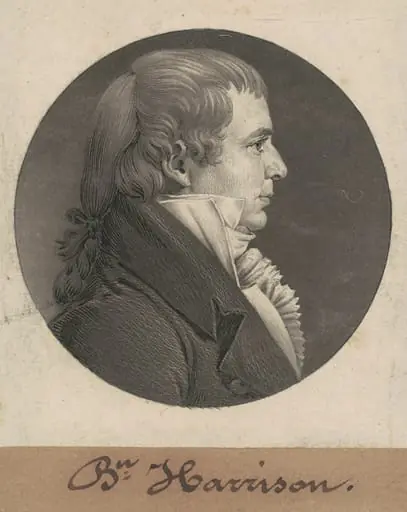
Benjamin Huger is an ink print by the Romanticist artist Charles Balthazar Julien Févret de Saint-Mémin. It dates from 1805 and is held in the collection of the National Gallery of Art.
About this work
Overview
The work exemplifies the precision of 19th-century American portraiture through intaglio techniques, emphasizing texture and tonal gradation over color.
This print is a portrait of Benjamin Huger, executed in mezzotint and engraving on wove paper, then mounted to a brown wove support. Created by Charles B. J. Févret de Saint-Mémin, it belongs to the Corcoran Collection now held by the National Gallery of Art. The work exemplifies the precision of 19th-century American portraiture through intaglio techniques, emphasizing texture and tonal gradation over color.
Subject & Meaning
Benjamin Huger, a South Carolina planter and political figure, is depicted in formal attire with a composed, restrained expression. The portrait conveys dignity and social standing rather than emotional intensity. Saint-Mémin’s focus on attire and posture reflects the era’s emphasis on civic identity, aligning the sitter with ideals of order and refinement common among the American elite of the early 1800s.
Technique & Style
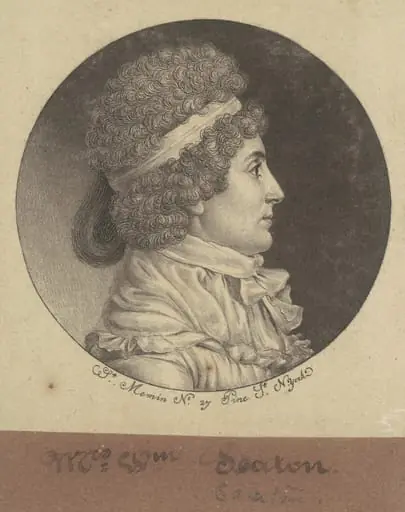
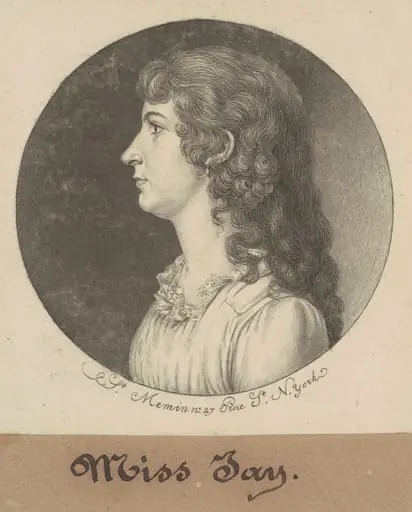
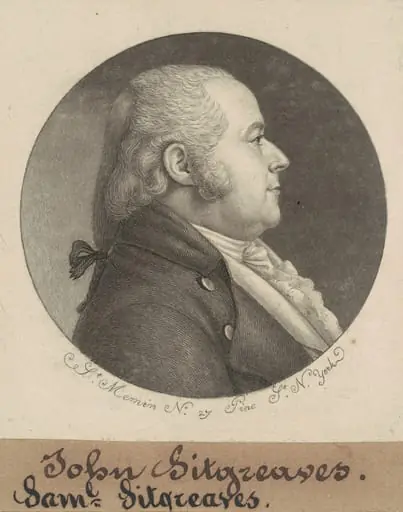
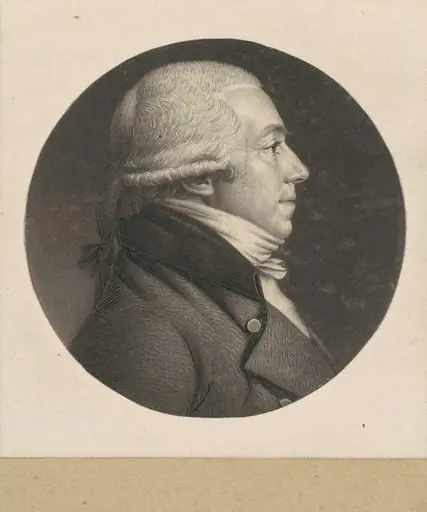
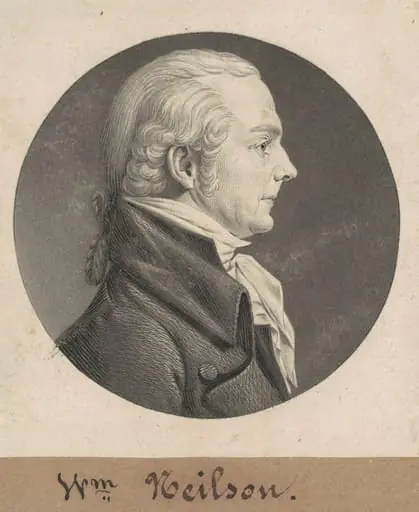
Saint-Mémin employed mezzotint to achieve rich, velvety blacks and subtle gradations of tone, complemented by fine engraving lines that define facial features and fabric textures. The combination allowed for exceptional detail in hair, lace, and the sheen of formal wear. The monochrome palette enhances the sculptural quality of the face, showcasing the artist’s mastery of light and shadow in printmaking.
History & Provenance
The print was produced during Saint-Mémin’s active years in the United States, likely between 1800 and 1810. It entered the Corcoran Gallery’s collection in the 19th century and was later transferred to the National Gallery of Art following the Corcoran’s dissolution. Its preservation reflects its status as a representative example of early American portraiture in print.
Context
Saint-Mémin was among the first artists to popularize mezzotint portraiture in the U.S., catering to a growing class of wealthy patrons seeking affordable, reproducible likenesses. His work bridged European techniques with American subjects, contributing to a visual culture that valued individual identity and social status. This portrait aligns with a broader trend of documenting civic leaders through print.
Legacy
The portrait stands as a testament to Saint-Mémin’s influence on American printmaking. His use of mezzotint set a standard for tonal depth in portraiture, inspiring later engravers. Though not widely known today, the work remains a key reference in studies of early American visual culture and the intersection of technology, class, and representation in the post-Revolutionary era.
Artist & collection

Artist
Charles Balthazar Julien Févret de Saint-Mémin
Charles Balthazar Julien Févret de Saint-Mémin (French pronunciation: ; 1770–1852) was a French portrait painter and museum director.