Artwork
Faust
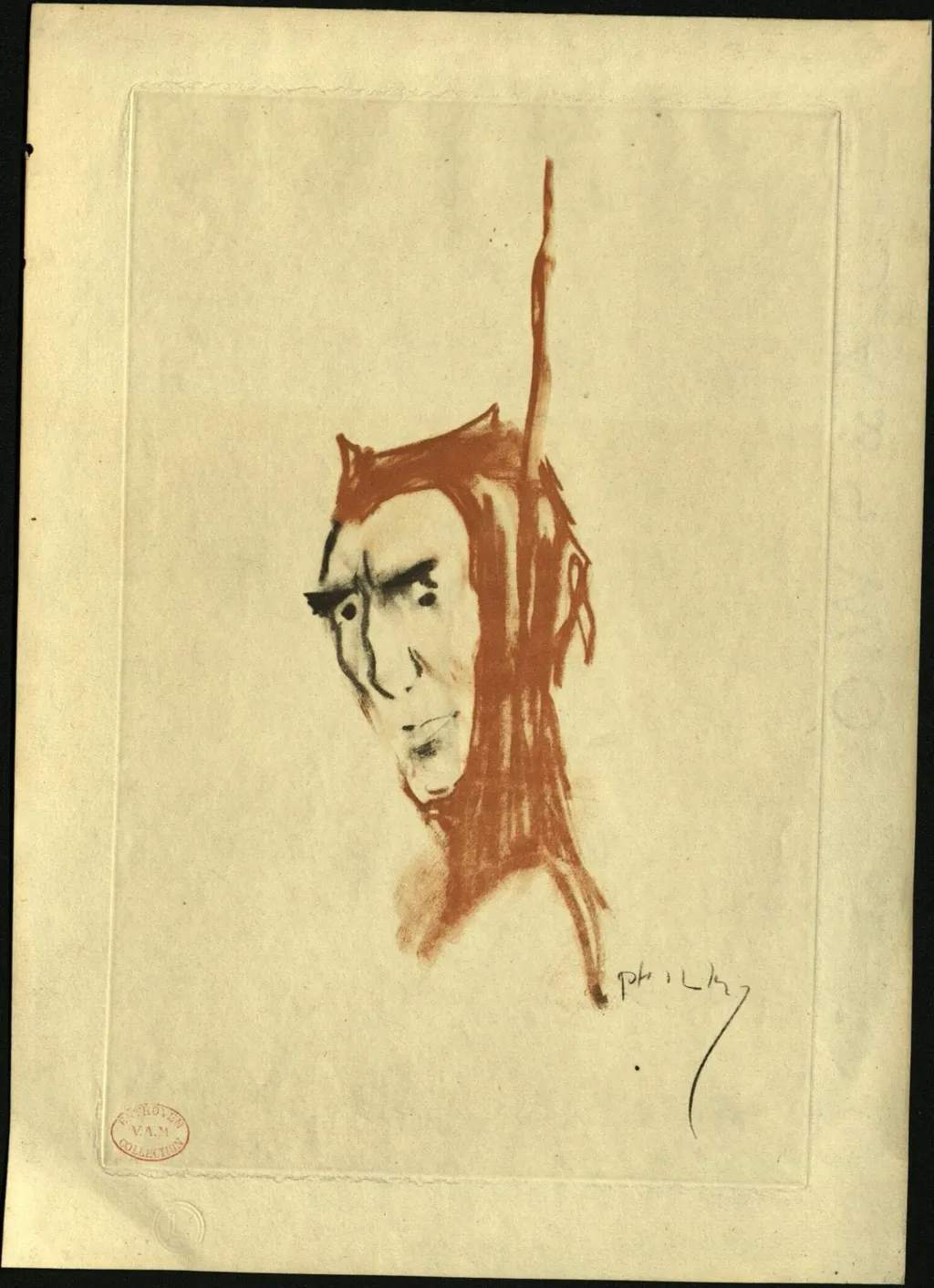
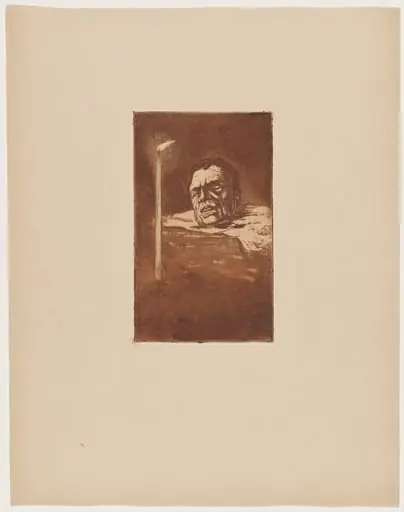
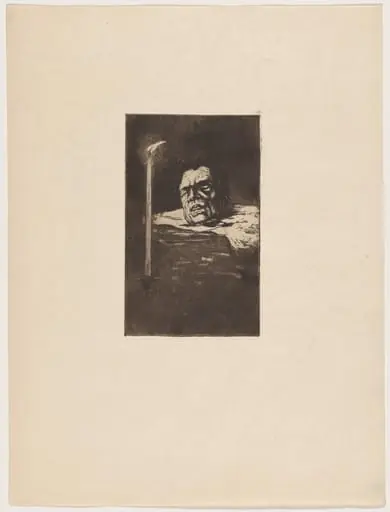
Faust is a print by the Impressionist artist Phil May. It dates from 1886 and is held in the collection of the Victoria and Albert Museum.
About this work
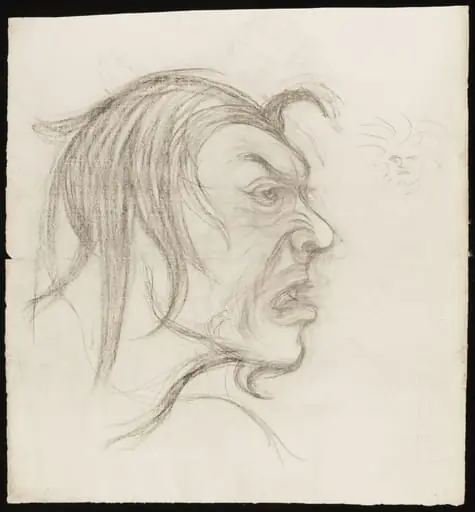
This print shows a stage moment from an 1885–88 production of *Faust*. Phil May made it in colour, joining Impressionism and Realism. It captures Irving as Mephistopheles in the Lyceum Theatre run.
The cast change paid off—once George Alexander took the role of Faust, the show ran three straight years and launched his career.
Look up the Victoria and Albert Museum.
Overview
This colour print depicts a scene from the Lyceum Theatre’s production of *Faust* that ran from 1885 to 1888. The image, executed by Phil May, combines elements of Impressionist colour handling with a realist attention to theatrical detail, focusing on Henry Irving in the role of Mephistopheles.
Subject & Meaning
The work records a moment of the play’s dramatic action, highlighting the confrontation between Irving’s Mephistopheles and the other characters onstage. By presenting the iconic villain in vivid hue, the print underscores the theatrical spectacle that defined the production’s appeal.
Technique & Style
May employed a colour print process that allowed for both tonal richness and fine line work. The composition balances the loose, atmospheric brushstrokes associated with Impressionism with the precise rendering of costume and set, creating a hybrid visual language suited to a theatrical subject.
History & Provenance
The print was produced during the successful three‑year run of *Faust* at the Lyceum. After an initial opening with H. B. Conway as Faust proved disastrous, George Alexander assumed the title role, stabilising the production and extending its popularity. The image now forms part of the Victoria and Albert Museum’s collection.
Context
The production featured a notable cast: Ellen Terry as Margaret, Henry Irving as Mephistopheles, and George Alexander as Faust. Irving, serving as actor‑manager, used the play to cement his reputation, while Alexander’s performance launched him into mainstream recognition within the London theatre scene.
Artist & collection
Artist
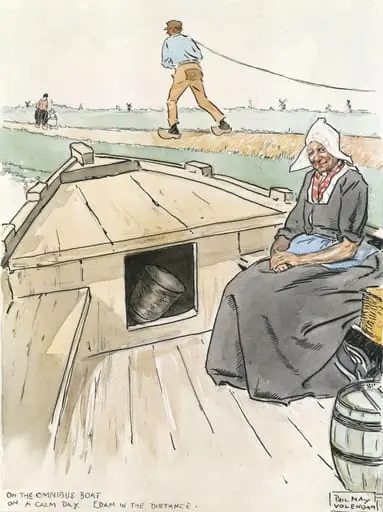
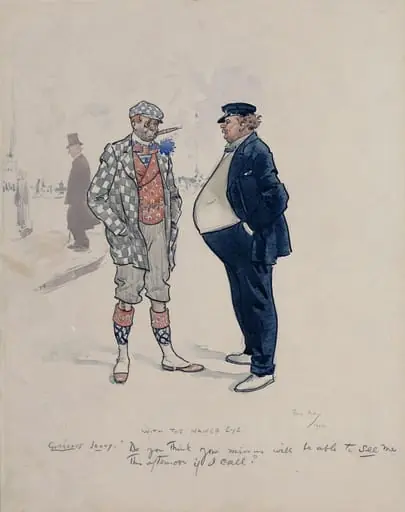
Phil May sketched everyday life in ink and watercolor, often catching people in motion—like the riders on *The Omnibus Boat on a calm day* or the quiet scene in *With the naked eye*.