Artwork
With the naked eye
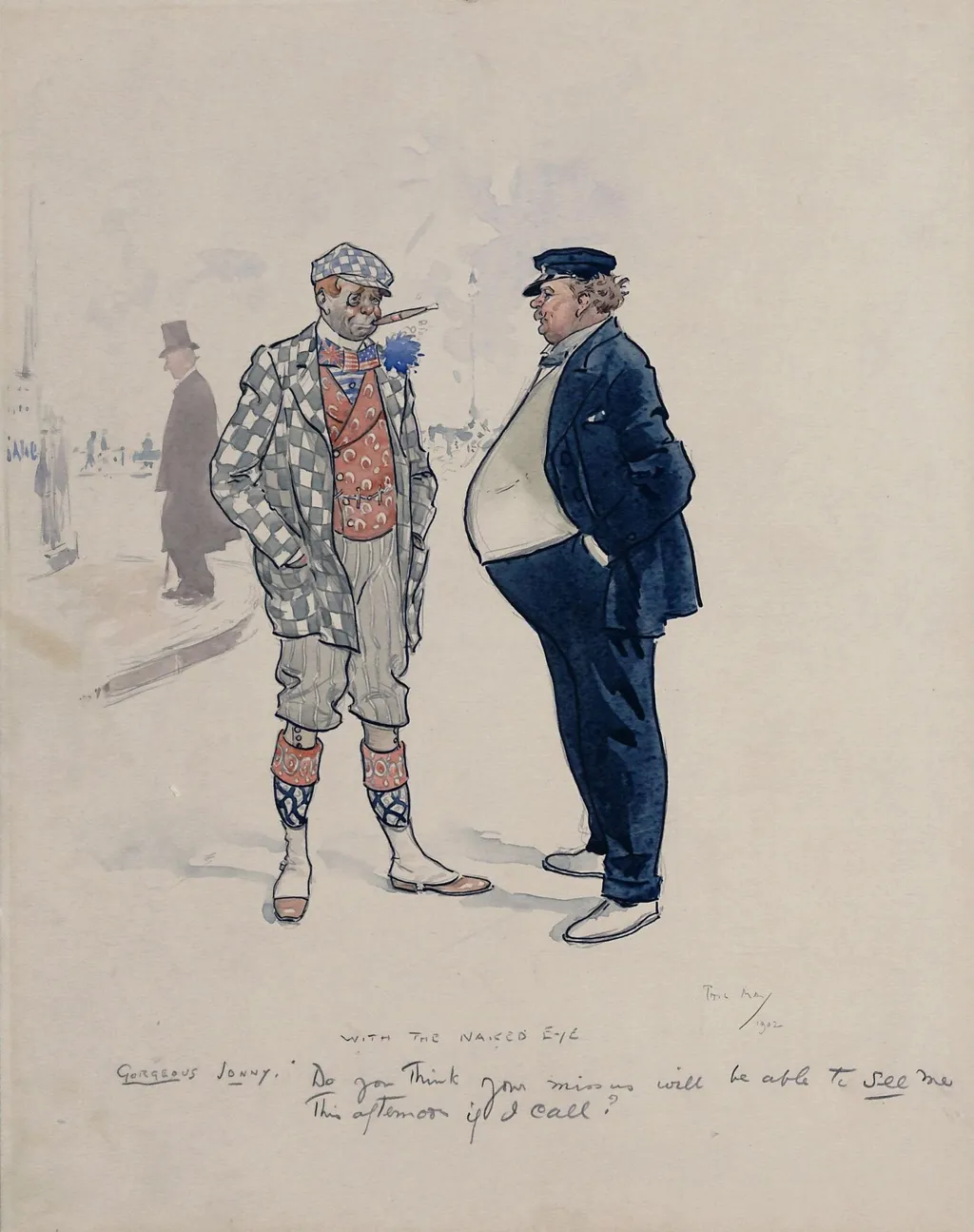
With the naked eye is a watercolor work on paper by the Post-Impressionist artist Phil May. It dates from 1902 and is held in the collection of the Victoria and Albert Museum.
About this work
Overview
The work is part of the Victoria and Albert Museum’s collection, reflecting May’s focus on everyday life in early 20th-century Britain.
Created in 1902, this watercolour by Phil May captures a fleeting urban moment. Executed in transparent pigments on paper, it portrays two men engaged in conversation at a city corner. The work is part of the Victoria and Albert Museum’s collection, reflecting May’s focus on everyday life in early 20th-century Britain. Its modest scale and intimate subject align with his broader interest in observational drawing.
Subject & Meaning
The painting centers on an unspoken exchange between two working-class men, their postures suggesting familiarity or shared concern. A third figure recedes into the background, reinforcing the sense of a transient, anonymous city. No narrative is spelled out; instead, the scene invites quiet speculation about the nature of their dialogue, grounded in the rhythms of ordinary urban existence.
Technique & Style
May employs loose, fluid washes to suggest form and movement, reserving detail for the central figures. The men’s clothing is rendered with subtle contrasts—checkered fabric and a red vest stand out against muted grays and browns of the surroundings. Minimal line work defines features, while the background dissolves into soft, atmospheric tones, directing focus to the interaction between the two figures.
History & Provenance
The work entered the Victoria and Albert Museum’s collection following May’s death in 1903, as part of a broader acquisition of his drawings and watercolours. It was likely produced during his active years as a social observer and illustrator, reflecting his reputation for capturing candid moments of public life. The piece remained in private hands before institutional acquisition.
Context
May worked during a period when urban life was rapidly changing in Britain, with growing crowds and shifting social dynamics. His watercolours often depicted street scenes, railway stations, and public gatherings, offering quiet commentary on class and anonymity. This piece fits within a tradition of British genre painting that valued observation over drama.
Legacy
Though not widely exhibited today, May’s watercolours remain valued for their sensitivity to everyday detail. His ability to convey mood with minimal means influenced later illustrators and documentary artists. 'With the naked eye' exemplifies his commitment to portraying the unnoticed rhythms of city life, preserving a quiet dignity in ordinary encounters.
Artist & collection
Artist
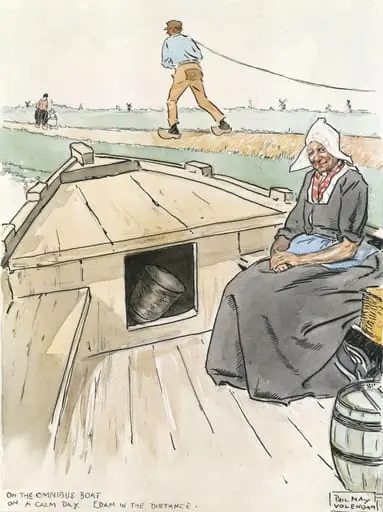
Phil May sketched everyday life in ink and watercolor, often catching people in motion—like the riders on *The Omnibus Boat on a calm day* or the quiet scene in *With the naked eye*.

 The First Vendor of Jourdan and Brown (Le premier vendeur de Jourdan et Brown)
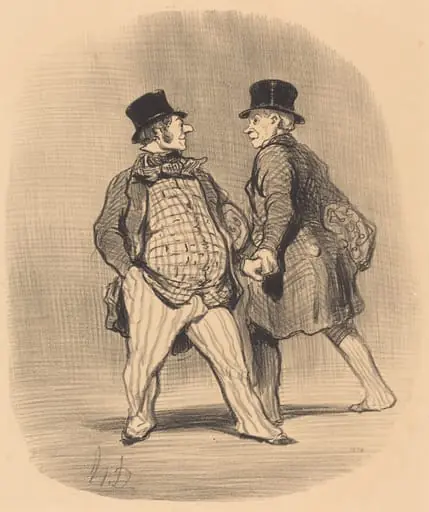 Confrère, méfiez-vous du petit baron...
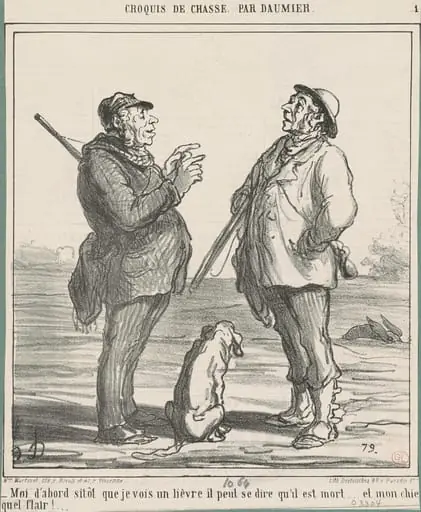 Moi d'abord sitot que je vois un lièvre ...
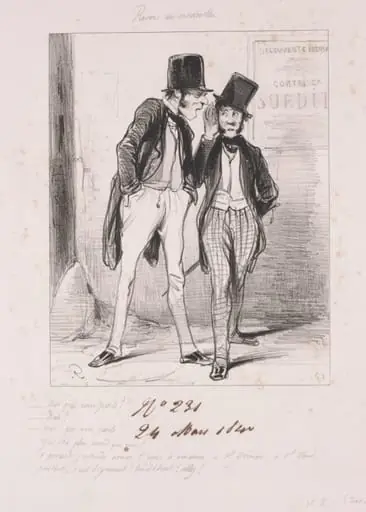 Revers des médailles: Moi qui vous parle
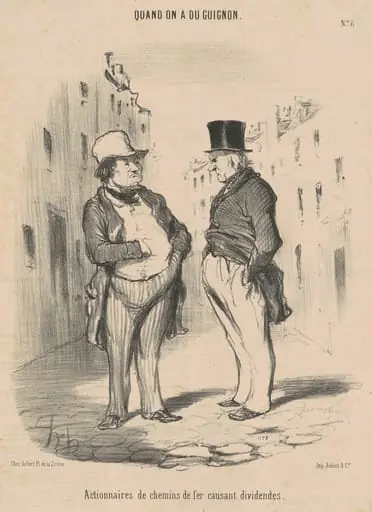 Actionnaires de chemins de fer causant dividendes
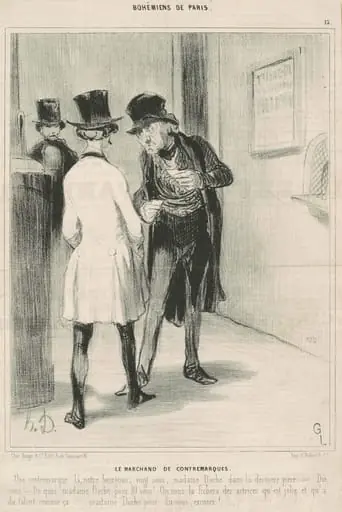 Le marchand de contremarques
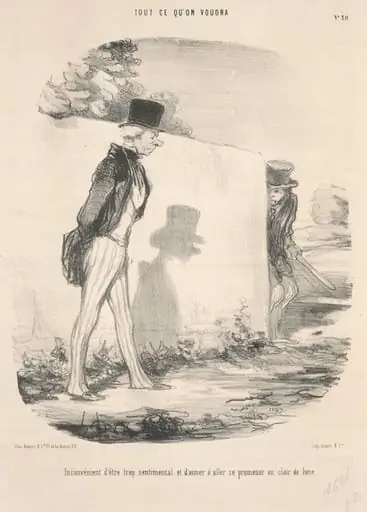 Inconvènient d'être trop sentimental ...
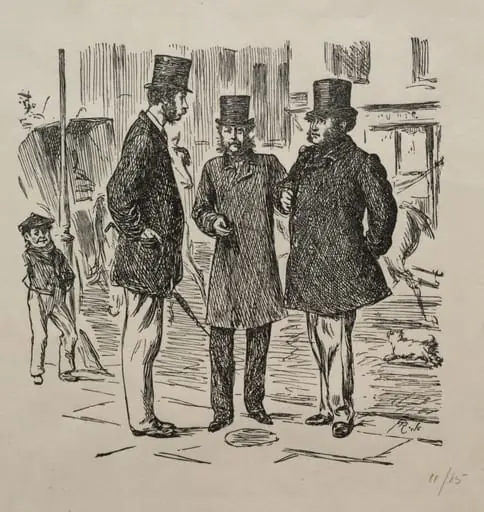 The Little Moment before the Introduction
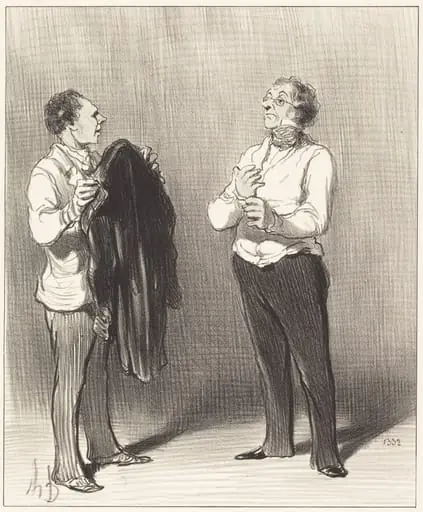 (Le Domestique) - Monsieur ferait bien...
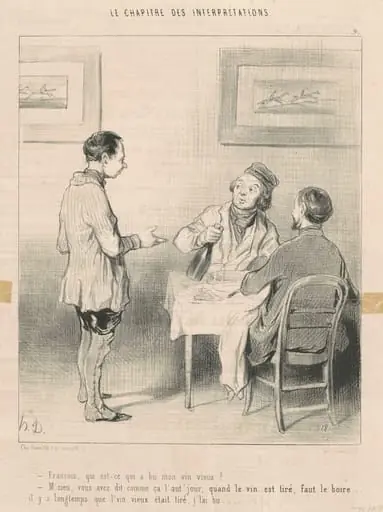 François, qui est-ce qui a bu mon vin ...
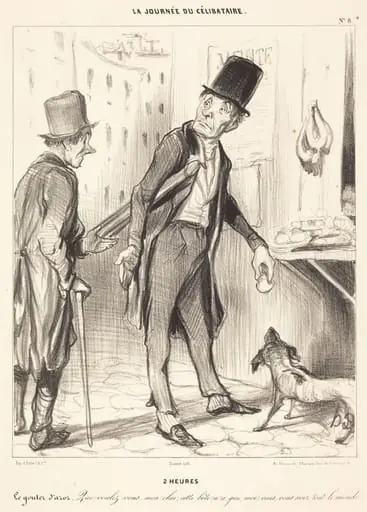 2 heures
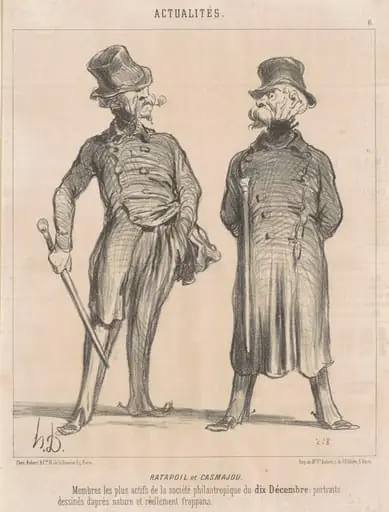 Ratapoil et Casmajou