Artwork
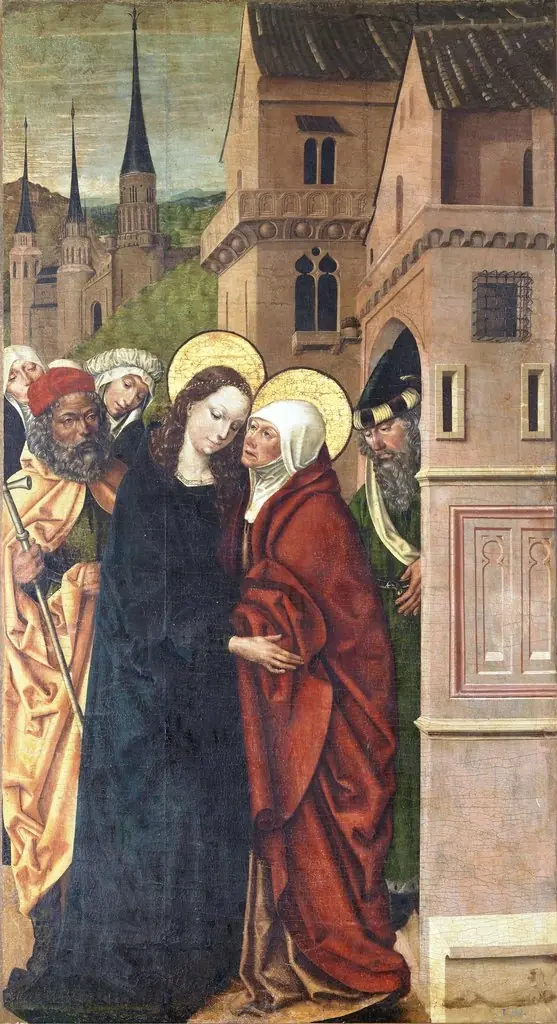
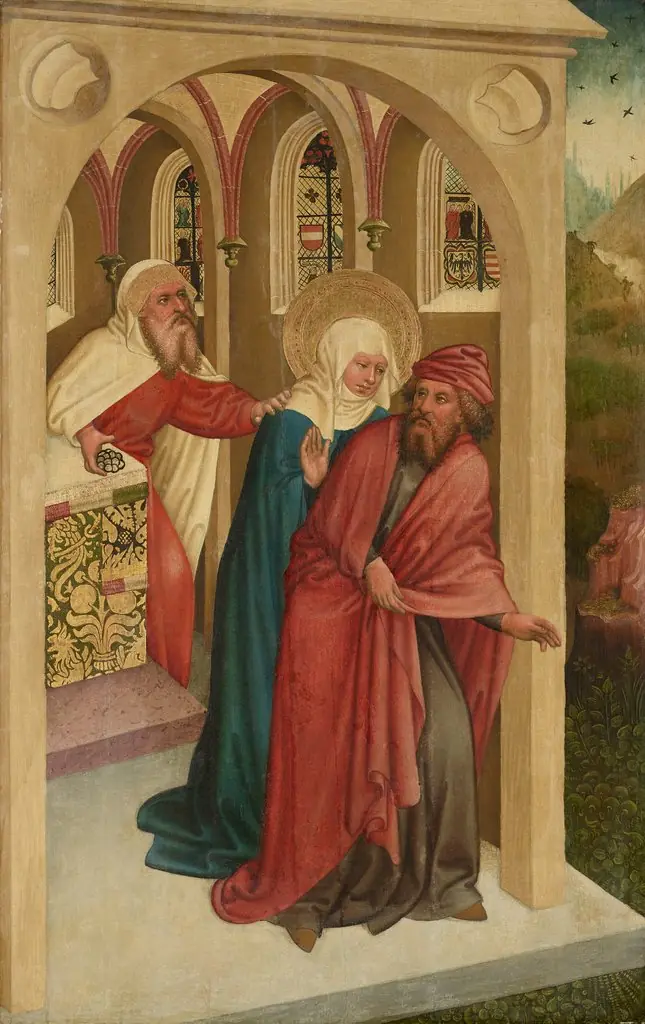
Begegnung Joachims und Annas an der Goldenen Pforte
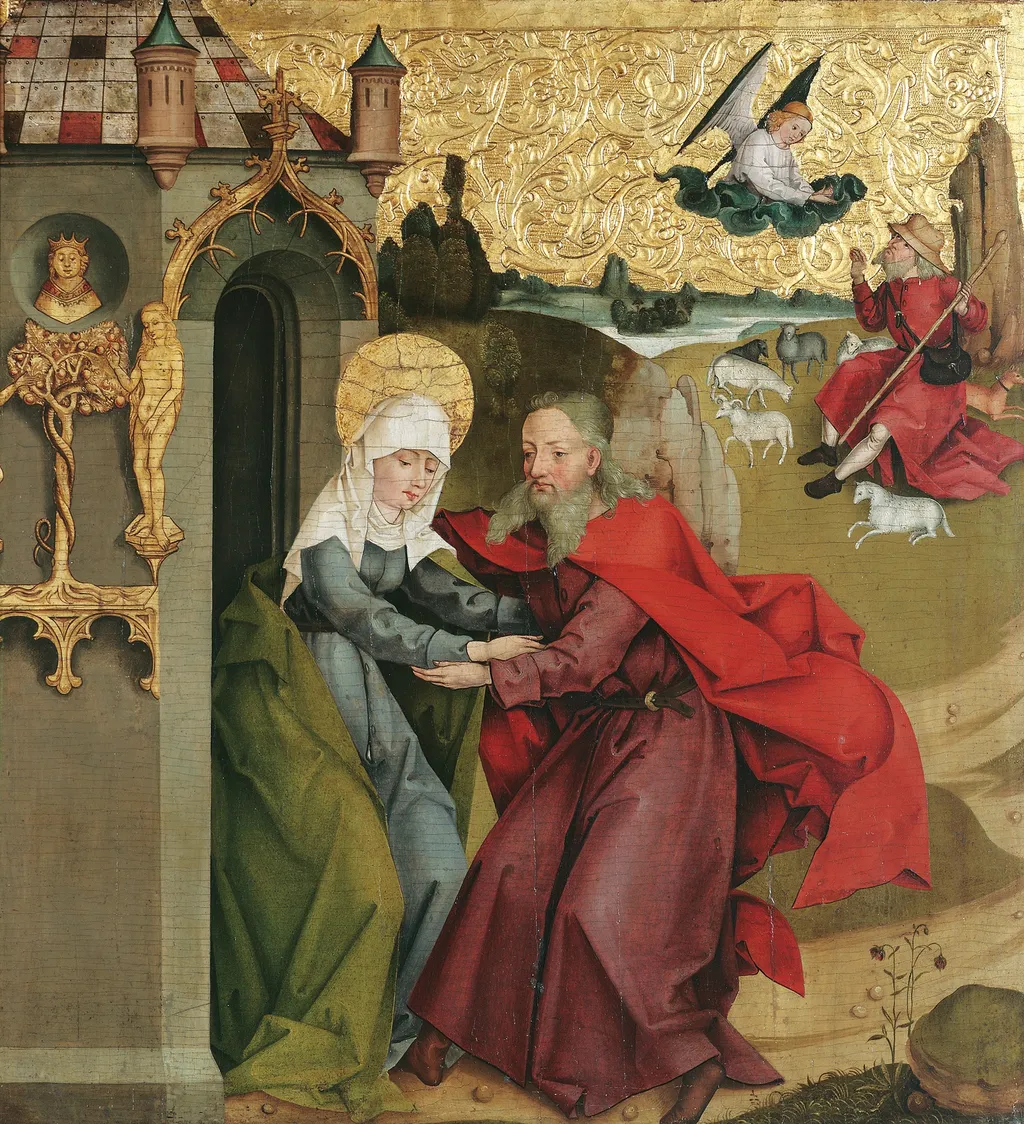
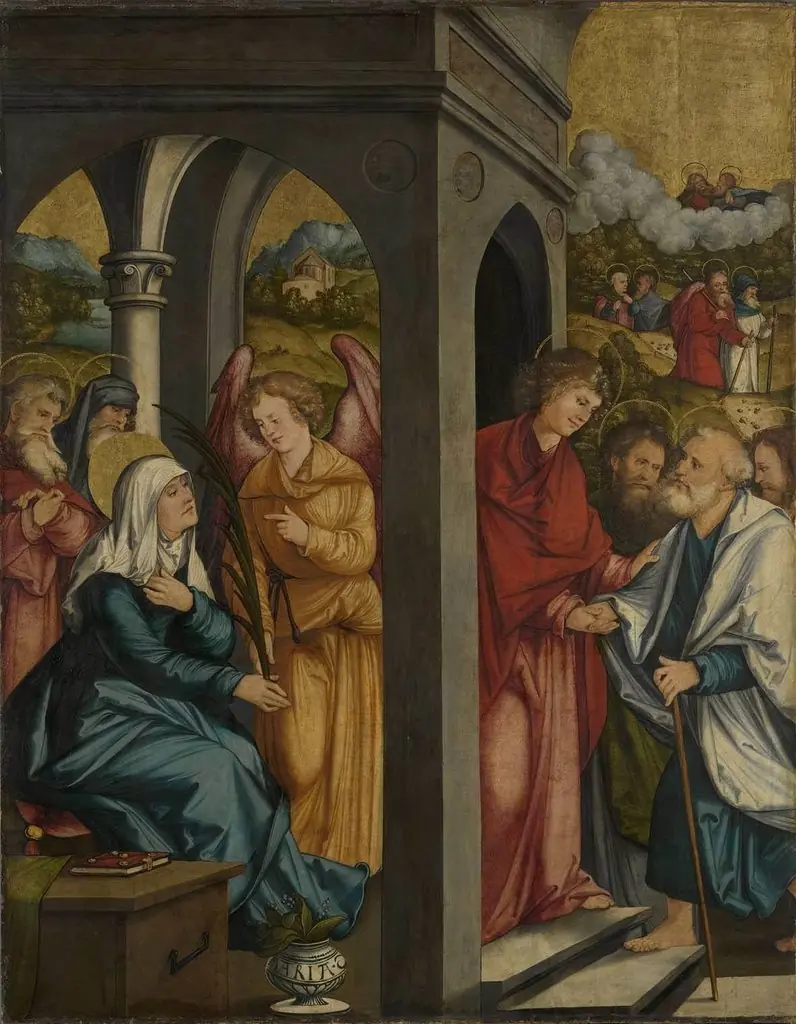
Begegnung Joachims und Annas an der Goldenen Pforte is an unspecified painting by the Northern Renaissance artist Meister der Divisio Apostolorum. It dates from 1496 and is held in the collection of the Kunsthistorisches Museum.
About this work
Overview
Painted in 1496 by an anonymous artist known as the Master of the Divisio Apostolorum, this work depicts a moment from the apocryphal story of Joachim and Anna.
Painted in 1496 by an anonymous artist known as the Master of the Divisio Apostolorum, this work depicts a moment from the apocryphal story of Joachim and Anna. Executed in tempera on panel, it was likely intended for private devotion. The painting is now part of the collection at the Kunsthistorisches Museum in Vienna, where it remains one of the few surviving works attributed to this late medieval artist.
Subject & Meaning
The scene illustrates the reunion of Joachim and Anna, the parents of the Virgin Mary, at the Golden Gate of Jerusalem. Their embrace symbolizes divine favor and the fulfillment of prayer after years of barrenness. Above them, celestial figures and a suspended crown signify heavenly approval, while the architectural backdrop and pastoral elements ground the sacred moment in a symbolic, idealized landscape.
Technique & Style
The artist employed tempera with gold leaf to create a luminous, decorative surface. Figures are rendered with sharp outlines and flat, vivid colors, emphasizing clarity over naturalism. The background’s gold ground enhances the spiritual tone, while intricate patterns on garments and architecture reflect a late Gothic preference for ornamental detail and symbolic richness rather than spatial depth.
History & Provenance
The painting has remained in institutional custody since at least the early modern period, entering the Kunsthistorisches Museum’s collection through Habsburg holdings. Its attribution to the Master of the Divisio Apostolorum stems from stylistic comparisons with other works from the same workshop, likely active in southern Germany or Austria around the turn of the 16th century.
Context
Created during a period of heightened Marian devotion in Central Europe, the painting reflects popular apocryphal narratives that filled gaps in biblical accounts. Such images were often commissioned for domestic altars or chapels, serving as aids to prayer. The emphasis on purity, divine intervention, and familial reunion resonated with contemporary spiritual ideals.
Legacy
Though the artist’s identity remains obscure, this work exemplifies the devotional painting traditions of late medieval Austria and southern Germany. It preserves a visual language that bridged Byzantine iconography and early Renaissance trends, offering insight into how religious stories were rendered for personal contemplation before the Reformation reshaped visual piety.
Own this work as a print
Artist & collection