Artwork
Maddalena Corvina
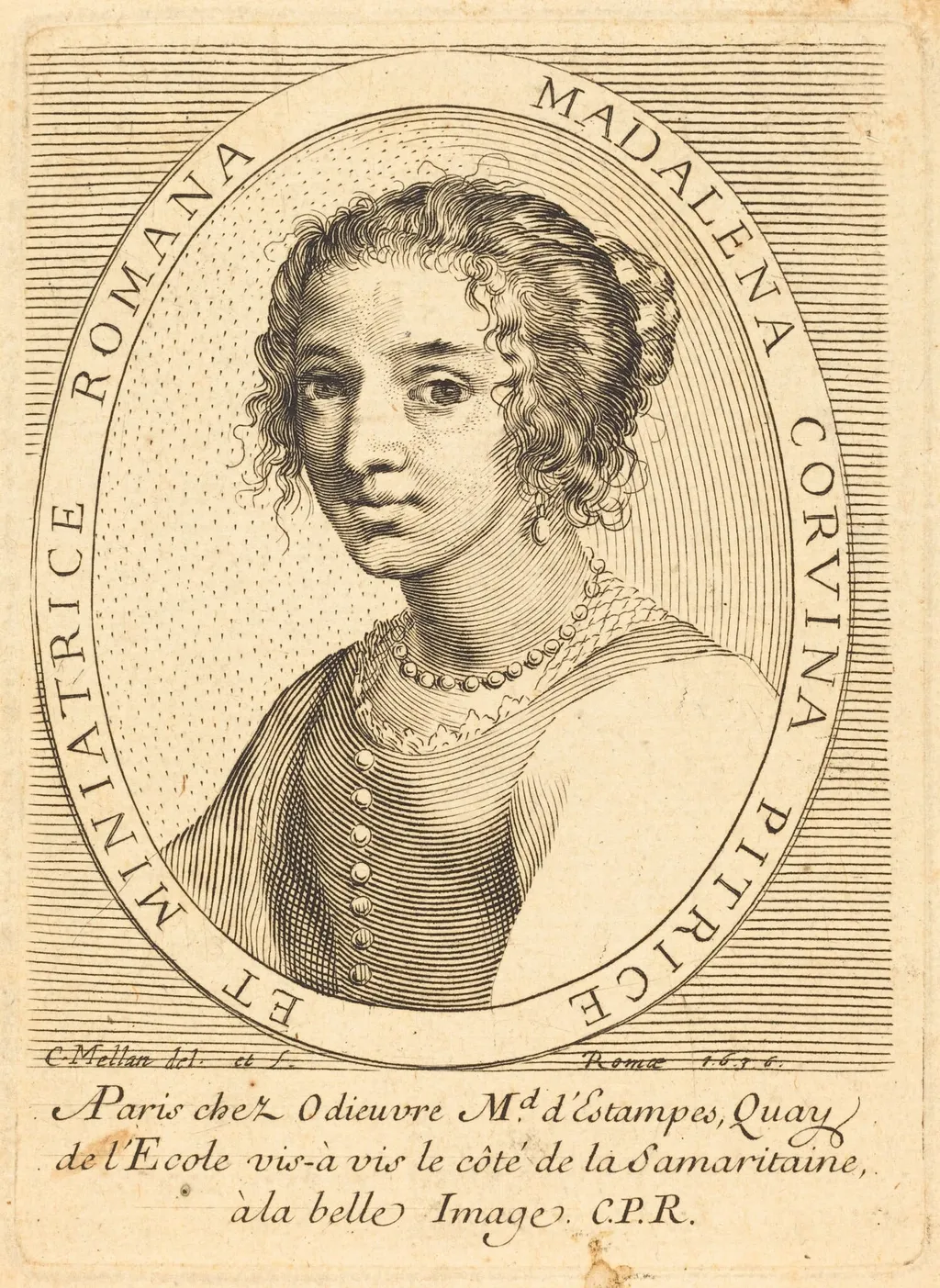
Maddalena Corvina is an ink print by the Baroque artist Claude Mellan. It is held in the collection of the National Gallery of Art.
About this work
Overview
Set against a plain background, the figure is enclosed within a circular border inscribed with her name and title, emphasizing her identity as a Roman painter.
Maddalena Corvina is a black-and-white engraving on laid paper, produced by Claude Mellan in 1640. The work presents a portrait of a woman rendered in fine, parallel lines that model form through subtle tonal variation. Set against a plain background, the figure is enclosed within a circular border inscribed with her name and title, emphasizing her identity as a Roman painter. The technique reflects the precision and restraint characteristic of 17th-century engraving.
Subject & Meaning
The sitter, Maddalena Corvina, is identified as a Roman painter, a rare acknowledgment of a female artist in early modern print culture. Her gentle expression and modest attire suggest dignity rather than ornamentation. The inclusion of her professional title in the inscription elevates her beyond a mere subject, positioning her as a creator. The portrait functions as both likeness and tribute, affirming her place within a male-dominated artistic tradition.
Technique & Style
Mellan employed fine, parallel hatching to model the contours of the face and hair, creating soft gradations of tone without cross-hatching or stippling. The lines are uniform in direction and spacing, producing a smooth, almost velvety texture. The circular frame and inscribed text are engraved with equal precision, integrating the label as part of the composition. This method highlights the engraver’s control and the medium’s capacity for delicate realism.
History & Provenance
The engraving was made in 1640, during Mellan’s mature period in Paris, where he was known for his portrait engravings. While the original source of the portrait is unknown, Corvina’s documented existence as a painter in Rome lends credibility to the subject’s identity. The print likely circulated among collectors and artists, serving as a record of a lesser-known female practitioner of the arts in early modern Italy.
Context
In mid-17th-century Europe, women artists were rarely acknowledged in public or printed media. Mellan’s decision to engrave Corvina with her professional title was unusual, reflecting either personal admiration or a broader, if limited, recognition of female artistic contribution. The portrait aligns with a trend of honoring individual artists through engraved likenesses, though such tributes to women remained exceptional.
Legacy
Maddalena Corvina remains one of the few contemporary visual records of a female painter from Renaissance Italy. The engraving preserves her name and status at a time when such documentation was scarce. Though not widely reproduced, it has been cited in scholarly studies on women in art history, offering a tangible link to an otherwise obscured figure in the artistic canon.
Artist & collection


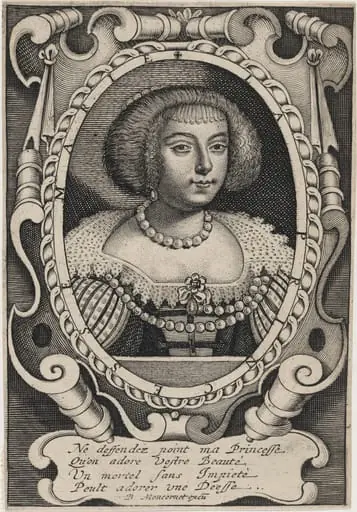 Henrietta Maria, Queen of Charles I
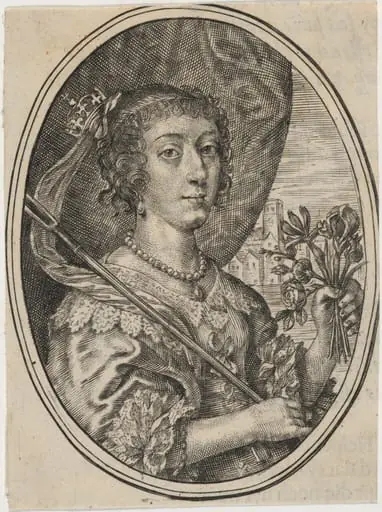 Henrietta Maria (?)
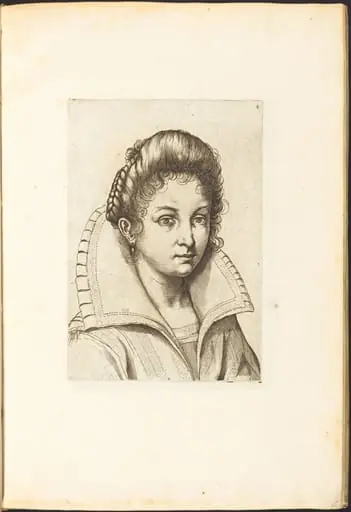 Print from Drawing Book
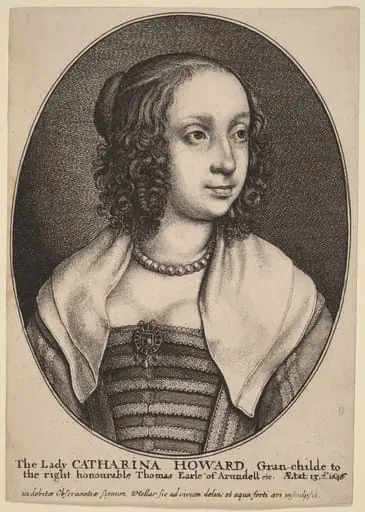 Lady Catherine Howard
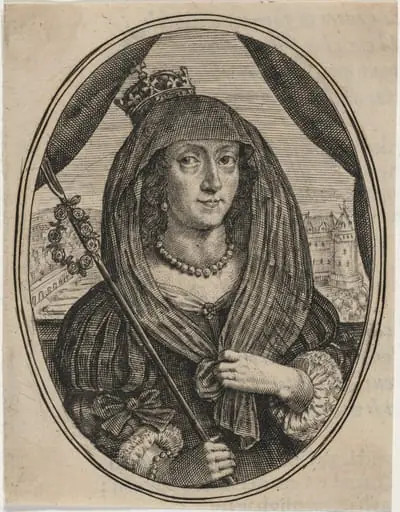 Henrietta Maria
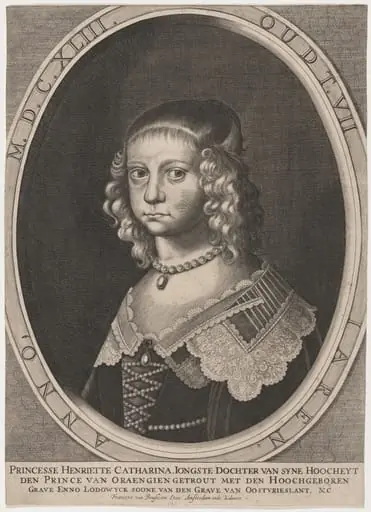 Princess Henriette Catharine of Orange
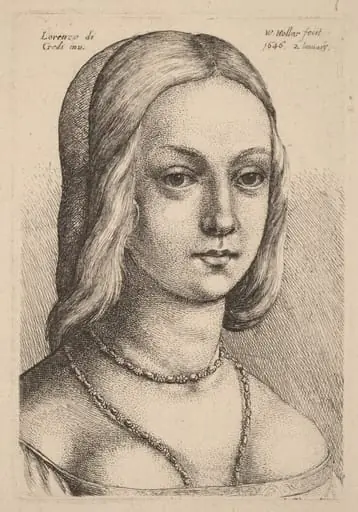 Head of Woman Looking Right
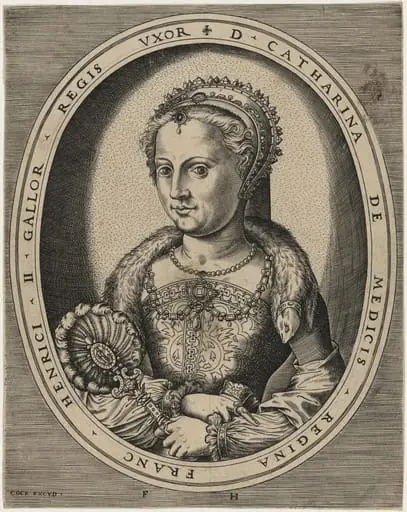 Catherine de Medici, Wife of Henry II of France
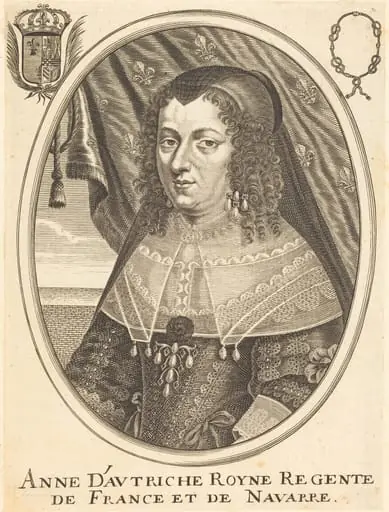 Anne of Austria
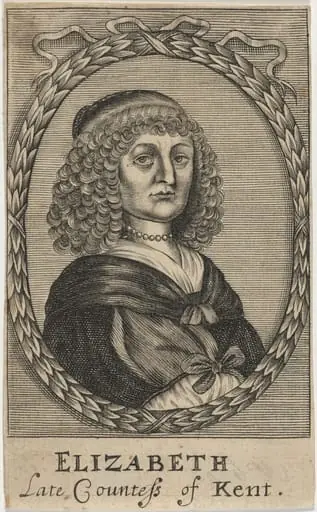 Elizabeth Talbot, Countess of Kent, Authoress
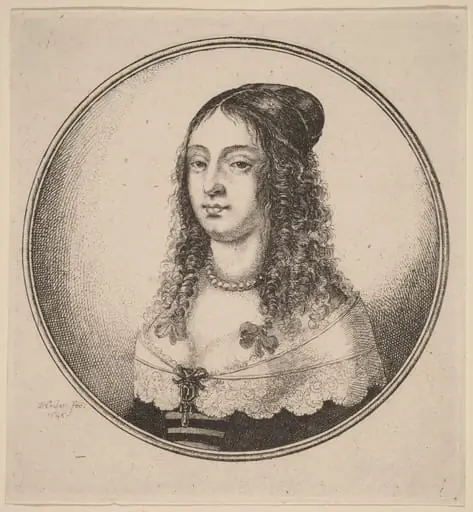 Lady with Ribbons on Curls