Artwork
Nicolas Grillet
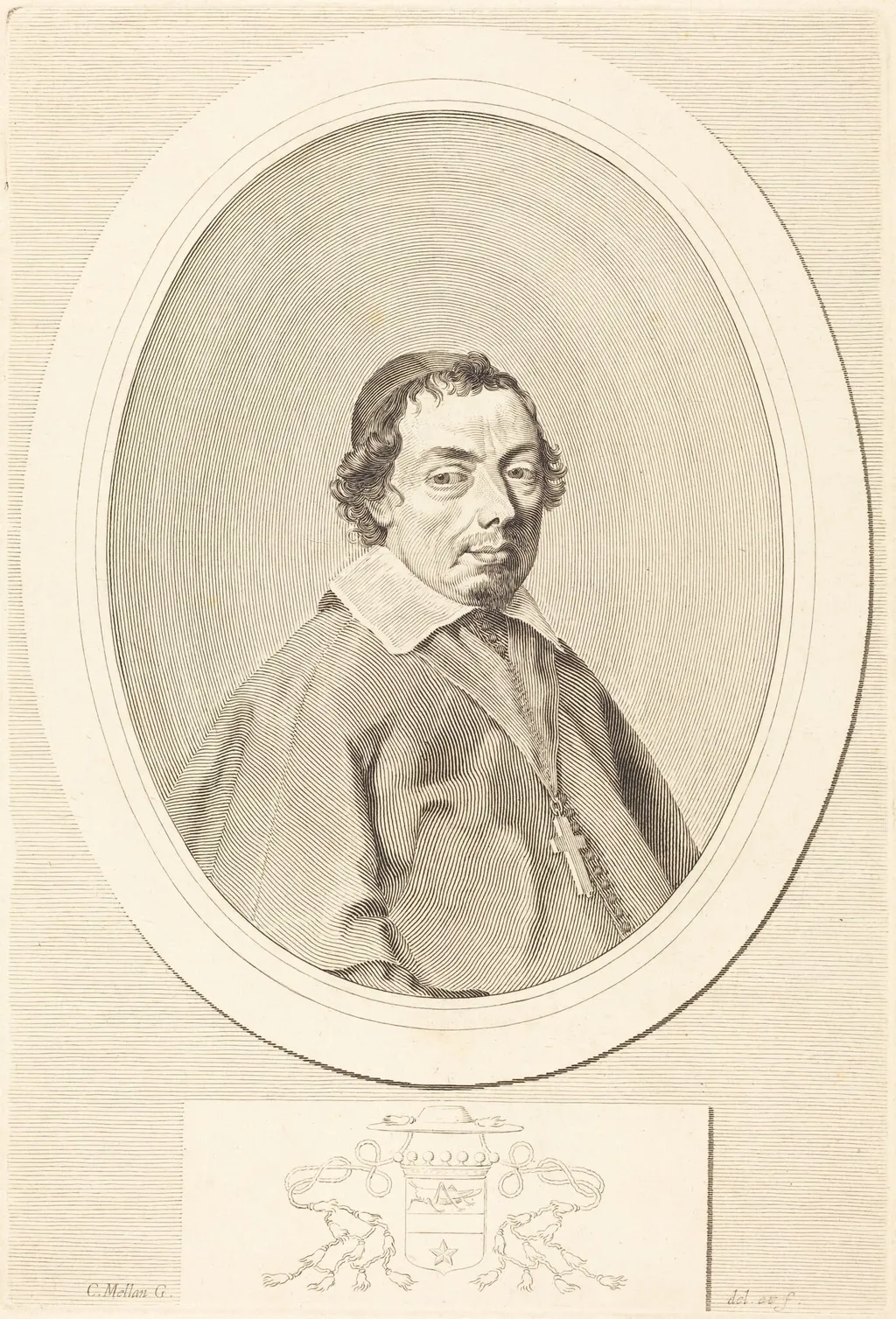
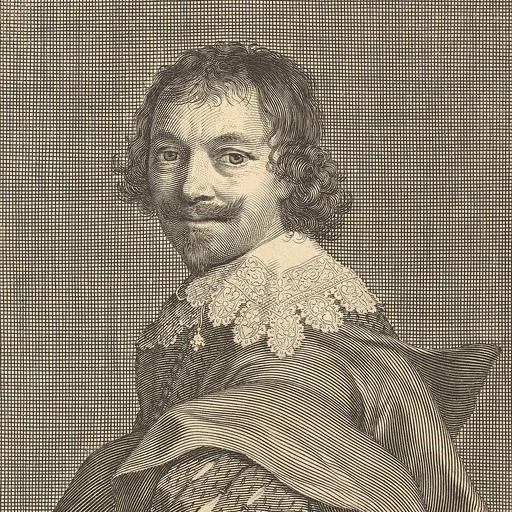
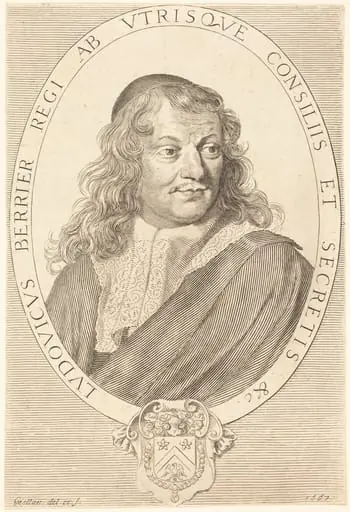
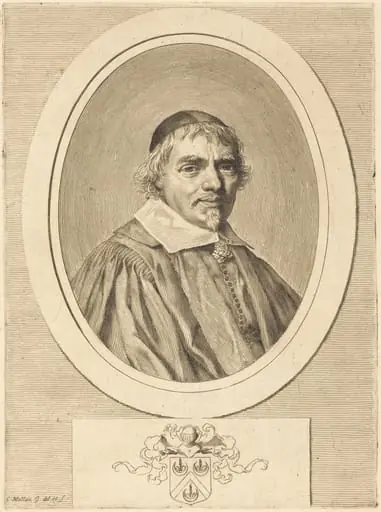
Nicolas Grillet is an ink print by the Renaissance artist Claude Mellan. It dates from 1643 and is held in the collection of the National Gallery of Art.
About this work
Overview
The composition is tightly framed by a circular arrangement of fine lines, isolating the figure against a neutral background.
This 1643 engraving by Claude Mellan depicts Nicolas Grillet, a French engraver and printmaker. Rendered in monochrome on laid paper, the portrait captures Grillet’s likeness with meticulous detail. The composition is tightly framed by a circular arrangement of fine lines, isolating the figure against a neutral background. The work exemplifies the precision and tonal control possible in intaglio printmaking during the mid-seventeenth century.
Subject & Meaning
Nicolas Grillet was a practicing engraver known for his technical skill in reproductive prints. Mellan’s portrait serves as a record of a contemporary artisan, emphasizing intellectual and professional identity over grandeur. The focused gaze and restrained expression suggest a man of quiet diligence. The absence of symbols or elaborate attire directs attention to the sitter’s presence and craftsmanship, reflecting the value placed on skilled labor in print culture.
Technique & Style
Mellan employed a single continuous spiral of lines to model form, a signature method he developed for engravings. This technique, applied with extreme precision, creates subtle gradations of tone across the face and collar without relying on cross-hatching. The texture of hair and fabric emerges from the density and direction of incised lines, demonstrating how depth and volume can be achieved through line alone, without shading or tone blocks.
History & Provenance
Created in 1643, the engraving was likely made as a personal or professional tribute, common among artists of the period who documented peers. It circulated in print collections and was later acquired by institutions preserving early modern graphic arts. No record of original ownership survives, but its survival in multiple museum holdings indicates its recognition as a refined example of French engraving from the era.
Context
In mid-seventeenth-century France, engraving was both a reproductive medium and a fine art form. Artists like Mellan elevated the technique through innovative approaches to line and tone. Portraits of fellow craftsmen were rare, making this work notable for its focus on a non-noble subject. It reflects a growing interest in documenting the individuals behind the production of printed images, aligning with broader cultural shifts toward valuing artisan expertise.
Legacy
Mellan’s portrait of Grillet remains a key example of his unique linear modeling technique. It influenced later engravers seeking to convey realism through controlled line work rather than tonal washes. The work is studied for its technical innovation and its quiet humanism, offering insight into the professional networks of printmakers in early modern Europe. It endures as a testament to the dignity of craft in an age of emerging artistic individuality.
Artist & collection