Artwork
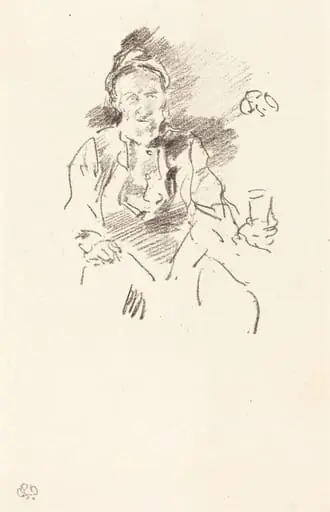
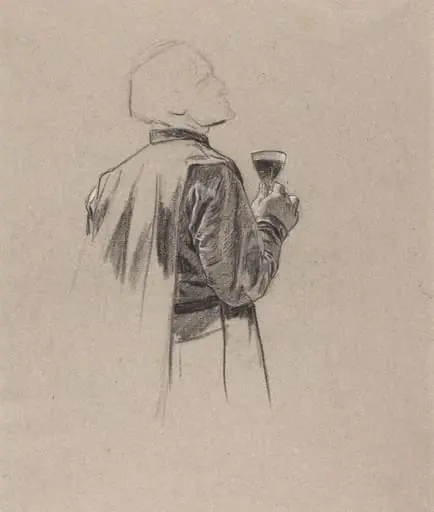
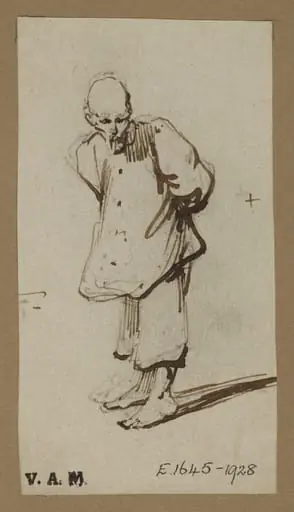
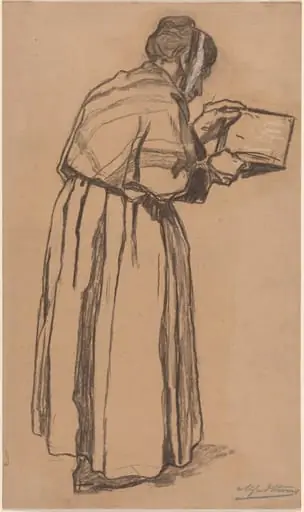
Studies of a Man Drinking
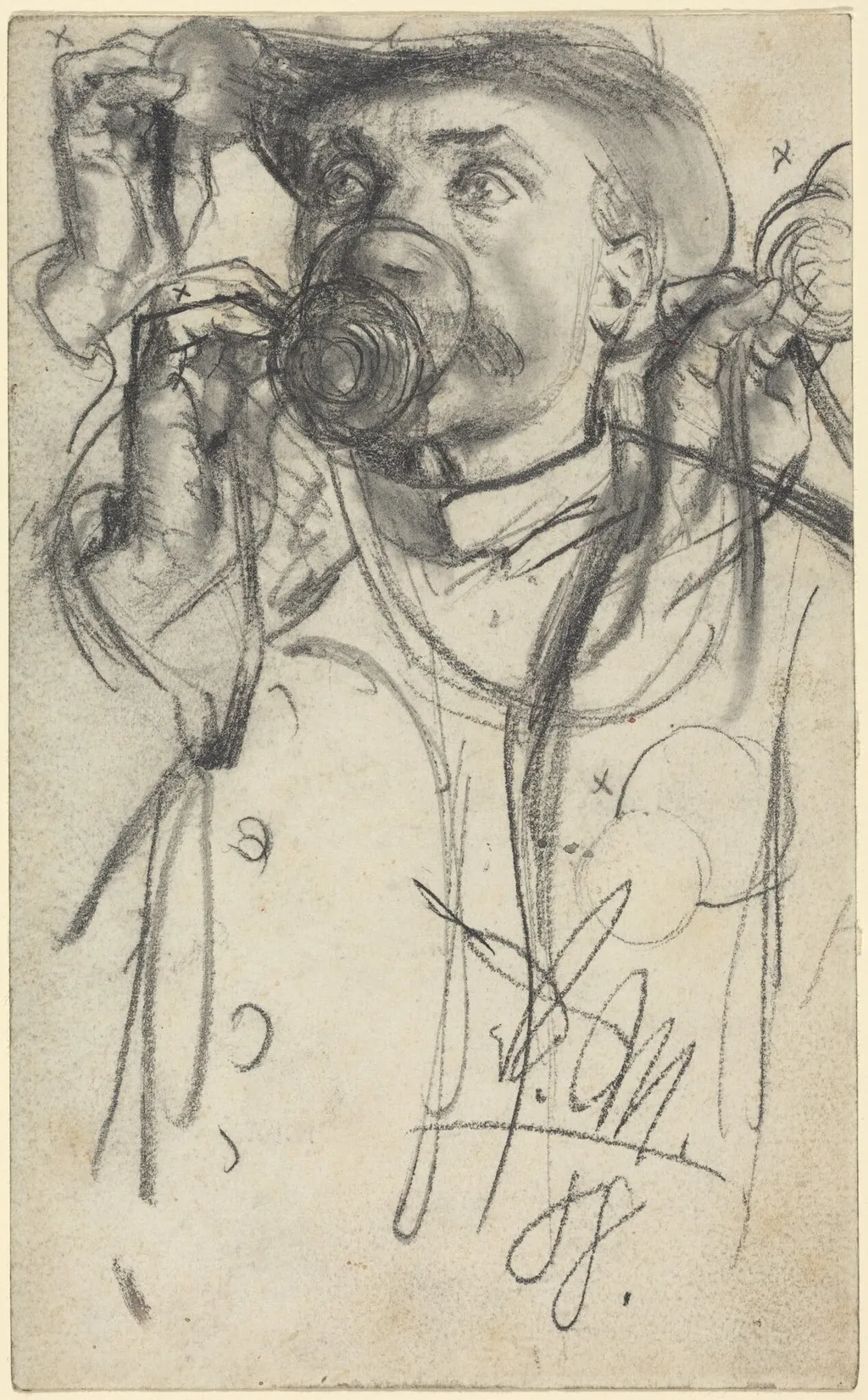
Studies of a Man Drinking is a graphite drawing by the Impressionist artist Adolph von Menzel. It dates from 1888 and is held in the collection of the National Gallery of Art.
About this work
Overview
The medium’s simplicity underscores the intimacy of the scene, aligning with Menzel’s broader practice of elevating everyday life through precise draftsmanship.
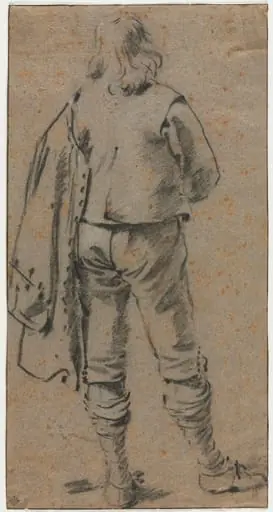
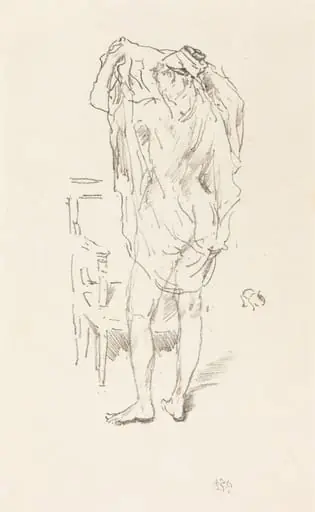
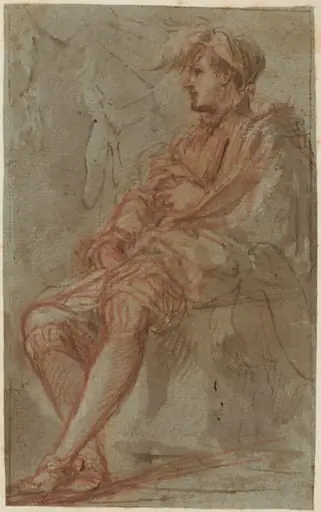
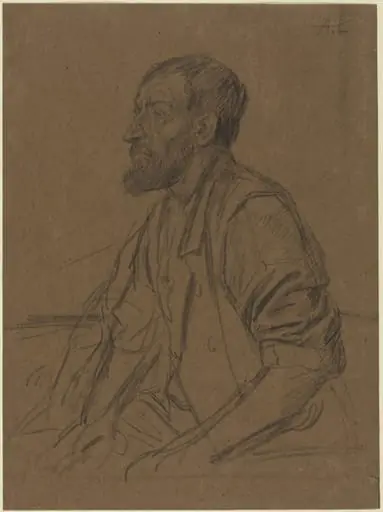
Created in 1888, this graphite drawing by Adolph von Menzel captures a solitary figure in a quiet, unguarded moment. Executed on wove paper, the work exemplifies Menzel’s commitment to direct observation and his mastery of tonal nuance. Unlike grand historical narratives, it focuses on an ordinary act—drinking—rendered with quiet intensity. The medium’s simplicity underscores the intimacy of the scene, aligning with Menzel’s broader practice of elevating everyday life through precise draftsmanship.
Subject & Meaning
The figure, seated and relaxed, holds a drink with casual ease, his posture suggesting a pause in routine. His expression is neutral, neither celebratory nor somber, reinforcing the work’s documentary quality. The drink, positioned centrally, becomes the quiet anchor of the composition. Menzel avoids narrative embellishment, instead inviting contemplation of solitude and routine. The subject’s anonymity enhances its universality, presenting a moment common to many yet rarely rendered with such attention.
Technique & Style
Menzel employed graphite with controlled pressure to build subtle gradations of light and shadow, defining the contours of the face, hands, and fabric with minimal lines. The texture of the wove paper enhances the softness of the tones, allowing for delicate transitions. While not using sfumato in the Renaissance sense, he achieved a similar atmospheric softness through layered hatching and erasure. His technique prioritizes accuracy over expression, reflecting a Realist ethos grounded in close visual study.
History & Provenance
Menzel produced thousands of drawings throughout his career, many of which were collected by German institutions during his lifetime. This study, like others, likely originated as preparatory work or an independent observation, preserved for its technical and observational merit. It entered museum collections early, reflecting contemporary recognition of his draftsmanship. No record suggests it was intended for public exhibition, but its survival underscores its value to collectors and curators of the period.
Context
In late 19th-century Germany, Realism gained traction as artists turned from idealized subjects to scenes of daily life. Menzel stood apart by avoiding social commentary, instead focusing on the quiet dignity of ordinary moments. His drawings circulated among artists and patrons as models of observational rigor. This work emerged amid industrialization and urban change, offering a still point in a rapidly shifting world—unadorned, untheatrical, and deeply attentive.
Legacy
Menzel’s drawings, including this one, influenced later generations of German artists who valued direct observation over romanticism. His ability to convey presence through minimal means became a benchmark for draftsmanship. Though less known internationally than his paintings, his studies remain central to understanding 19th-century German art. This drawing endures not as a finished work, but as a testament to the power of seeing—and recording—ordinary life with clarity.
Artist & collection

Artist
Adolph Friedrich Erdmann von Menzel was a German Realist artist noted for drawings, etchings, and paintings.