Artwork
La Panne
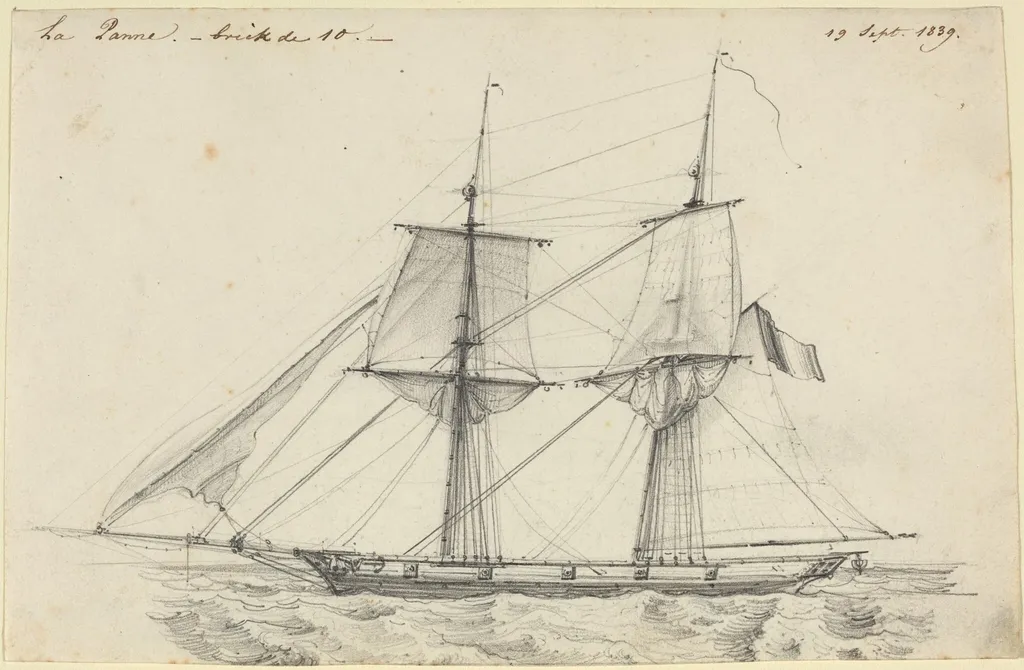
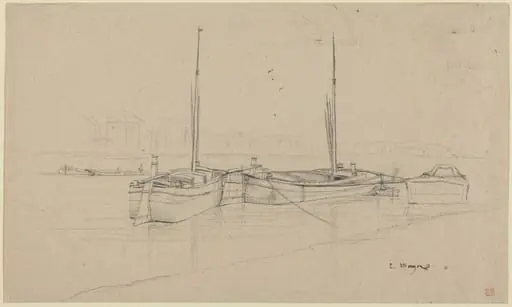
La Panne is a graphite drawing by the Romanticist artist Charles Meryon. It dates from 1839 and is held in the collection of the National Gallery of Art.
About this work
Overview
Created in 1839, *La Panne* is a graphite drawing on wove paper by Charles Meryon, produced when he was approximately fifteen years old. Though he later gained recognition for his etchings, this early work reveals his foundational skill in draftsmanship. The piece belongs to a period before he fully committed to printmaking and demonstrates his nascent interest in landscape and urban structure.
Subject & Meaning
The drawing depicts a quiet rural scene with scattered trees and a winding path, likely inspired by the outskirts of Paris.
The drawing depicts a quiet rural scene with scattered trees and a winding path, likely inspired by the outskirts of Paris. There is no human presence, and the composition conveys stillness rather than narrative. This early focus on solitude and natural form anticipates the atmospheric tone that would later define his architectural etchings, suggesting a personal engagement with place over spectacle.
Technique & Style
Meryon used graphite to render subtle tonal gradations and delicate linear contours, showing an early command of light and texture. The wove paper’s smooth surface allowed for fine, controlled strokes, typical of academic training at the time. His approach avoids dramatic contrast, favoring restrained observation — a hallmark that would persist in his mature etchings, even as his medium shifted.
History & Provenance
*La Panne* originates from Meryon’s adolescent years, before his formal entry into the École des Beaux-Arts and his transition to etching. Its survival offers rare insight into his pre-professional development. The drawing remained in private hands for much of the 19th century and entered public collections in the 20th, valued more for its historical significance than its aesthetic prominence.
Context
In the late 1830s, French art students commonly practiced drawing from nature as part of their training. Meryon’s work aligns with this tradition, though his focus on quiet, unpopulated landscapes set him apart from contemporaries who favored bustling urban scenes. His later color blindness may have reinforced his preference for monochrome media, but this drawing predates that condition’s full impact.
Legacy
While *La Panne* is not among Meryon’s most celebrated works, it serves as an important indicator of his artistic evolution. It reveals the discipline and sensitivity that would later elevate his etchings of Parisian ruins and Gothic architecture. As one of the few surviving drawings from his youth, it anchors his reputation in the broader narrative of 19th-century French graphic art.
Artist & collection
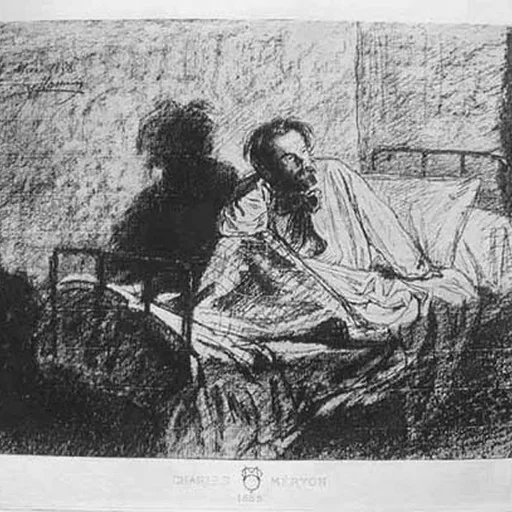
Artist
Charles Meryon (sometimes Méryon, 23 November 1821 – 14 February 1868) was a French artist who worked almost entirely in etching, as he had colour blindness.

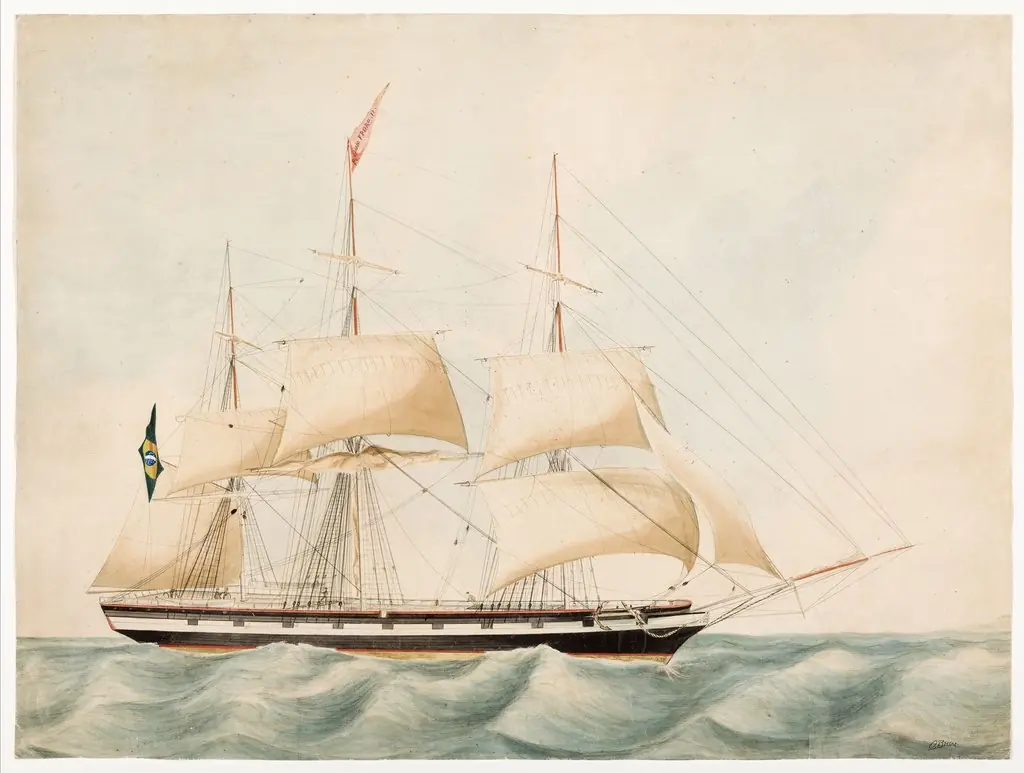 Veleiro de três mastros (atribuído)
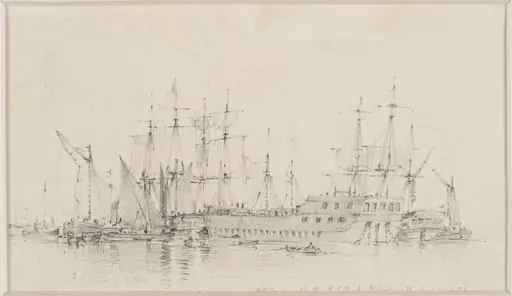 Old Mag off the East India Dock, Blackwall
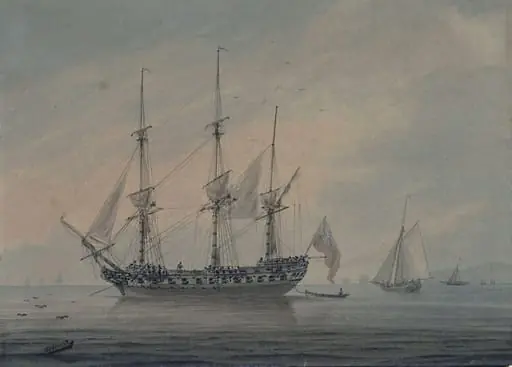 Seascape with a Frigate
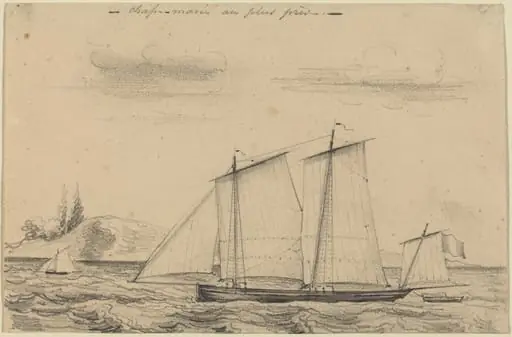 Chasse-maree au plus pres
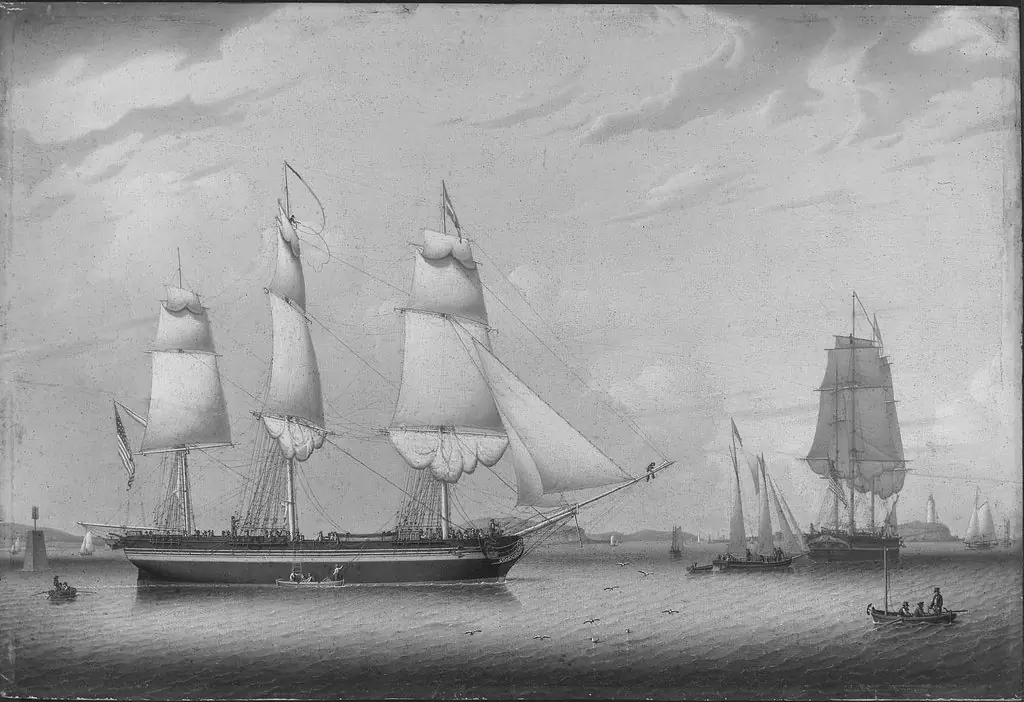 The New Ship "Duncan"
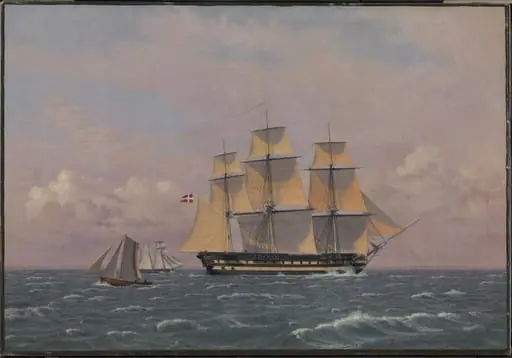 The 84-Gun Danish Warship "Dronning Marie" in the Sound
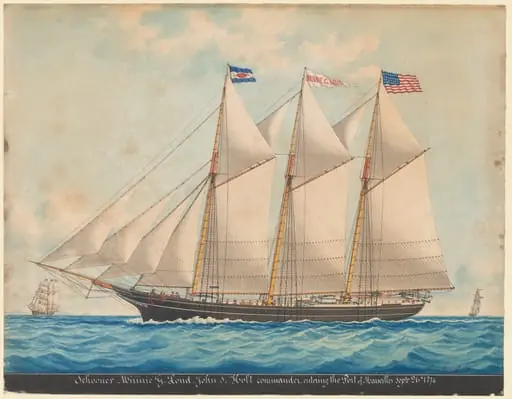 The Tern Schooner "Minnie G. Loud"
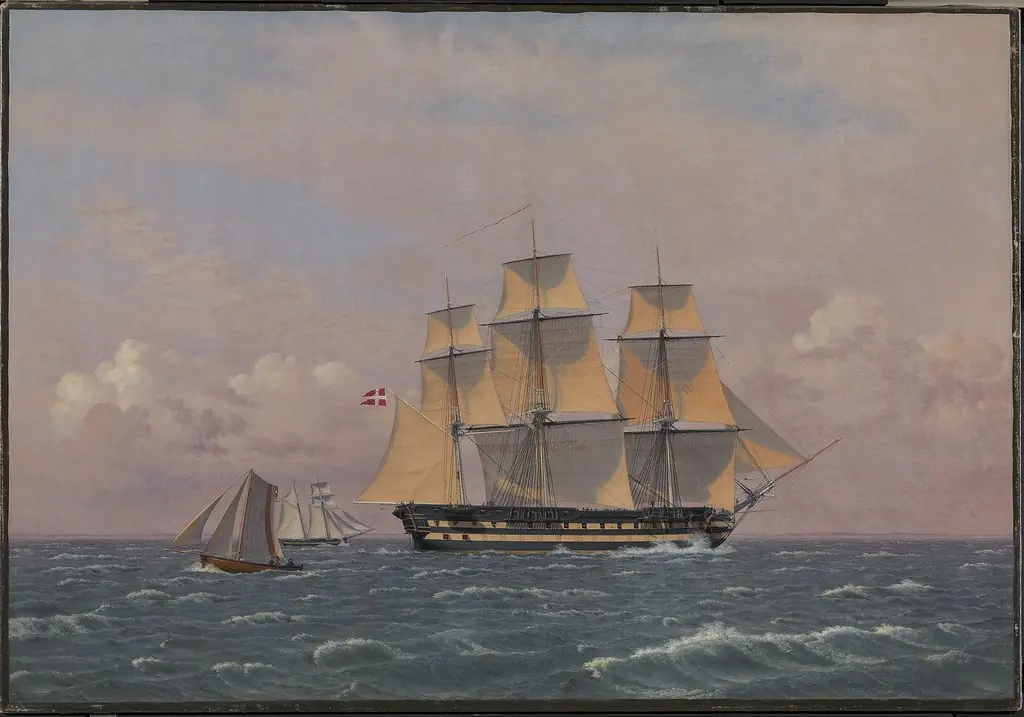 The 84-Gun Danish Warship "Dronning Marie" in the Sound
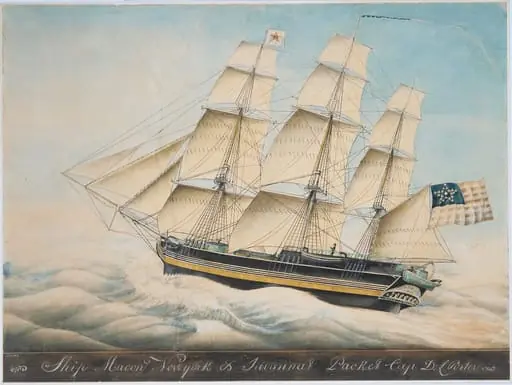 The Ship "Macon"
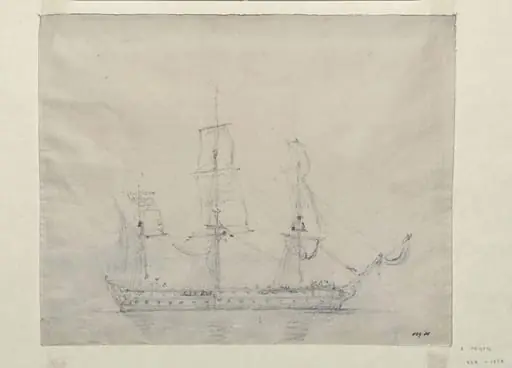 A man-of-war
 Untitled
 San Remo