Artwork
Two Boats for "L'Abside de Notre-Dame de Paris"
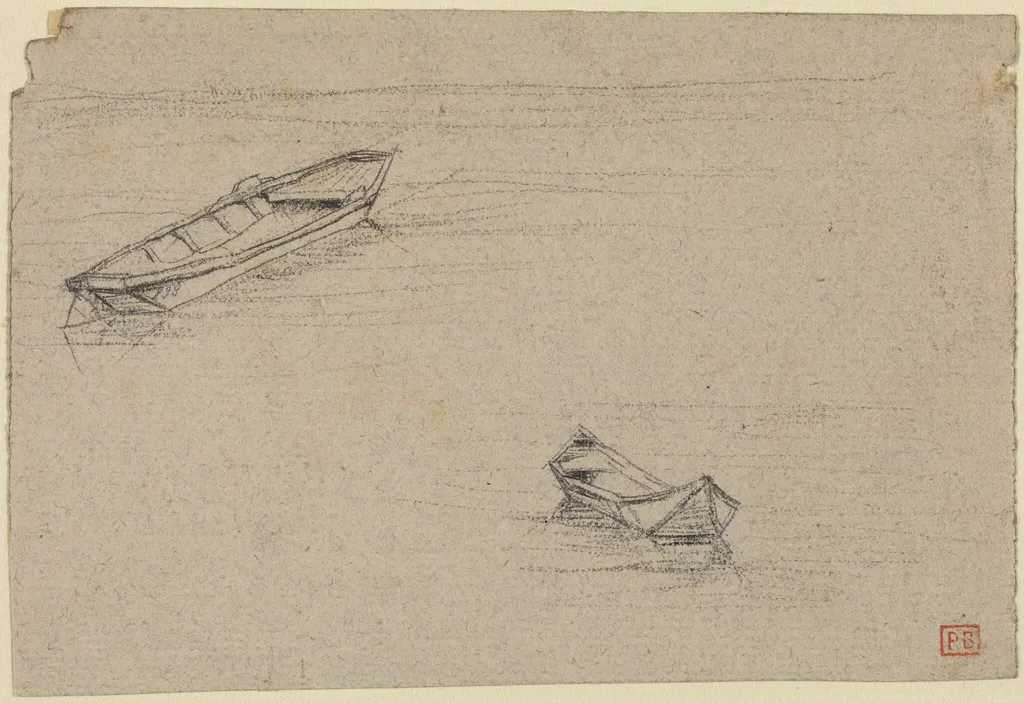
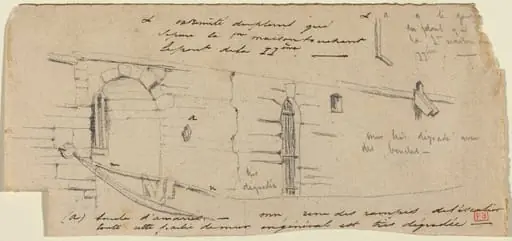
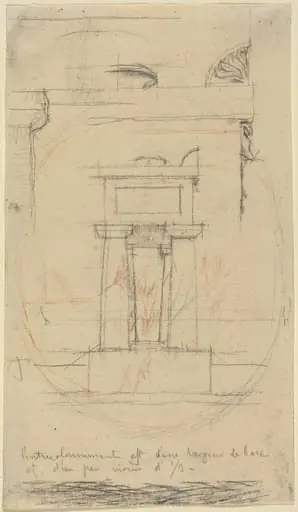
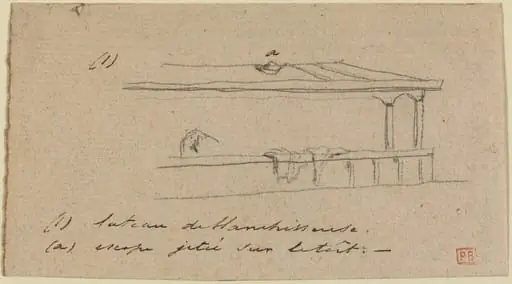
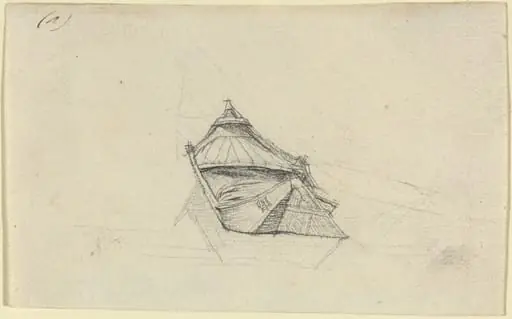
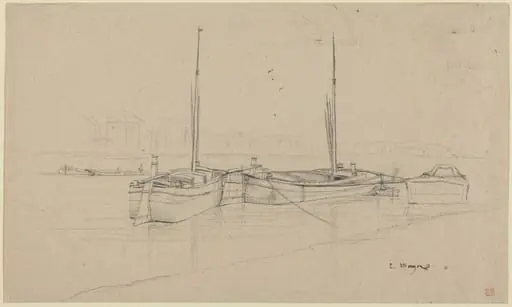
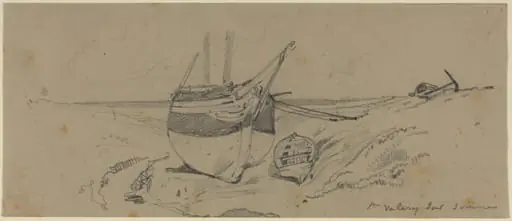
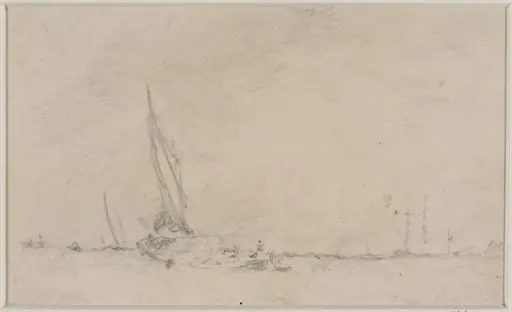
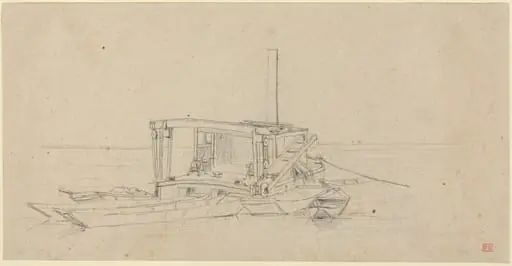
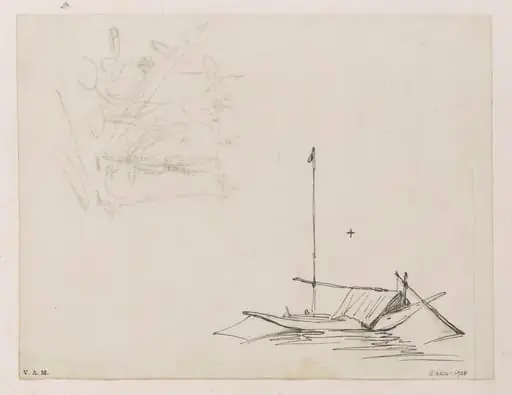
Two Boats for "L'Abside de Notre-Dame de Paris" is a graphite drawing by the Impressionist artist Charles Meryon. It dates from 1854 and is held in the collection of the National Gallery of Art.
About this work
This painting is called Two Boats for "L'Abside de Notre-Dame de Paris" by Charles Meryon.
It's from around 1854 and is made with graphite on laid paper.
The artist likely chose a marine scene for this work, which is interesting because it shows his focus on everyday subjects.
You can learn more about similar artworks at the National Gallery of Art, Washington.
Overview
Created circa 1854, *Two Boats for “L’Abside de Notre‑Dame de Paris*” is a graphite drawing on laid paper by French artist Charles Meryon. The work records a small river scene with two vessels and serves as a preparatory study for a larger composition of the cathedral’s apse, a motif that recurs throughout Meryon’s series of Parisian views.
Subject & Meaning
The drawing captures a quiet stretch of water framed by the silhouette of Notre‑Dame’s eastern façade, emphasizing the interplay between the monumental stone structure and the modest activity of river traffic. By focusing on ordinary boats, Meryon highlights the everyday life that surrounds the iconic cathedral, suggesting a contrast between the sacred architecture and the mundane urban environment.
Technique & Style
Executed in graphite on laid paper, the piece demonstrates Meryon’s precise line work and careful shading, hallmarks of his graphic approach. The medium allowed him to render architectural details with clarity despite his colour‑blindness, while the loose rendering of the boats conveys a sense of movement within a static architectural study.
History & Provenance
The artist, primarily an etcher, turned to drawing for such studies.
Meryon produced the drawing as part of his preparatory research for a larger composition of Notre‑Dame’s apse, a subject that anchored his celebrated series of Paris views. The artist, primarily an etcher, turned to drawing for such studies. After a career marked by mental illness, he died in an asylum in 1868; the drawing later entered public collections, including reference in the National Gallery of Art’s holdings of related works.
Context
The work belongs to a period when Meryon was intensely documenting the medieval character of Paris, a city undergoing rapid modernization. His focus on Gothic architecture and the Seine’s river life reflects contemporary Romantic interests in historicism and the melancholy of urban transformation.
Artist & collection
Artist
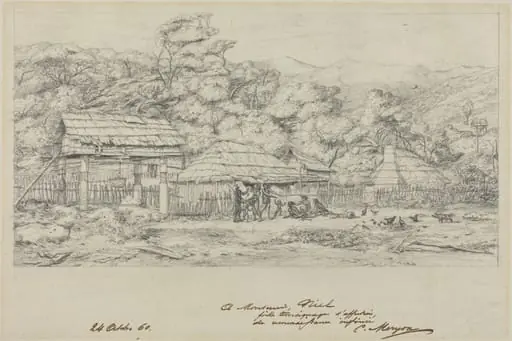
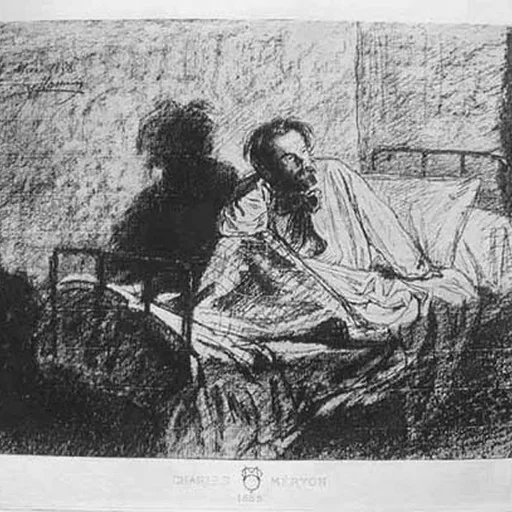
Charles Meryon (sometimes Méryon, 23 November 1821 – 14 February 1868) was a French artist who worked almost entirely in etching, as he had colour blindness.