Artwork
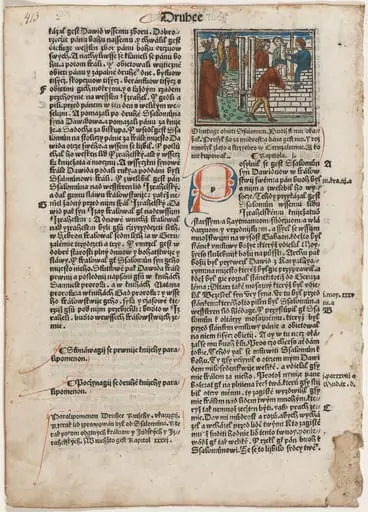
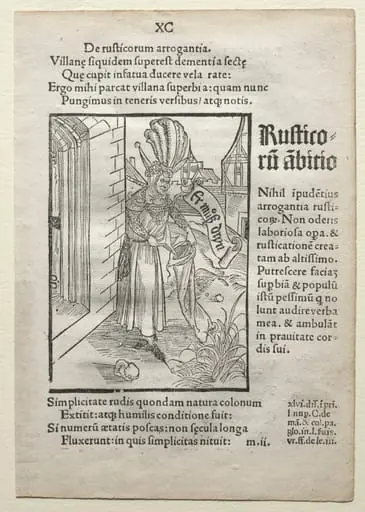
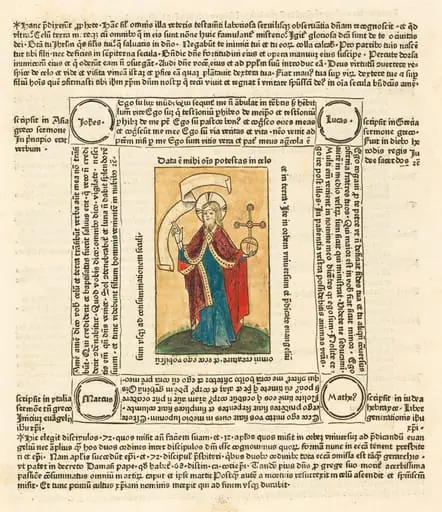
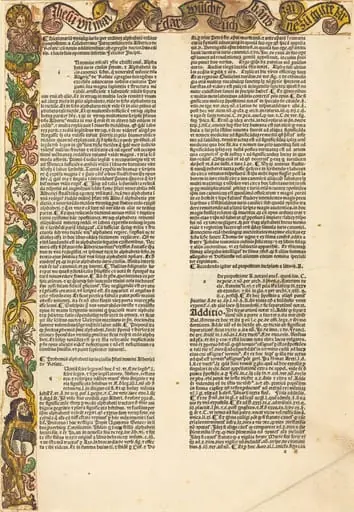
Genealogical Page; published in the Nuremberg Chronicle by Hartmann Schedel
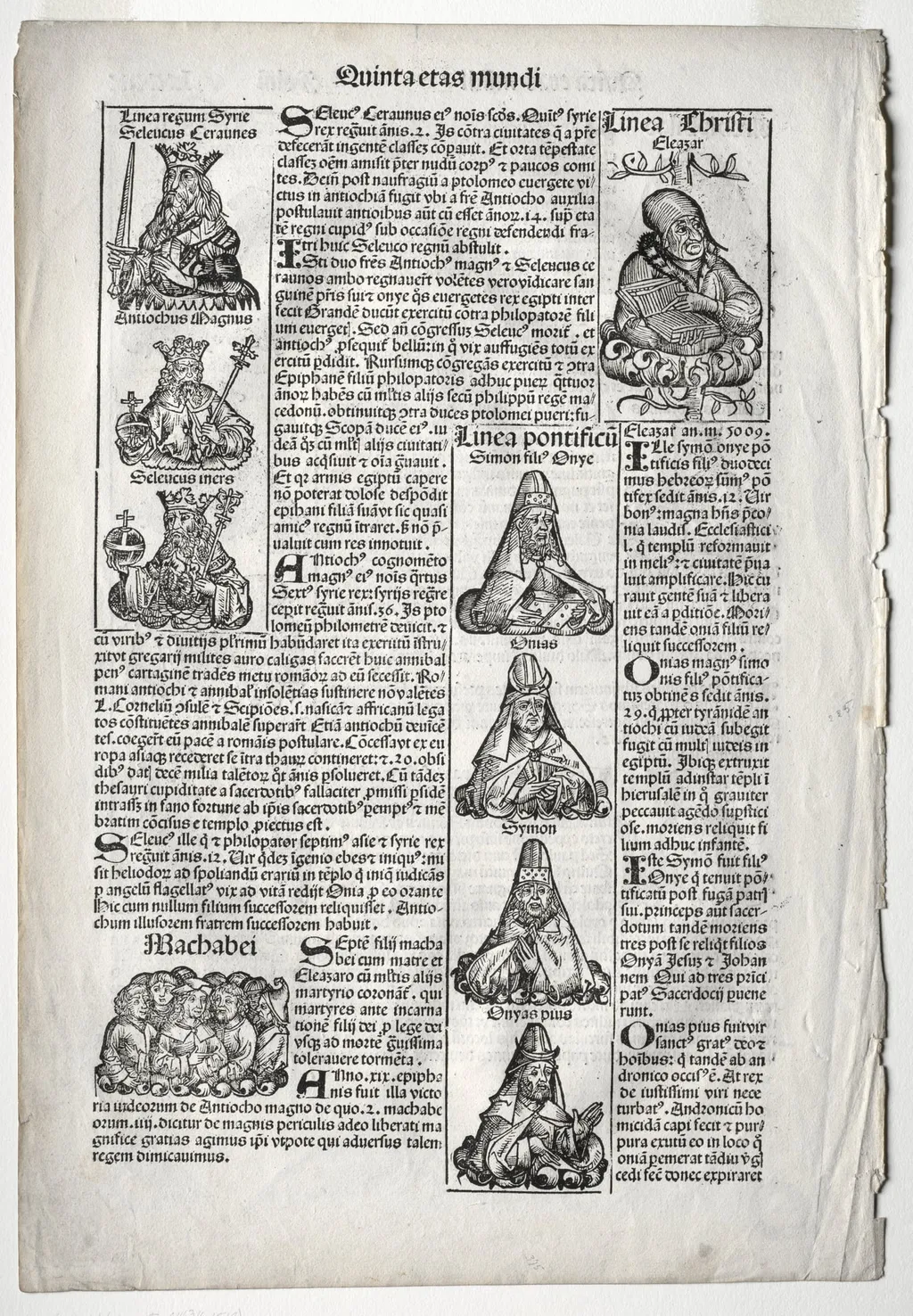
Genealogical Page; published in the Nuremberg Chronicle by Hartmann Schedel is a print by the Renaissance artist Michael Wolgemut. It dates from 1493 and is held in the collection of the Cleveland Museum of Art.
About this work
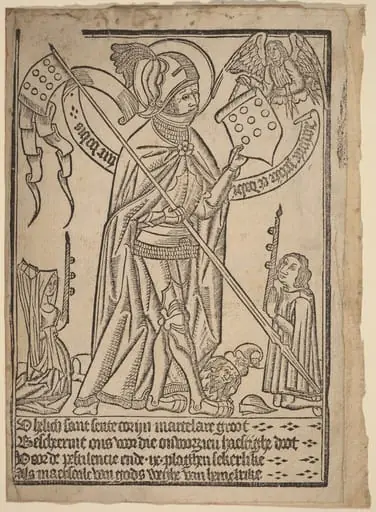
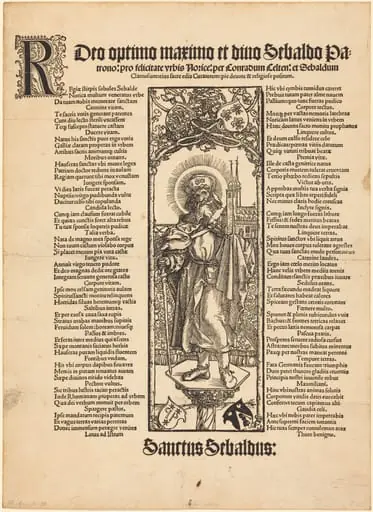
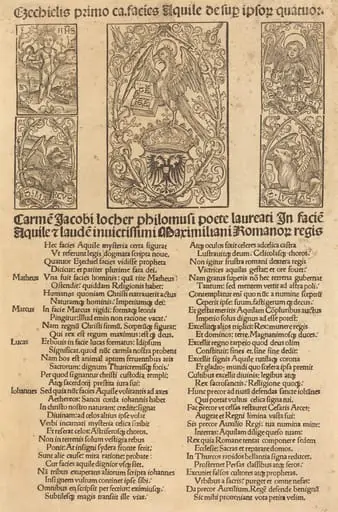
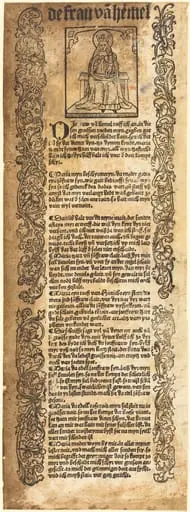
The artist used sharp lines to carve every detail into a block, then stamped it onto paper like a giant stamp.
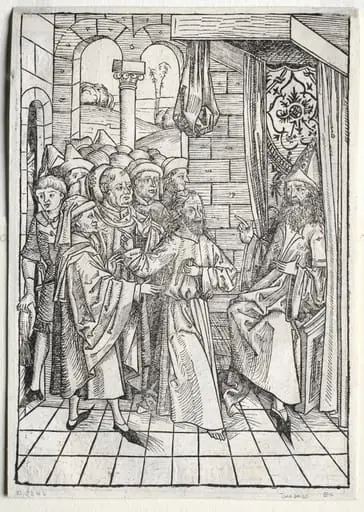
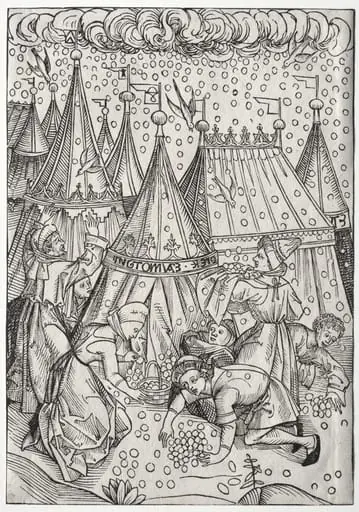
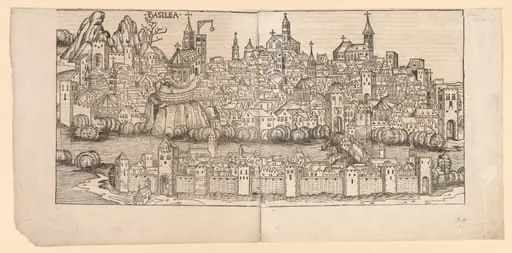
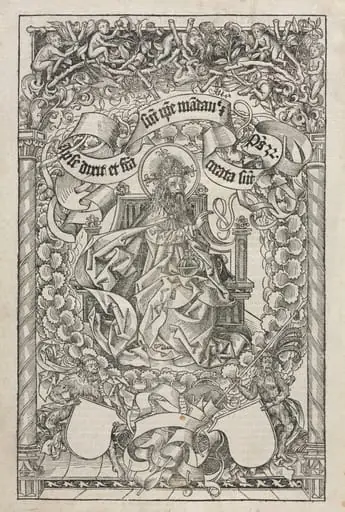
This woodcut shows a page from the 1493 Nuremberg Chronicle. It’s packed with family trees and tiny figures, all carved into wood then printed in ink. The page lists generations from Adam and Eve down to European kings.
This single page is one of 1,809 woodcuts in the book. Before this, most history books had no pictures at all. The artist used sharp lines to carve every detail into a block, then stamped it onto paper like a giant stamp.
See how the lines feel crisp and clear? That’s the trick of woodcut printing. Check out Michael Wolgemut (German, 1434–1519) next.
Overview
The Genealogical Page is a woodcut illustration from the 1493 Nuremberg Chronicle, a monumental printed work that surveys world history from creation to the late 15th‑century age of exploration. Measuring roughly 18 × 12.5 inches, the chronicle comprises more than 600 pages and contains 1,809 woodcut images produced from 645 distinct blocks, making it one of the most extensive early printed volumes.
Subject & Meaning
This particular page presents a dense network of family trees, tracing lineages from the biblical figures Adam and Eve through successive generations of European monarchs. The miniature figures and branching genealogies serve both as a visual record of dynastic succession and as a symbolic illustration of humanity’s continuity from mythic origins to contemporary rulers.
Technique & Style
The image was created by carving fine lines into a wooden block, a process that yields the crisp, high‑contrast marks characteristic of woodcut printing. The artist employed tight, intricate incisions to render numerous tiny figures and textual labels, allowing the entire genealogical chart to be reproduced in a single impression on paper.
History & Provenance
The Nuremberg Chronicle was compiled by physician‑humanist Hartmann Schedel and printed in Nuremberg under the direction of the workshop of Michael Wolgemut and Wilhelm Pleydenwurff. The chronicle quickly became an early bestseller, circulating widely across Europe and influencing subsequent historical publications.
Context
At a time when most historical texts were unillustrated, the chronicle’s integration of extensive woodcut imagery represented a novel approach to combining visual and textual information. The collaboration between Schedel’s narrative and Wolgemut’s designs set a precedent for richly illustrated books in the incunabula period.
Legacy
The sheer scale and visual ambition of the Nuremberg Chronicle established a benchmark for printed works in the decades following the invention of movable type. Its genealogical pages, among the 1,809 illustrations, continue to be studied as exemplars of early print technology and Renaissance visual culture.
Artist & collection
Artist
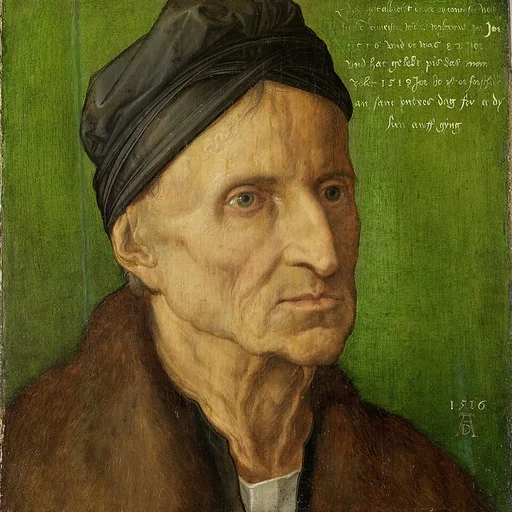
Michael Wolgemut (formerly spelt Wohlgemuth; 1434 – 30 November 1519) was a German painter and printmaker, who ran a workshop in Nuremberg.