Artwork
Țărm
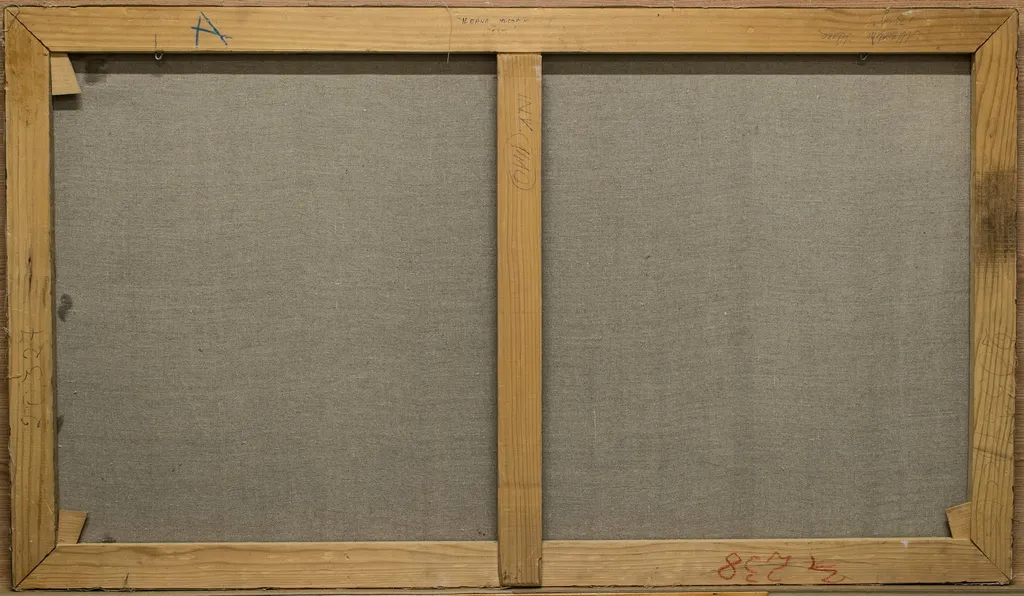
Țărm is a print by Ileana Micodin. It dates from 1950 and is held in the collection of the Gavrila Simion Eco-Museum Research Institute Tulcea.
About this work
Overview
Created by Romanian artist Ileana Micodin, the work consists solely of a plain, gray surface with no applied pigment or imagery.
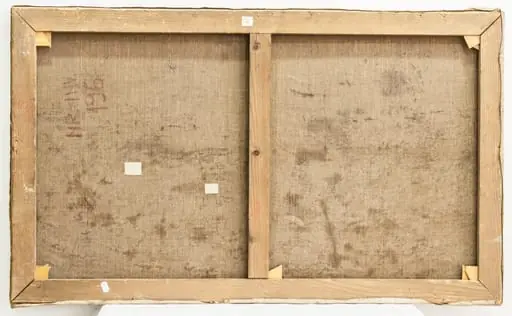
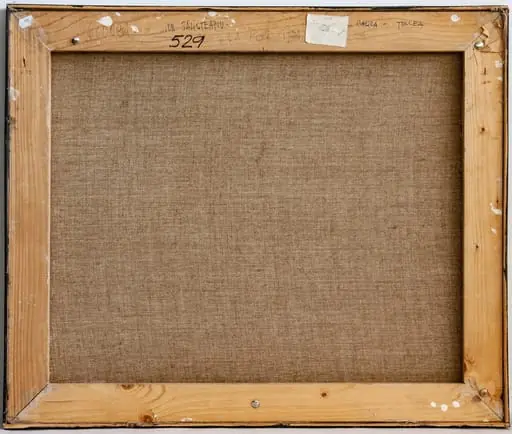
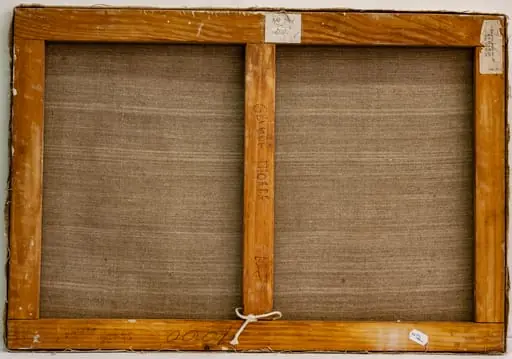
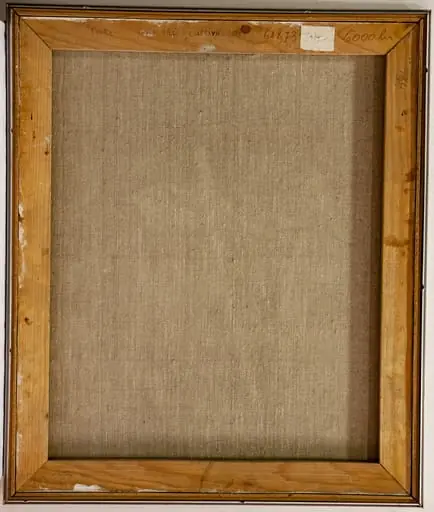
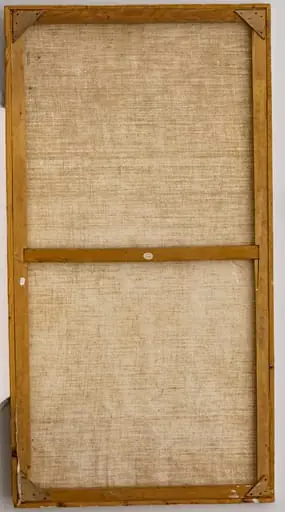
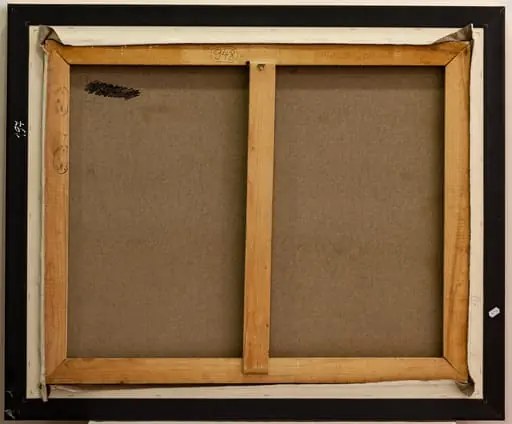
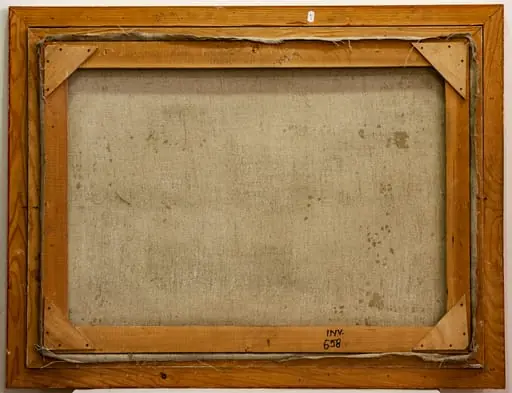
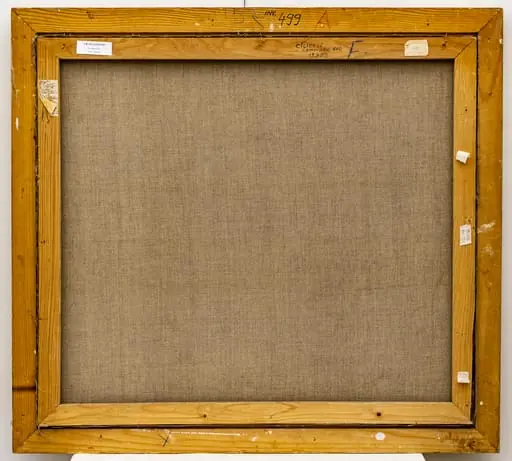
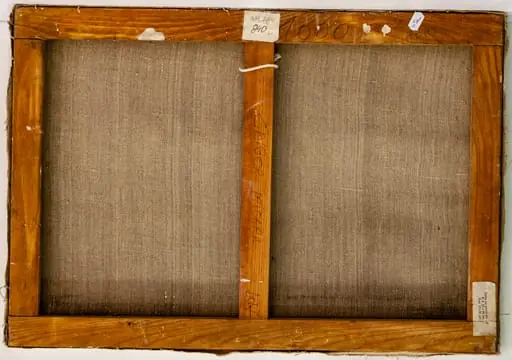
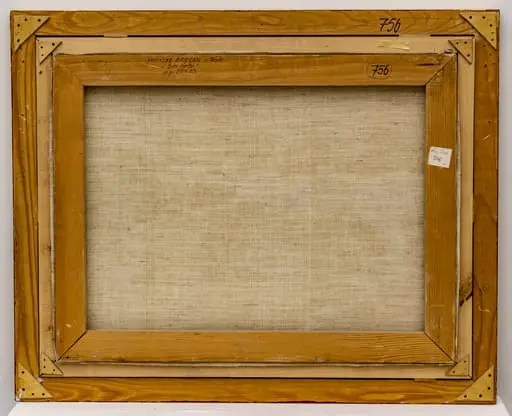
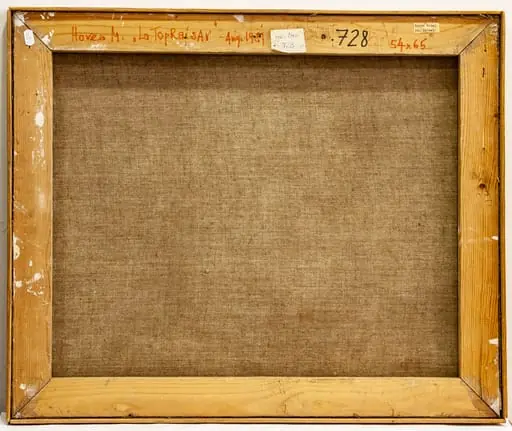
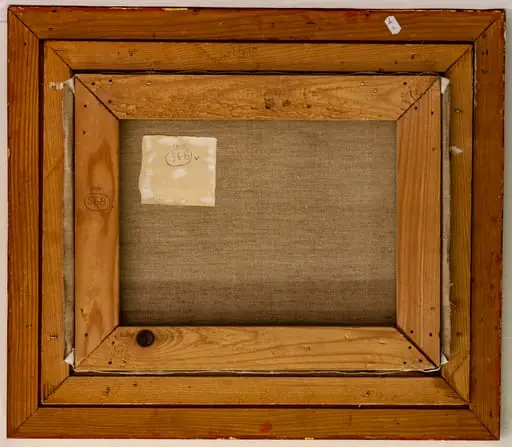
Țărm is an undecorated canvas, stretched within a weathered wooden frame, dated to approximately 1950. Created by Romanian artist Ileana Micodin, the work consists solely of a plain, gray surface with no applied pigment or imagery. It is preserved in the Museum of Ethnography, where its physical state—marked frame, tight tension, and absence of content—invites reflection on materiality and intention in postwar art.
Subject & Meaning
The work offers no figurative or symbolic content, challenging conventional expectations of artistic representation. Its emptiness may suggest a deliberate withdrawal from narrative or a critique of artistic production during a period of political constraint. The title, meaning 'shore' in Romanian, could imply absence as a landscape, or the edge of expression itself.
Technique & Style
Micodin’s approach here eschews traditional painting methods entirely. The canvas is uniformly prepared but left untouched, emphasizing the physical presence of support over image. The frame’s visible wear and handwritten markings suggest a utilitarian or provisional origin, reinforcing the work’s focus on objecthood rather than aesthetics.
History & Provenance
The piece entered the Museum of Ethnography’s collection without documented exhibition history prior to its acquisition. Its creation date aligns with early postwar Romania, a time when artistic expression was often regulated or redirected. The lack of provenance beyond the artist’s name and institution suggests it may have been privately retained before institutional recognition.
Context
In the context of 1950s Romania, where socialist realism dominated official art, an empty canvas could be read as quiet resistance or personal retreat. While not overtly political, its refusal to conform to state-mandated imagery aligns with subtle acts of noncompliance among artists navigating ideological pressure.
Legacy
Țărm contributes to a broader discourse on void and absence in 20th-century art, predating later conceptual gestures. Its preservation in a museum of ethnography, rather than fine art, underscores its ambiguous status—neither fully artifact nor conventional artwork—inviting ongoing reinterpretation across disciplinary boundaries.
Artist & collection
Artist
Ileana Micodin made prints, carvings, and paintings that quietly map the Romanian landscape.
Museum
Gavrila Simion Eco-Museum Research Institute Tulcea
Continue through works from the same source collection.