Artwork
La Conquista de México. Tabla I
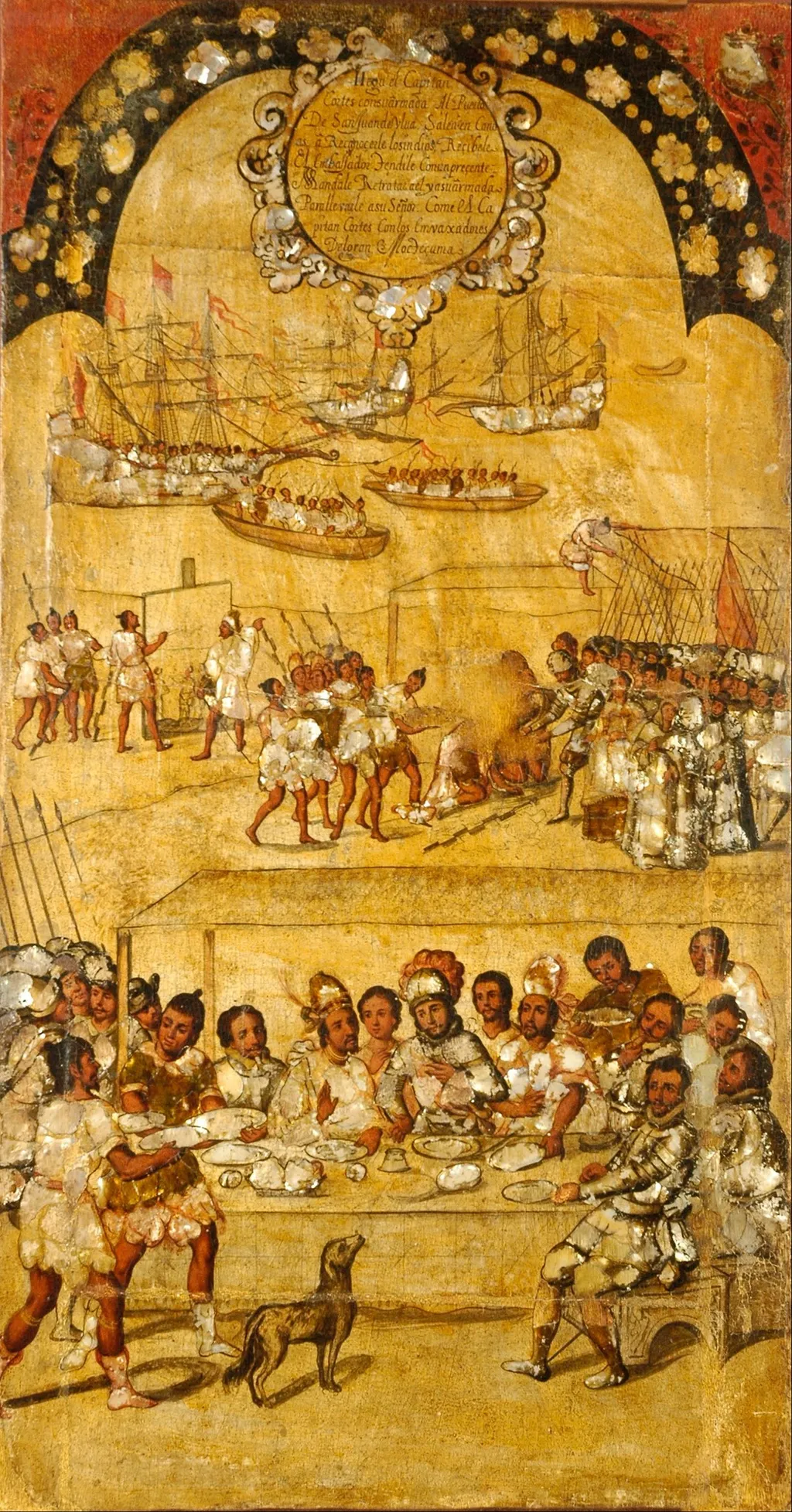
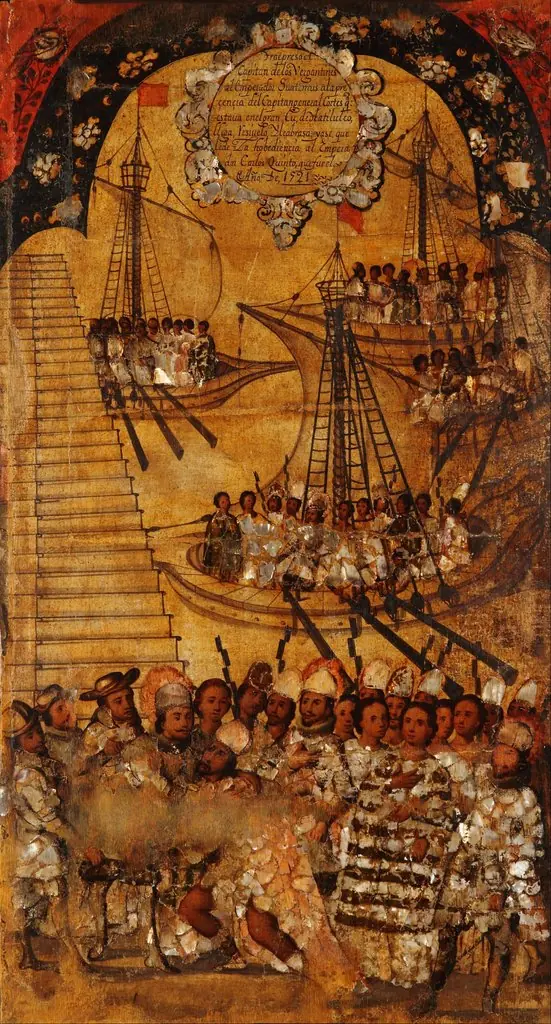
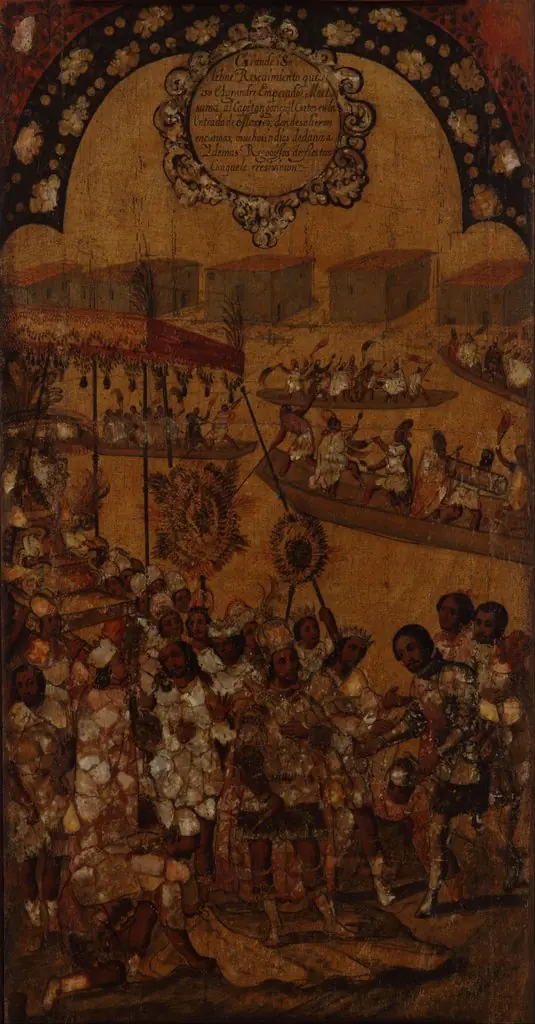
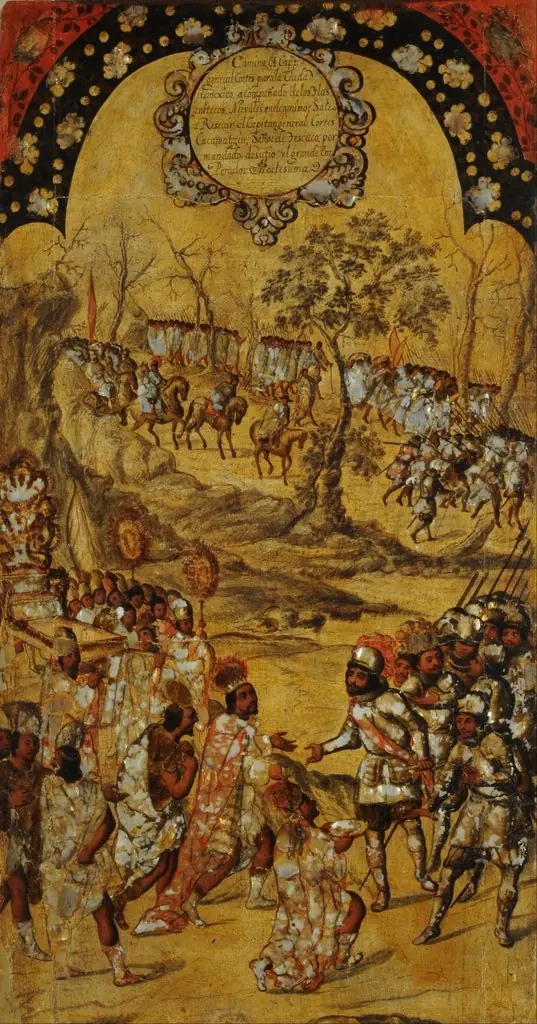
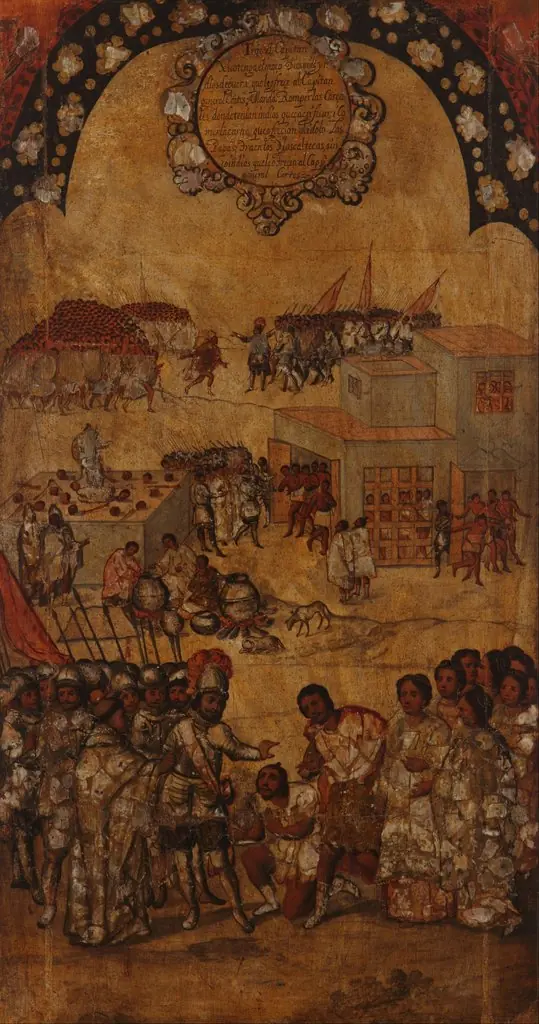
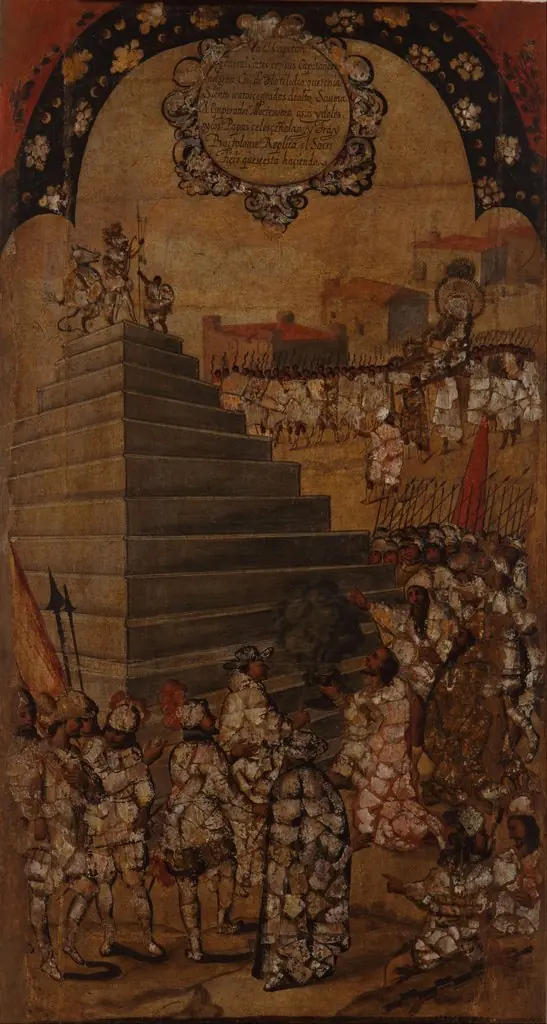
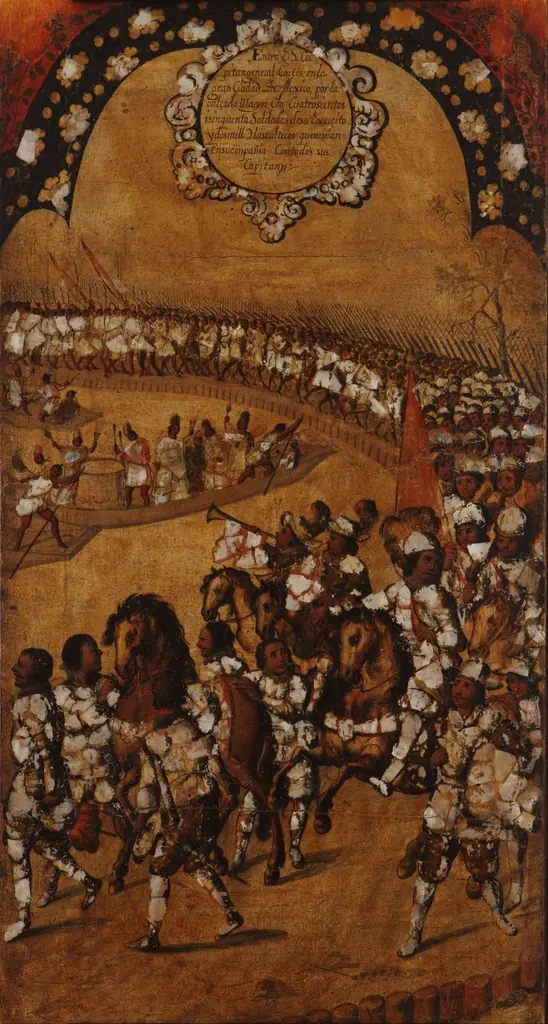
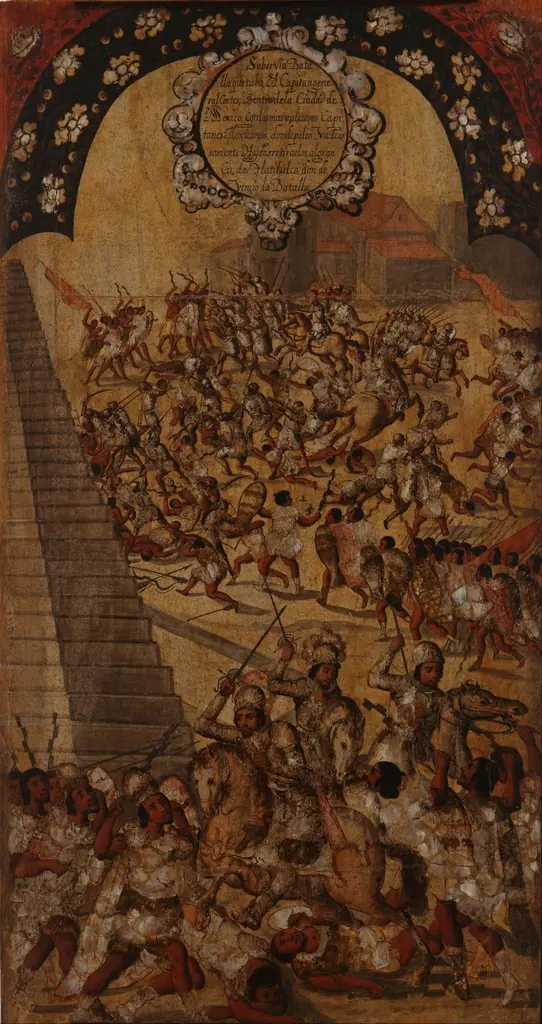
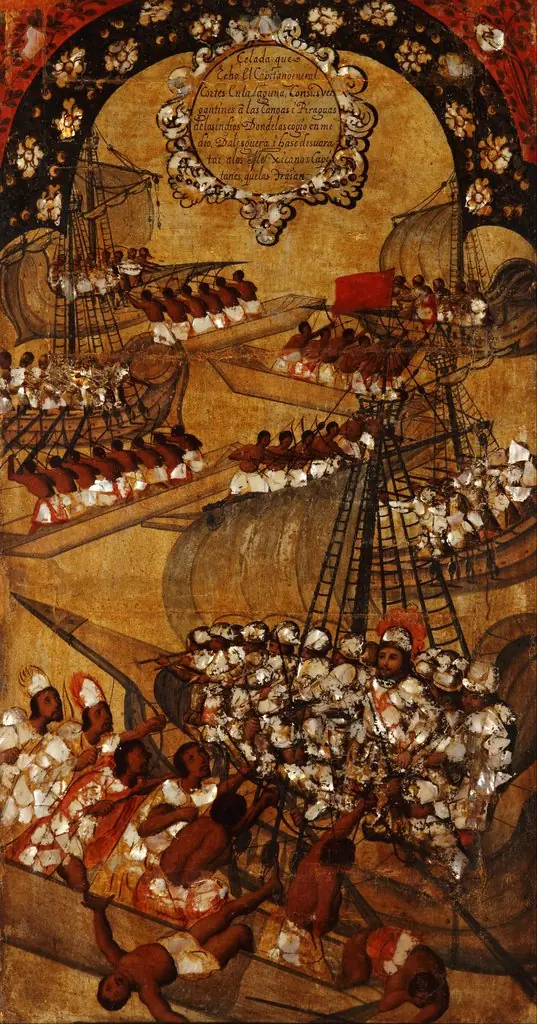
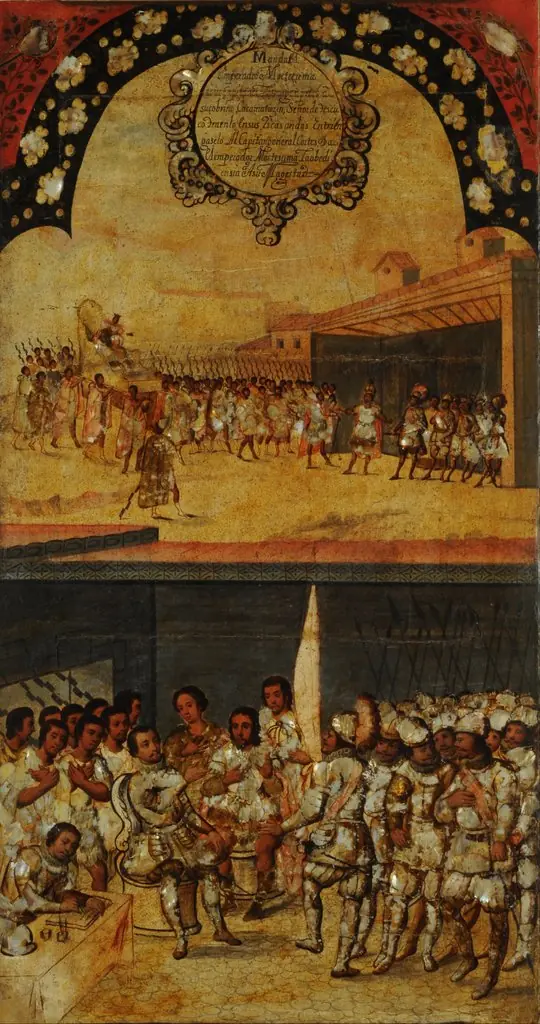
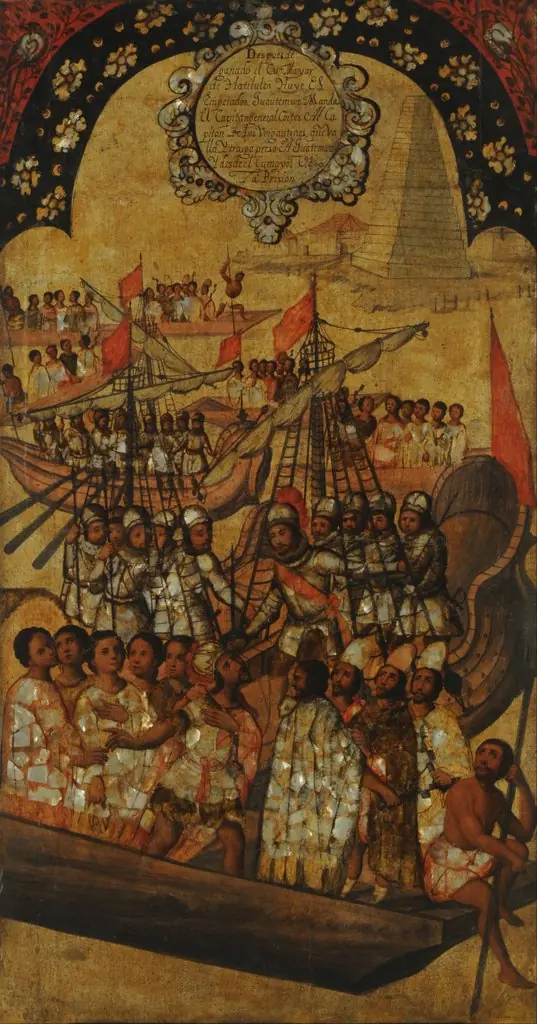
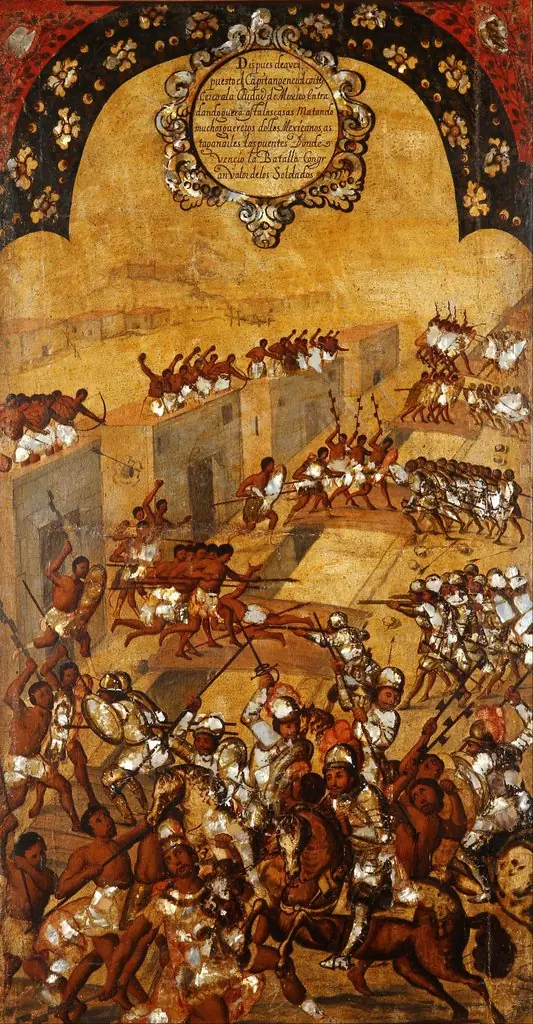
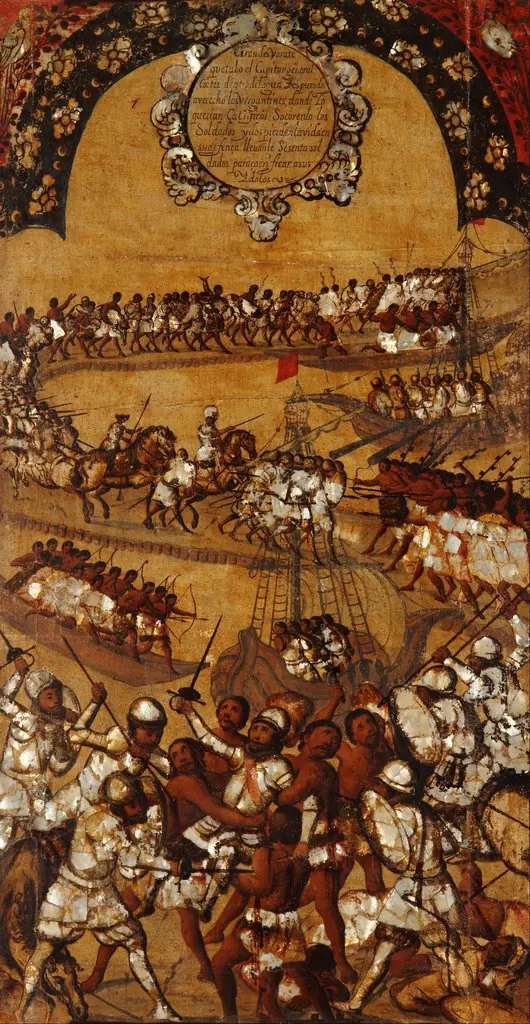
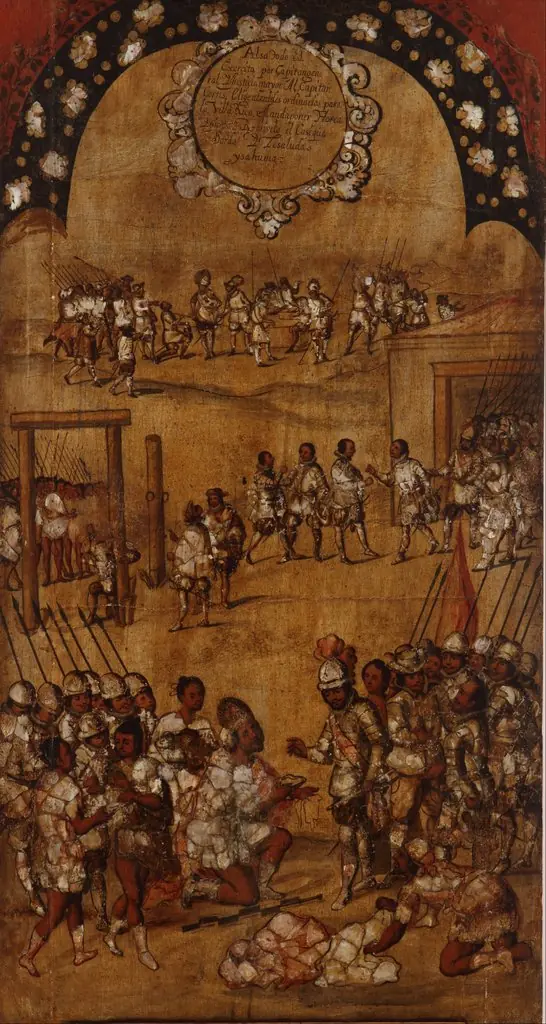
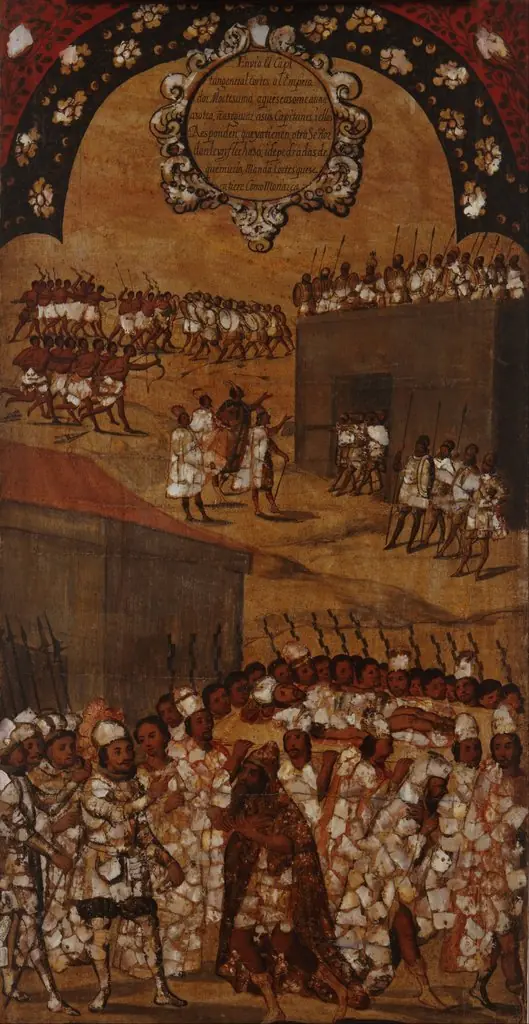
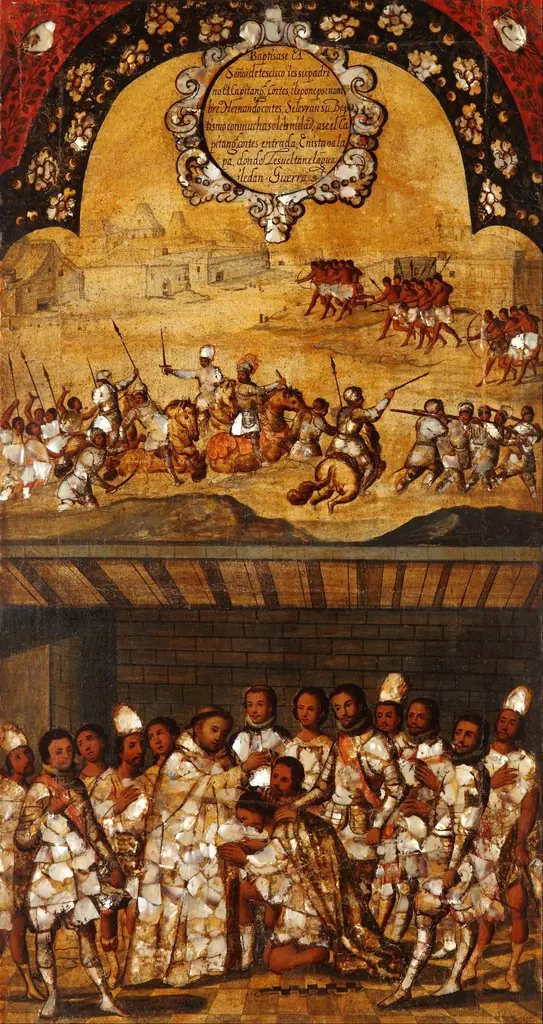
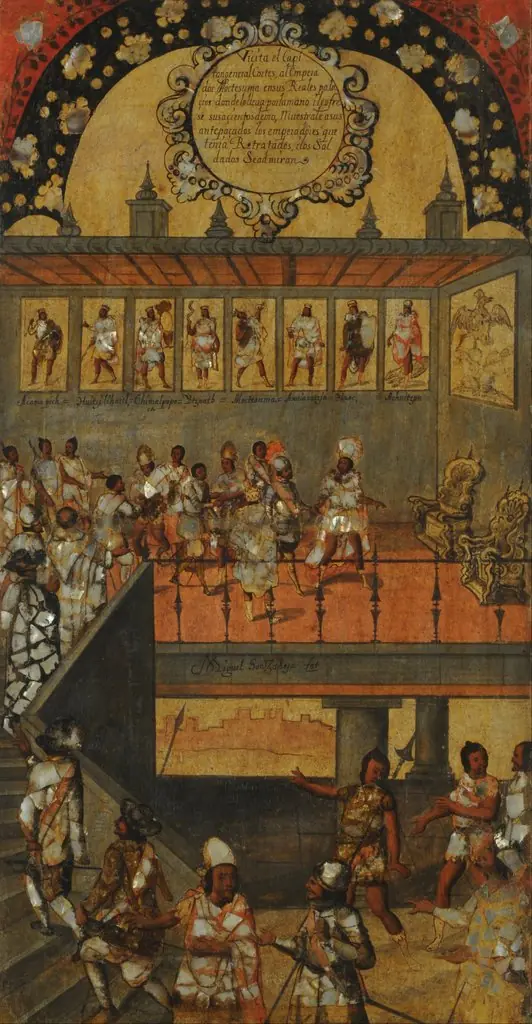
La Conquista de México. Tabla I is an unspecified painting by Miguel Gonzales. It dates from 1685 and is held in the collection of the National Museum of Fine Arts, Argentina. Painted around 1685 by Miguel González, La Conquista de México.
About this work
Overview
Tabla I is an oil on canvas work currently held by the National Museum of Fine Arts in Buenos Aires.
Painted around 1685 by Miguel González, La Conquista de México. Tabla I is an oil on canvas work currently held by the National Museum of Fine Arts in Buenos Aires. It presents a domestic scene of celebration, distinct from traditional narratives of conquest. The composition centers on a group of figures gathered around a laden table, with ships visible in the distance, suggesting a connection between land and sea, feast and arrival.
Subject & Meaning
The painting portrays a festive gathering, not a military event, despite its title. Figures in white garments interact around a table filled with food and drink, while a dog rests nearby, reinforcing a tone of intimacy. The ships in the background may reference the arrival of Europeans, yet the focus remains on communal life. The title’s irony invites reflection on how conquest is remembered versus how daily life unfolds in its aftermath.
Technique & Style
González employs chiaroscuro to model forms with soft contrasts, lending volume to figures and objects without harsh shadows. The brushwork is precise yet fluid, particularly in the rendering of textiles and tableware. The background ships are rendered with looser strokes, creating spatial depth. The palette is restrained, dominated by whites, creams, and muted earth tones, enhancing the scene’s quiet solemnity amid its festivity.
History & Provenance
The painting was created in New Spain during the late 17th century, likely for a private or ecclesiastical patron. It entered the collection of the National Museum of Fine Arts in Buenos Aires in the 20th century, though its earlier ownership history remains partially undocumented. Its survival reflects the enduring interest in colonial-era Mexican art, even as its subject diverges from conventional historical iconography.
Context
In the late 1600s, Mexican painters like González often blended European techniques with local themes, producing works for elite households. While official histories emphasized conquest and conversion, domestic scenes like this one reveal quieter aspects of colonial life. The inclusion of indigenous and European figures together, without clear hierarchy, suggests a complex social reality beneath the surface of colonial narratives.
Legacy
La Conquista de México. Tabla I stands as an example of how colonial artists reinterpreted grand historical themes through intimate, everyday moments. Its departure from heroic imagery has drawn scholarly attention to the role of domestic scenes in conveying cultural hybridity. Today, it contributes to broader reassessments of colonial art, emphasizing lived experience over mythologized events.
Artist & collection

Museum
National Museum of Fine Arts, Argentina
Continue through works from the same source collection.