Artwork
La Conquista de México. Tabla VIII
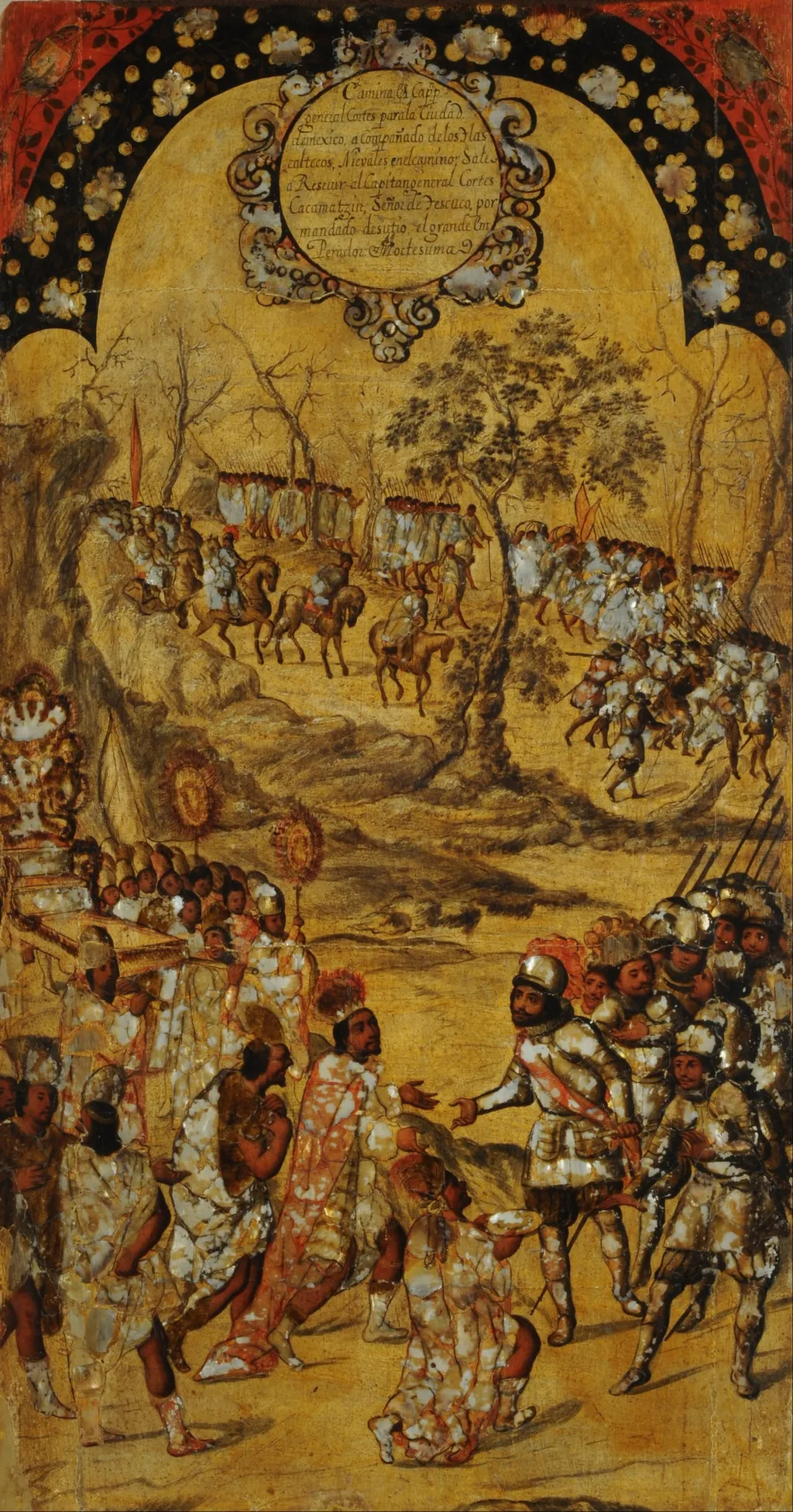
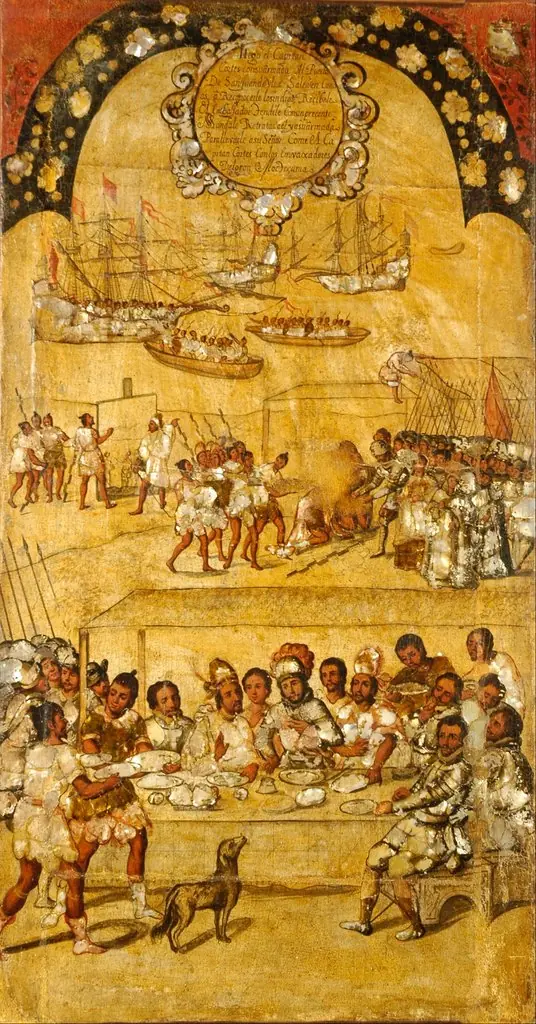
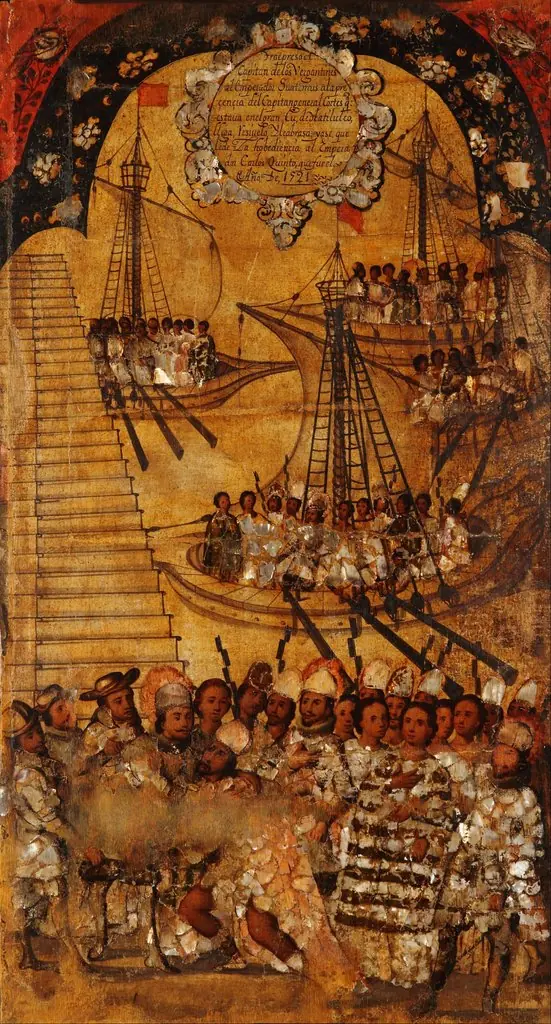
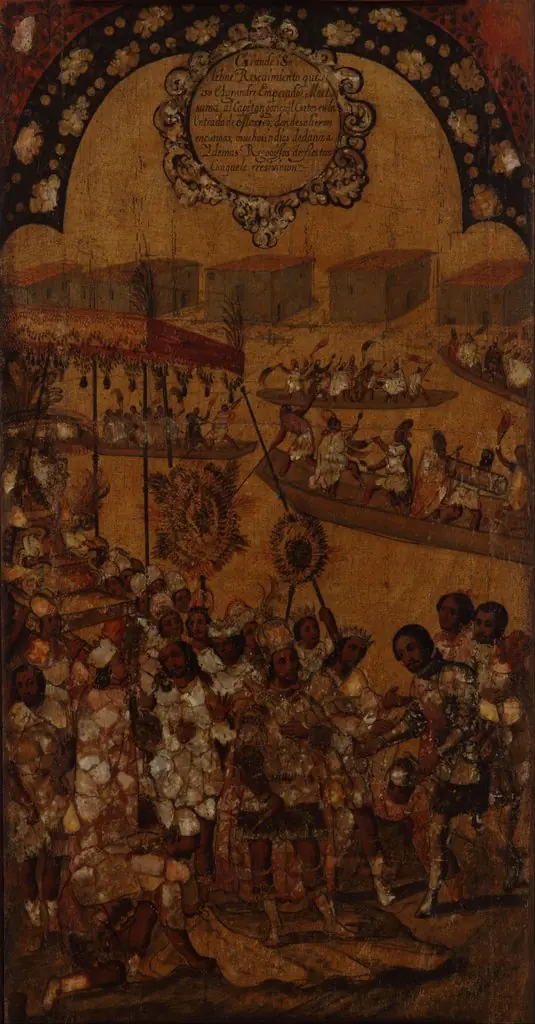
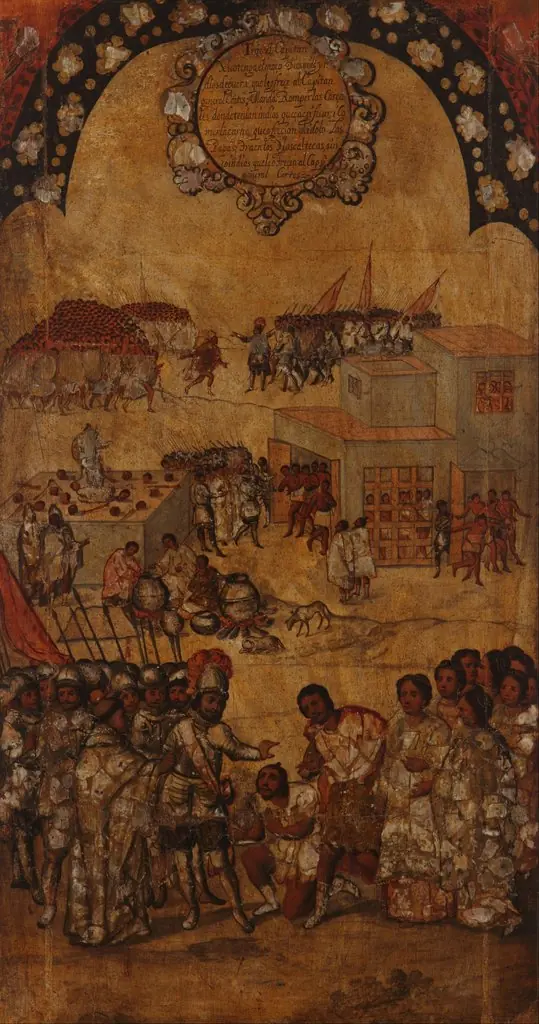
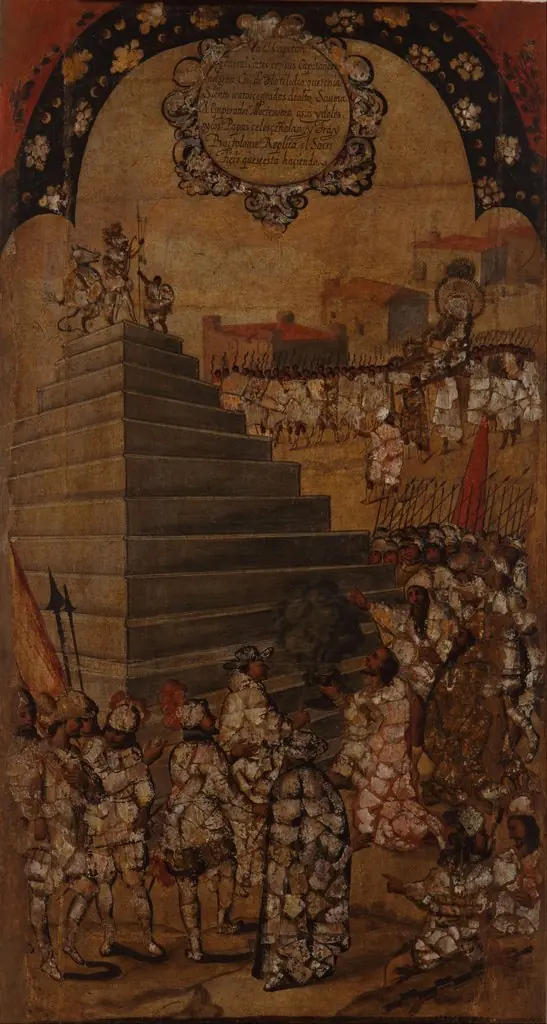
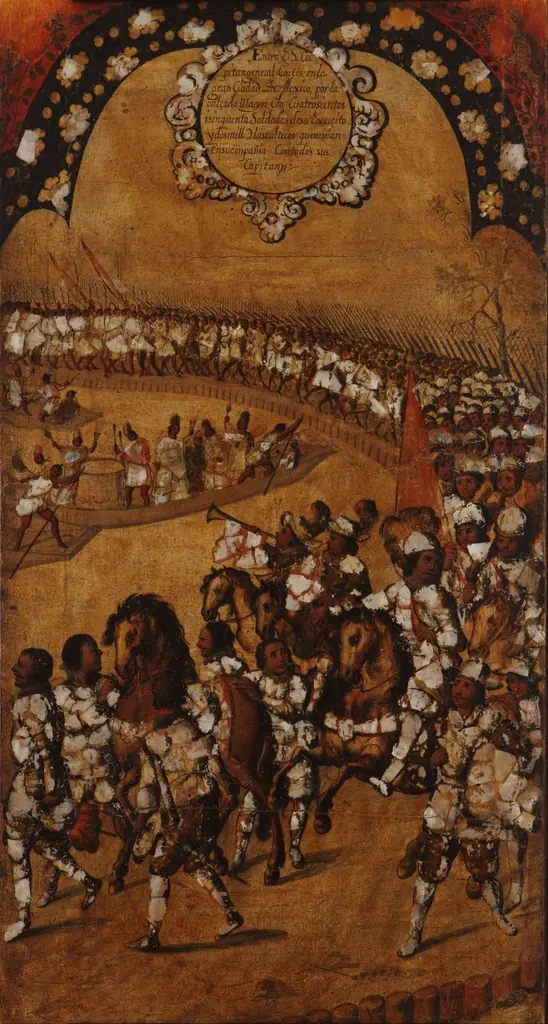
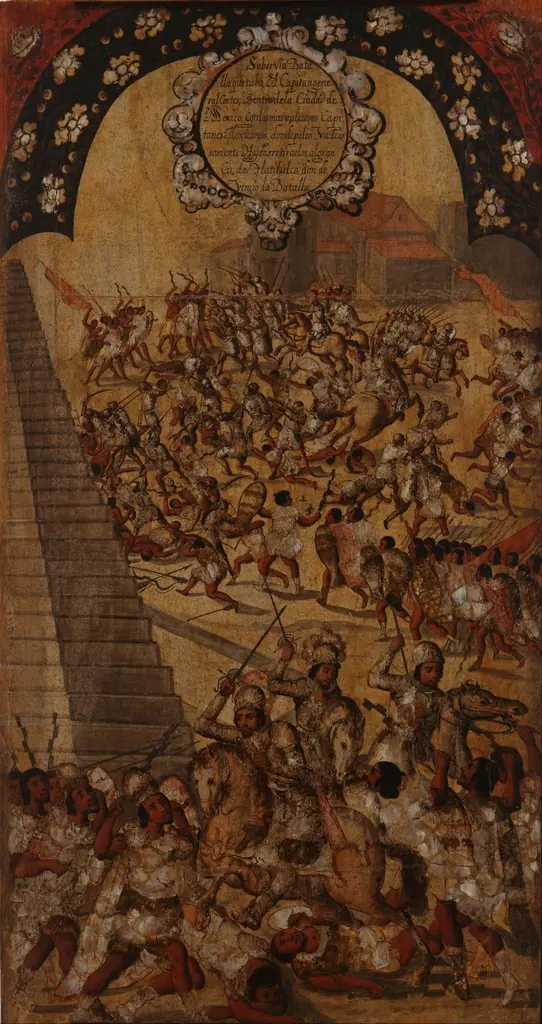
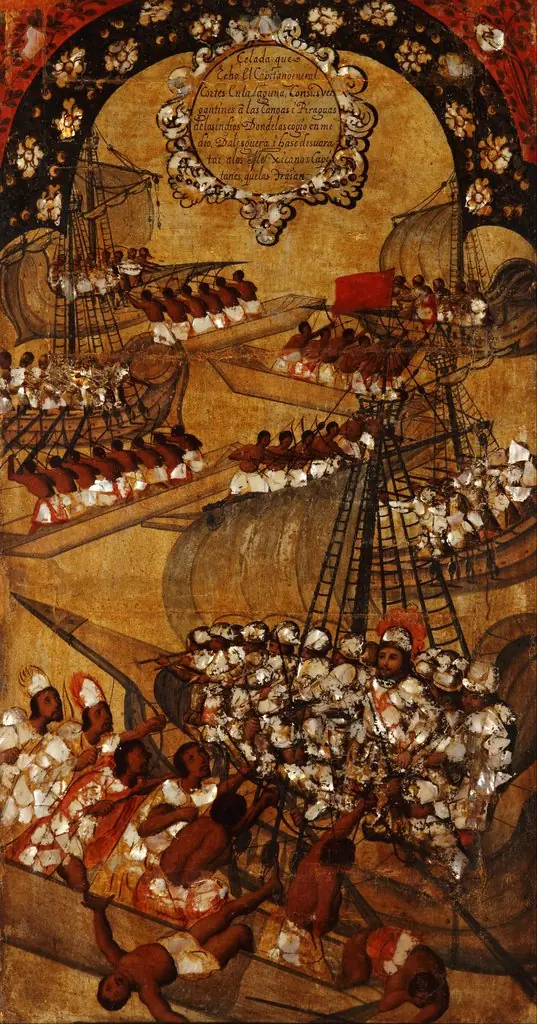
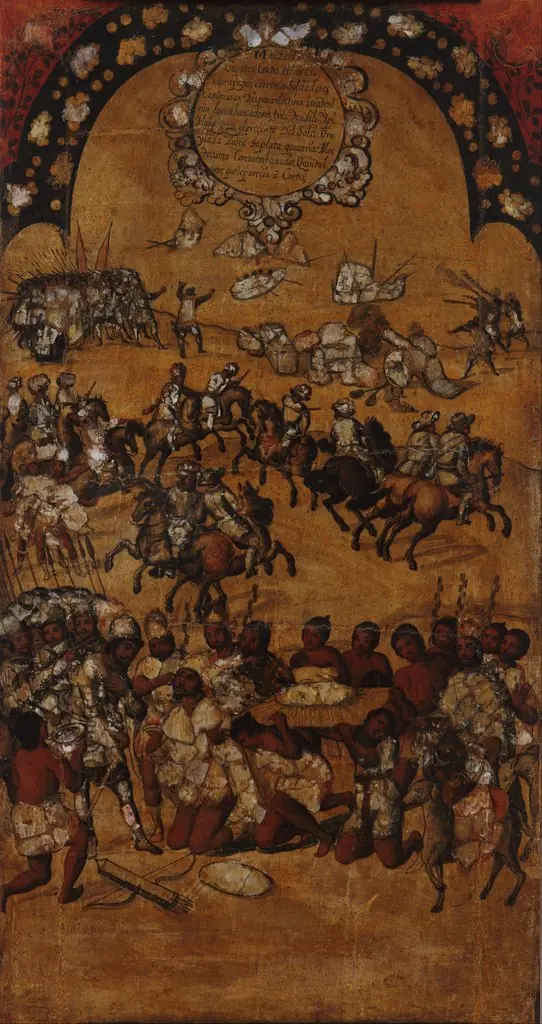
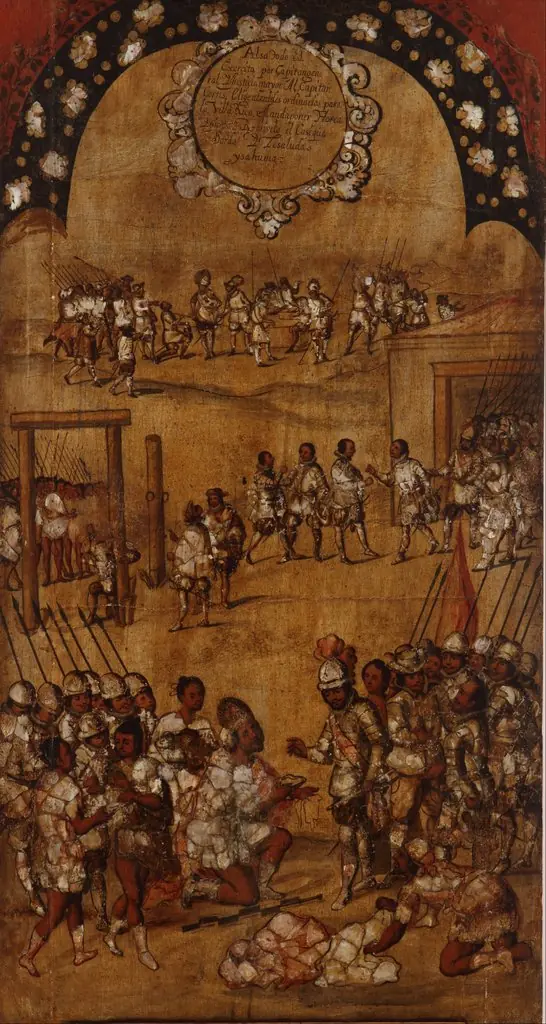
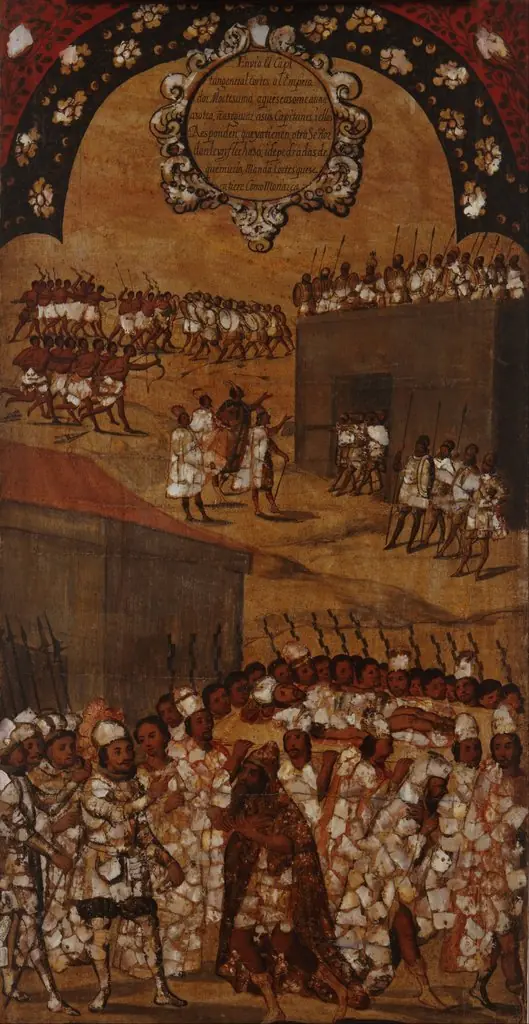
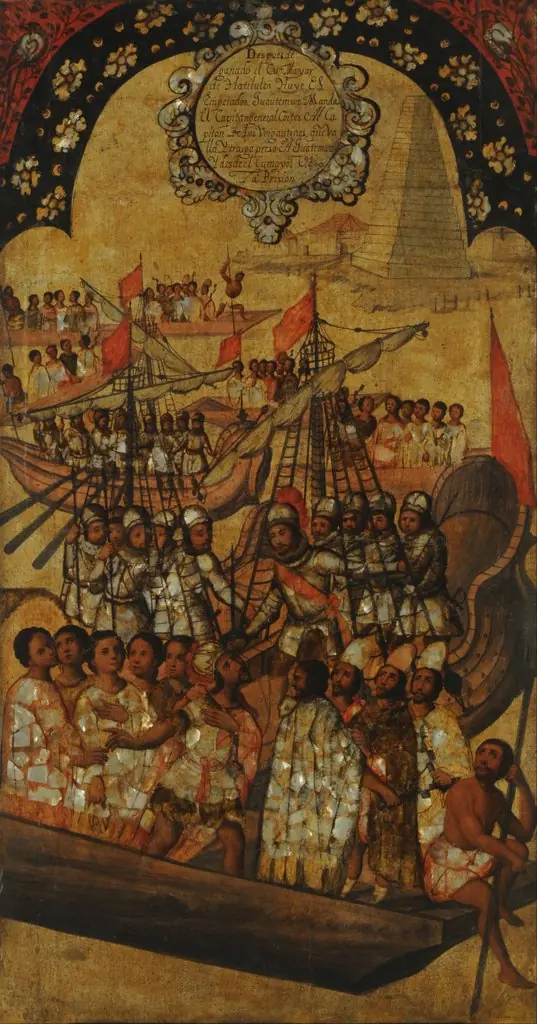
La Conquista de México. Tabla VIII is an unspecified painting by Miguel Gonzales. It dates from 1685 and is held in the collection of the National Museum of Fine Arts, Argentina. La Conquista de México, Tabla VIII, is one of a series of paintings attributed to Miguel González, dated around 1685.
About this work
Overview
Executed in oil on canvas, it forms part of a larger narrative cycle depicting the Spanish conquest of the Aztec Empire.
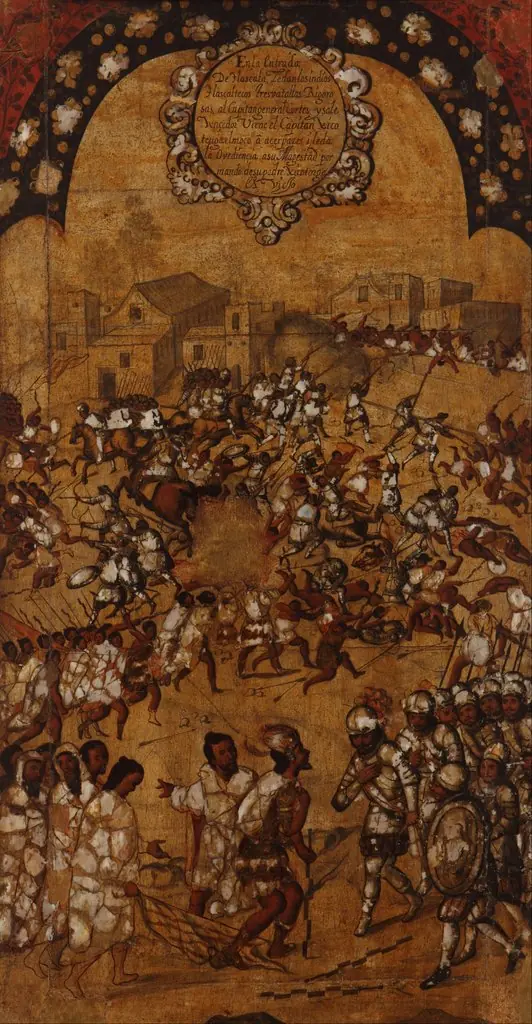
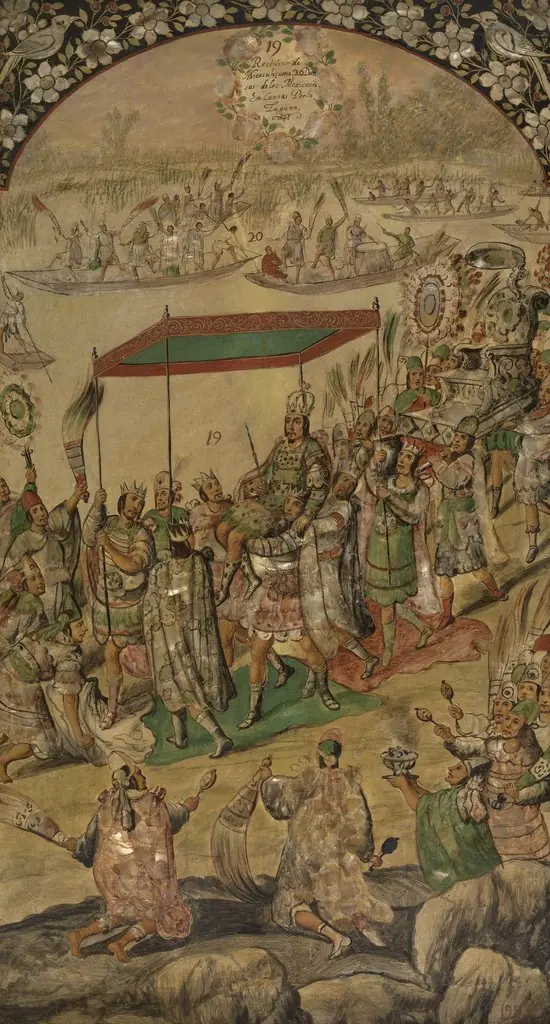
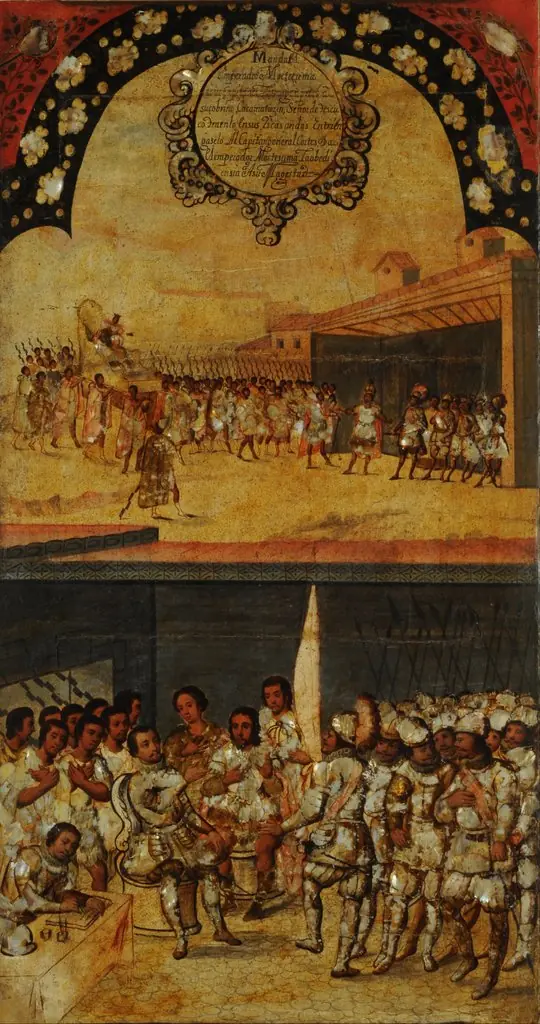
La Conquista de México, Tabla VIII, is one of a series of paintings attributed to Miguel González, dated around 1685. Executed in oil on canvas, it forms part of a larger narrative cycle depicting the Spanish conquest of the Aztec Empire. The work is currently held in the collection of the National Museum of Fine Arts in Buenos Aires, where it remains a rare example of 17th-century Mexican colonial art preserved outside Mexico.
Subject & Meaning
The painting illustrates a moment from the Spanish conquest, likely the fall of Tenochtitlán, rendered with symbolic rather than historical precision. Figures in white and gold represent Spanish conquistadors, while those in white and brown may signify indigenous allies or subdued populations. The composition emphasizes disorder and scale, suggesting the overwhelming force of colonization, though the exact events remain ambiguous, reflecting the allegorical intent common in colonial religious and historical imagery.
Technique & Style
González employs a meticulous, almost miniature-like detail, characteristic of Mexican colonial painting of the period. The palette is restrained, dominated by earth tones—ochres, browns, and muted golds—with limited contrast to suggest depth. Figures are arranged in layered planes, creating a sense of crowded movement. The central circular emblem, though illegible, likely once bore a religious or heraldic inscription, common in devotional or commemorative works of the era.
History & Provenance
The painting was likely produced in Mexico City during the late 17th century, a time when elite patrons commissioned multi-panel series to commemorate colonial events. Its journey to Buenos Aires is undocumented, but it may have entered the museum’s collection through 19th-century acquisitions of colonial art. Its survival as a single panel from a larger set is unusual, suggesting it was separated from its original context at some point in its history.
Context
This work belongs to a tradition of Mexican colonial art that blended European iconography with local craftsmanship. Such paintings often served both religious and political functions, reinforcing Spanish authority through visual narrative. Unlike later historical paintings, these works prioritized symbolic order over accuracy, reflecting the Church and Crown’s desire to legitimize conquest through imagery rather than documentation.
Legacy
Though not widely exhibited outside Latin America, La Conquista de México, Tabla VIII, remains significant as a surviving example of a once-common genre of colonial narrative painting. It contributes to scholarly understanding of how conquest was visually mediated in the Spanish Empire, offering insight into the aesthetics of power and the persistence of indigenous and European visual languages in colonial art.
Artist & collection

Museum
National Museum of Fine Arts, Argentina
Continue through works from the same source collection.