Artwork
La Conquista de México. Tabla XIII
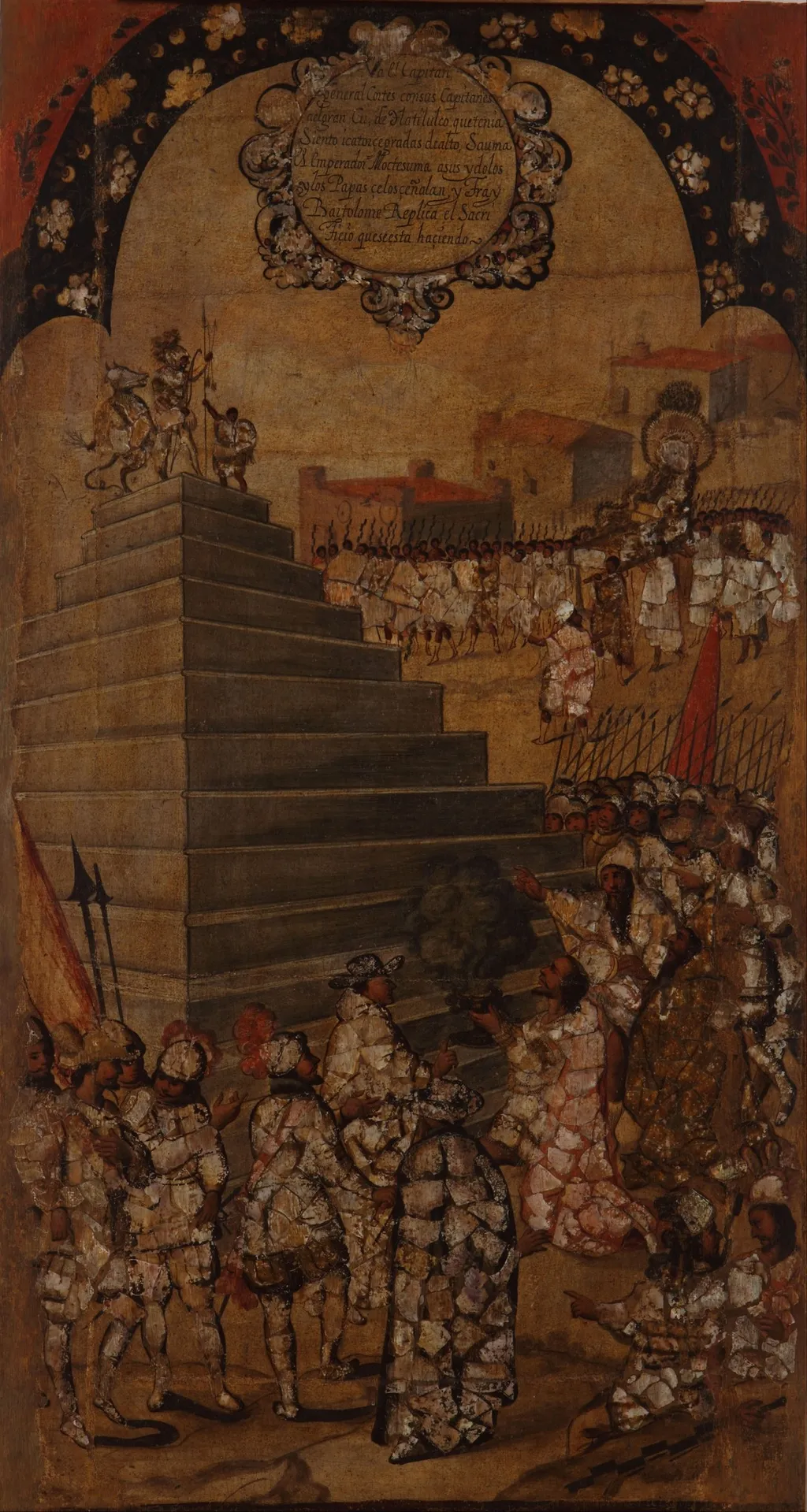
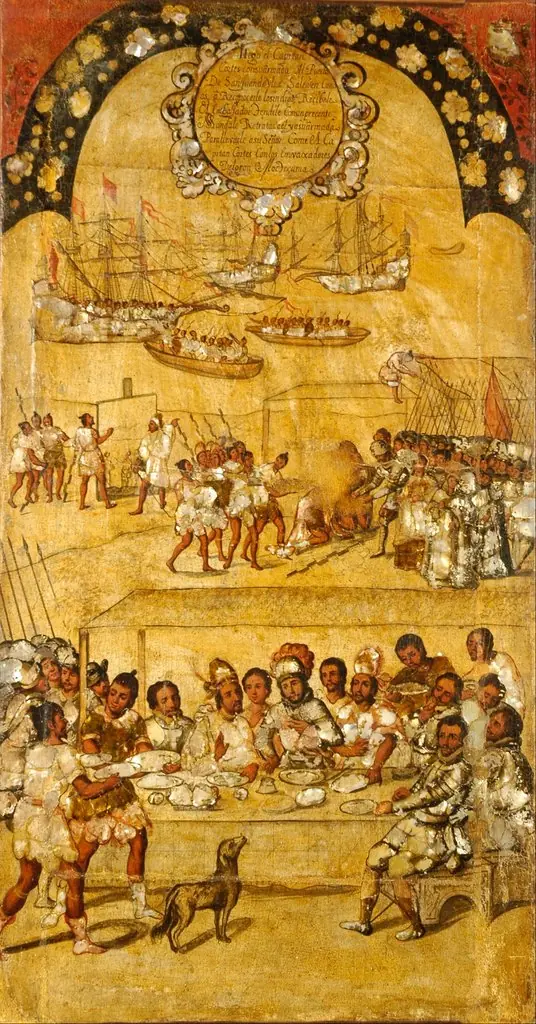
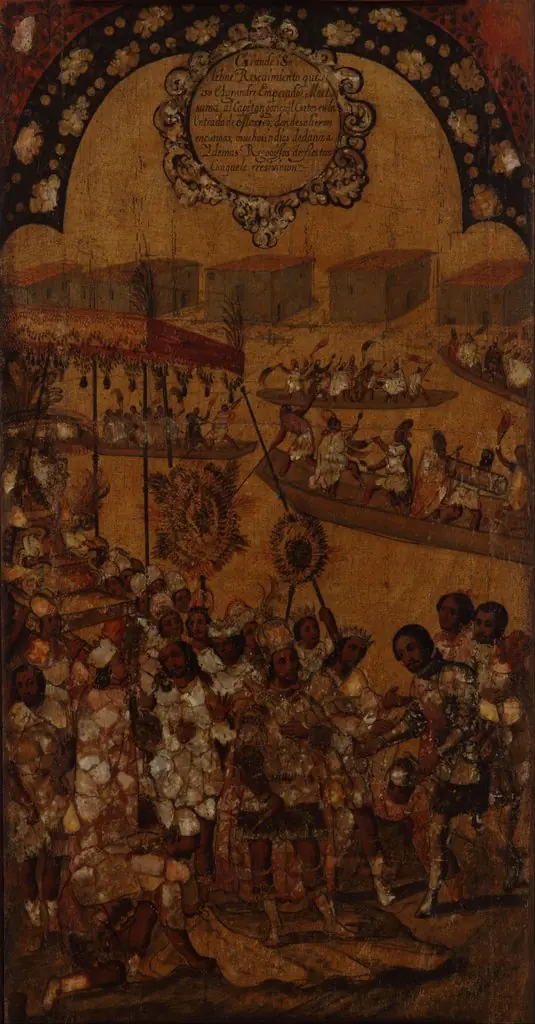
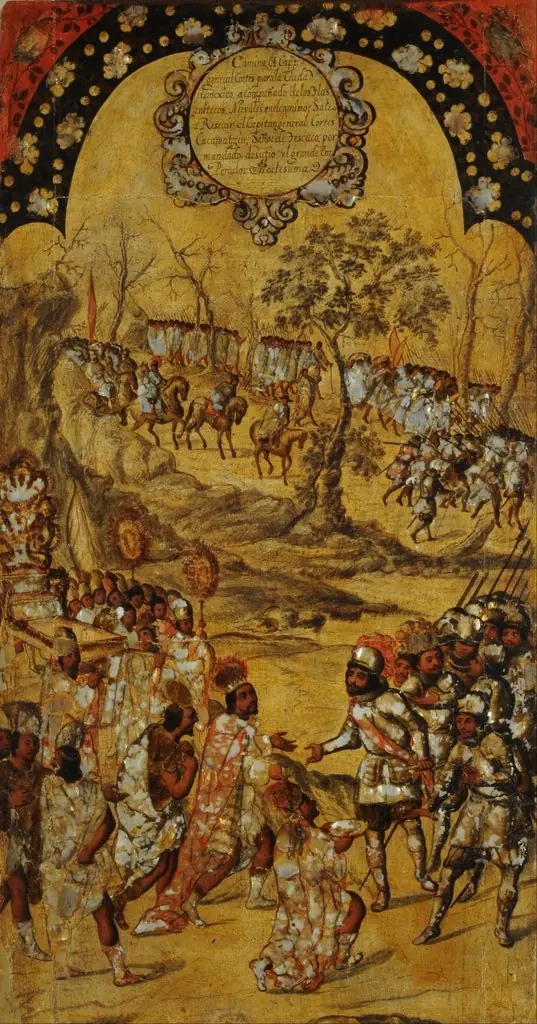
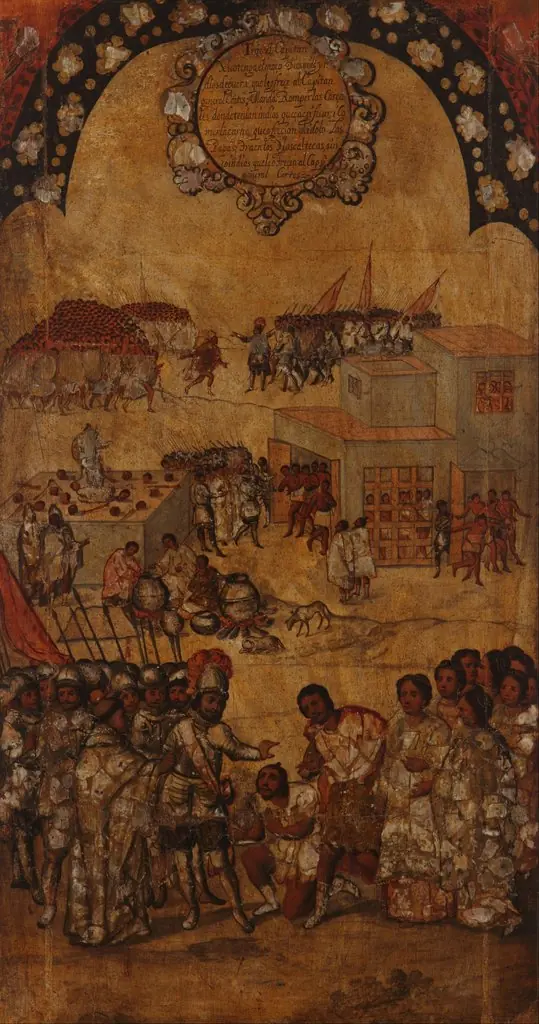
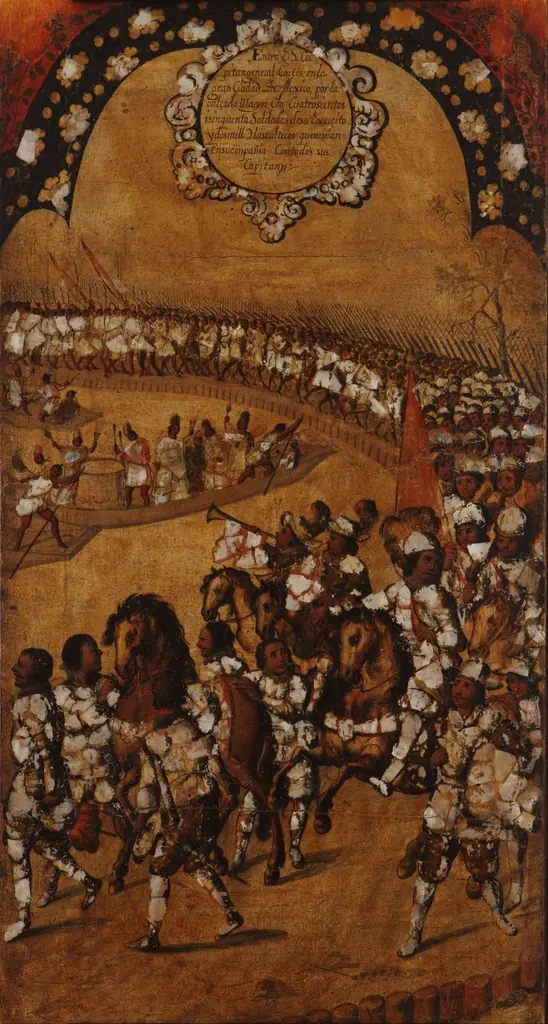
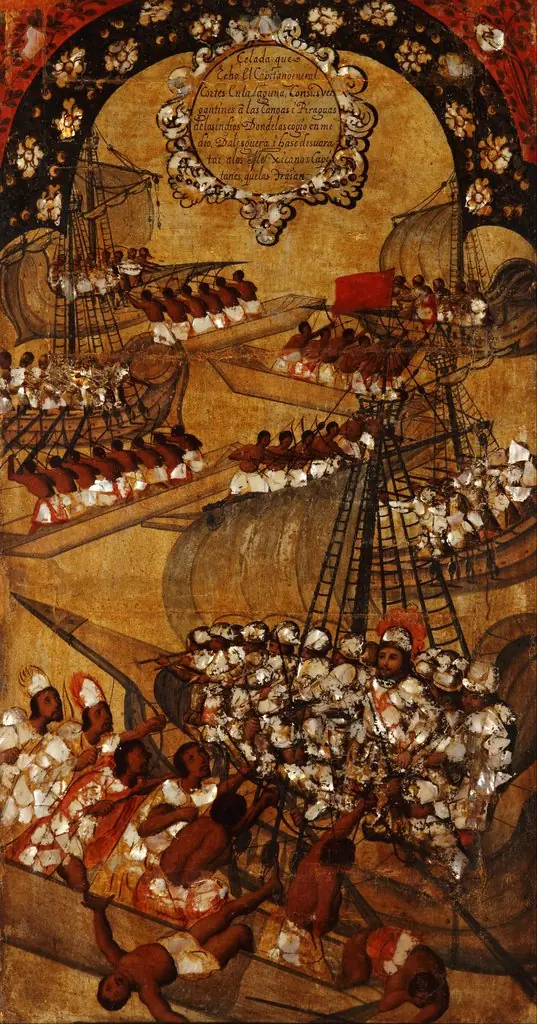
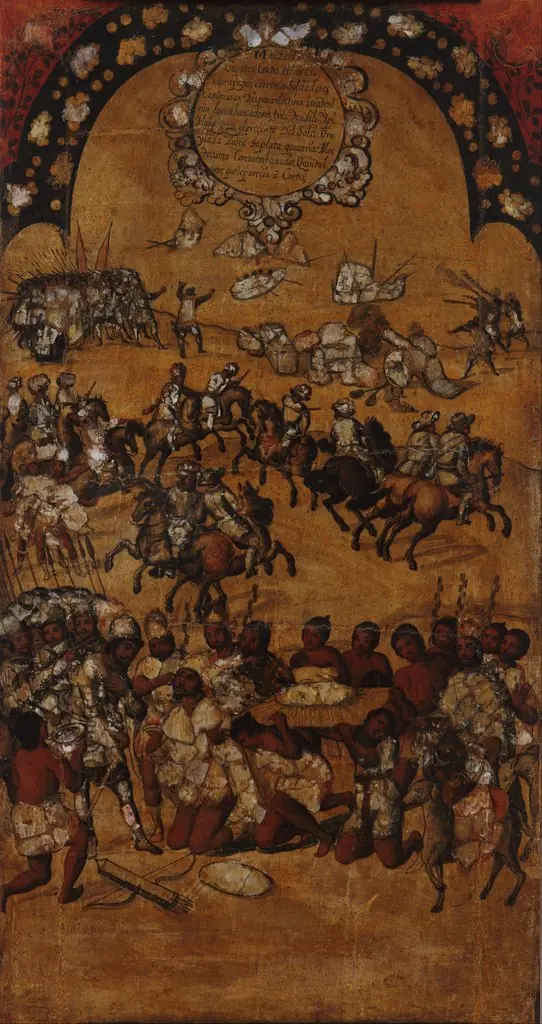
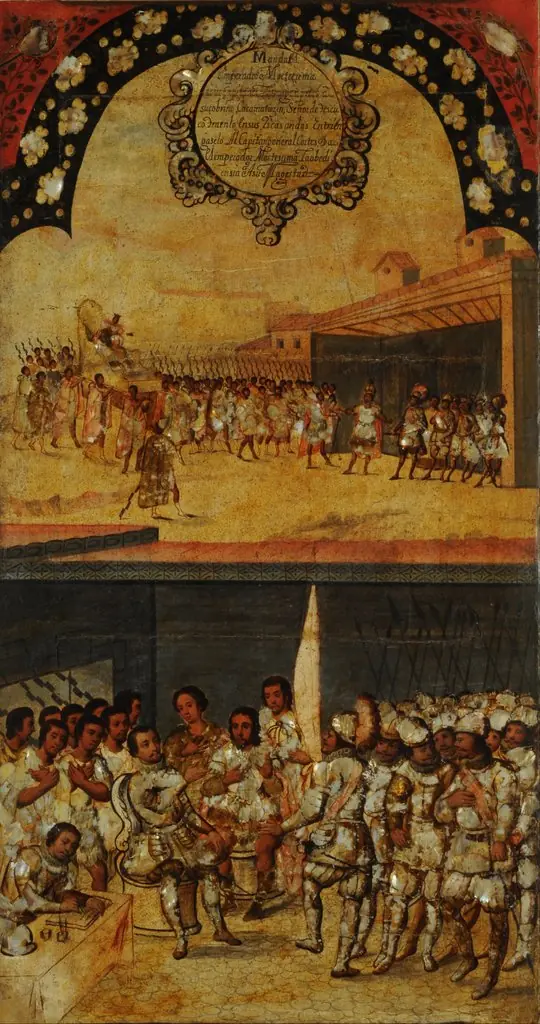
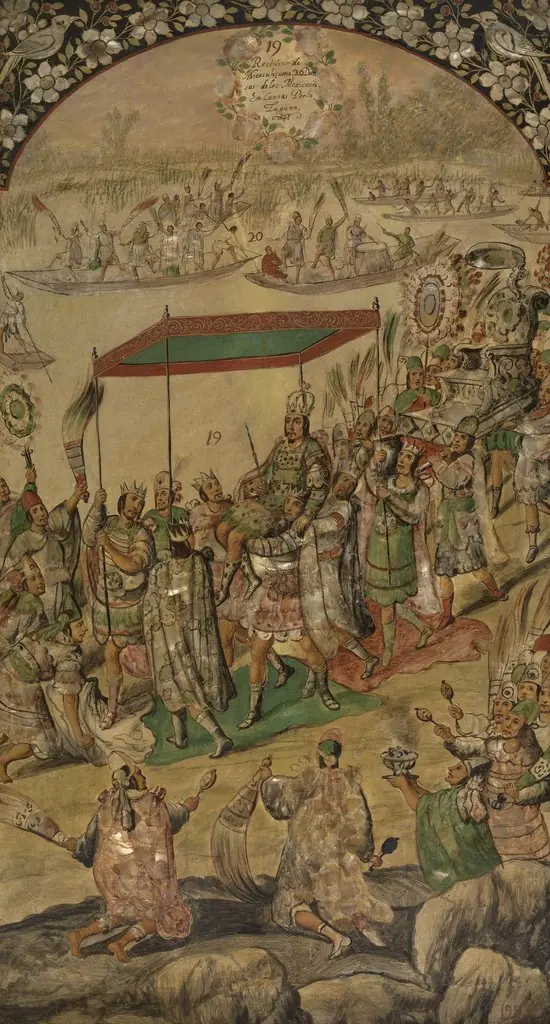
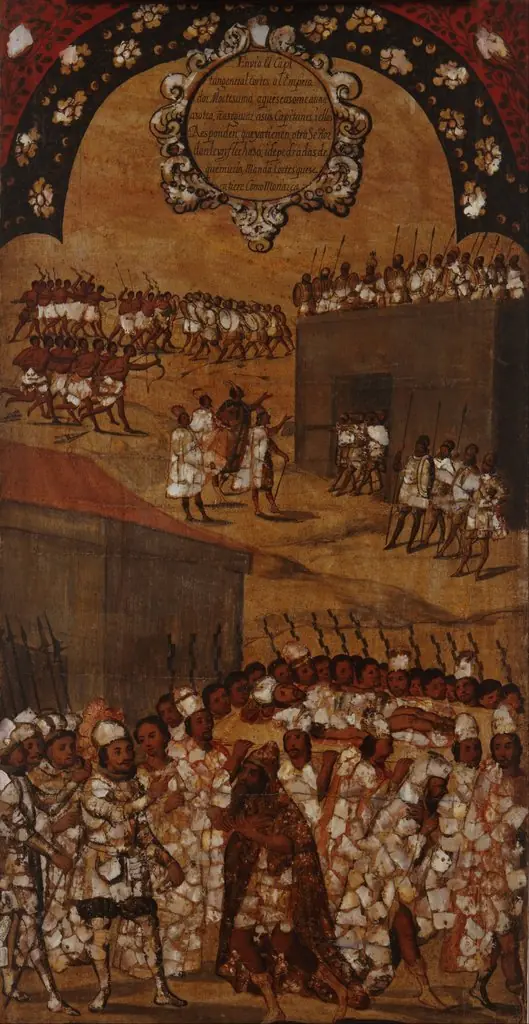
La Conquista de México. Tabla XIII is an unspecified painting by Miguel Gonzales. It dates from 1685 and is held in the collection of the National Museum of Fine Arts, Argentina. Painted around 1685 by Miguel González, this work is one of a series of oil-on-canvas panels depicting the Spanish conquest of Mexico.
About this work
Overview
It is part of a larger narrative cycle, now dispersed, that visually interpreted colonial history through religious and imperial symbolism.
Painted around 1685 by Miguel González, this work is one of a series of oil-on-canvas panels depicting the Spanish conquest of Mexico. It is part of a larger narrative cycle, now dispersed, that visually interpreted colonial history through religious and imperial symbolism. The painting resides in the National Museum of Fine Arts in Buenos Aires, where it remains a rare example of 17th-century Mexican colonial art preserved outside Mexico.
Subject & Meaning
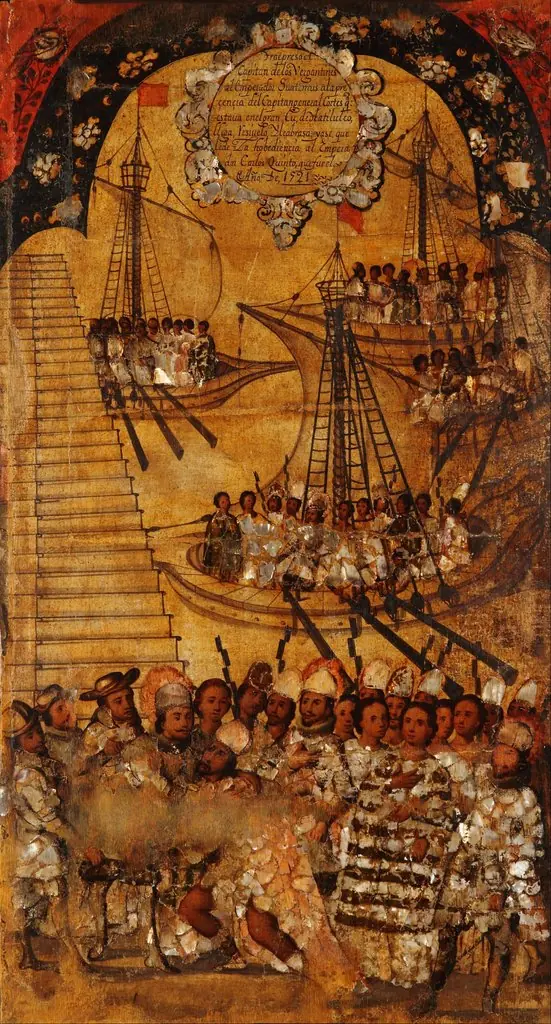
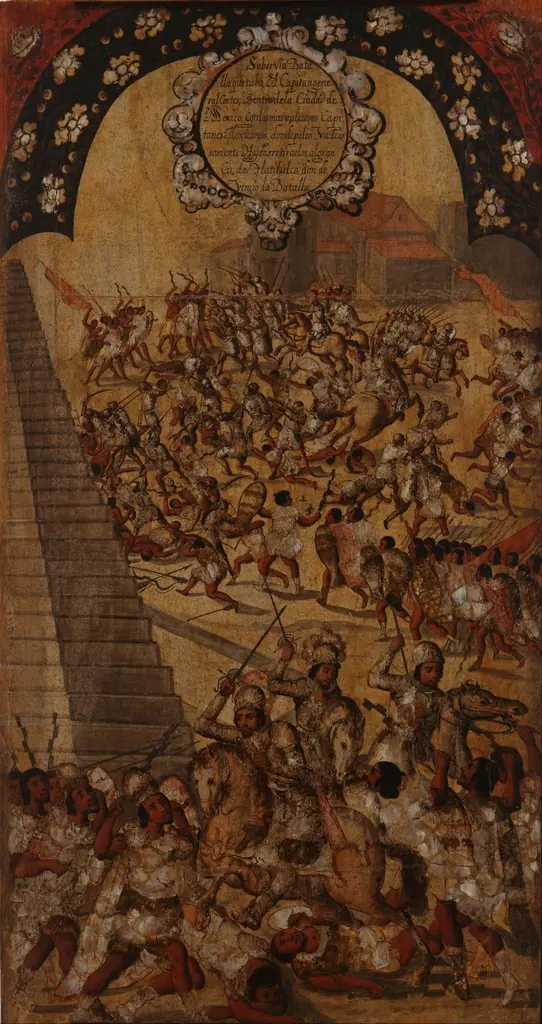
The scene centers on a monumental stone staircase, likely representing the Templo Mayor of Tenochtitlan, symbolizing the fall of the Aztec religious order. Figures on the left, dressed in white, may represent Spanish conquistadors and clergy; those on the right, in mixed hues, could indicate indigenous converts or allied groups. The ceremonial gathering suggests a moment of transition—indigenous submission and Christian conversion—framed as divine triumph rather than violence.
Technique & Style
González employed a flattened perspective typical of colonial Mexican painting, with figures arranged in orderly rows to emphasize hierarchy. Rich pigments, especially in the whites and earth tones, create contrast against the distant cityscape. The decorative frame above the staircase, though illegible, follows European heraldic conventions, reinforcing the imperial narrative. Brushwork is precise but not naturalistic, prioritizing symbolic clarity over realism.
History & Provenance
The painting was likely produced in Mexico City during the height of the Mexican Baroque, commissioned for a religious or colonial administrative setting. It entered the collection of the National Museum of Fine Arts in Buenos Aires in the early 20th century, possibly through a private donation or state acquisition. Its survival as part of a complete series is uncommon, as many such panels were lost or destroyed over time.
Context
Created nearly two centuries after the actual conquest, the painting reflects the colonial church’s effort to solidify a sanctioned version of history. It aligns with the broader trend of using visual art to legitimize Spanish rule and promote Catholic orthodoxy among indigenous populations. Similar series were produced for churches and monasteries, serving both devotional and political functions in New Spain.
Legacy
Though not widely exhibited outside Latin America, this work contributes to scholarly understanding of how colonial power was visually encoded in art. It stands as a document of cultural negotiation, revealing how indigenous and European elements were synthesized under imperial authority. Today, it is studied for its role in shaping historical memory rather than for aesthetic innovation.
Artist & collection

Museum
National Museum of Fine Arts, Argentina
Continue through works from the same source collection.