Artwork
Visita del cura y el barbero a don Quijote
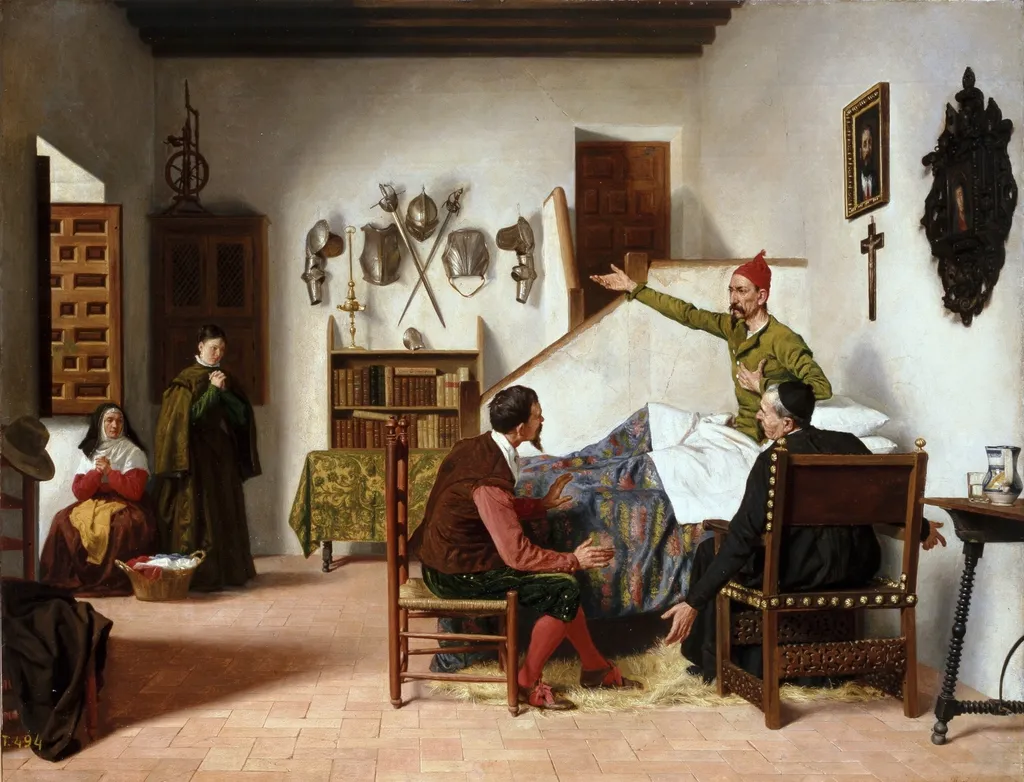
Visita del cura y el barbero a don Quijote is an oil painting by the Post-Impressionist artist Miguel Jadraque y Sánchez. It dates from 1890 and is held in the collection of the Museo del Prado.
About this work
Overview
Miguel Jadraque y Sánchez’s oil on canvas, dated 1890, portrays a domestic interior that resembles a historic sick‑bed scene. The work is part of the collection at the Museo del Prado, where it is displayed among other 19th‑century Spanish paintings.
Subject & Meaning
At the centre lies a bedridden figure clutching a vividly patterned cloth, attended by several figures in period dress. A man in a bright red hat gestures toward an unseen point, suggesting a moment of urgent attention or diagnosis, while the surrounding onlookers observe with solemn interest.
Technique & Style
Jadraque employs a restrained palette for the surroundings, allowing the illuminated faces and the scarlet hat to dominate the composition. The handling of light creates a chiaroscuro effect that highlights the textures of the cloth and the gleam of metal armor on the wall, emphasizing the scene’s dramatic tension.
History & Provenance
Executed in 1890, the painting entered the Prado’s holdings through acquisition in the early 20th century, reflecting the museum’s effort to broaden its representation of late‑nineteenth‑century Spanish genre works.
Context
The work reflects a broader 19th‑century interest in genre scenes that depict everyday life with narrative detail. Its interior setting, complete with bookshelves, a jug, and religious symbols, situates the viewer within a domestic space that evokes both historical and moral undertones.
Artist & collection
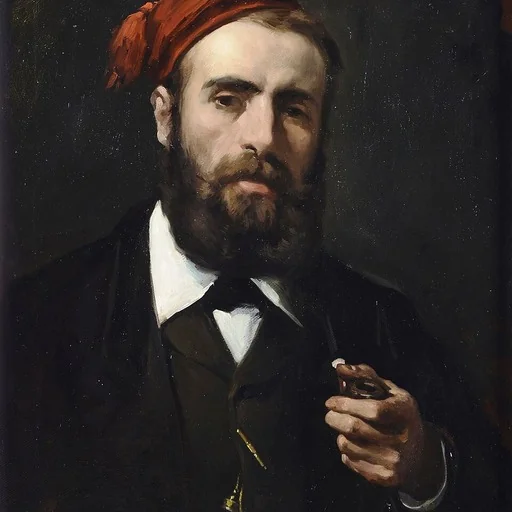
Artist
Miguel Jadraque y Sánchez (1840–1919) was an artist, born in Valladolid.

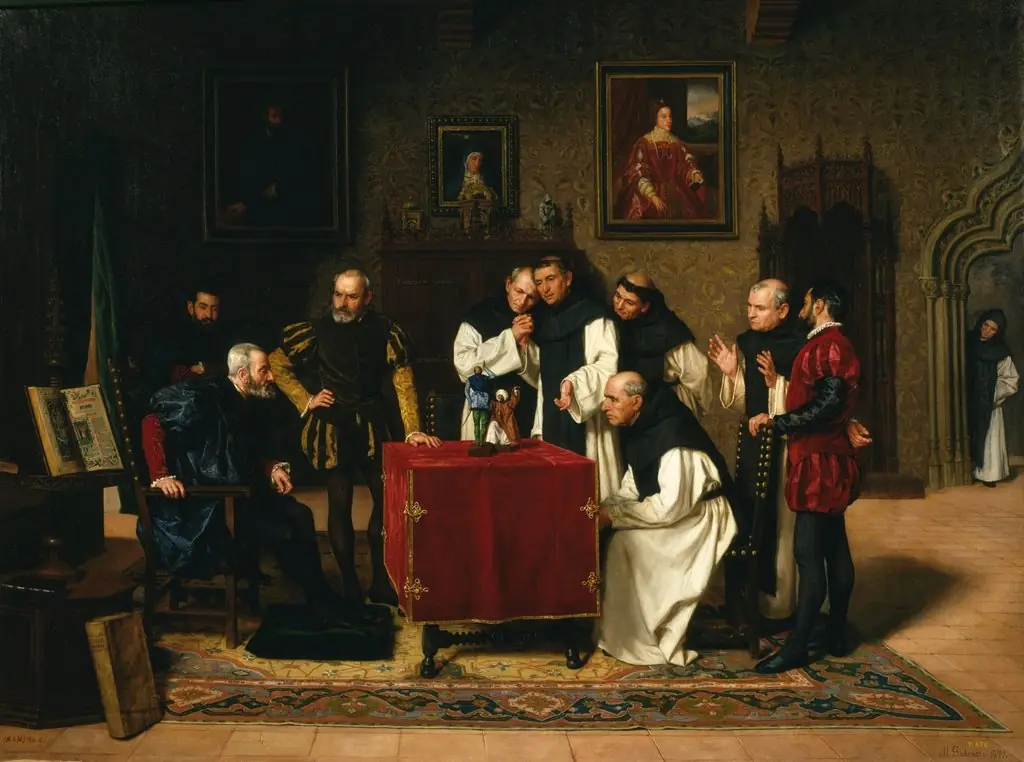
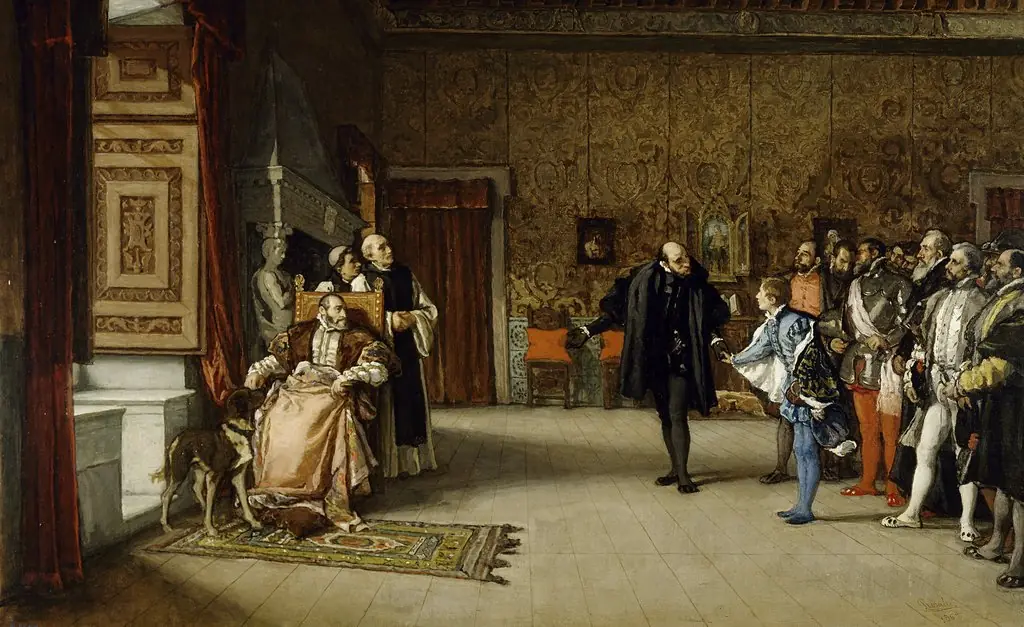 Juan de Austria's presentation to Emperor Carlos V in Yuste
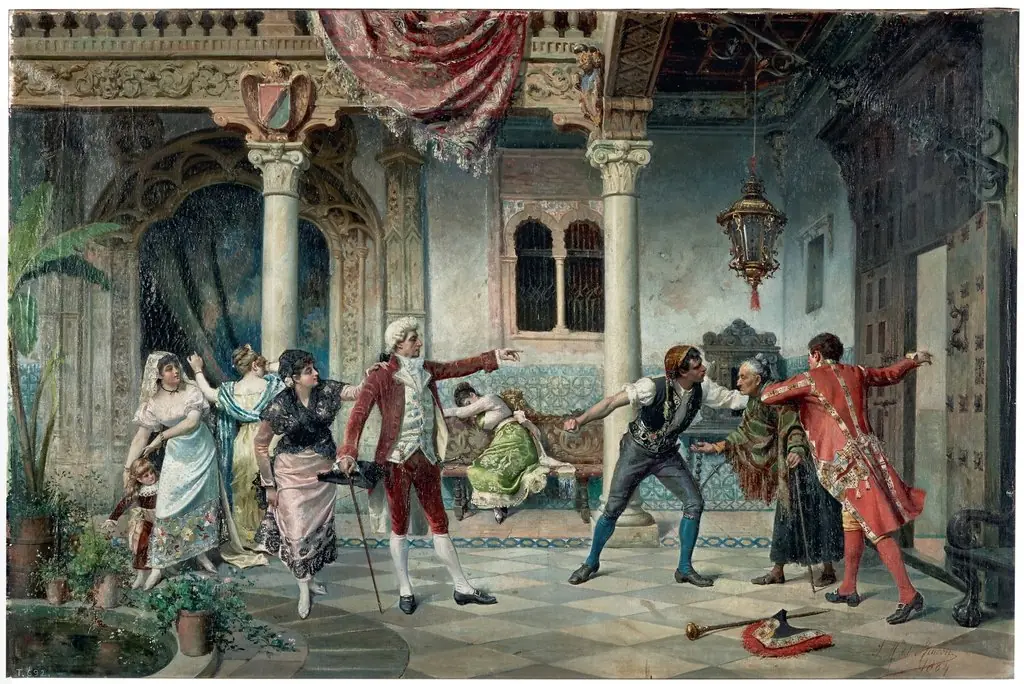 ¡Pobre bruja!
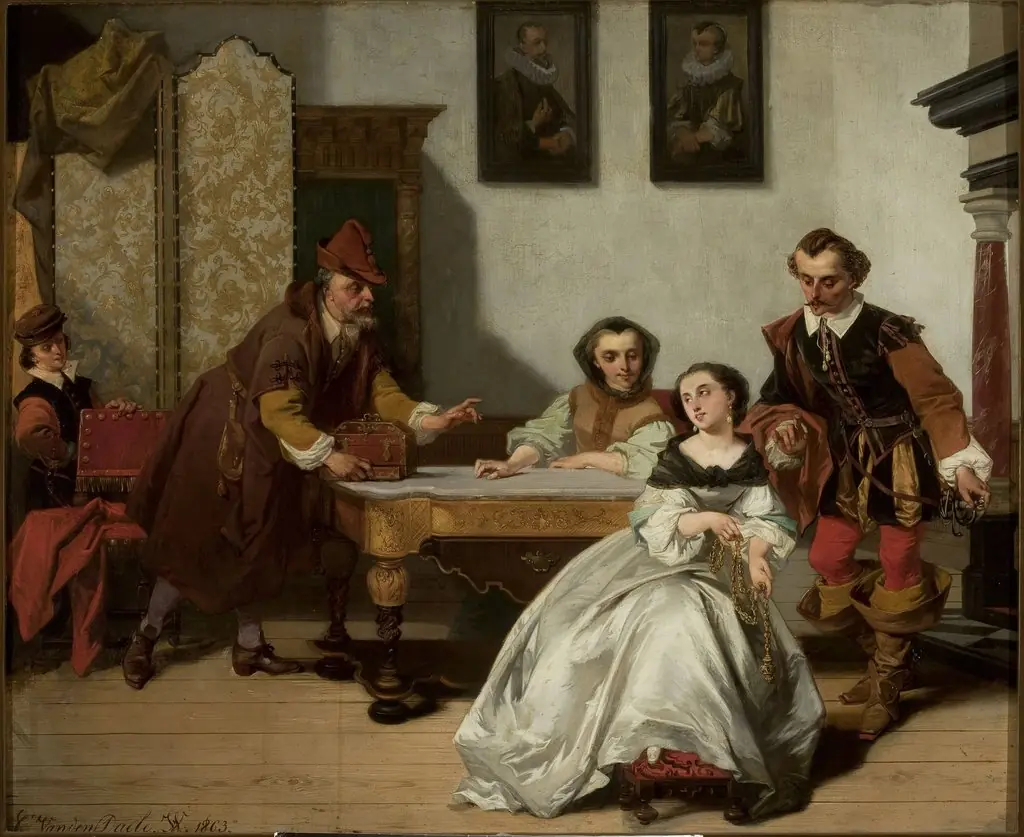 Sale of jewels
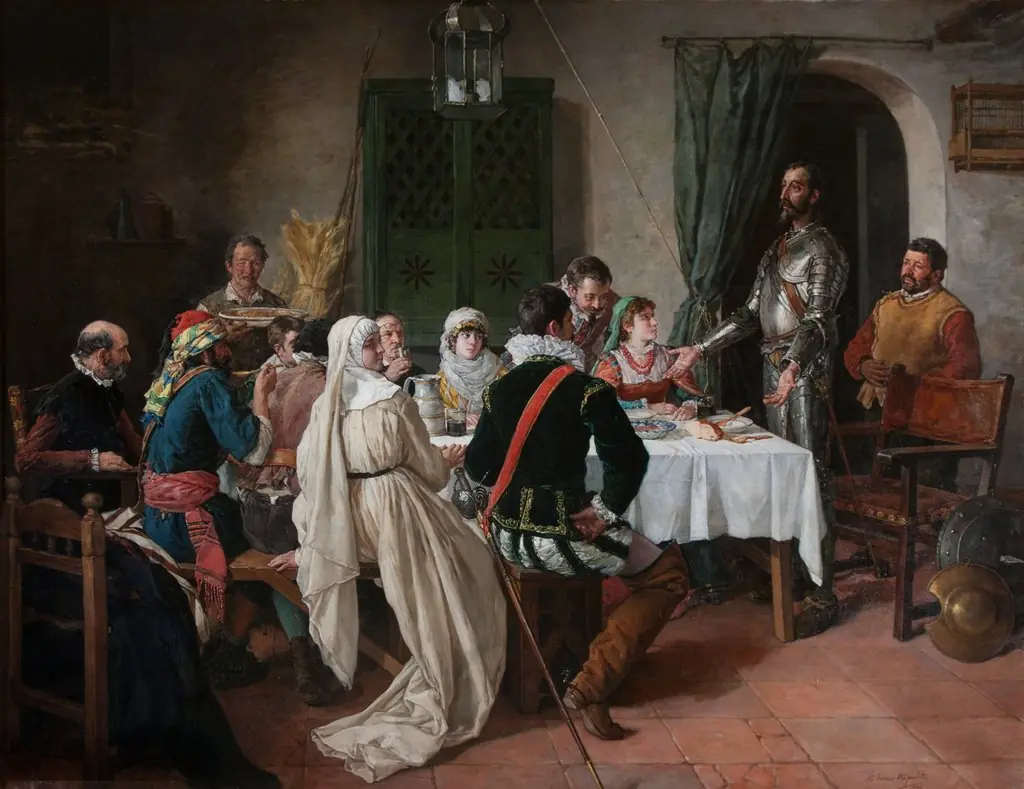 Don Quixote's Speech of Arms and Letters
 The chess players
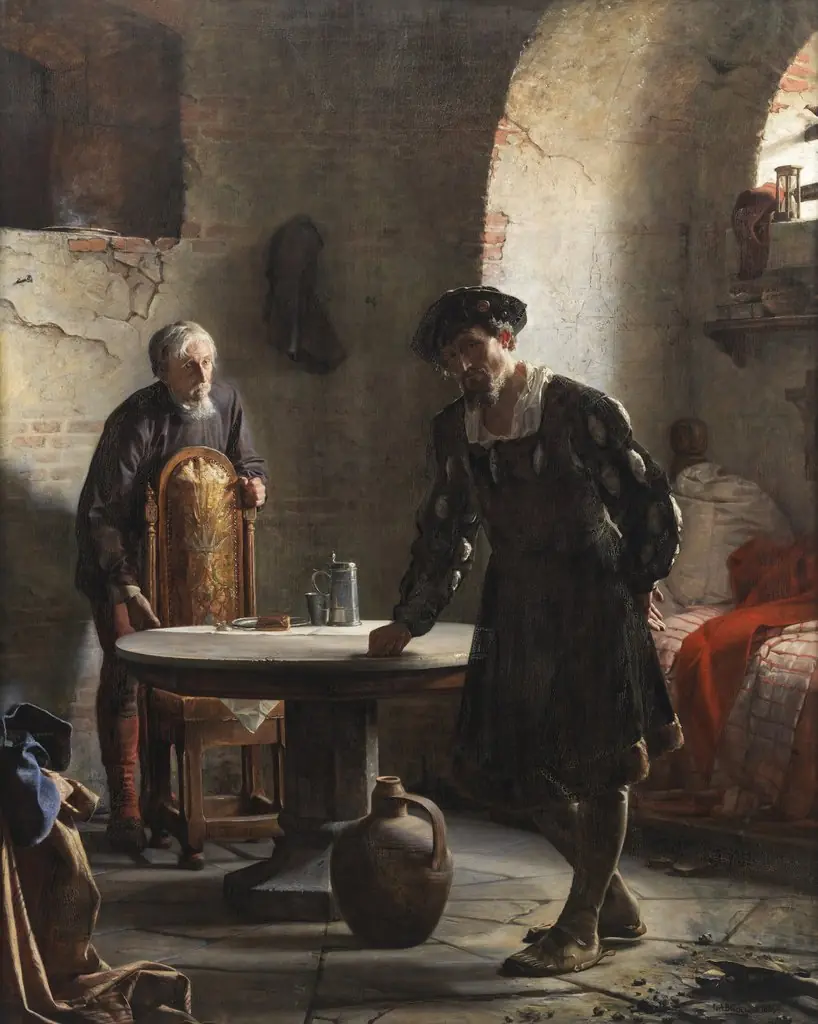 Christian II i fængslet på Sønderborg Slot
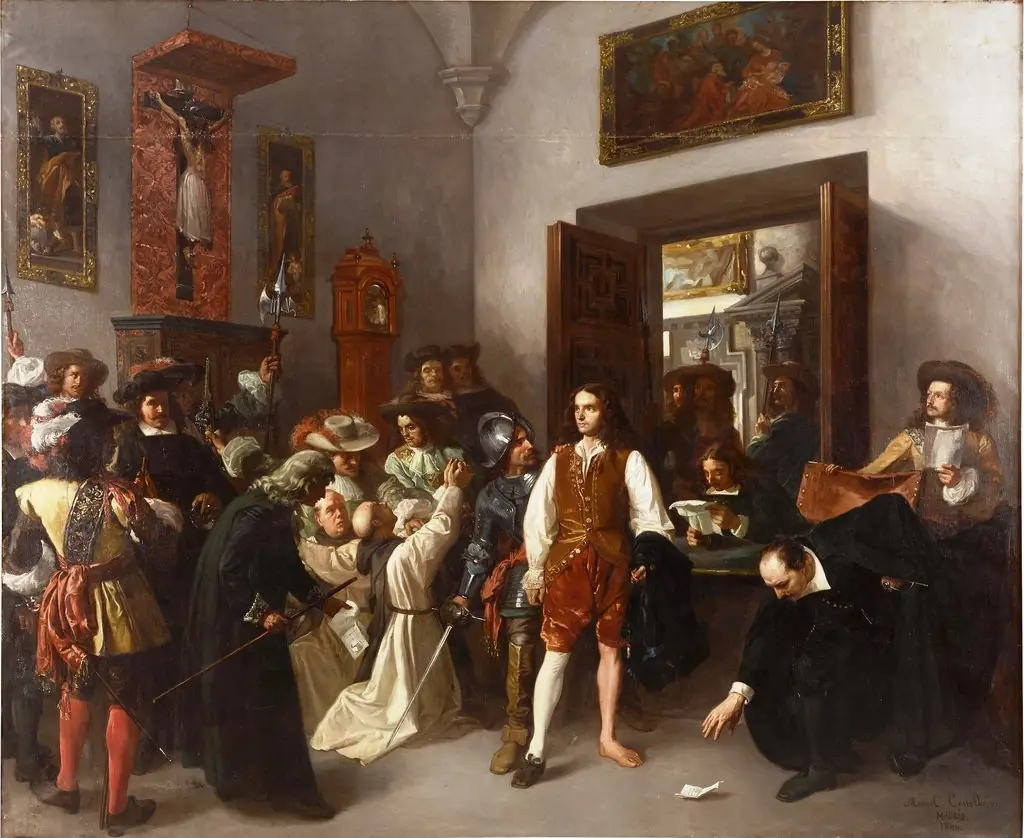 Prisión de don Fernando de Valenzuela
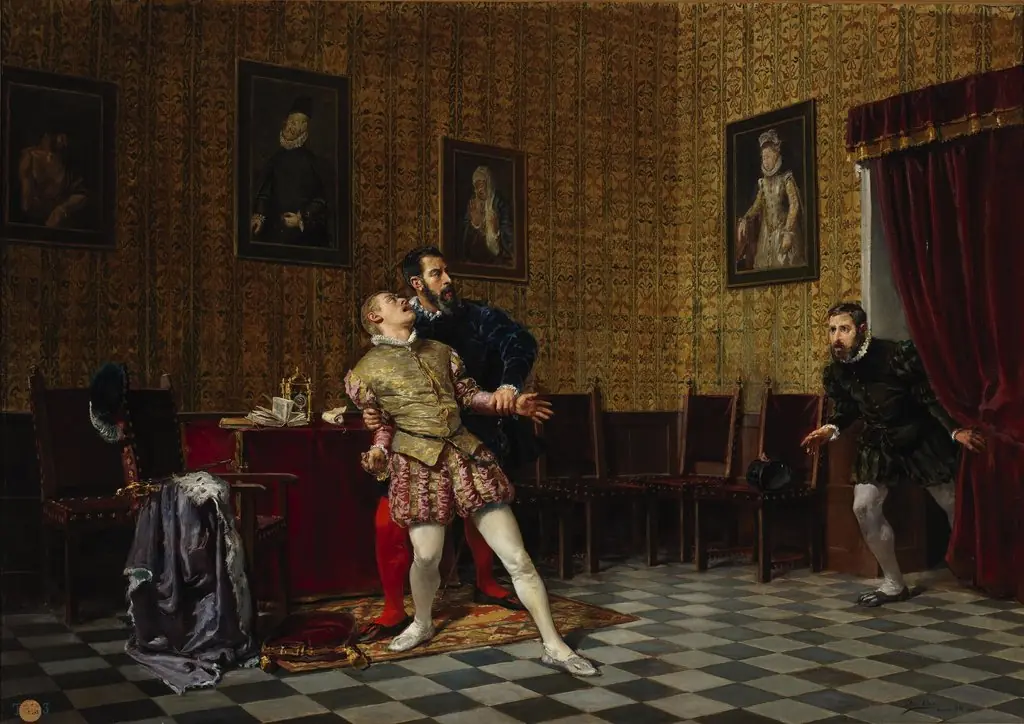 Prince Don Carlos and the Duke of Alba
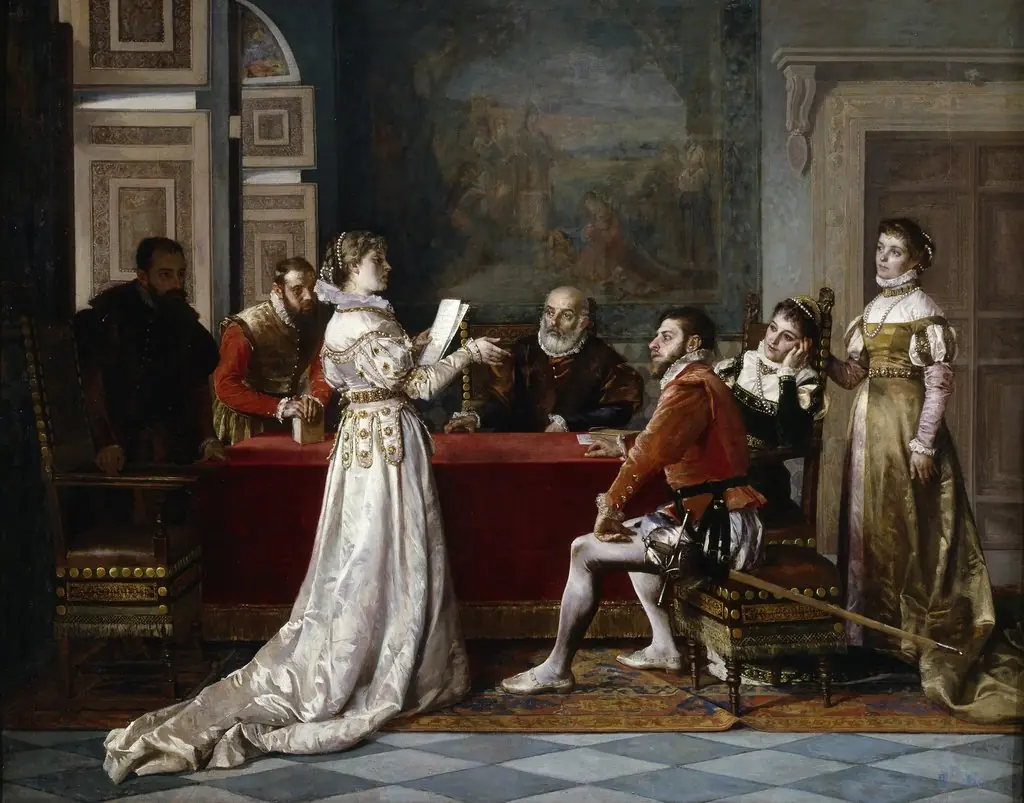 La poetisa
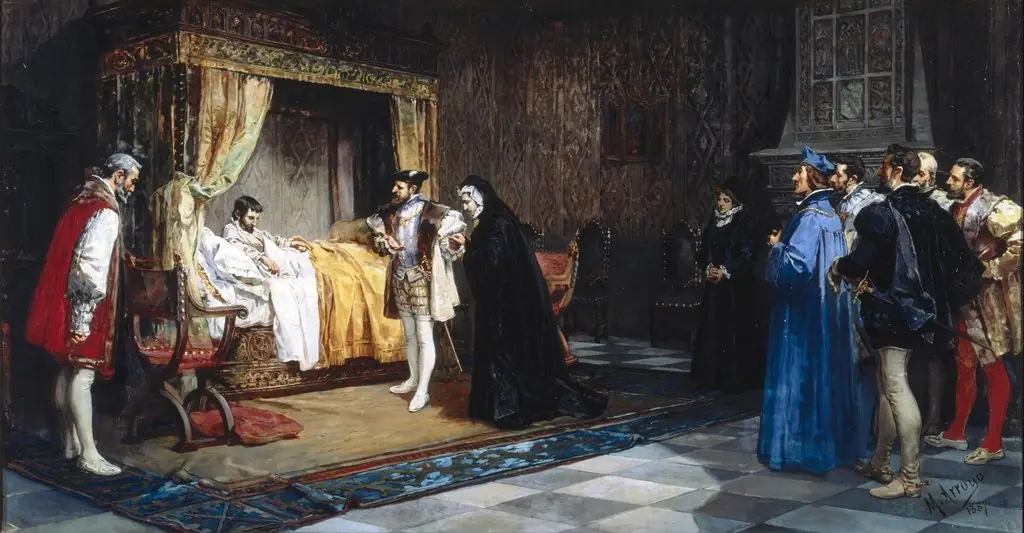 La duquesa de Alençon presentada a su hermano el rey de Francia Francisco I por el emperador Carlos V
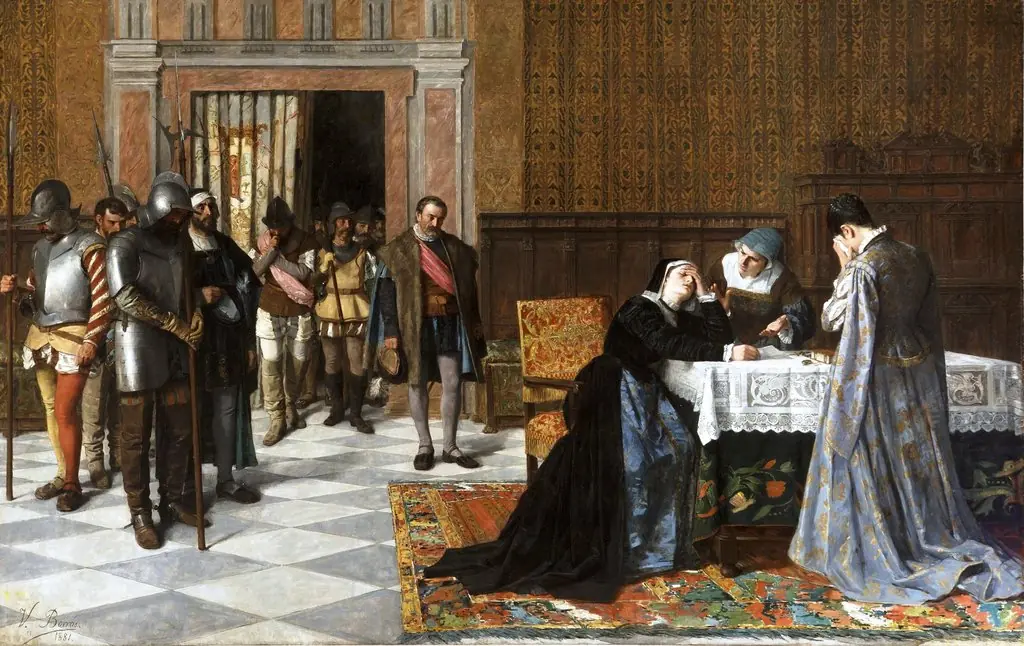 Doña María Pacheco de Padilla después de Villalar