Artwork
Sale of jewels
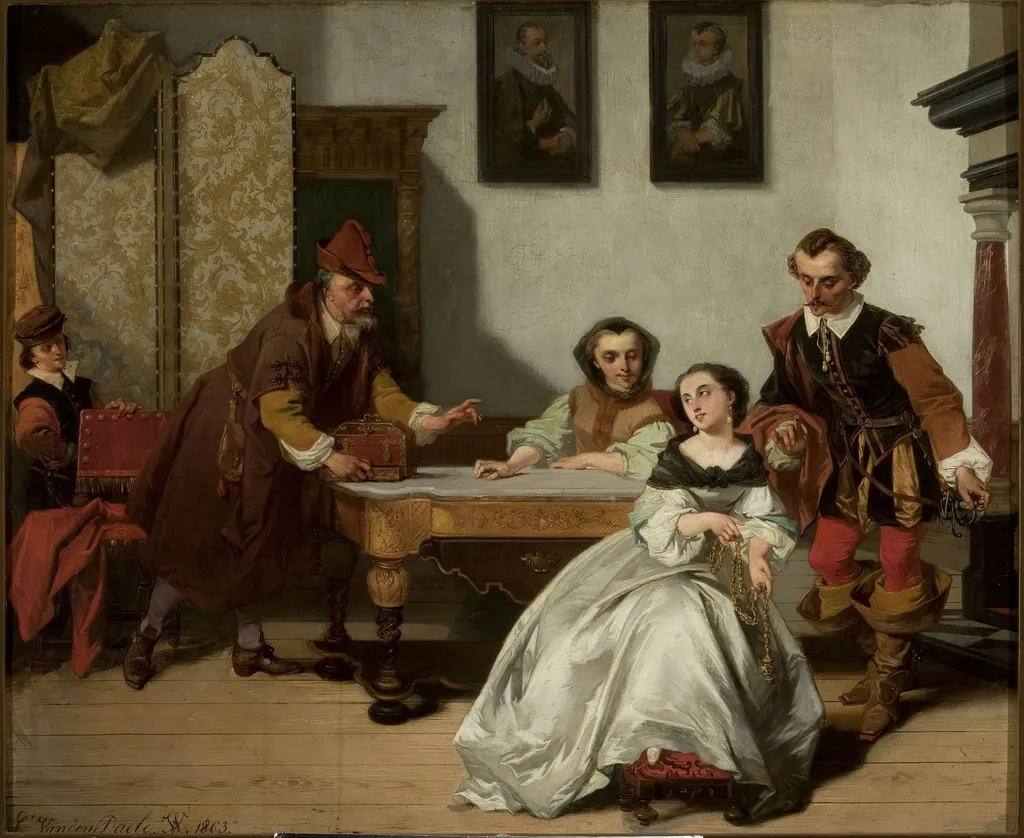
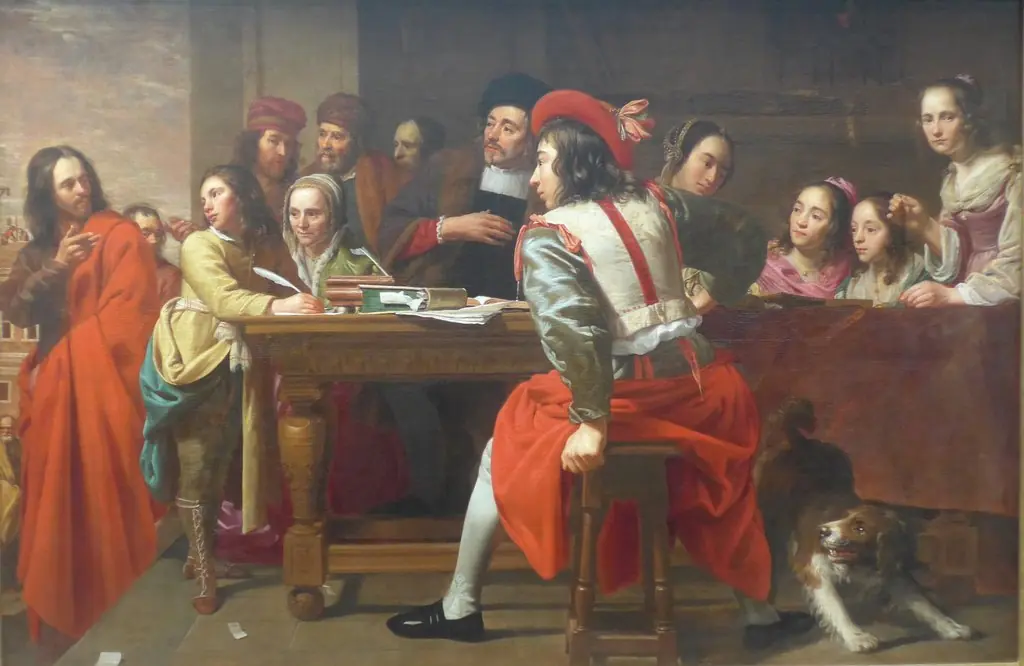
Sale of jewels is an oil painting by the Realist artist Casimir Van den Daele. It dates from 1863 and is held in the collection of the National Museum in Warsaw.
About this work
Overview
Though executed in the 19th century, the setting and attire evoke the 17th century, reflecting a deliberate historical revival rather than contemporary life.
Painted in 1863 by Belgian artist Casimir Van den Daele, this oil on canvas depicts a quiet interior scene centered on the exchange of jewelry. The work is part of the collection at the National Museum in Warsaw. Though executed in the 19th century, the setting and attire evoke the 17th century, reflecting a deliberate historical revival rather than contemporary life. The composition focuses on a single, intimate transaction, rendered with restrained emotion and careful attention to spatial arrangement.
Subject & Meaning
The scene portrays a private moment of appraisal or sale, likely involving family or trusted associates. A woman seated at the table observes as a man presents a small box, possibly containing jewels. Two other figures—standing and seated—watch silently, suggesting a formal, subdued transaction. The absence of overt emotion or gesture implies a ritualized exchange, perhaps tied to inheritance, financial necessity, or social obligation, framed within the decorum of an earlier era.
Technique & Style
Van den Daele employs chiaroscuro to model forms and define the room’s spatial depth, directing attention toward the central figures and the box. The textures of fabric, wood, and metal are rendered with subtle precision, while the muted palette—dominated by browns, blacks, and white—enhances the somber tone. The background features a patterned screen and three framed portraits, adding layers of domestic detail without distracting from the main interaction.
History & Provenance
The painting was completed in 1863 and entered the collection of the National Museum in Warsaw at an unknown date, likely during the 19th or early 20th century. Van den Daele, a Belgian artist known for historical and genre scenes, produced works that appealed to collectors interested in nostalgic depictions of the past. The painting’s journey to Poland remains undocumented, but its presence there reflects broader European collecting practices of the period.
Context
In mid-19th-century Europe, artists frequently revisited the 17th century as a source of moral and aesthetic authority, particularly in genre painting. Van den Daele’s work aligns with this trend, echoing the quiet interiors of Dutch masters like Vermeer. The emphasis on restraint, domesticity, and material culture reflects contemporary interest in historical authenticity and the emotional weight of everyday objects.
Legacy
While not widely exhibited beyond Poland, the painting remains a representative example of 19th-century historical genre painting in Central Europe. It contributes to the understanding of how artists used period dress and setting to explore themes of privacy, value, and social ritual. Its preservation in a national collection underscores its role as a document of both artistic practice and cultural memory.
Own this work as a print
Artist & collection

 An Elegant Company
 An Elegant Company
 La poetisa
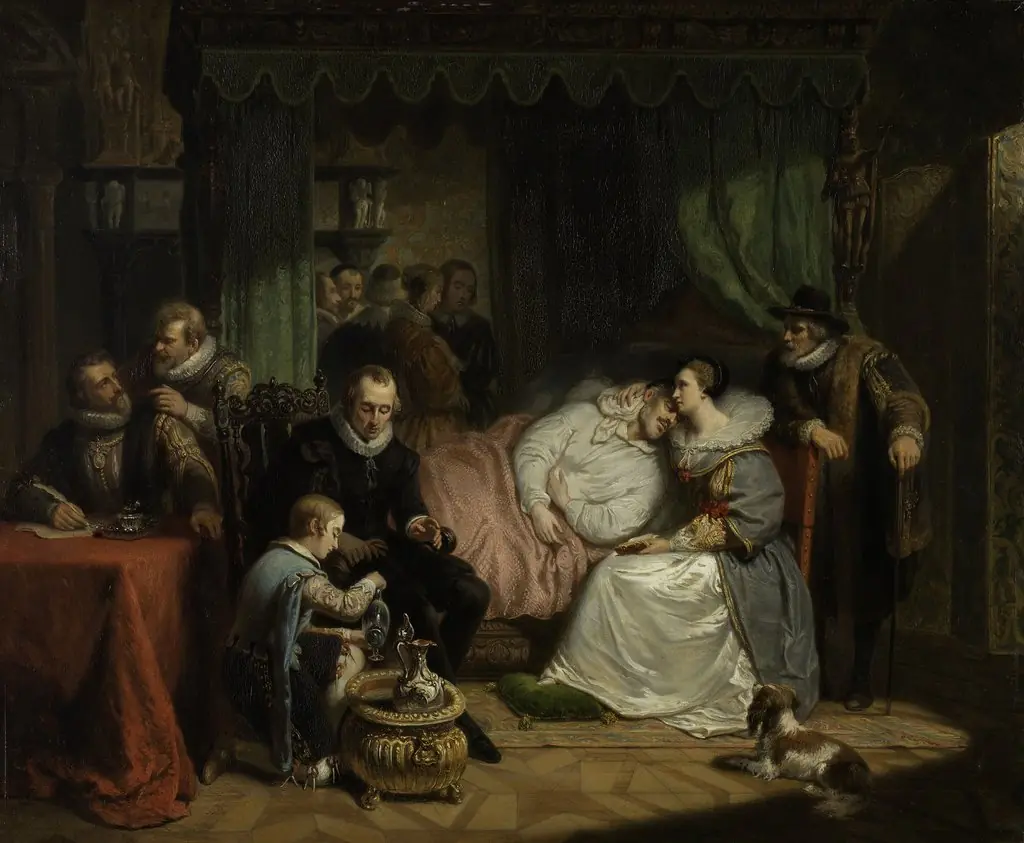 Prince William I after the failed Assassination Attempt by Jean Jaurequi in 1582, Nursed by Charlotte de Bourbon
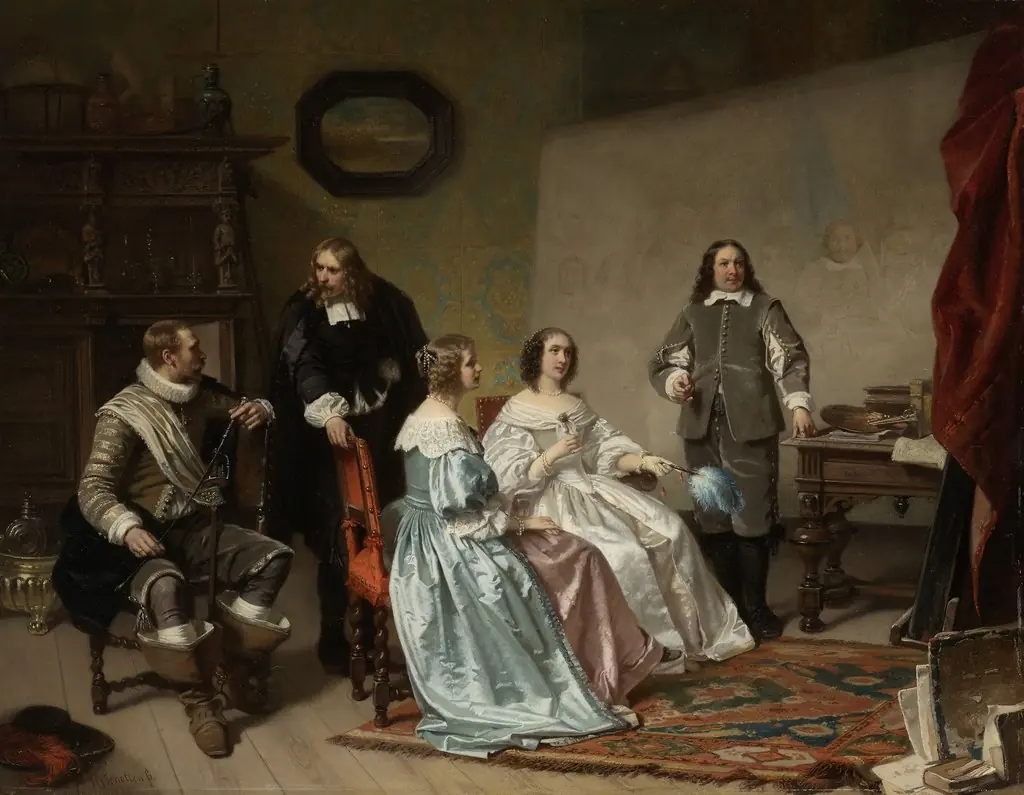 The Princess of Orange Visiting the Work-shop of Bartholomeus van der Helst
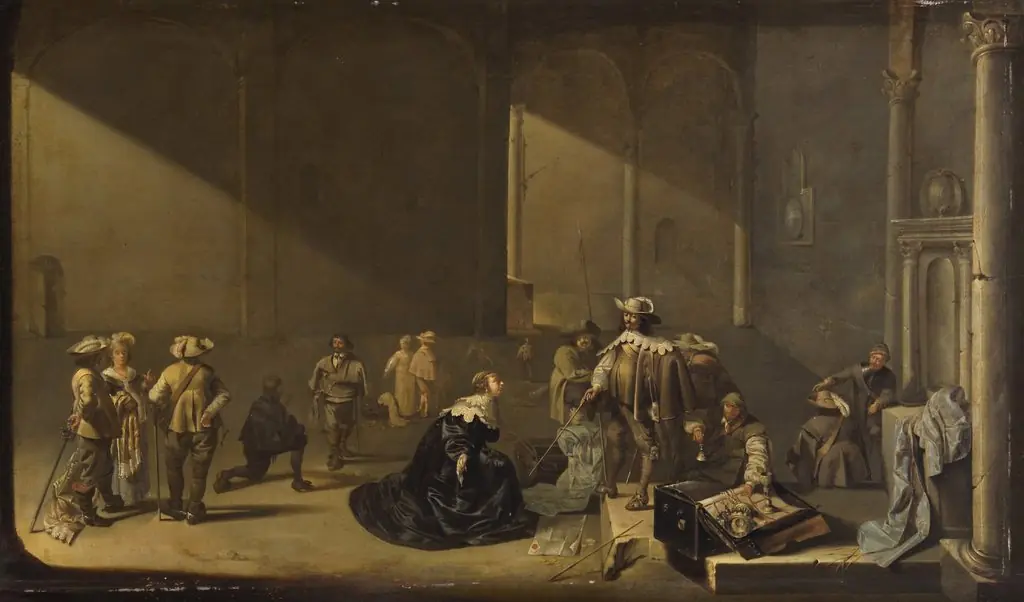 Interior with soldiers inspecting the booty and with a pleading woman
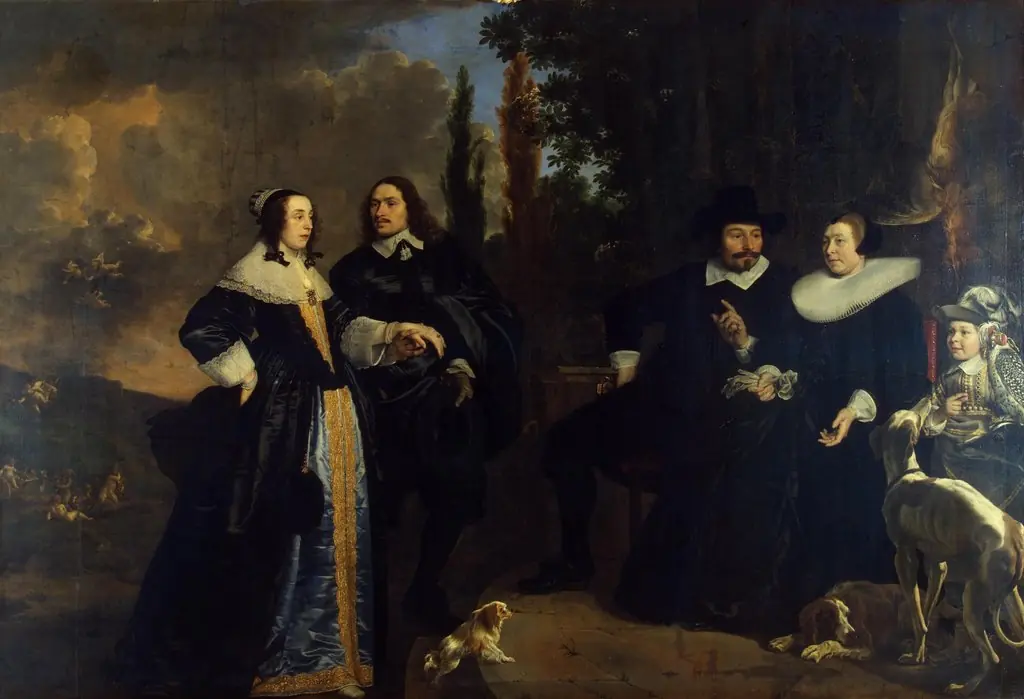 Family Portrait
 The Archdukes Albert and Isabella Visit the Printer Plantin
 Tric-Trac Players
 The Intruder
 'The anemic lady'
 The calling of Matthew