Artwork
Prisión de don Fernando de Valenzuela
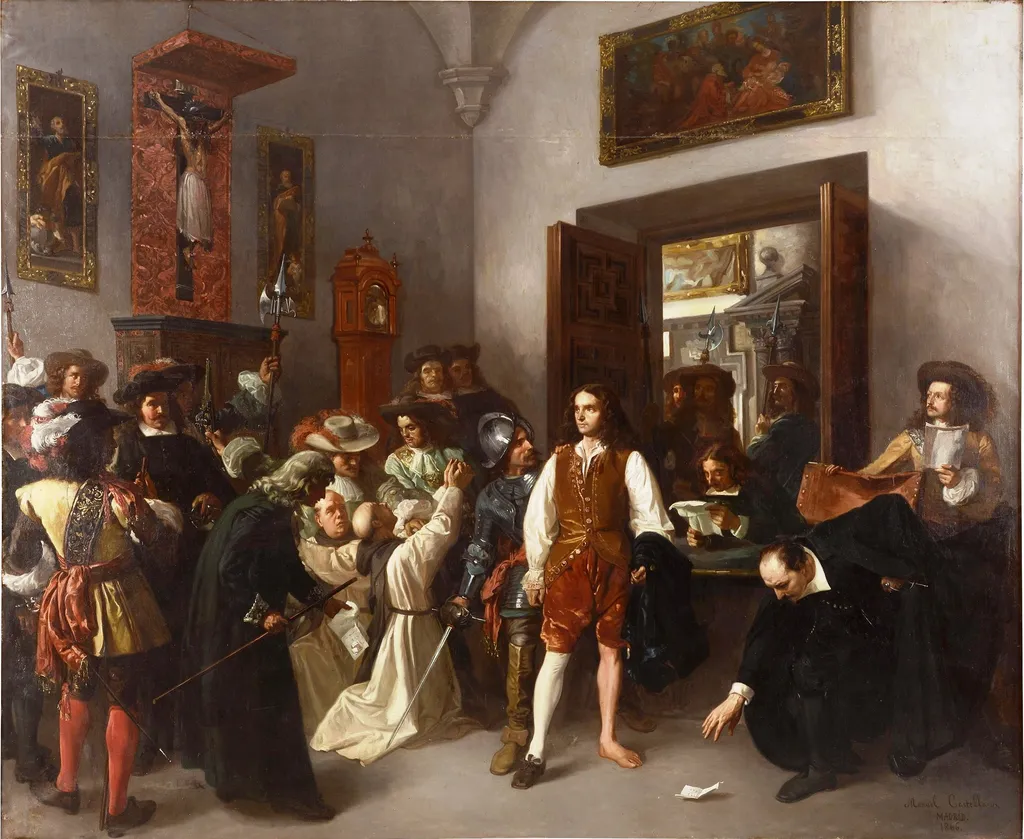
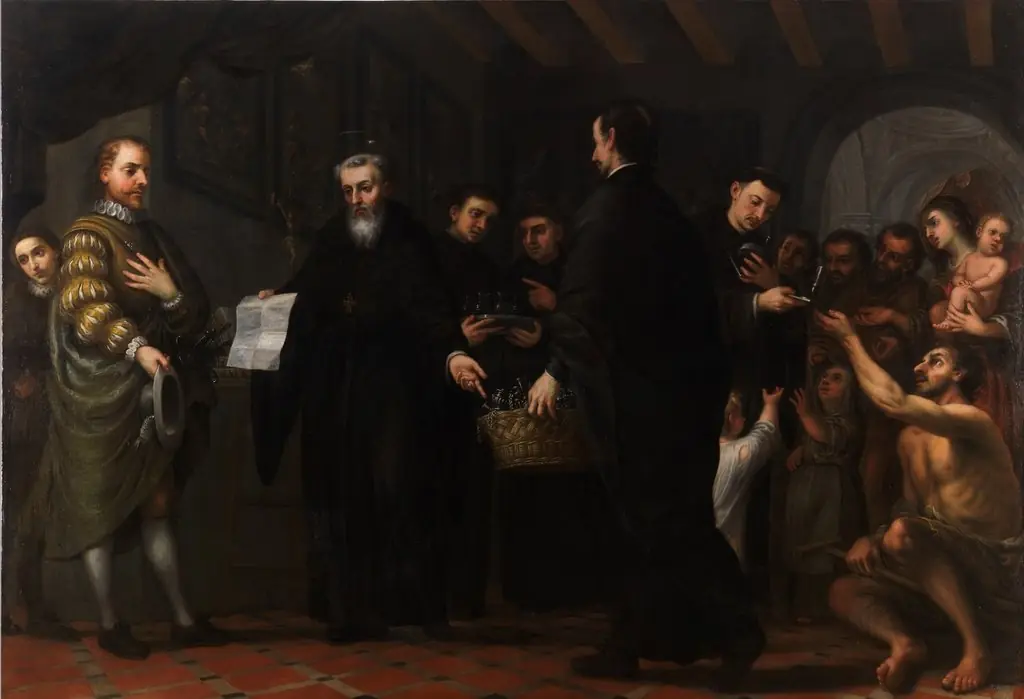
Prisión de don Fernando de Valenzuela is an oil painting by the Realist artist Manuel Castellano. It dates from 1866 and is held in the collection of the Museo del Prado.
About this work
Overview
Though often linked to Realism, the work reflects Castellano’s broader engagement with Romantic-era themes, particularly those drawn from Spanish life.
Manuel Castellano’s 1866 oil on canvas *Prisión de don Fernando de Valenzuela* presents a scene of indoor confrontation. Though often linked to Realism, the work reflects Castellano’s broader engagement with Romantic-era themes, particularly those drawn from Spanish life. The painting captures a moment of tension, with a central figure distinguished by his attire amid a group of darker-clad men, suggesting a narrative of power or dispute.
Subject & Meaning
The composition centers on Don Fernando de Valenzuela, a historical figure whose arrest is implied by the gathering of men around him. His light-colored garments contrast sharply with the somber tones worn by the others, emphasizing his isolation within the scene. The cluttered interior—filled with paintings, documents, and a clock—hints at a setting of authority, possibly a private chamber or administrative space, where a pivotal exchange unfolds.
Technique & Style
Castellano employs chiaroscuro to model figures and objects, lending the scene a dramatic interplay of light and shadow. Brushwork remains precise, particularly in the rendering of textiles and facial expressions, aligning with the detailed observation characteristic of costumbrista painting. While the composition adheres to Romantic conventions, its attention to everyday detail and unidealized figures foreshadows later Realist tendencies.
History & Provenance
Completed in 1866, the painting entered the collection of the Museo del Prado, where it remains. Castellano, known primarily for his bullfighting scenes and engravings, also assembled a significant art collection, though this work stands as one of his few historical narrative paintings. Its acquisition by the Prado underscores its place within the canon of 19th-century Spanish art.
Context
The painting depicts an episode from the life of Fernando de Valenzuela, a 17th-century Spanish courtier whose rise and fall mirrored the political intrigues of the era. Castellano’s choice of subject reflects a broader 19th-century interest in historical drama, particularly scenes of conflict or downfall. The work’s setting and costumes situate it within a tradition of genre painting that blends documentary detail with narrative tension.
Legacy
Though not among Castellano’s most frequently reproduced works, *Prisión de don Fernando de Valenzuela* contributes to the understanding of 19th-century Spanish painting’s shift between Romanticism and Realism. Its focus on a historical moment, rendered with theatrical lighting and meticulous detail, aligns it with contemporaneous European trends in narrative art. The painting’s presence in the Prado ensures its study as part of Spain’s visual record of power and conflict.
Artist & collection
Artist
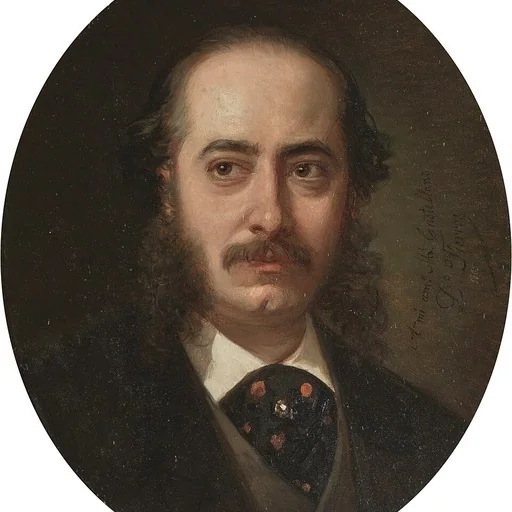
Manuel Rodríguez de la Parra Castellano (3 February 1823/1826 – 3 April 1880) was a Spanish costumbrista painter and engraver in the Romantic style, known especially for his bullfight scenes. He was also a noted art collector.

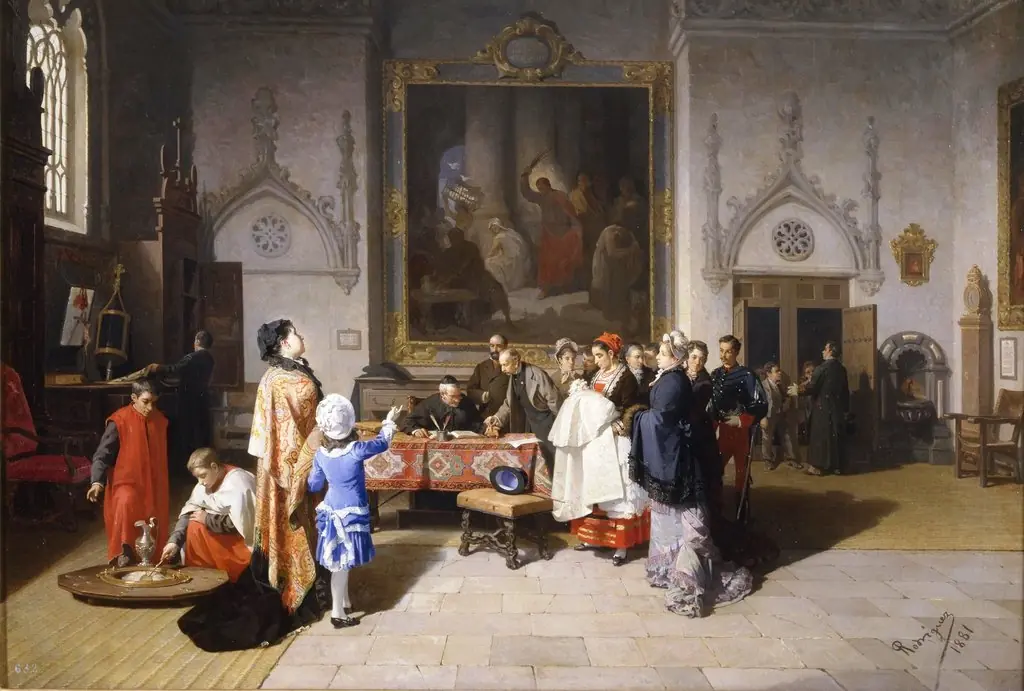 En la sacristía. ¿Mamá por qué pega Jesús a ese hombre?
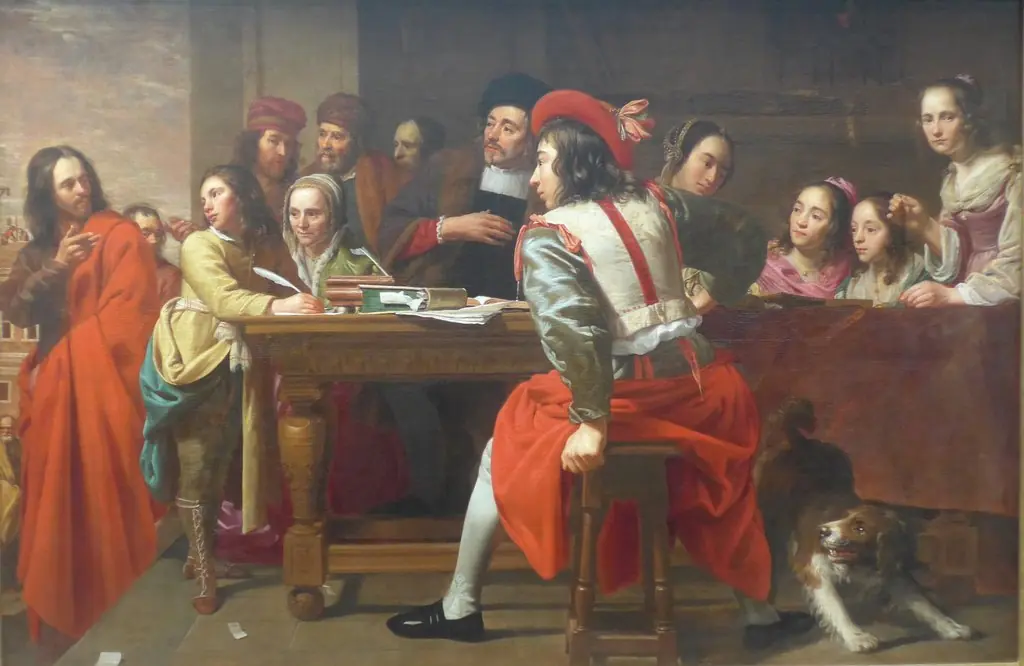 The calling of Matthew
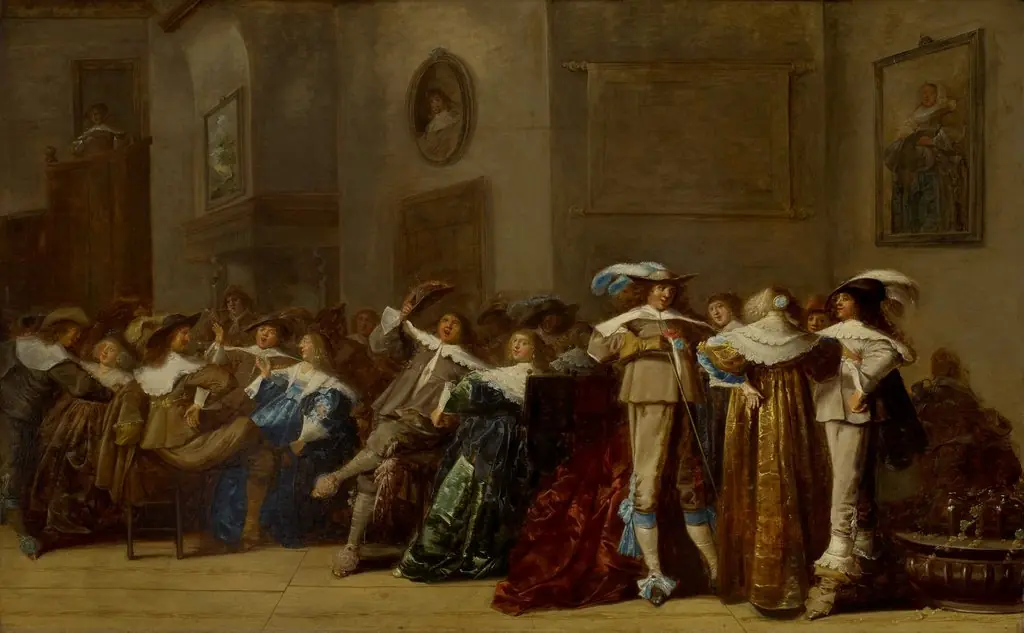 The Merry Company
 Christopher Columbus and His Son at La Rábida
 Jacob Simonsz de Rijk Secures from Spanish Governor-General Requesens the Release of Marnix van Sint Aldegonde
 The Reception of Peter Paul Rubens by the Antwerp Arquebusiers
 El Motín de Esquilache. Episodio...
 Absolute Monarchy Assigned to Frederik III in 1660
 Interior with a Young Couple and People Making Music
 Merry Company
 The Prodigal Son Receiving his Portion
 San Agustín repartiendo los bienes de los ricos entre los pobres