Artwork
Portrait of László Paál
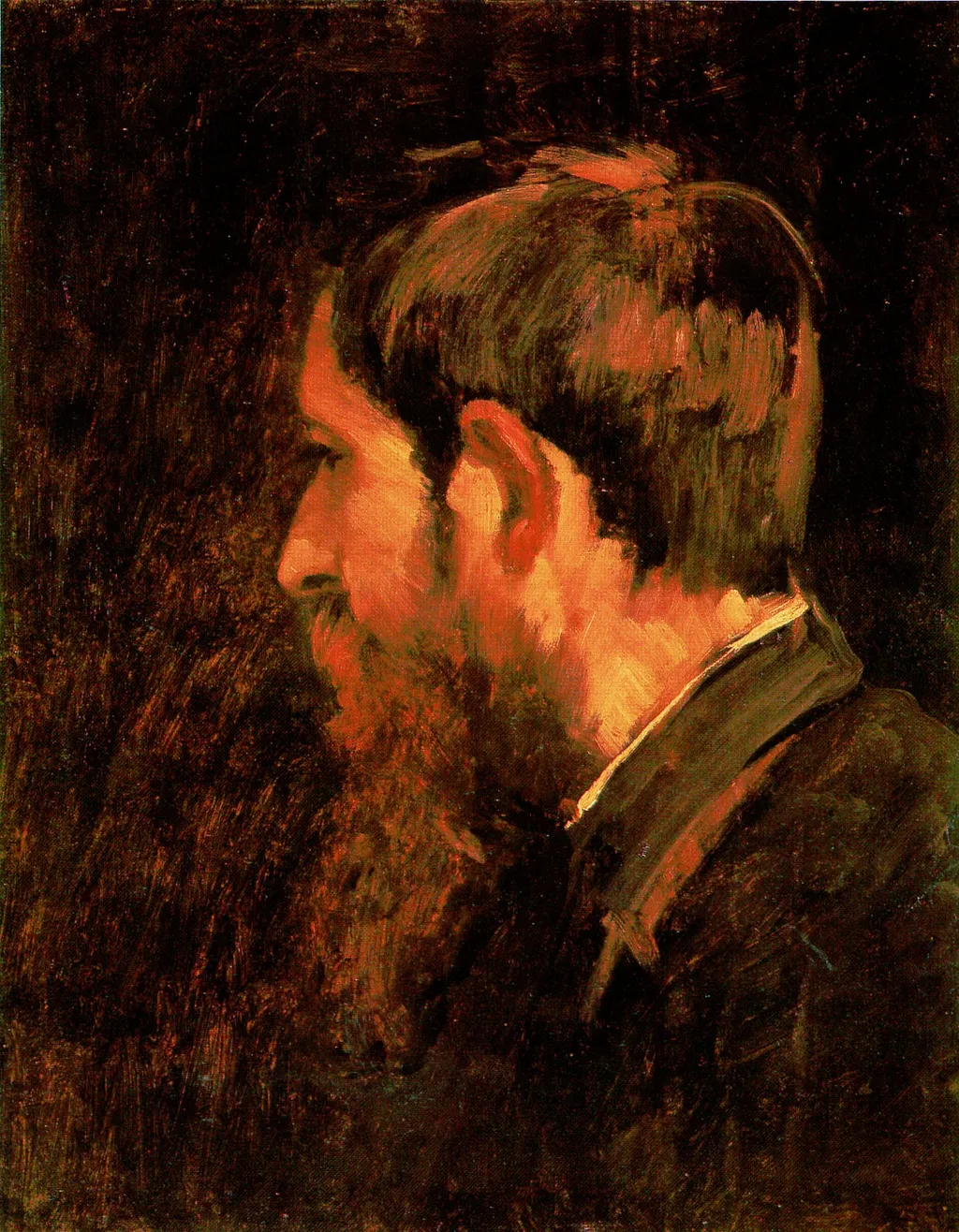
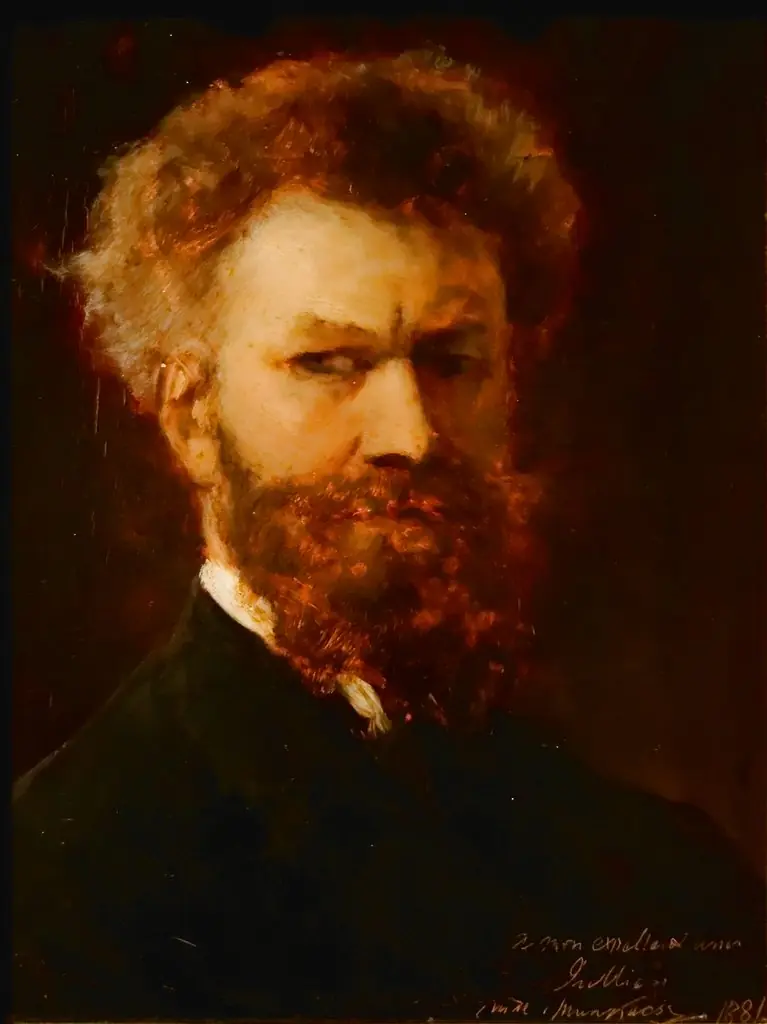
Portrait of László Paál is an oil painting by the Realist artist Mihály Munkácsy. It dates from 1888 and is held in the collection of the Hungarian National Gallery.
About this work
Overview
Painted in 1888, this oil portrait by Hungarian artist Mihály Munkácsy captures his contemporary, László Paál, also a painter.
Painted in 1888, this oil portrait by Hungarian artist Mihály Munkácsy captures his contemporary, László Paál, also a painter. Executed in a restrained realist style, the work avoids theatricality, focusing instead on quiet presence. The dark, unadorned background isolates the figure, drawing attention to subtle textures and the subject’s composed demeanor. It resides in the Hungarian National Gallery, part of a broader collection of 19th-century Hungarian art.
Subject & Meaning
László Paál, a fellow artist and member of Hungary’s artistic community, is portrayed without embellishment. His beard, short hair, and dark jacket suggest a man of quiet professional stature. The direct gaze and slight turn of the head convey introspection rather than grandeur. The portrait reflects a mutual respect between artists, presenting Paál not as a celebrity but as a thoughtful individual engaged in the craft of painting.
Technique & Style
Munkácsy employs chiaroscuro to model the face and clothing with subtle gradations of light and shadow, lending volume and realism. Brushwork is precise yet unobtrusive, emphasizing texture in fabric and skin without overt flourish. The palette is muted—dominated by browns, grays, and blacks—enhancing the somber, intimate tone. The composition’s simplicity reinforces the portrait’s psychological depth over decorative effect.
History & Provenance
Commissioned or created during Munkácsy’s later years, the portrait entered the Hungarian National Gallery’s collection in the early 20th century. It remained relatively unpublicized compared to the artist’s larger historical or biblical works. Its preservation reflects institutional recognition of Munkácsy’s range beyond grand narratives, acknowledging his skill in intimate portraiture within Hungary’s national art heritage.
Context
In late 19th-century Hungary, artists increasingly turned to depictions of their peers as part of a growing cultural self-awareness. Munkácsy, though famed for epic scenes, regularly painted fellow creatives. This portrait aligns with a trend of artist-to-artist representation, where identity and profession were rendered with dignity, not spectacle, reflecting a community defining itself through its own image.
Legacy
Though less celebrated than Munkácsy’s monumental works, this portrait endures as a quiet testament to his observational precision and empathy. It offers insight into the personal networks of Hungarian artists and the value placed on authentic representation. Its presence in the national collection affirms its role in documenting the era’s artistic identity beyond public spectacle.
Own this work as a print
Artist & collection
Artist
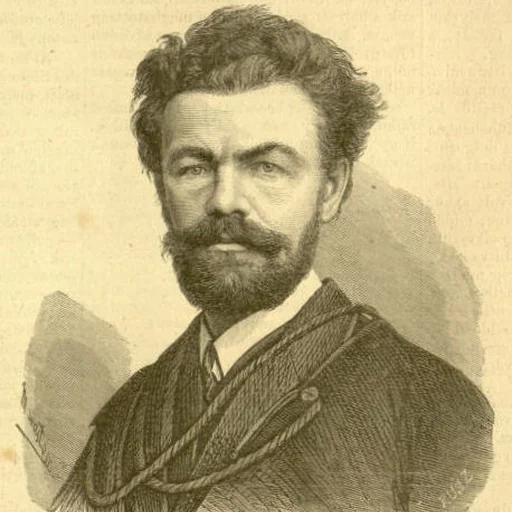
Mihály Munkácsy (Hungarian pronunciation: ; 20 February 1844 – 1 May 1900) was a Hungarian painter. He earned international reputation with his genre pictures and large-scale biblical paintings.

 Hippolyte Lavoignat
 The painter Ceferino Araujo Sánchez
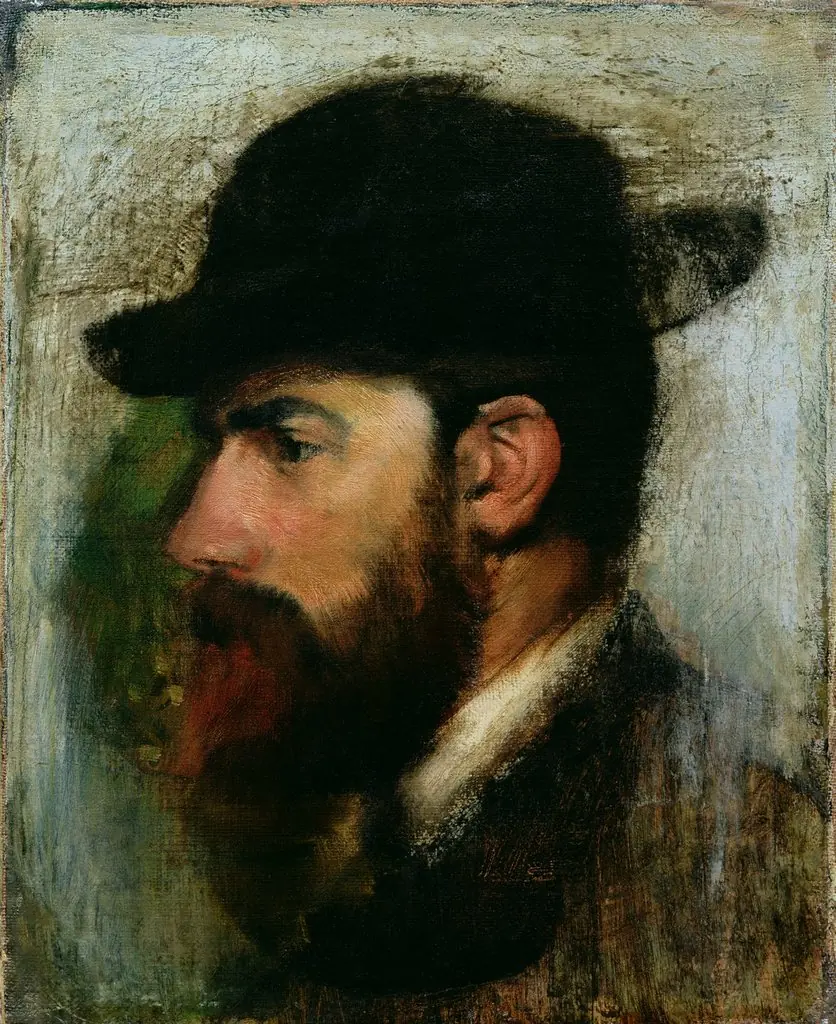 Portrait d’Henri Rouart
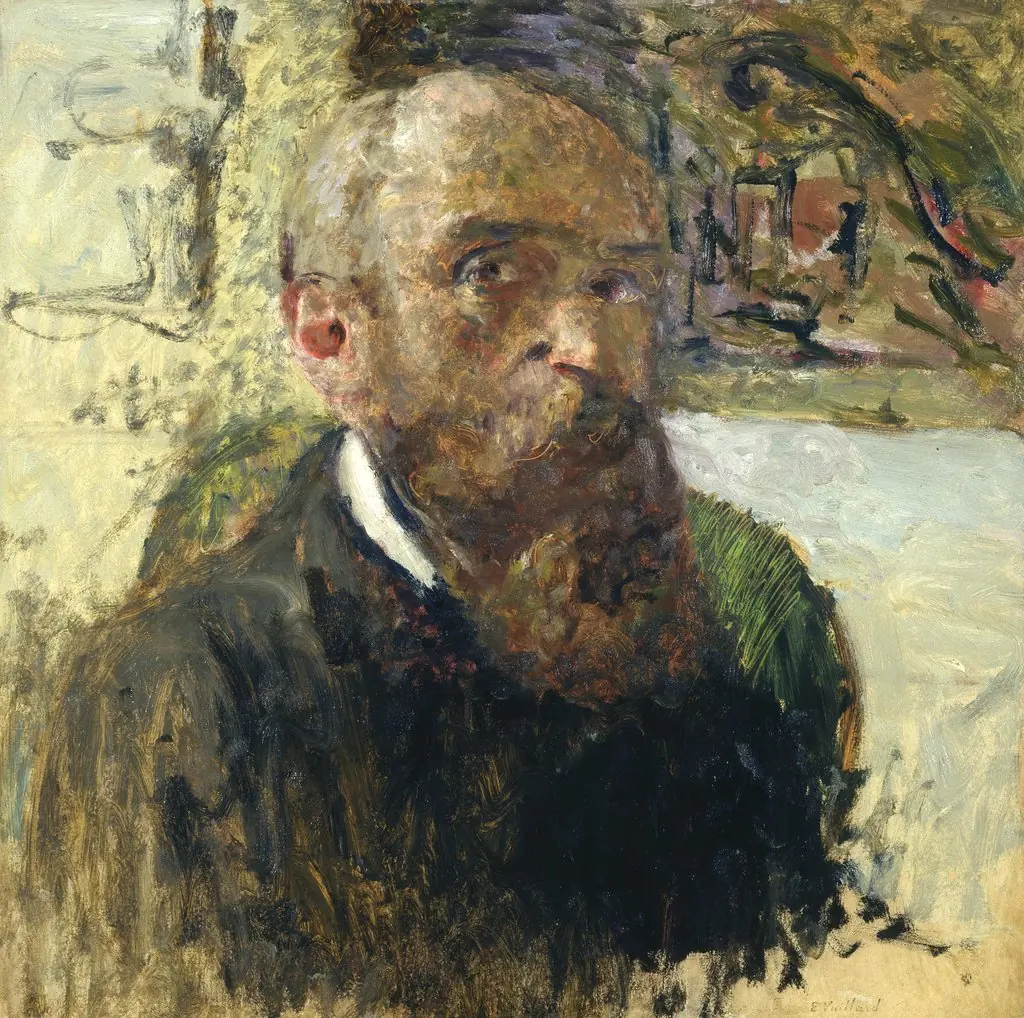 Self-Portrait
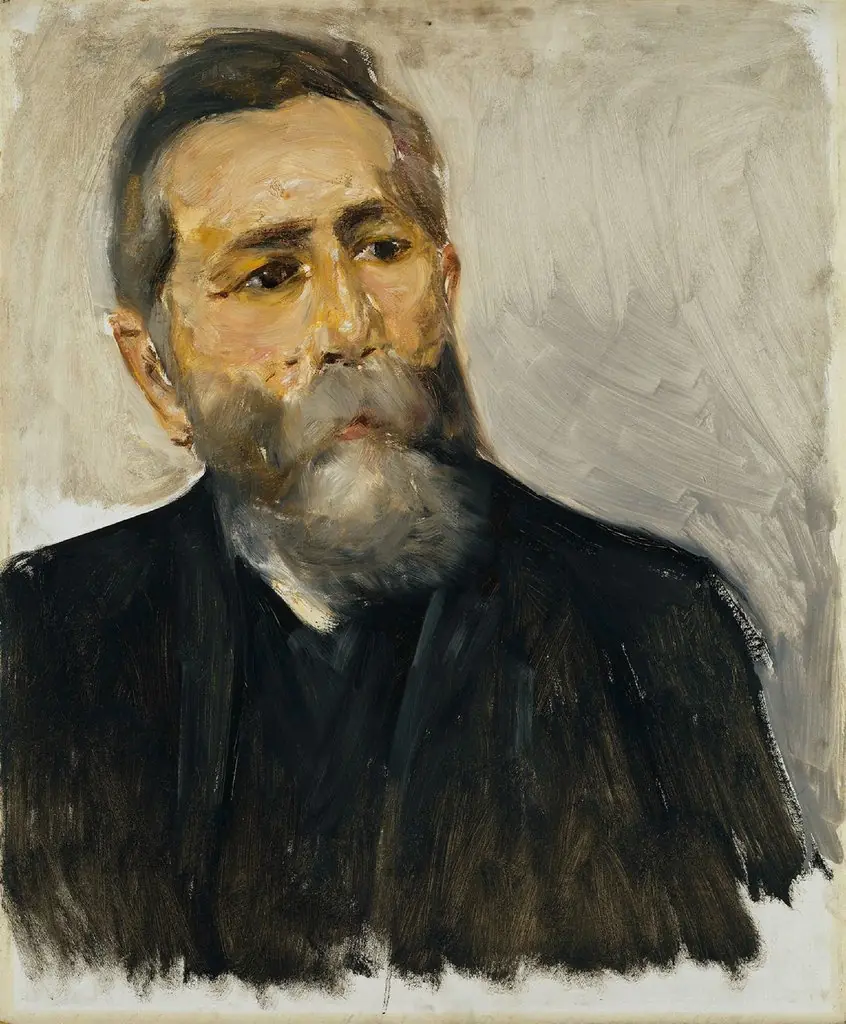 Professor August Voller
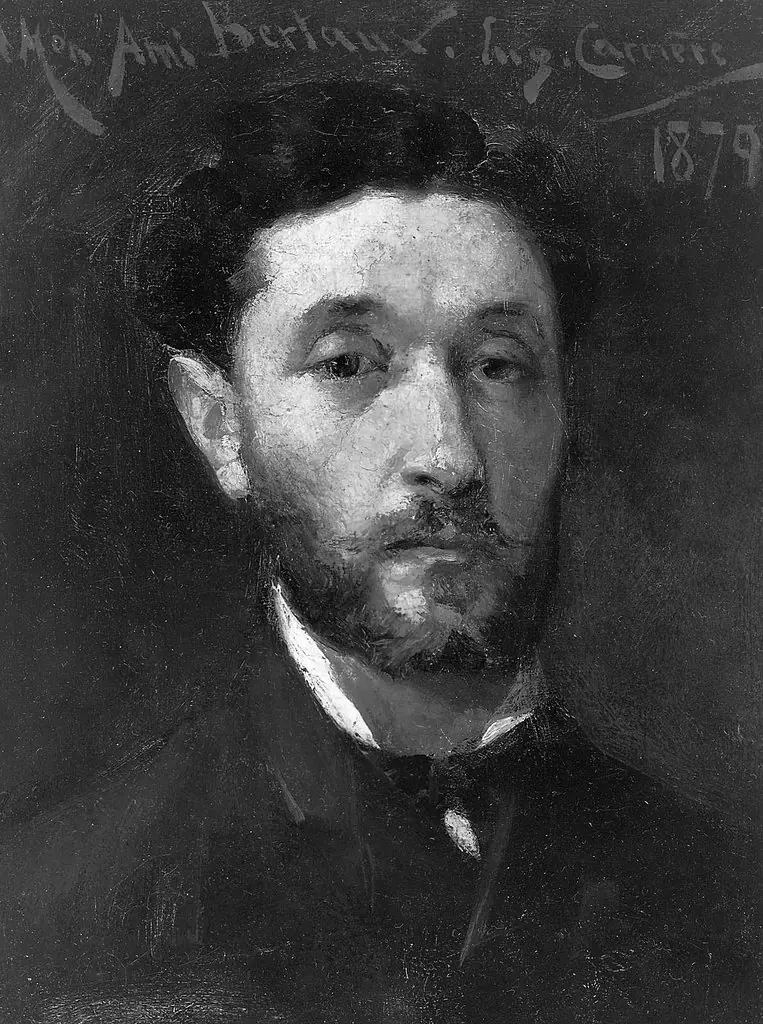 Portrait of a Man
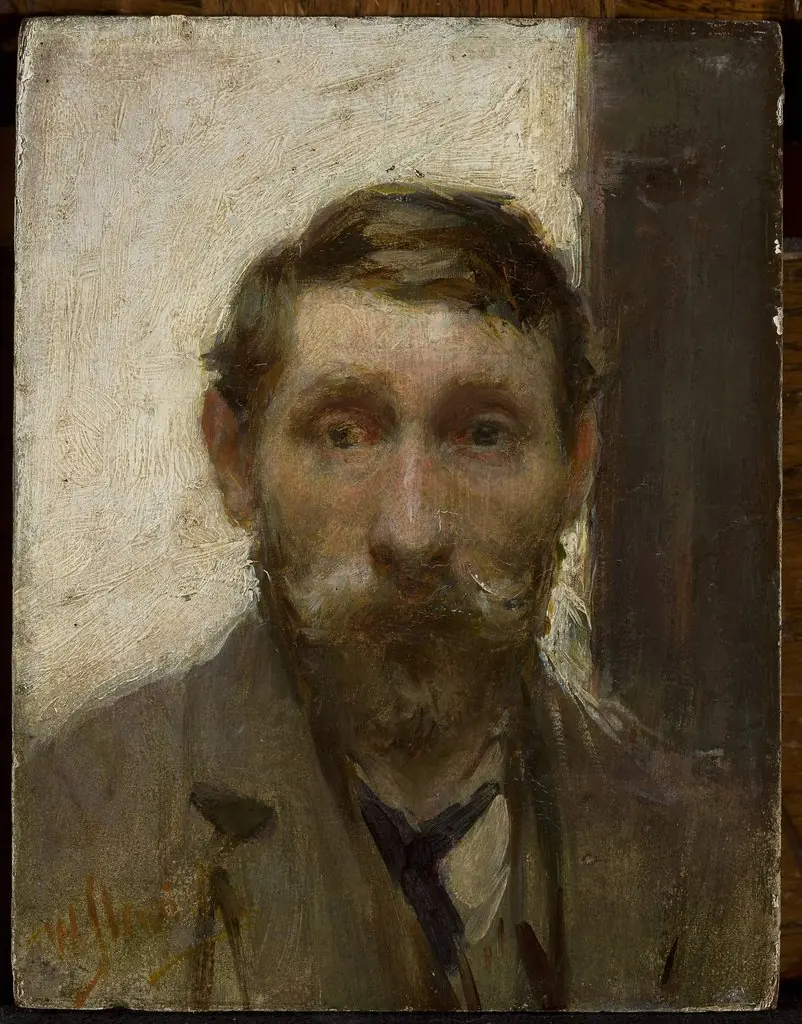 Self-portrait
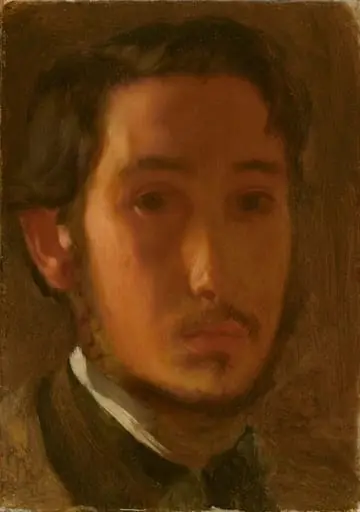 Self-Portrait with White Collar
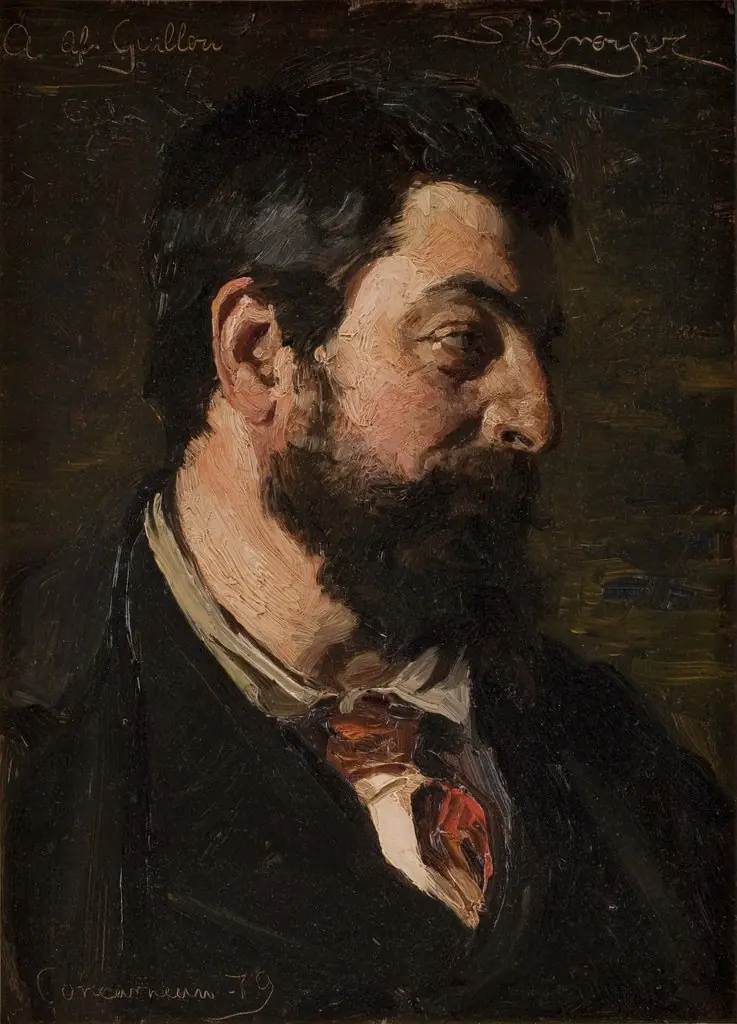 Portrait of the French painter Alfred Guillou
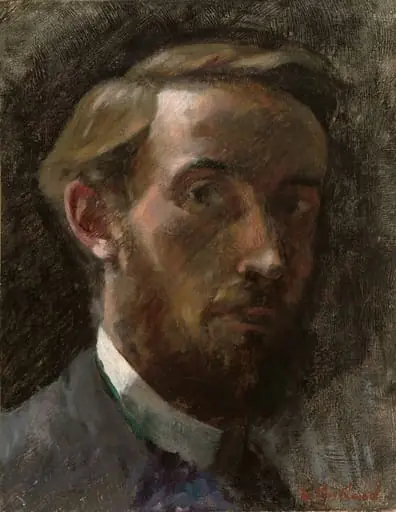 Self-Portrait, Aged 21
 Portræt af den franske maler Alfred Guillou
 Male Portrait – two-sided painting