Artwork
Interior de la cocina de una posada del pueblo de Maqueda
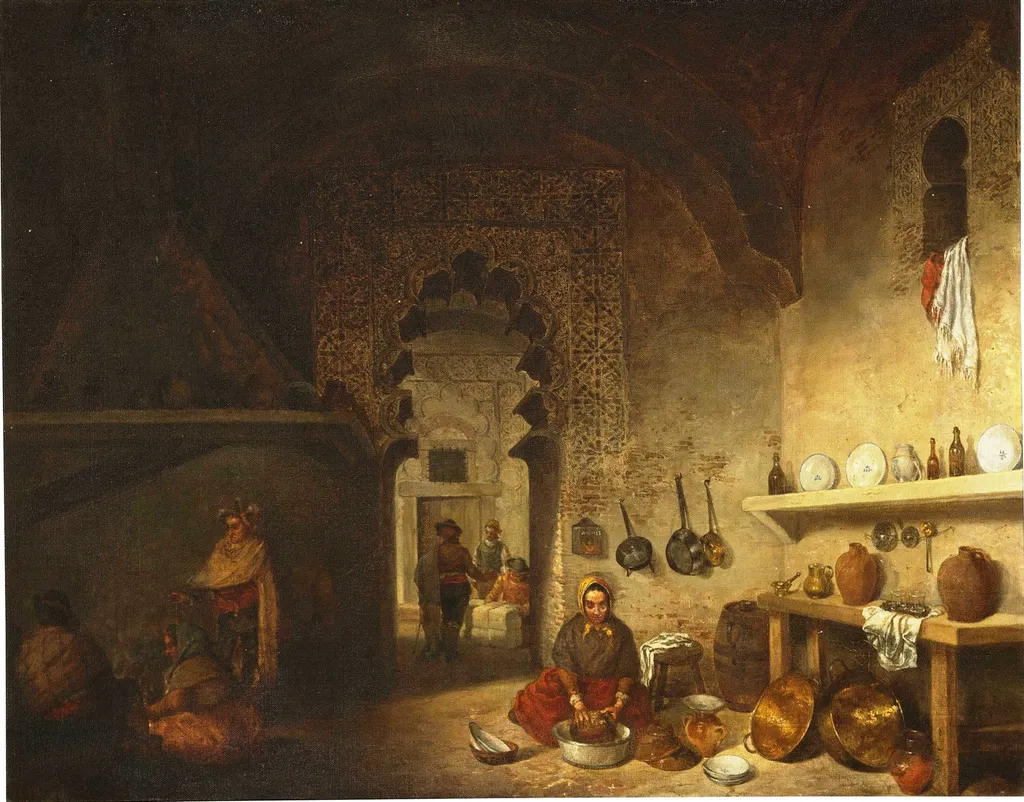
Interior de la cocina de una posada del pueblo de Maqueda is an oil painting by the Post-Impressionist artist Cecilio Pizarro. It is held in the collection of the Museo del Prado.
About this work
Overview
Painted in 1888 by Cecilio Pizarro, this oil work captures an interior space in a rural inn near Maqueda. The scene is intimate and unidealized, focusing on a single figure amid the clutter of daily domestic life. Held in the Museo del Prado’s collection, the painting reflects a quiet realism common in late 19th-century Spanish genre scenes, emphasizing atmosphere over narrative drama.
Subject & Meaning
A woman, dressed in regional attire, sits on the stone floor surrounded by cooking vessels, earthenware, and tools of domestic labor. Her posture suggests a moment of pause amid routine tasks, evoking endurance rather than spectacle. The absence of overt action invites contemplation of quiet, unseen labor, grounding the image in the rhythms of rural Spanish life without romanticizing it.
Technique & Style
The composition is tightly framed, directing attention to the woman and the objects clustered around her, reinforcing the scene’s intimacy.
Pizarro employs chiaroscuro to model forms within the dim interior, using deep shadows and muted light to define the contours of utensils and the woman’s figure. The rough stone walls and vaulted arch are rendered with textured brushwork, enhancing the tactile quality of the space. The composition is tightly framed, directing attention to the woman and the objects clustered around her, reinforcing the scene’s intimacy.
History & Provenance
The painting entered the Museo del Prado’s collection shortly after its completion in 1888. It was acquired during a period when the museum expanded its holdings of contemporary Spanish genre painting. There is no record of prior ownership or exhibition beyond its initial display, suggesting it was acquired directly from the artist as part of institutional efforts to document national life.
Context
Created during Spain’s regionalist cultural revival, the painting aligns with efforts to document rural traditions amid rapid urbanization. While not overtly political, its unembellished depiction of domestic labor contrasts with academic idealism, reflecting a broader shift toward social realism in Spanish art. Similar works by contemporaries like Sorolla and Casas explore comparable themes of everyday life in provincial settings.
Legacy
Though not widely reproduced, the painting remains a quiet example of late 19th-century Spanish realism. It contributes to the Prado’s broader representation of non-academic subjects and offers insight into how domestic spaces were visually recorded during a time of social change. Its endurance in the collection underscores its value as a document of ordinary life, not as a spectacle.
Own this work as a print
Artist & collection

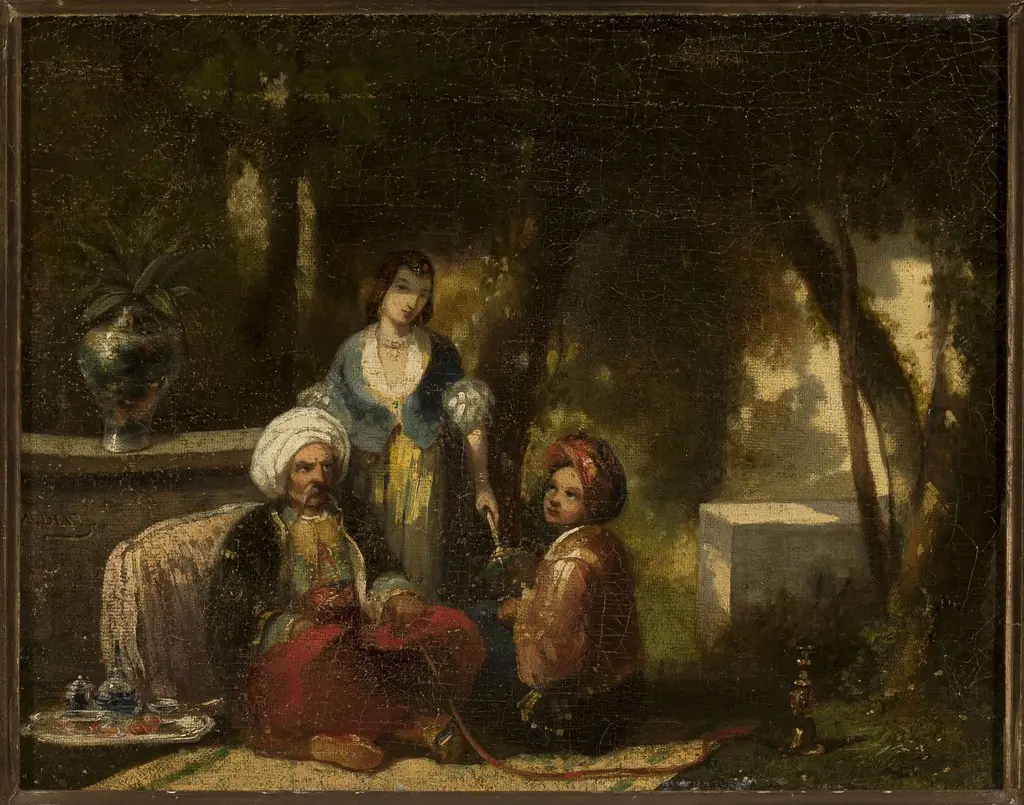 Man with a narghile against forest landscape
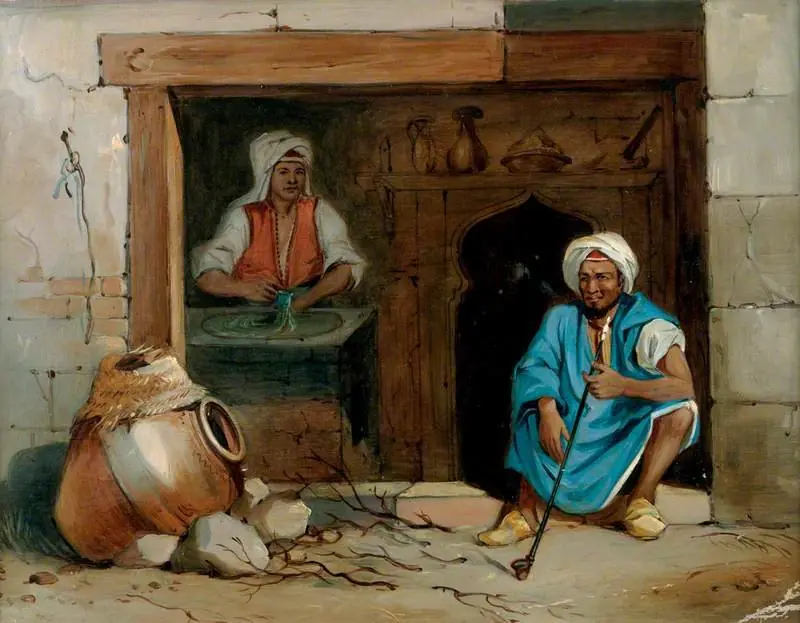 An Egyptian Baker and His Assistant at the Door of a Cake-Shop
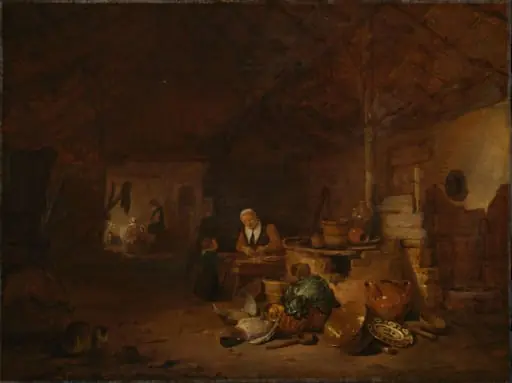 Interior of a barn
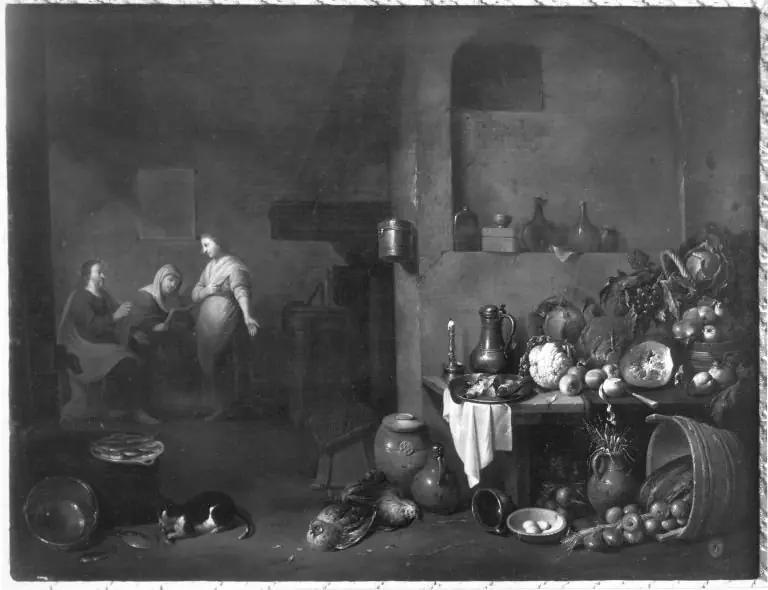 Christ in the house of Martha and Mary
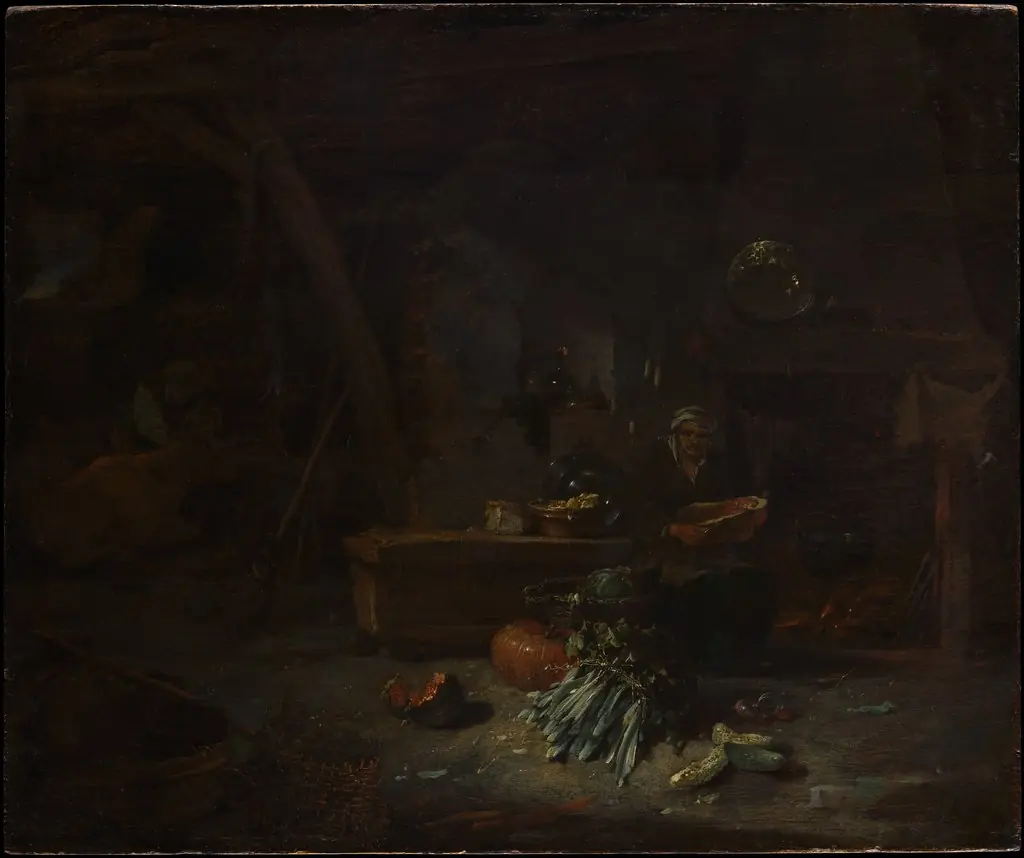 Interior of a Kitchen
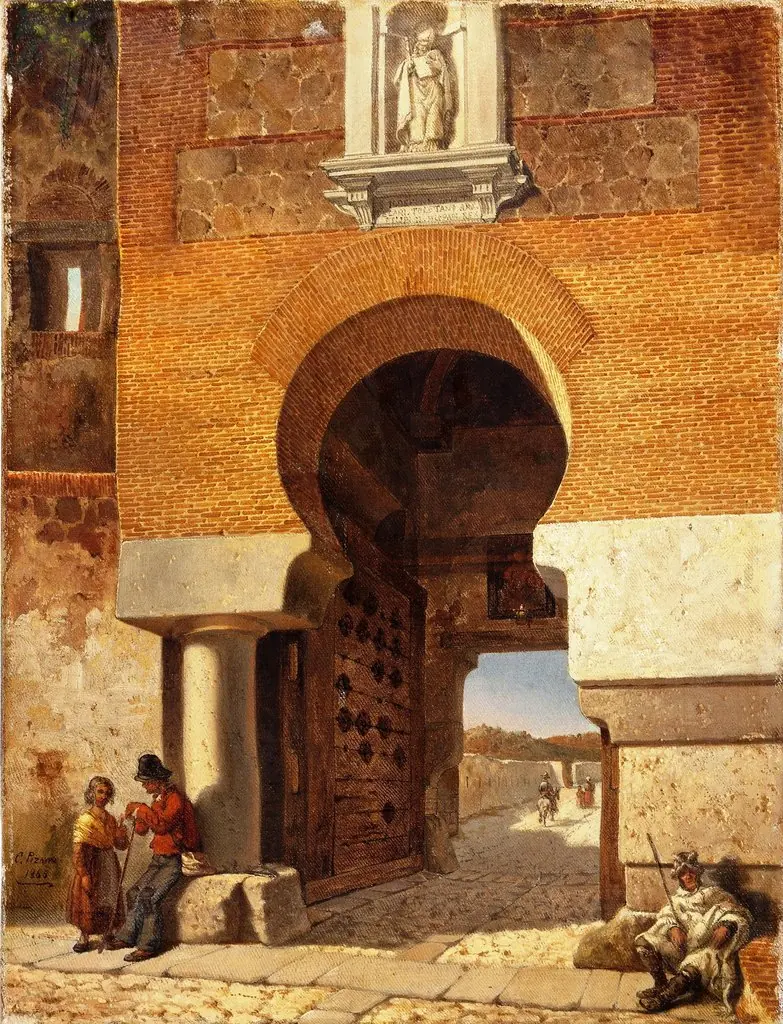
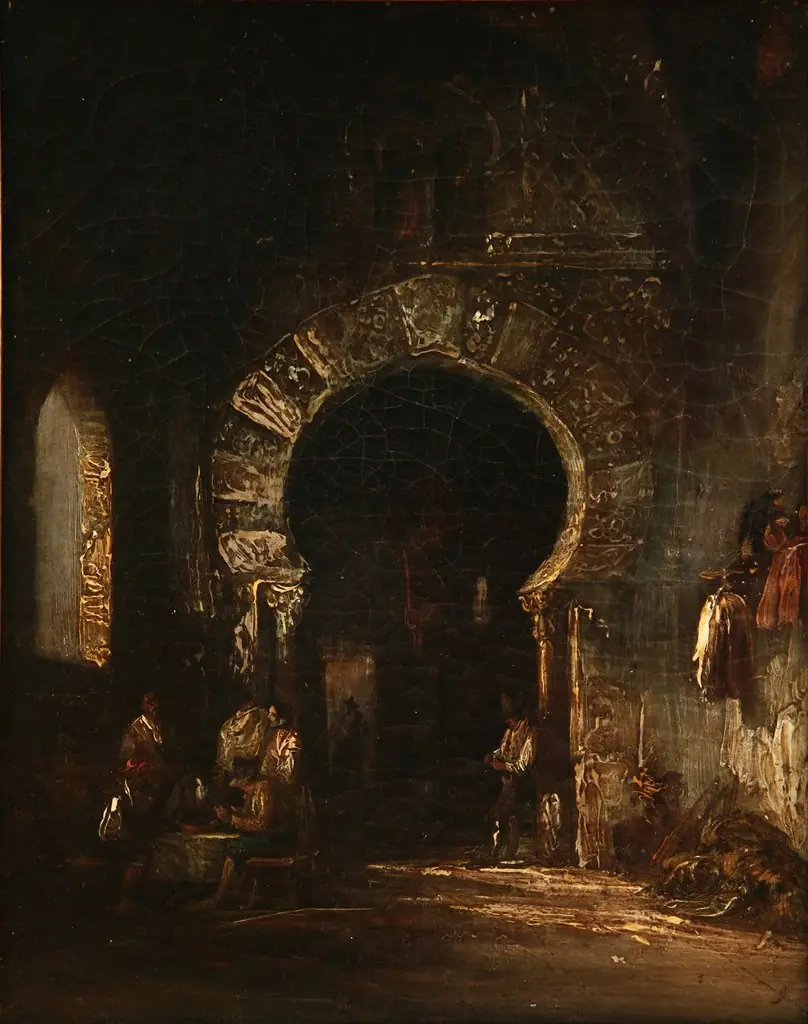 Puerta arabe (Fantasía sobre la Puerta de del Sol en Toledo)
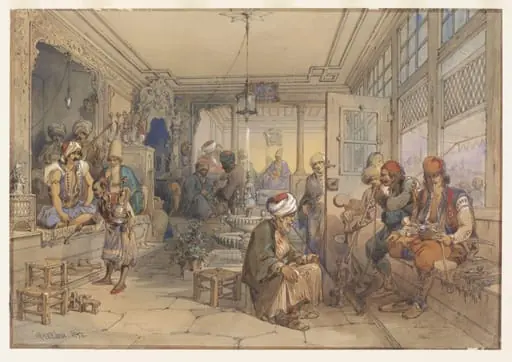 A Turkish Coffee-House, Constantinople
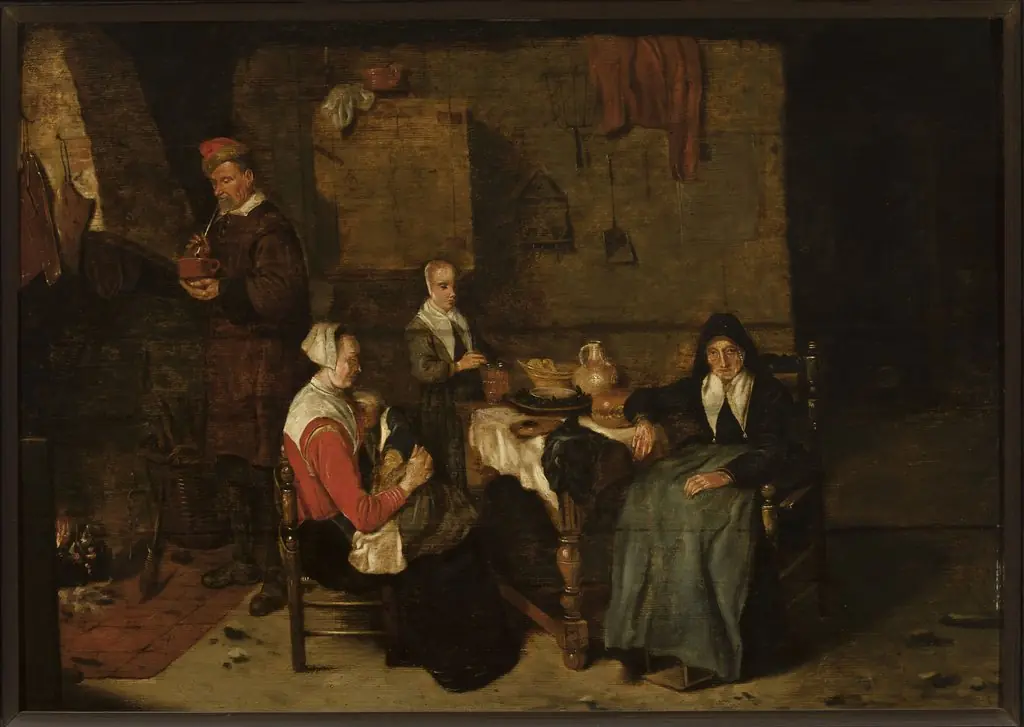 Family scene
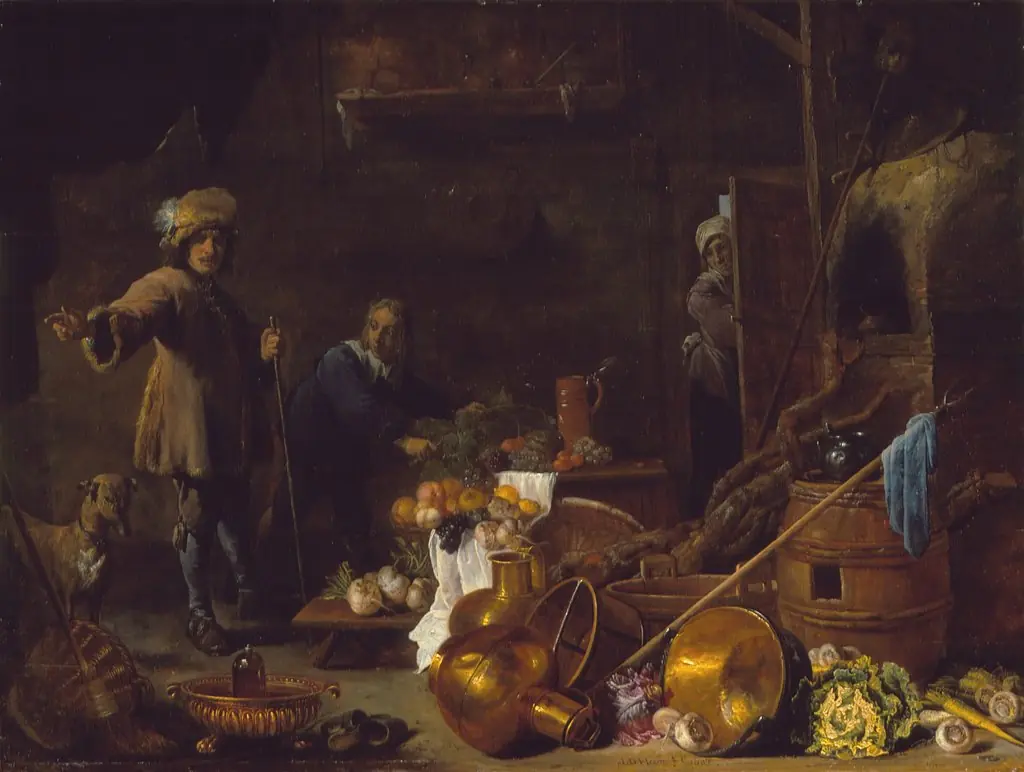 Kitchen Interior
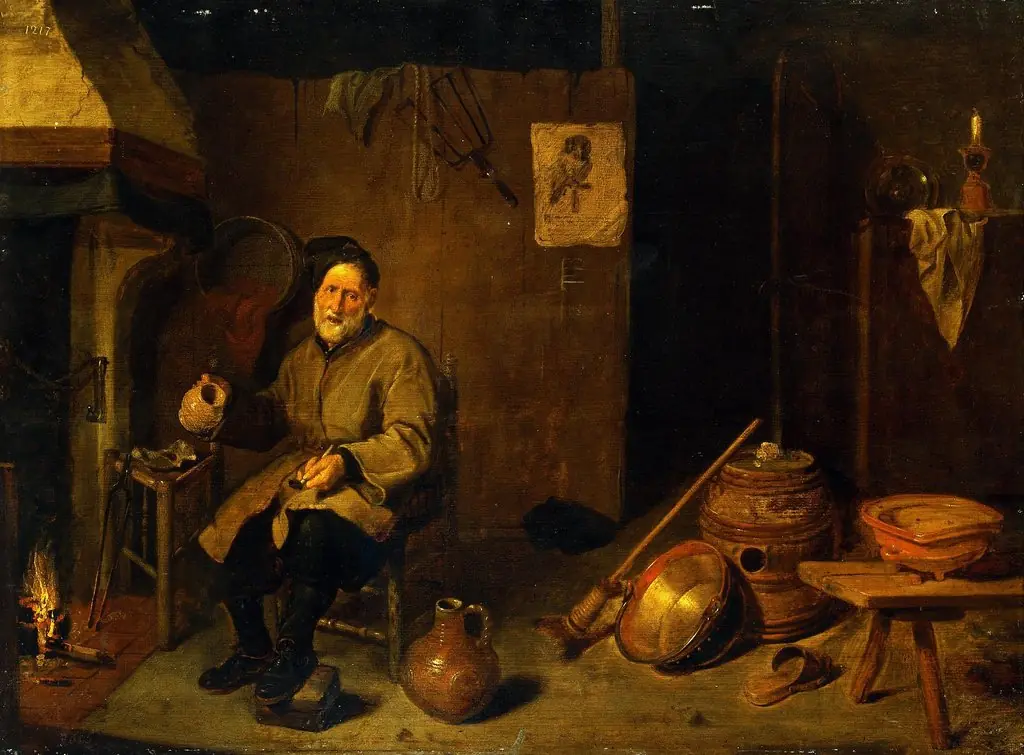 Peasant Holding an Empty Mug
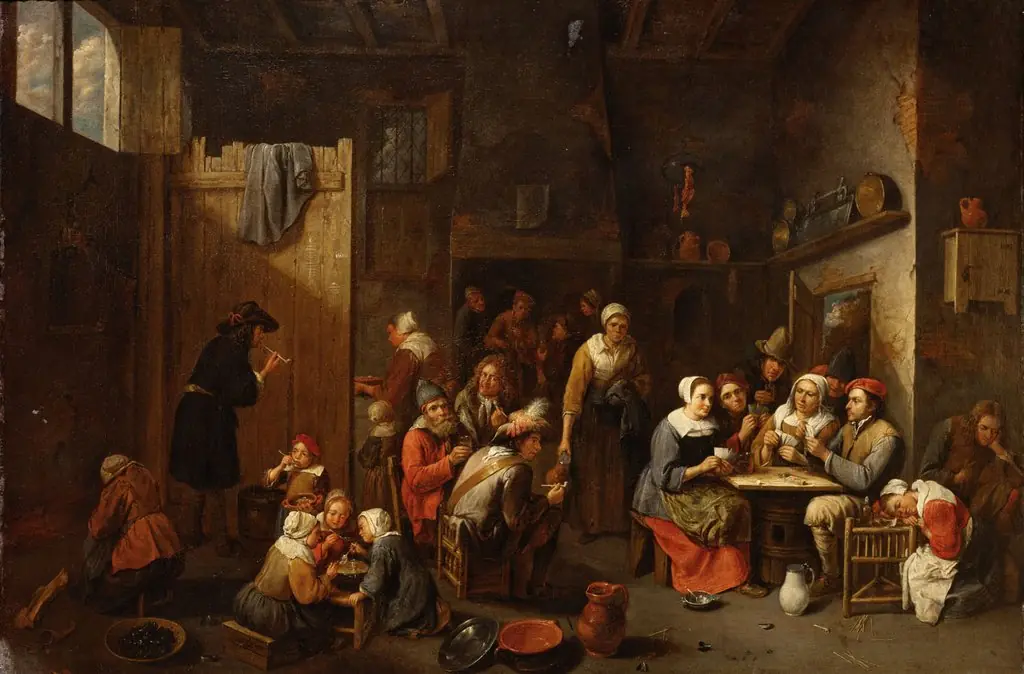 Bauernwirtschaft
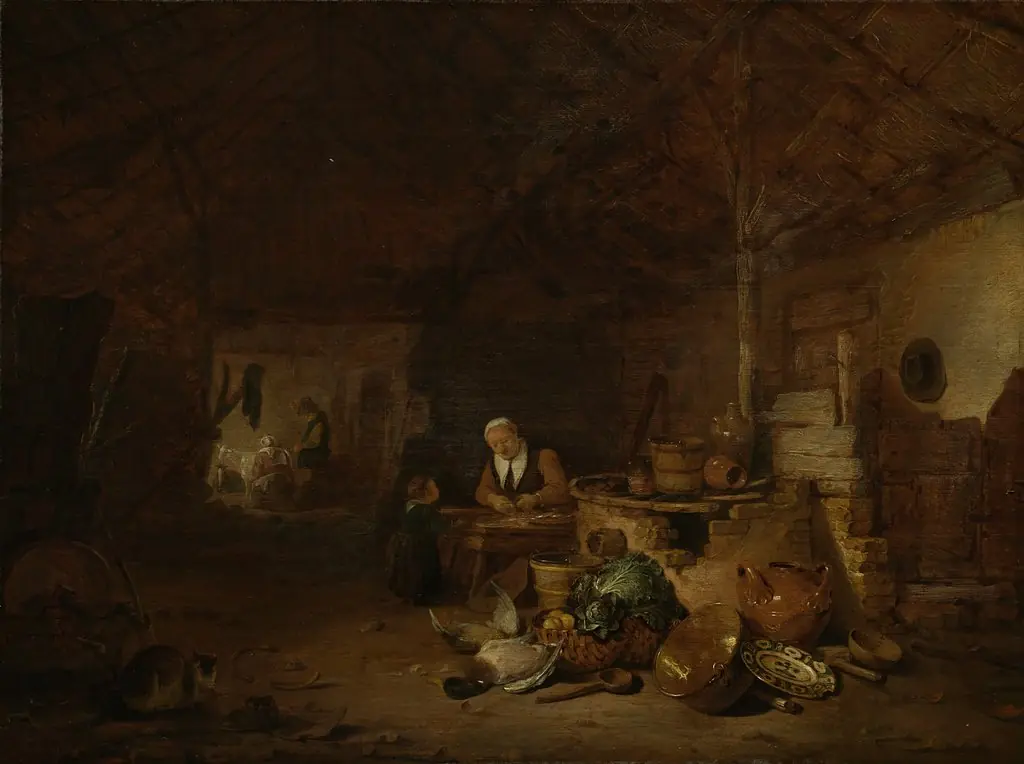 Interior of a barn