Artwork
Alegorie: cele patru elemente (Pământul, Apa, Aerul, Focul)
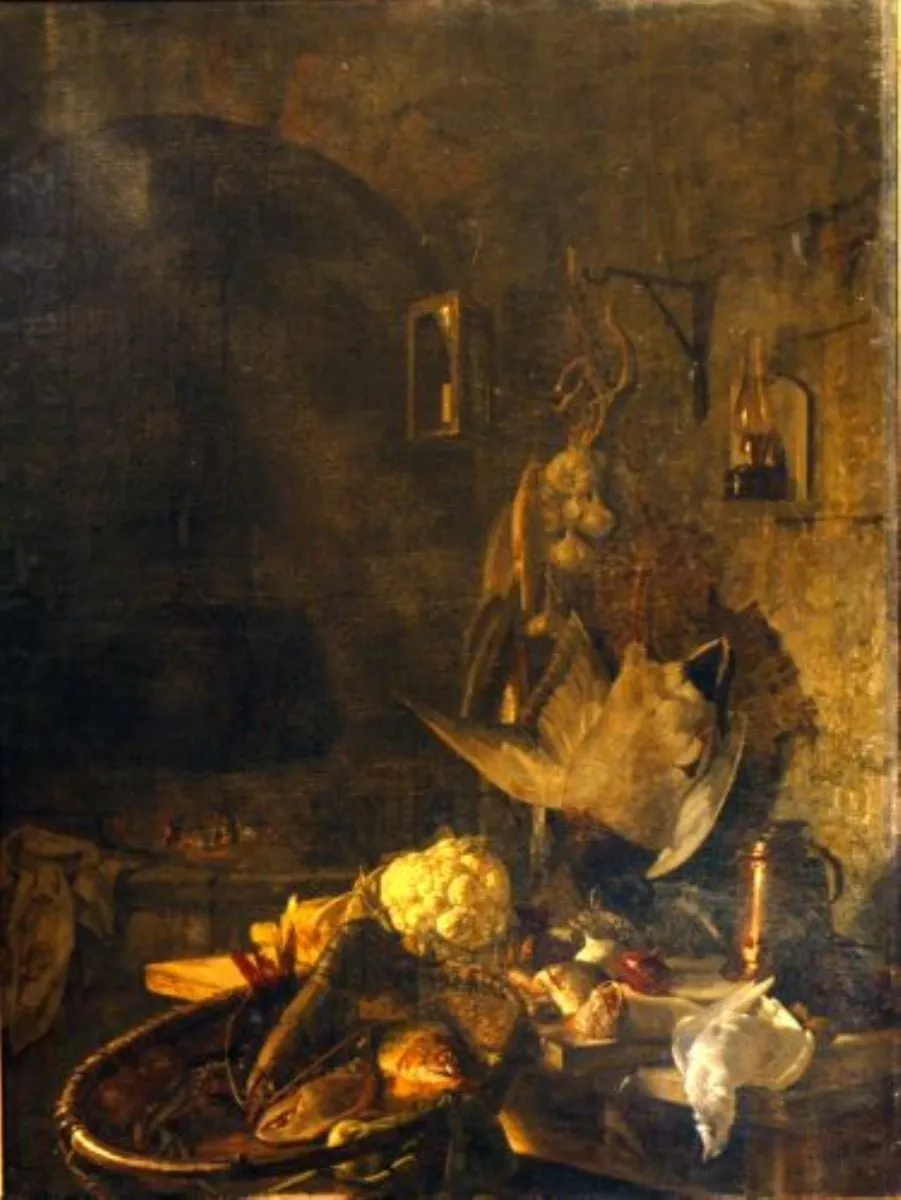
Alegorie: cele patru elemente (Pământul, Apa, Aerul, Focul) is an unspecified painting by Carl Moll. It dates from 1885 and is held in the collection of the Țării Crișurilor Museum.
About this work
Overview
Carl Moll's 1885 allegorical painting, Alegorie: cele patru elemente (Pământul, Apa, Aerul, Focul), is a representation of the classical elements within a decorative framework.
Subject & Meaning
The painting personifies earth, water, air, and fire, embodying the classical elements in an allegorical work characteristic of fin-de-siècle Symbolist and Art Nouveau styles.
Technique & Style
Moll's work is influenced by French pointillist techniques and features a decorative framework typical of the Vienna Secession, a movement to which he contributed through his exhibitions.
History & Provenance
The painting is part of the Museum of Ethnography's collection. Moll, who studied under Emil Jakob Schindler, later aligned with early Nazi cultural policies before his death in 1945.
Artist & collection
Artist
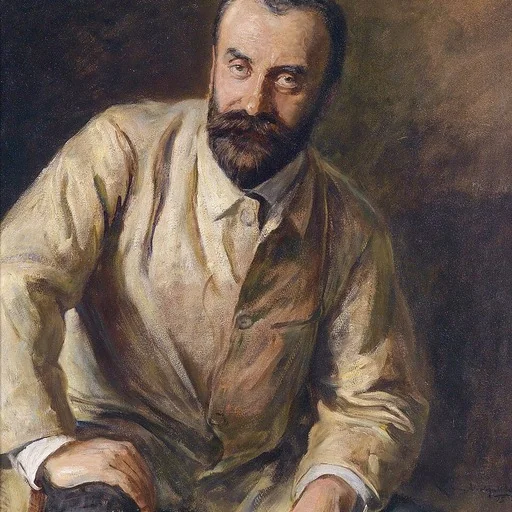
Carl Julius Rudolf Moll (23 April 1861 – 12 April 1945) was an Austrian Art Nouveau painter active in Vienna at the start of the 20th century.