Artwork
Hafod Ysbytty, Festiniog, Merionethshire
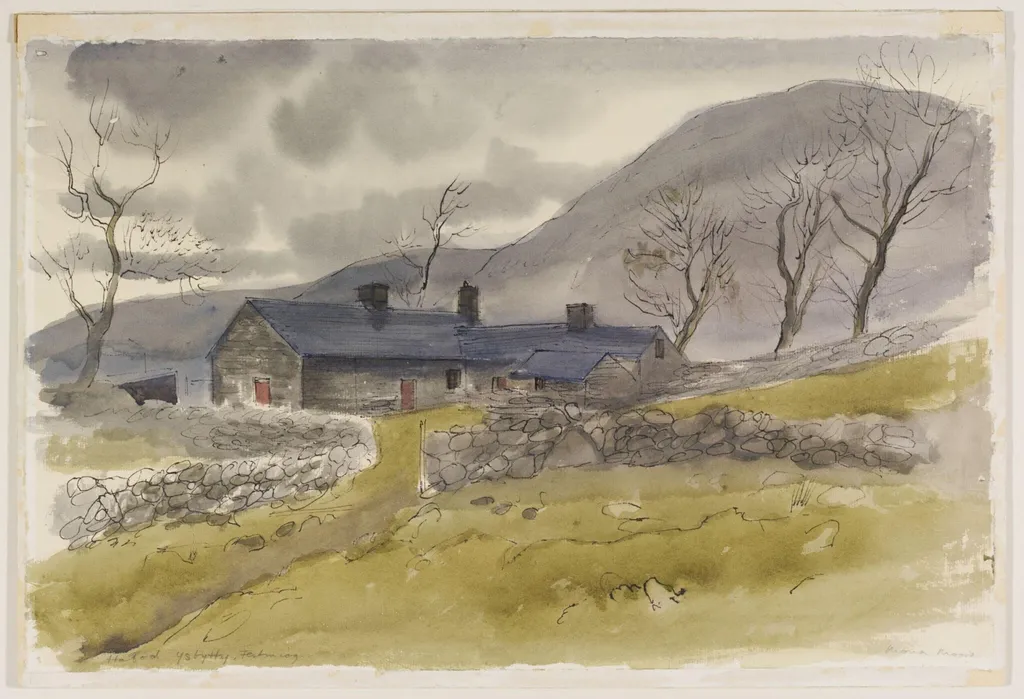
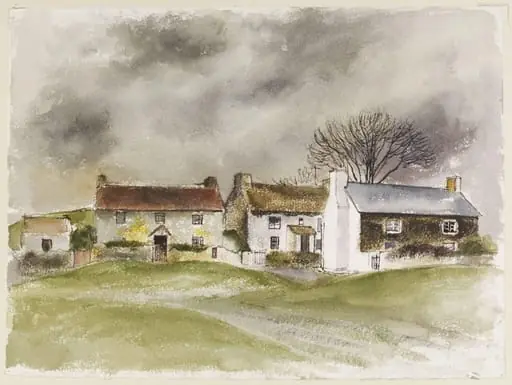
Hafod Ysbytty, Festiniog, Merionethshire is a watercolor work on paper by Mona Moore. It dates from 1940 and is held in the collection of the Victoria and Albert Museum.
About this work
Overview
Hafod Ysbytty, Festiniog, Merionethshire is a 1940 watercolour by Mona Moore, created as part of the Recording Britain project.
Hafod Ysbytty, Festiniog, Merionethshire is a 1940 watercolour by Mona Moore, created as part of the Recording Britain project. The work captures a modest stone cottage nestled in the Welsh countryside, rendered with restrained brushwork and muted tones. Its unembellished style reflects the project’s goal of preserving everyday rural scenes before they disappeared, prioritizing documentation over artistic flourish.
Subject & Meaning
The painting depicts a simple farmhouse with two chimneys, a stone wall in the foreground, and leafless trees surrounding it. Behind, a steep hill rises under a cloudy sky, emphasizing the isolation and quiet endurance of the structure. The scene carries no narrative drama, instead offering a quiet testament to vernacular architecture and the unremarkable landscapes that defined rural British life during wartime.
Technique & Style
Moore employed loose, rapid watercolour strokes to suggest form without detail, using a palette of soft grays, browns, and pale yellows. The lack of polish and minimal shading convey immediacy, as if the scene was recorded on-site in a single sitting. This approach aligns with the Recording Britain project’s preference for direct observation over studio refinement, valuing authenticity over finish.
History & Provenance
Commissioned by the Pilgrim Trust under the Committee for the Employment of Artists in Wartime, the painting was one of thousands produced between 1939 and 1945. The initiative aimed to create a visual archive of Britain’s threatened landscapes. Moore’s work, like others in the series, was later deposited in the Victoria and Albert Museum, where it remains part of a broader historical record.
Context
During World War II, fears of aerial bombardment and postwar development spurred efforts to document Britain’s architectural heritage. Recording Britain focused on rural and vernacular sites, often overlooked by mainstream art. Moore’s painting reflects this mission, capturing a humble dwelling not for its grandeur, but for its representativeness of a vanishing way of life.
Legacy
The Recording Britain collection endures as a vital archive of mid-20th-century British topography. Moore’s contribution, though modest in scale and ambition, exemplifies the project’s quiet dedication to preservation. Her work, alongside hundreds of others, continues to inform historical and cultural studies of Britain’s rural identity during a time of profound change.
Artist & collection
Artist
Mona Moore painted quiet watercolours of Welsh villages and coastline in the 1940s.

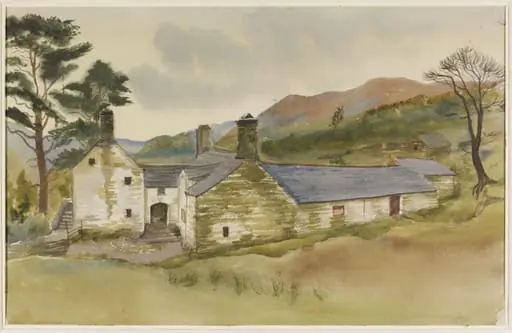 Ddu-Allt, Tan-y-Bwlch, Merionethshire
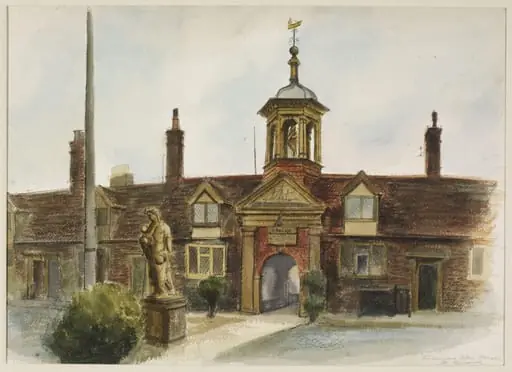 Fishermen's Almshouses, Great Yarmouth
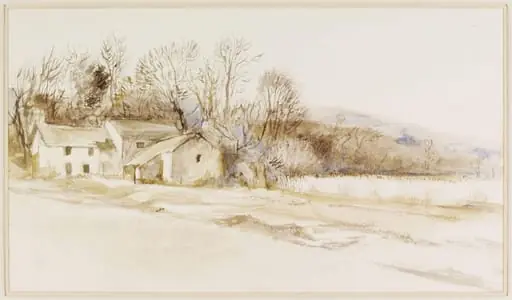 Old Mill, Clynne Valley, Gower, Glamorganshire
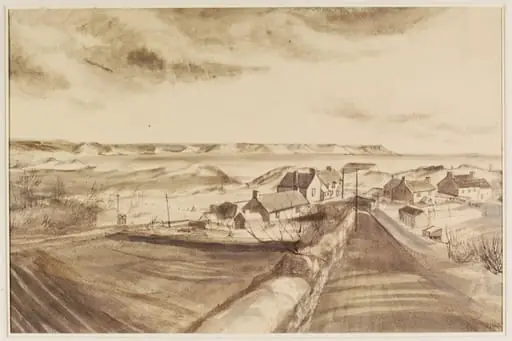 Oxwich Bay and Village, Gower, Glamorganshire
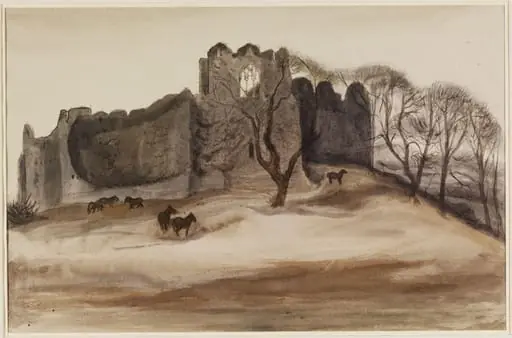 Oystermouth Castle, Gower, Glamorganshire
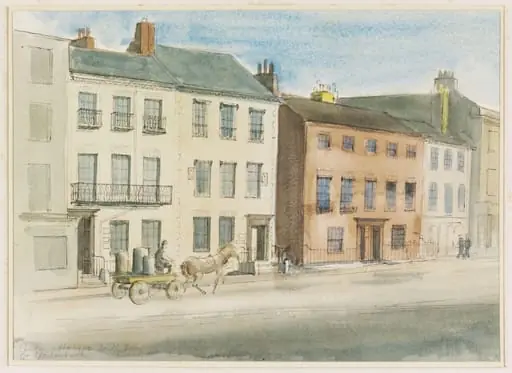 18th Century Houses, South Quay, Great Yarmouth
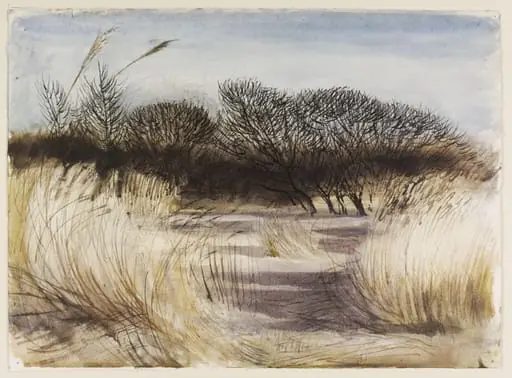 Oxwich, Gower, Glamorganshire
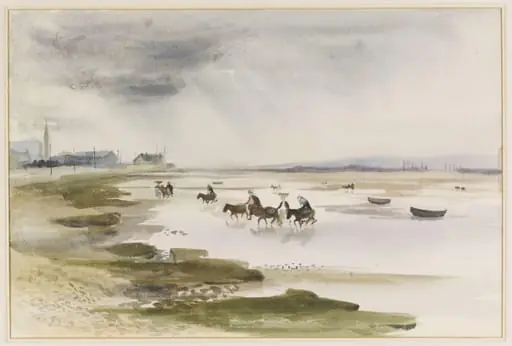 Penclawdd, Gower, Glamorganshire