Artwork
Frontispiece: Dictionnaire de musique
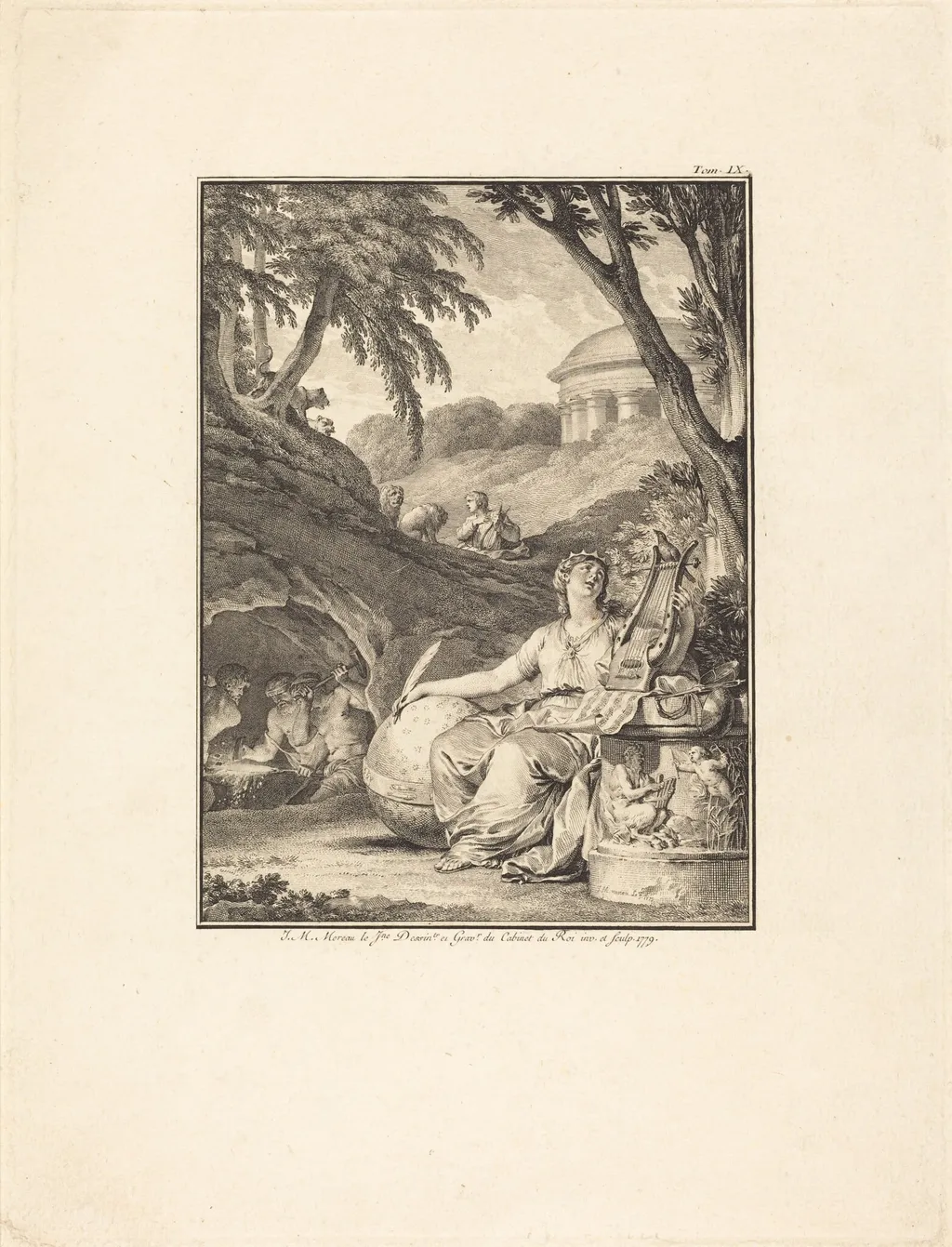
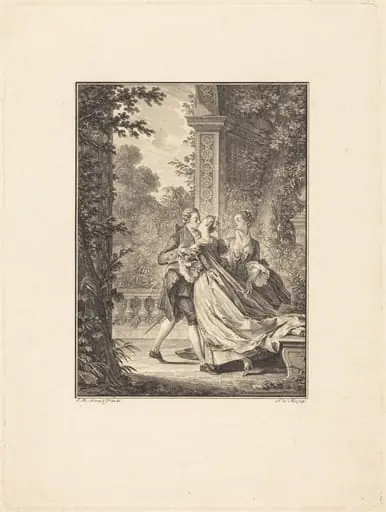
Frontispiece: Dictionnaire de musique is an ink print by the Romanticist artist Jean-Michel the Younger Moreau. It dates from 1779 and is held in the collection of the National Gallery of Art. Created in 1779 by Jean-Michel Moreau the Younger, this print serves as the frontispiece for the Dictionnaire de musique.
About this work
Overview
The composition blends pastoral elements with classical references, reflecting the Enlightenment ideal of music as both an art and an intellectual pursuit.
Created in 1779 by Jean-Michel Moreau the Younger, this print serves as the frontispiece for the Dictionnaire de musique. Executed in etching and engraving, it presents an allegorical scene centered on a female figure engaged with music and learning. The composition blends pastoral elements with classical references, reflecting the Enlightenment ideal of music as both an art and an intellectual pursuit.
Subject & Meaning
The central figure, seated on a stone pedestal, holds an open book and plays a lyre, symbolizing the union of musical theory and practice. Surrounding her, grazing sheep and a distant temple evoke an idealized rural antiquity, while figures in the background suggest labor and daily life. The scene presents music not merely as entertainment but as a cultivated, harmonious force rooted in nature and classical tradition.
Technique & Style
The image is rendered through fine-line etching and engraving, allowing precise control over texture and tone. Delicate hatching defines the folds of fabric, the grain of tree bark, and the softness of wool on the sheep. Unlike painted works, the shading relies on incised lines rather than brushwork, characteristic of printmaking’s emphasis on clarity and repetition. The composition is carefully balanced, with trees framing the scene to guide the viewer’s eye.
History & Provenance
This print was produced as the introductory plate for a major French musical reference work published in 1779. As a frontispiece, it was intended to convey the encyclopedia’s scholarly aims and cultural aspirations. Its circulation through printed copies ensured wide dissemination among musicians, scholars, and the educated public of late 18th-century France.
Context
Created during the Enlightenment, the image reflects contemporary efforts to systematize knowledge and elevate music to the status of a rational discipline. The pastoral setting aligns with neoclassical aesthetics popular in French intellectual circles, where antiquity was idealized as a model of order and beauty. The inclusion of both scholarly and rural elements bridges theoretical study with lived experience.
Legacy
As a representative example of Enlightenment-era print culture, this frontispiece illustrates how visual imagery was used to communicate abstract ideas in reference works. Its combination of allegory, technical precision, and classical allusion influenced later decorative and scholarly prints, reinforcing the role of the visual in the dissemination of musical knowledge.
Artist & collection

 Pygmalion
 La Bonne Mère
 Classical Scene
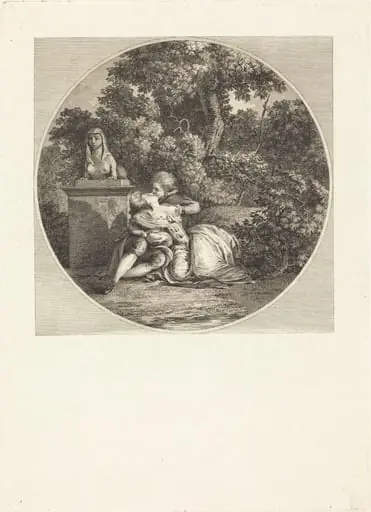 The Grove
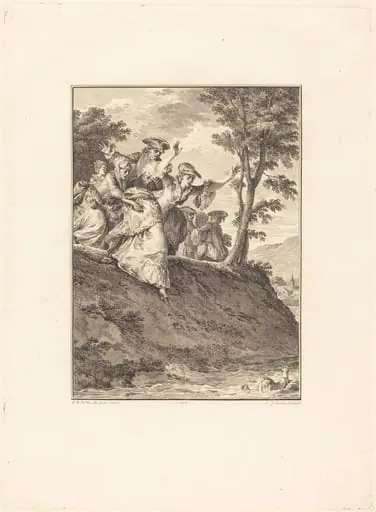 Elle s'élance après lui
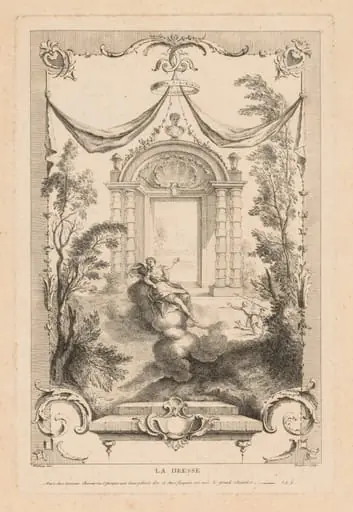 The Goddess, Diana on the Clouds
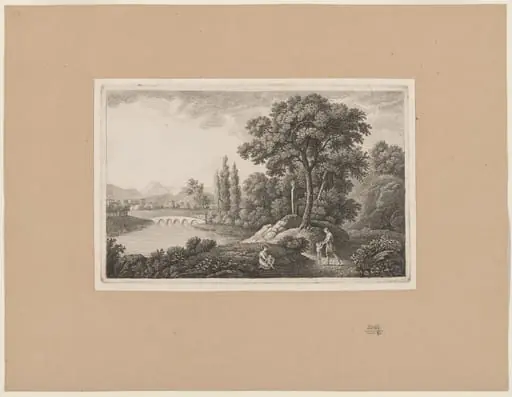 Classical Landscape with a Family by a River
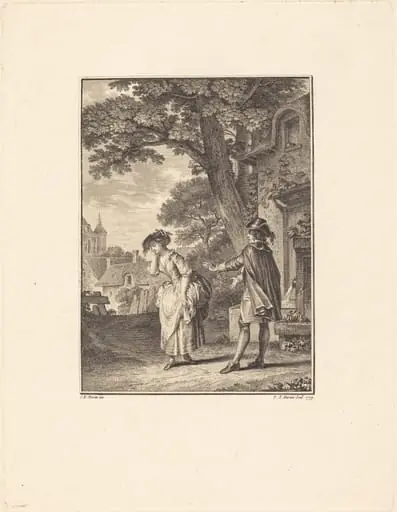 Le Devin du Village (Colette Weeping)
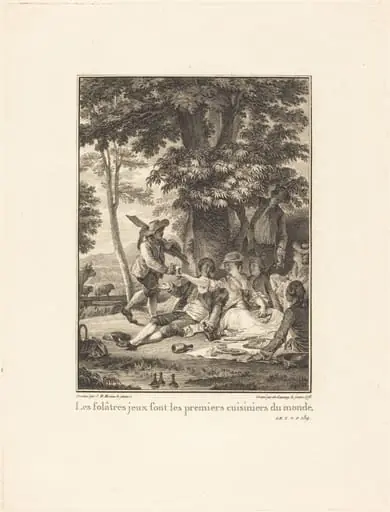 Les folâtres jeux sont les premiers cuisiniers du monde
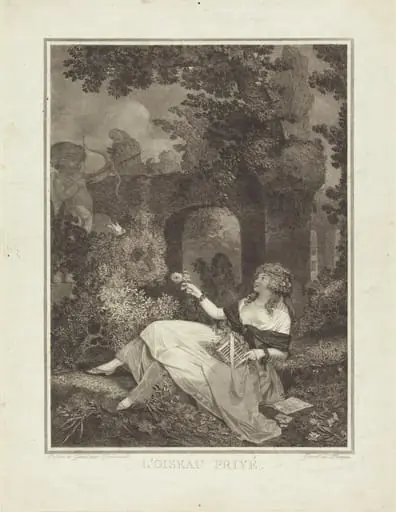 L'Oiseau privé
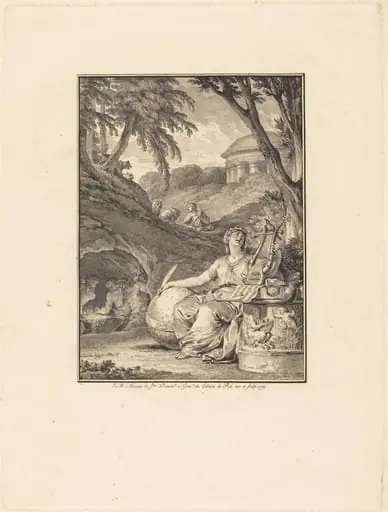 Frontispiece: Dictionnaire de musique
 Sans rien comprendre à ce mystere