Artwork
Pygmalion
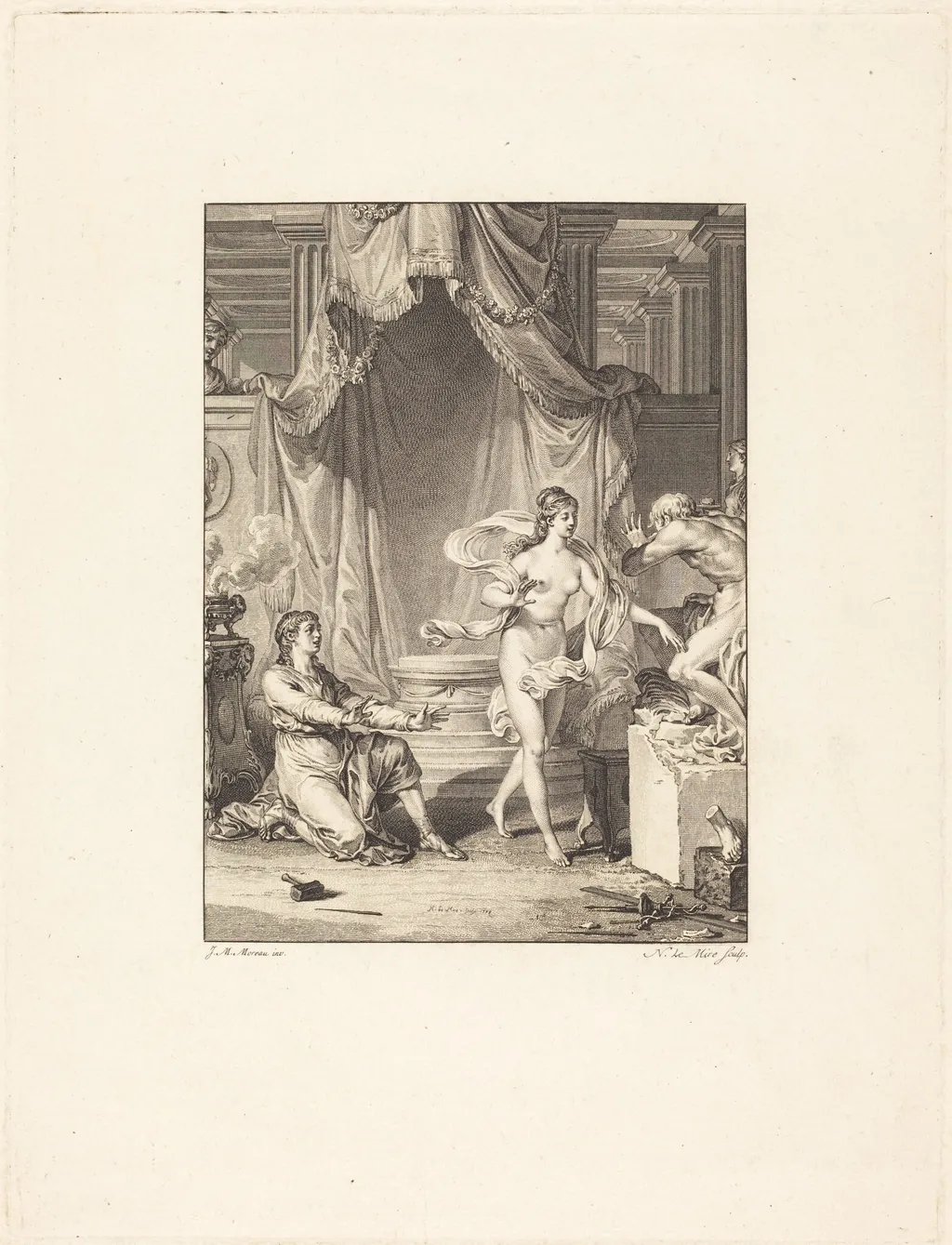
Pygmalion is an ink print by the Romanticist artist Noël Le Mire. It dates from 1778 and is held in the collection of the National Gallery of Art.
About this work
Overview
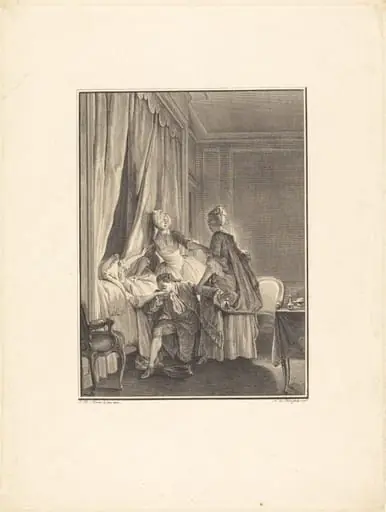
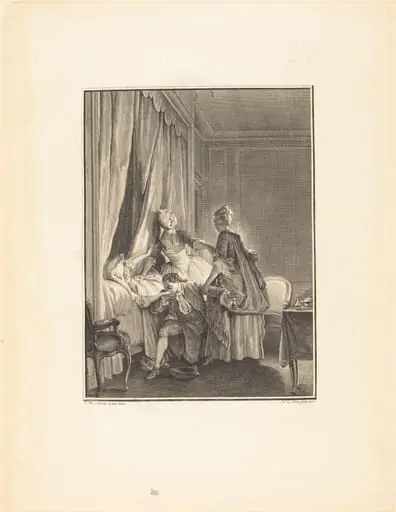
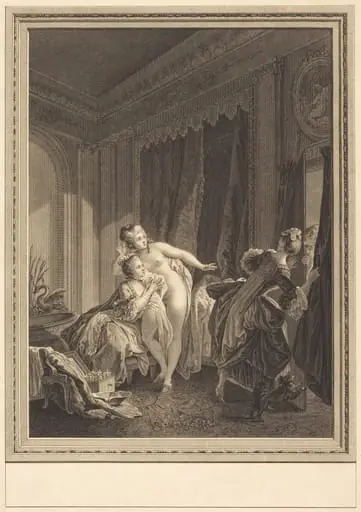
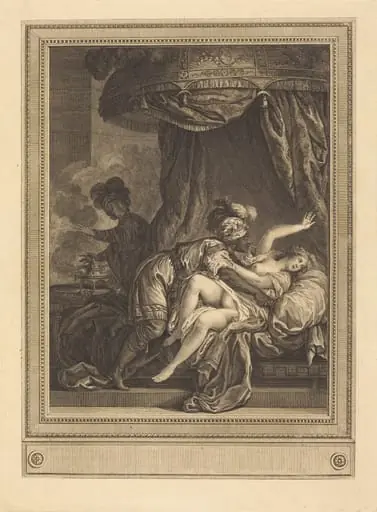
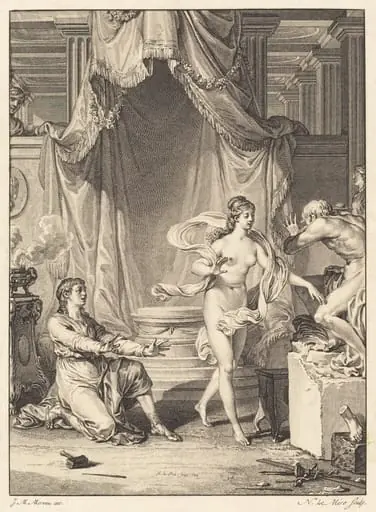
Noël Le Mire’s 1778 print, titled Pygmalion, is an engraving that captures a pivotal moment from the classical myth. The composition centers on a kneeling male figure extending his hand toward a newly animated, nude woman, while a fragmented statue lies discarded nearby. A curtained backdrop and a dimly lit window complete the setting, giving the scene a theatrical atmosphere.
Subject & Meaning
The image visualizes the moment when the sculptor Pygmalion’s creation comes to life, a narrative drawn from Ovid’s Metamorphoses. The contrast between the lifeless marble fragments and the breathing woman underscores themes of artistic creation, transformation, and the boundary between art and reality. The kneeling pose of the man suggests reverence and awe at his own handiwork becoming animate.
Technique & Style
Le Mire employed fine lines of engraving combined with areas of etching to achieve a nuanced tonal range. Careful cross‑hatching creates depth, allowing the figures to emerge from a relatively flat background. The rendering of the woman’s flowing hair and the drapery’s folds adds a sense of motion, while the chiaroscuro effect highlights the dramatic interplay of light and shadow.
History & Provenance
Created in 1778, the print reflects the 18th‑century European fascination with classical mythology and the revival of antiquarian subjects. Though little is recorded about its original ownership, the work is attributed to Noël Le Mire, a French printmaker known for his illustrative interpretations of literary themes. It has since entered public collections that document the era’s print culture.
Artist & collection