Artwork
Άτιτλο
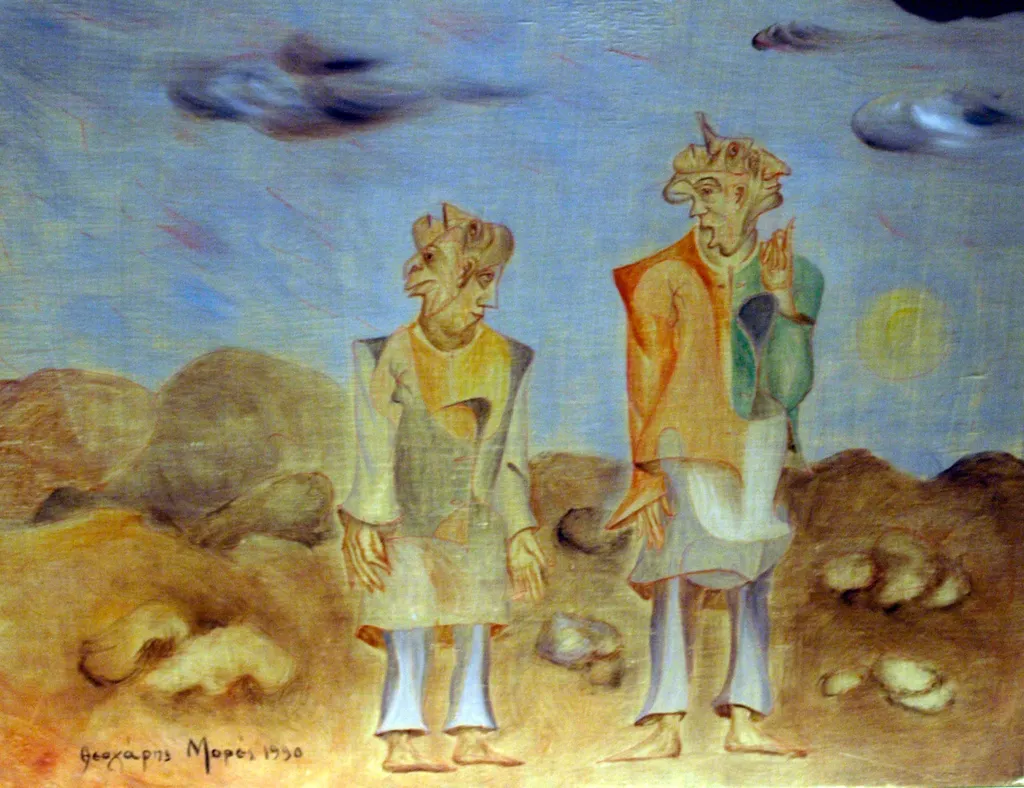
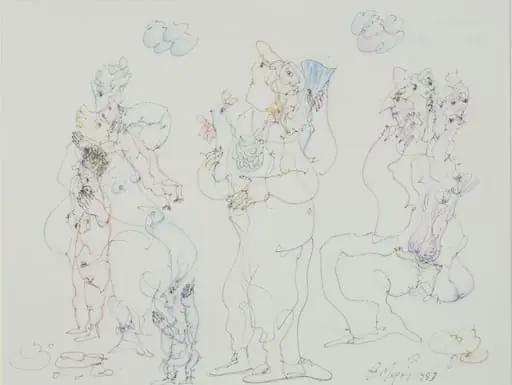
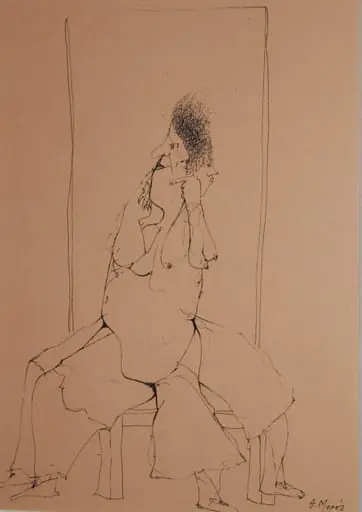
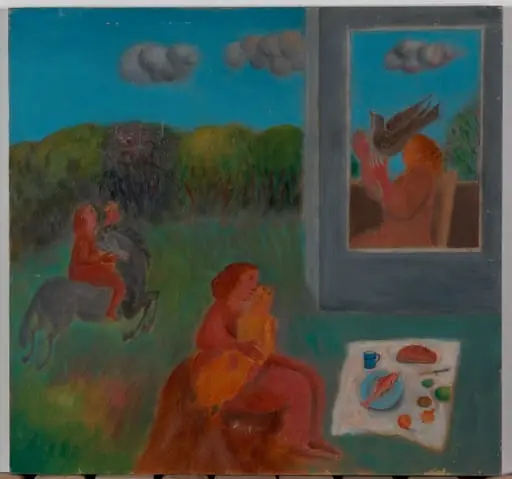
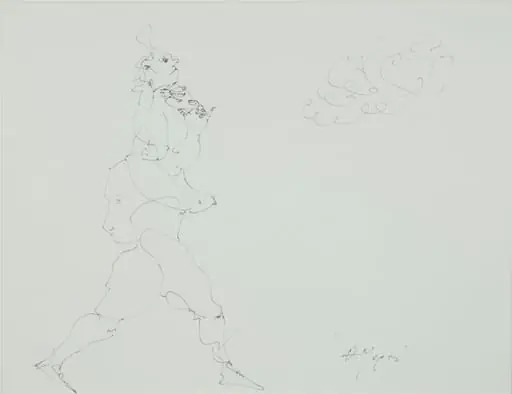
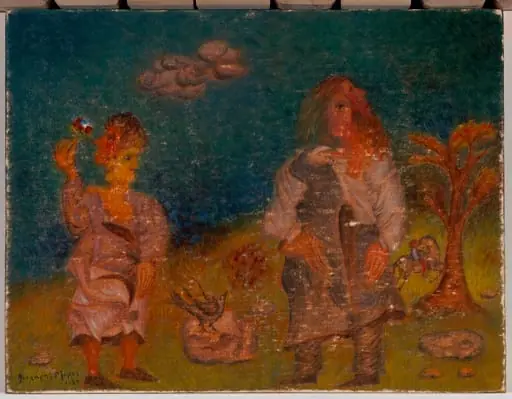
Άτιτλο is an unspecified painting by Theoharis Mores. It dates from 1969 and is held in the collection of the Metropolitan Organisation of Museums of Visual Arts of Thessaloniki – MOMus.
About this work
Overview
Created in 1969 by Theoharis Mores, this untitled painting is part of the Museum of Ethnography’s collection.
Created in 1969 by Theoharis Mores, this untitled painting is part of the Museum of Ethnography’s collection. It presents two stylized human figures within a simplified landscape, rendered with deliberate abstraction. The composition avoids narrative detail, instead emphasizing form and mood through reduced elements and a restrained palette, inviting quiet reflection rather than explicit storytelling.
Subject & Meaning
Two figures, dressed in simple, uniform clothing, stand side by side in an indeterminate space. Their disproportionately large heads suggest an emphasis on inner presence over physicality. The gesture of the right figure—hand raised, open—hints at communication or contemplation, though no clear action or relationship is defined. The ambiguity reinforces a sense of solitude and introspection, characteristic of Mores’s interest in human stillness.
Technique & Style
Mores employs flat, unmodulated color and simplified contours to flatten spatial depth. The figures are rendered with minimal detail, their forms reduced to essential shapes. The background, a muted blue, is punctuated by indistinct abstract marks that suggest environmental elements without depicting them literally. This approach aligns with a post-war tendency toward symbolic reduction, prioritizing emotional tone over realism.
History & Provenance
The work entered the Museum of Ethnography’s holdings shortly after its creation, likely through direct acquisition or donation by the artist. Its inclusion in an ethnographic institution, rather than a modern art collection, suggests an early recognition of its cultural resonance. No public exhibition history or significant ownership changes are documented prior to its current placement.
Context
Produced during a period of social and political transition in Greece, the painting reflects broader artistic movements that turned inward, away from overt political expression. Mores’s focus on quiet, anonymous figures aligns with contemporaneous European tendencies to explore existential themes through abstraction. The work avoids regional symbolism, instead presenting universal human forms in a neutral setting.
Legacy
Though not widely exhibited beyond institutional settings, the painting remains a representative example of Mores’s mature style. Its quietude and formal restraint have influenced later Greek artists interested in minimalism and psychological depth. The work continues to be studied for its subtle negotiation between figuration and abstraction, offering a quiet counterpoint to more dramatic postwar narratives.
Artist & collection
Artist
This guy painted the same blank word—*Άτιτλο*, Greek for “Untitled”—over and over, as if he couldn’t be bothered to invent new titles.
Museum
Metropolitan Organisation of Museums of Visual Arts of Thessaloniki – MOMus
Continue through works from the same source collection.
 Άτιτλο
 Άτιτλο
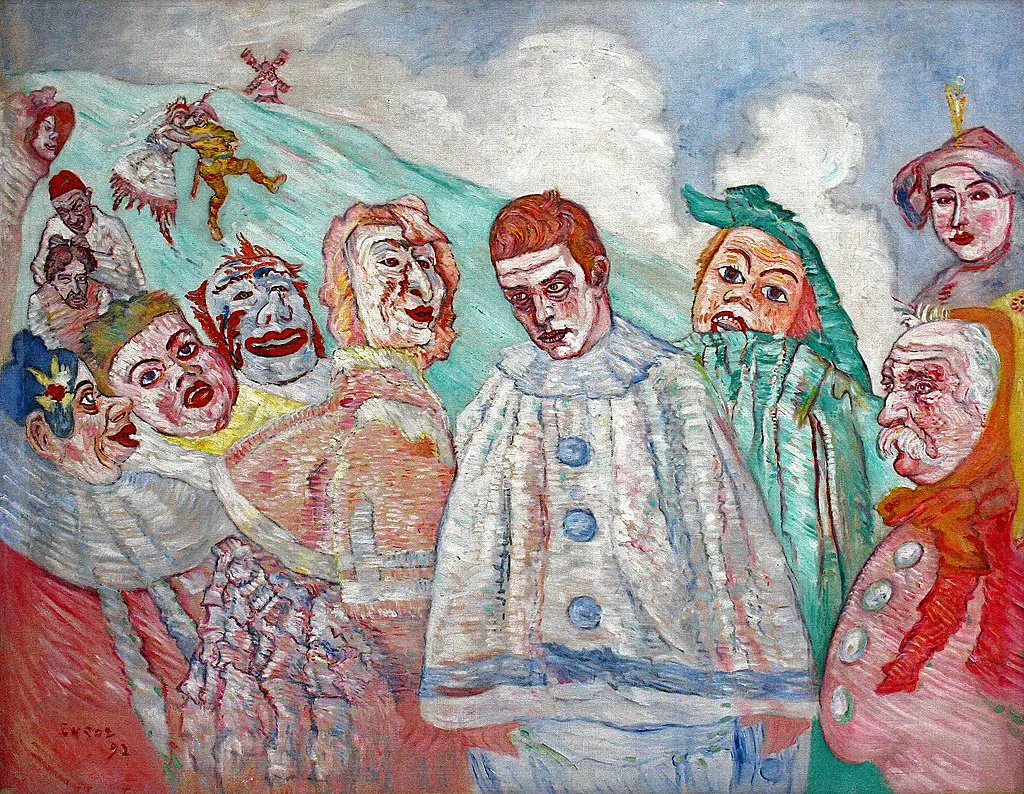 Pierrot's despair
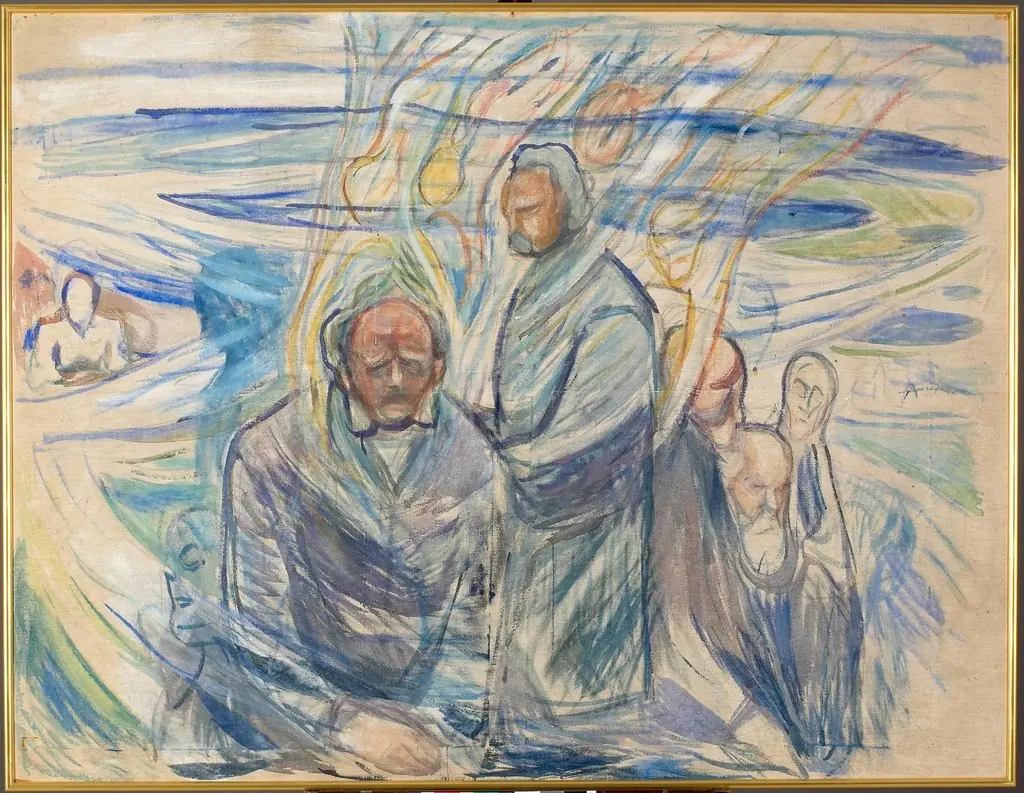 Geniuses: Ibsen, Nietzsche and Socrates
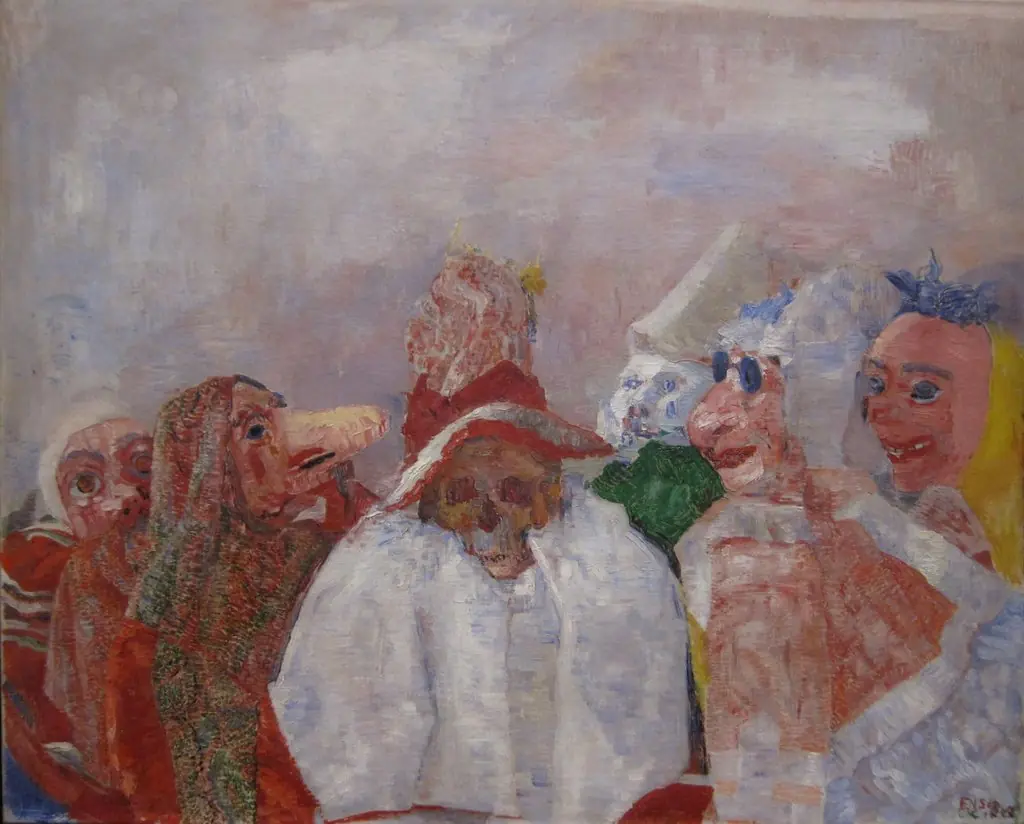 Masks Confronting Death
 După bal (Păpuși)
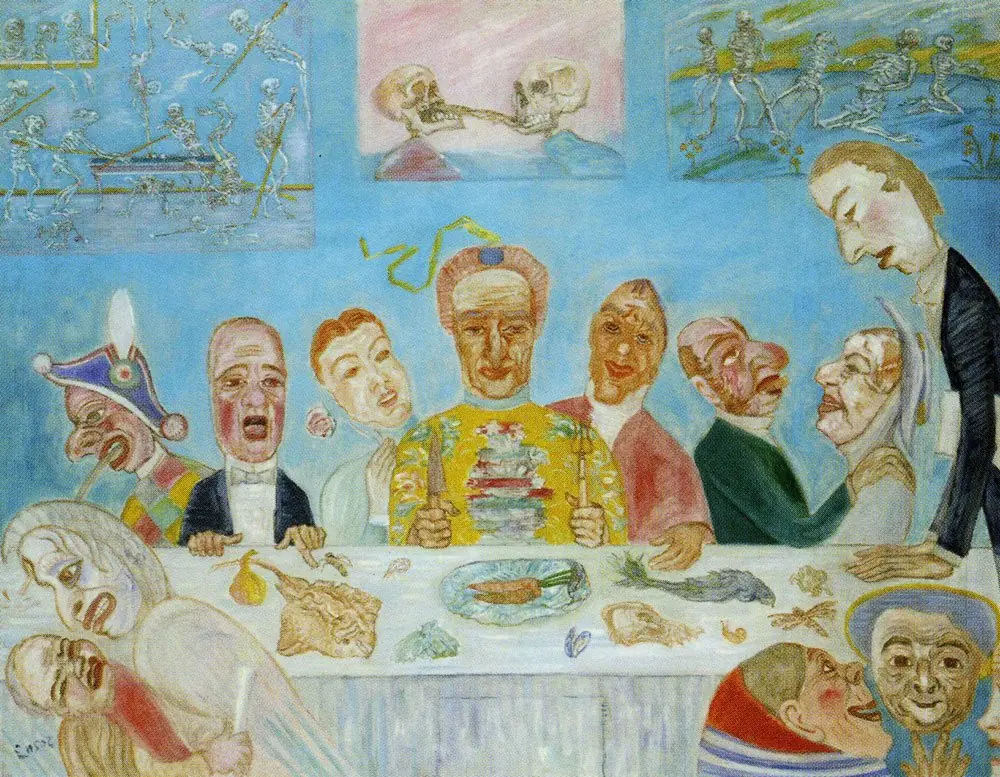 Comical Repast (Banquet of the Starved)
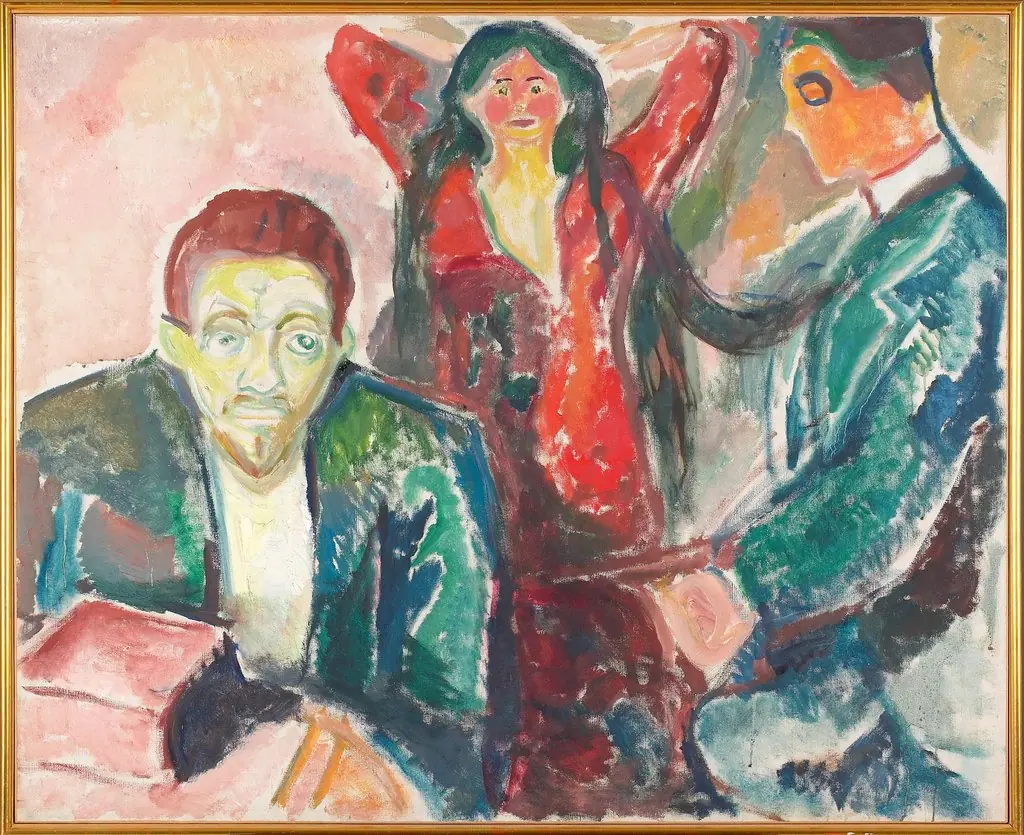 Jealousy
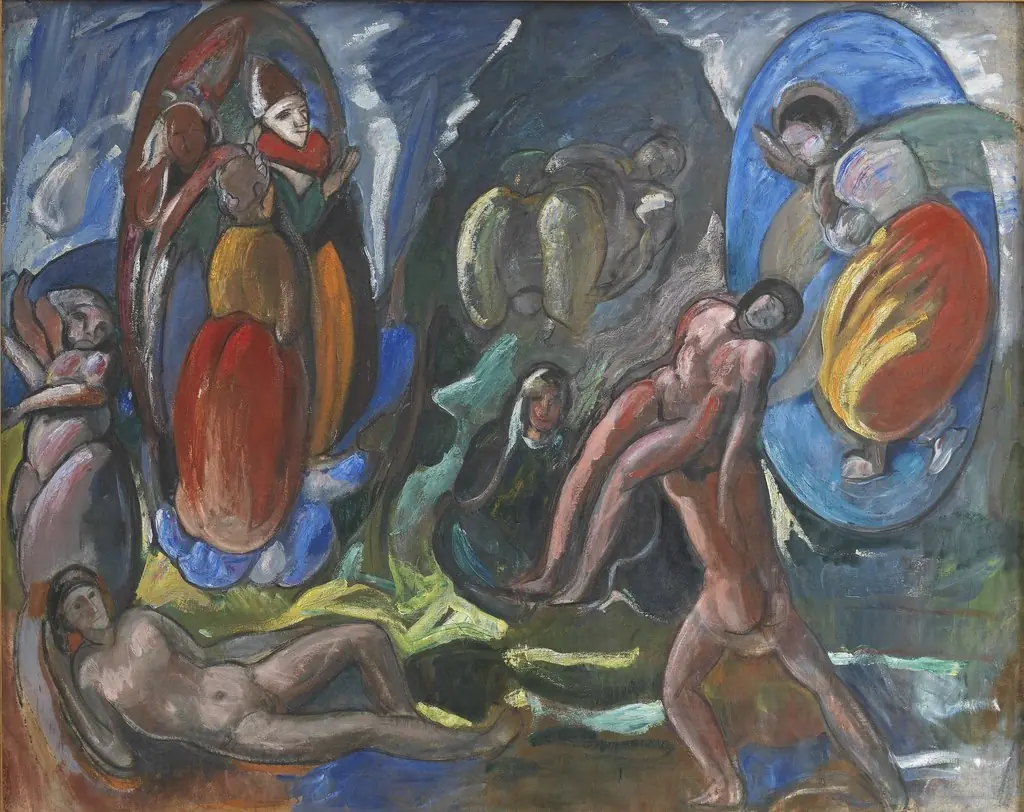 The Creation of Eve. Composition. Opus II
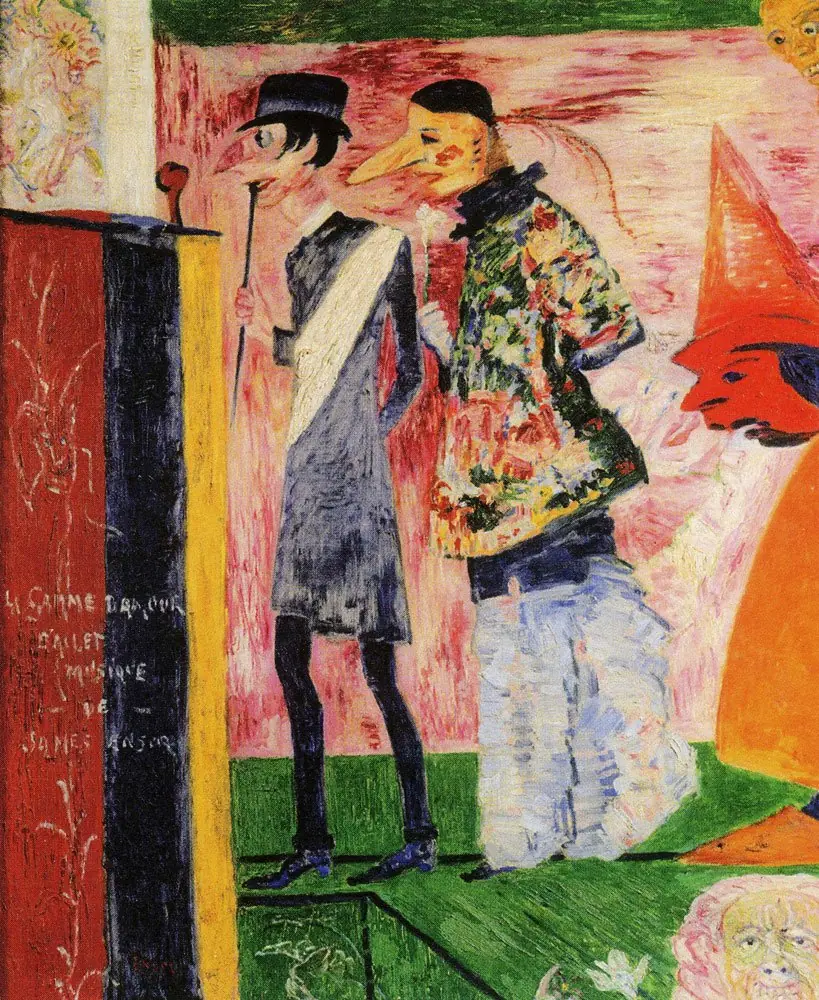 Figures in Front of a Poster of La Gamme d’amour (after The Entry of Christ into Brussels in 1889)
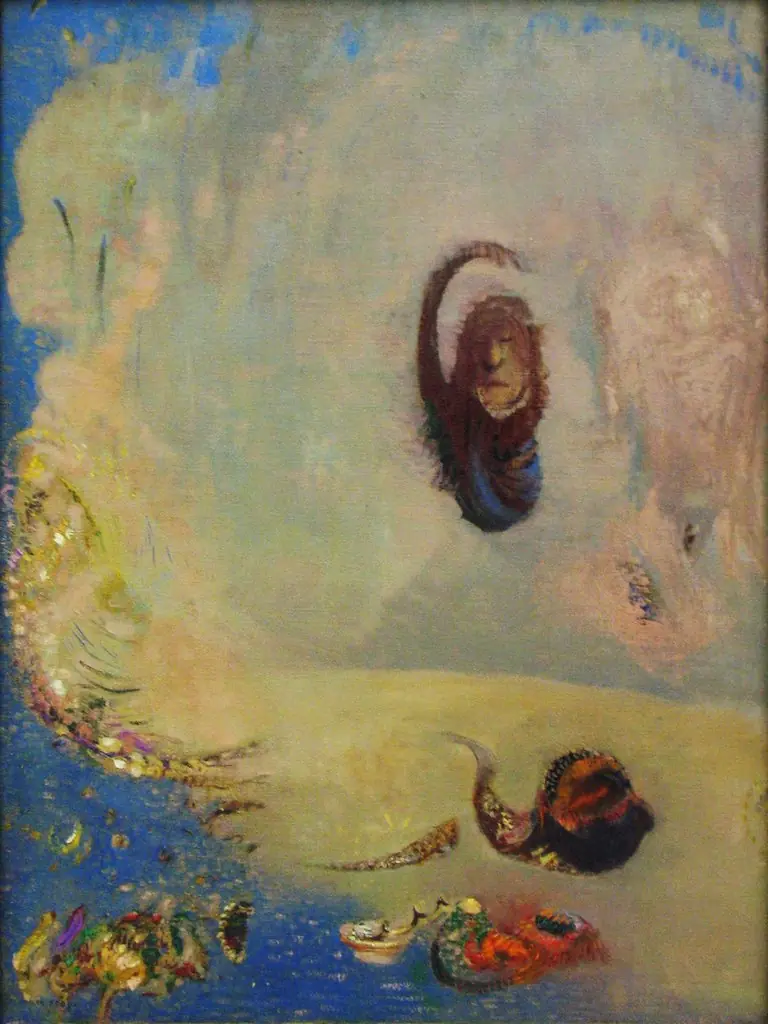 Oannès