Artwork
După bal (Păpuși)
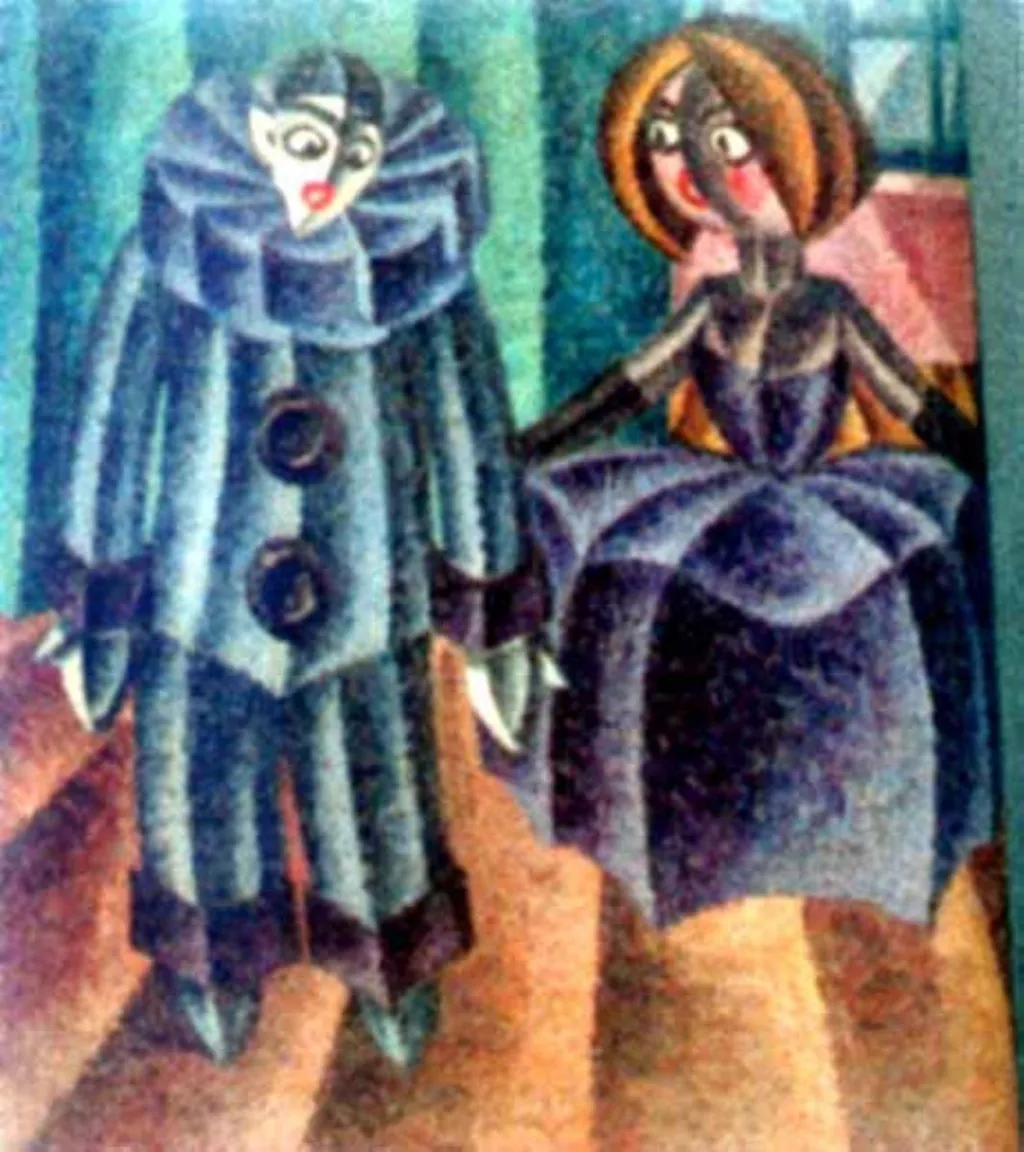
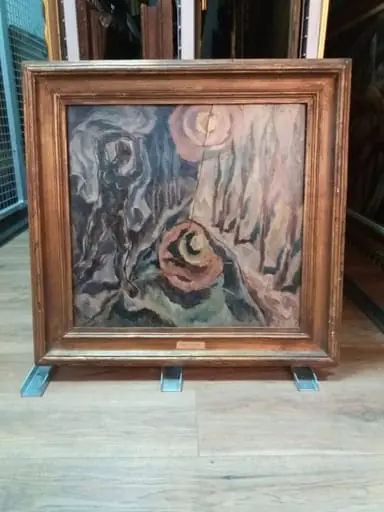
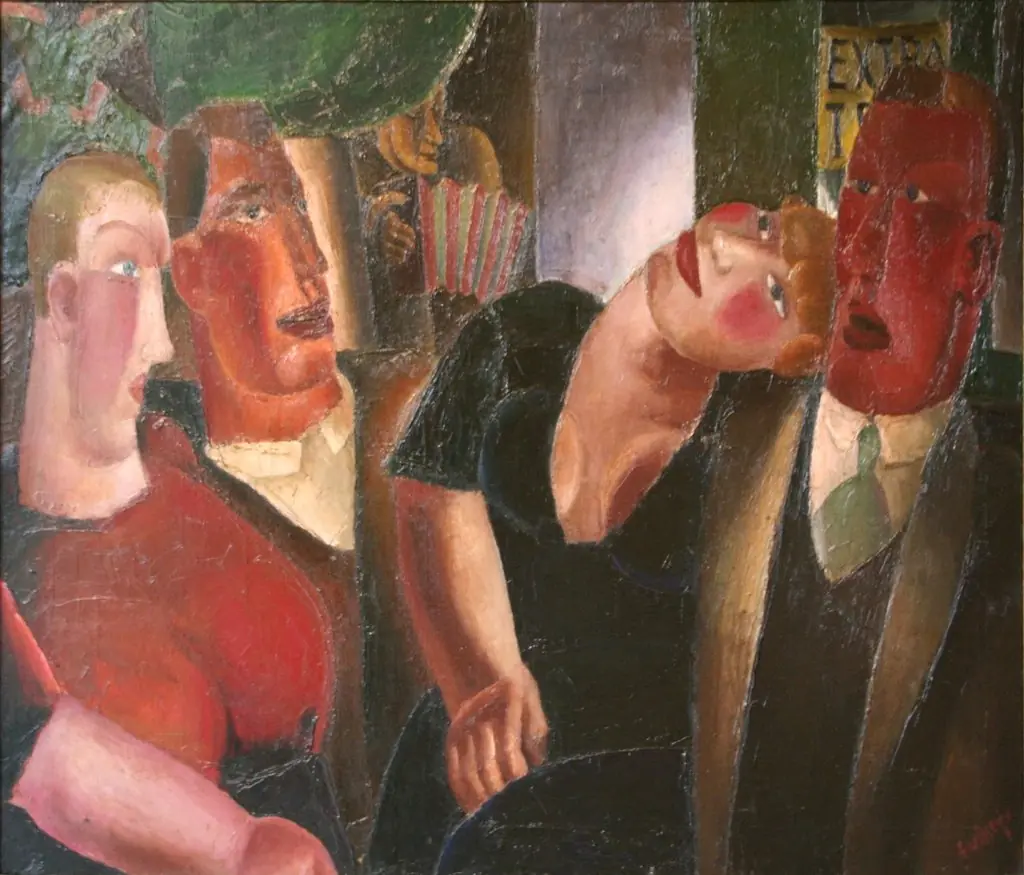
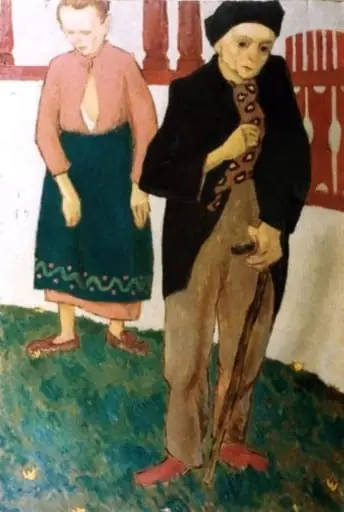
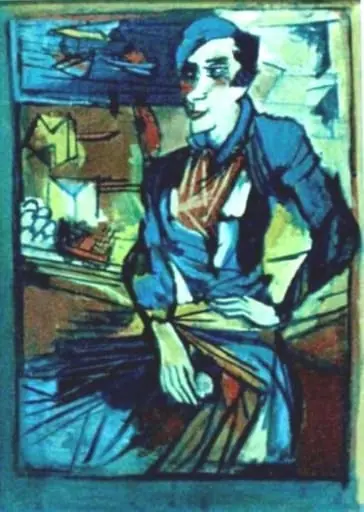
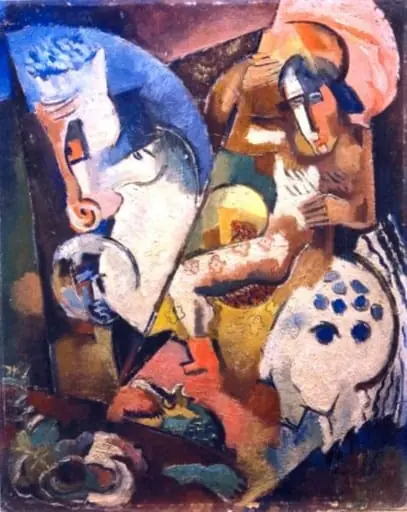
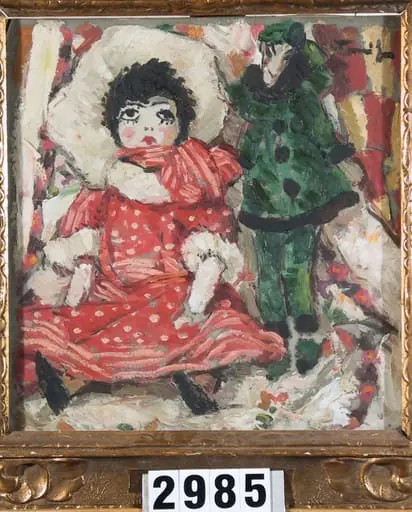
După bal (Păpuși) is an unspecified painting by Corneliu Michăilescu. It dates from 1926 and is held in the collection of the Art Museum of Constanta.
About this work
Overview
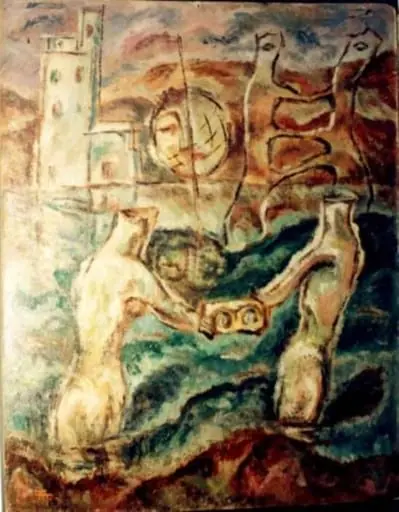
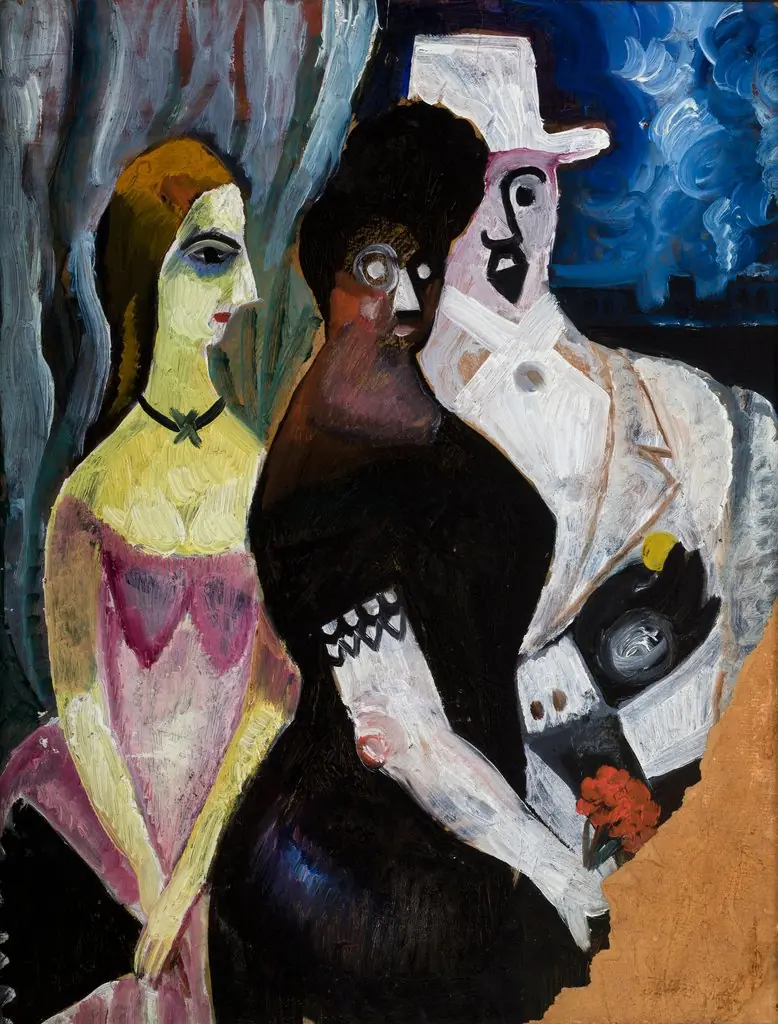
Corneliu Michăilescu’s După bal (Păpuși), dated to 1926, is a quiet oil painting depicting two dolls on a table in a dimly lit interior.
Corneliu Michăilescu’s După bal (Păpuși), dated to 1926, is a quiet oil painting depicting two dolls on a table in a dimly lit interior. The work is part of the Museum of Ethnography’s collection and reflects the artist’s interest in ordinary, intimate moments rendered with subtle emotional weight. The scene avoids narrative clarity, instead inviting contemplation through stillness and suggestion.
Subject & Meaning
The two dolls, dressed in worn, period-appropriate attire, appear to have just ended a formal gathering. One sits upright while the other lies prone, shoes discarded and ribbons untied. Their stillness suggests a pause after movement, evoking themes of transience and the passage of time. The absence of human figures amplifies a sense of solitude, as if the dolls carry the residual presence of those who once danced.
Technique & Style
Michăilescu employed soft, blended brushwork to blur the edges of the dolls, lending them a lifelike, almost breathing quality. The lighting is minimal, focused on a single lamp that casts a warm, localized glow, deepening the shadows around the table. This restrained palette and delicate modeling create a tactile realism, where fabric and wood seem tangible, yet the atmosphere remains dreamlike and unresolved.
History & Provenance
The painting entered the Museum of Ethnography’s holdings in the 20th century, though its exact acquisition date is undocumented. It has remained in the institution’s care since, with no record of prior ownership or exhibition beyond its inclusion in the museum’s permanent collection. Its provenance reflects a quiet, institutional preservation rather than public prominence.
Context
Created in interwar Romania, the work aligns with a broader cultural interest in folk traditions and domestic rituals. While Michăilescu was not a folk artist, his focus on dolls—objects tied to childhood and social customs—echoes ethnographic concerns of the era. The painting’s ambiguity distinguishes it from overtly nationalist or sentimental imagery common at the time.
Legacy
După bal (Păpuși) remains a quiet anomaly in Michăilescu’s oeuvre, rarely reproduced or discussed outside institutional circles. Its enduring presence in the Museum of Ethnography underscores its value as a poetic object rather than a celebrated work. It continues to resonate through its restraint, offering a contemplative counterpoint to more dramatic artistic narratives of the period.
Artist & collection